
2026.04.17
Rewritten on: April 21, 2026
A negative NIPT result indicates an extremely low risk of the target chromosomal abnormalities, with a negative predictive value for Down syndrome of 99.9% or higher. However, it is not a definitive diagnosis, and because there are conditions outside the scope of detection as well as the possibility of false negatives, correct understanding along with continued prenatal checkups is important.
Conclusion
A negative NIPT result indicates that the risk of the targeted chromosomal abnormalities is extremely low. For Down syndrome, the negative predictive value is 99.9% or higher, an extremely high level of accuracy, but it is not a "definitive diagnosis" that rules out all congenital conditions. It is important to correctly understand what a negative result means and, if needed, to pursue additional testing or genetic counseling.
- ・What is the medical definition of a "negative" NIPT result?
- ・NIPT accuracy: why is a negative result said to bring "peace of mind"?
- ・Why a "low risk" NIPT result is not a 100% guarantee
- └ 1. Conditions outside the scope of detection
- └ 2. Rare factors that cause false negatives
- ・What to know after receiving a negative NIPT result
- ・The importance of prenatal checkups and ultrasound after a negative NIPT result
- ・Correctly understanding the difference between a negative and positive NIPT result
- ・The role of genetic counseling and how to make use of it
What is the medical definition of a "negative" NIPT result?

A negative NIPT result is a non-definitive determination meaning that the probability of a numerical abnormality being found in a specific chromosome (21, 18, or 13) is extremely low. This result does not confirm that "the baby has no chromosomal abnormality" — it is important to accurately understand that it is merely a "low risk" determination as a screening test. (1)
A negative result in NIPT (Non-Invasive Prenatal Testing) means: that no numerical abnormality was detected in the chromosomes examined, and that the risk is below the threshold value. Specifically, it means that after analyzing fetal-derived cell-free DNA (cfDNA) contained in the mother's blood and evaluating the quantitative balance of the target chromosomes, no findings indicating an abnormality were observed. (2)
This cell-free DNA (cfDNA) consists mainly of short DNA fragments released into the maternal bloodstream as placental trophoblast cells undergo apoptosis (programmed cell death). As pregnancy progresses, the amount of fetal-derived cfDNA increases, and by around week 10 of pregnancy, a sufficient amount is typically available for testing. NIPT reads a large volume of this fetal-derived cfDNA using a next-generation sequencer (NGS) and precisely calculates the relative quantity of DNA fragments originating from each chromosome. In a normal case, the amount of DNA fragments from each chromosome falls within a certain ratio, but in the presence of a trisomy, the DNA fragments from the affected chromosome become statistically significantly more numerous, which is the mechanism that allows the abnormality to be detected. (3)
- The test primarily targets trisomy 21 (Down syndrome), trisomy 18 (Edwards syndrome), and trisomy 13 (Patau syndrome).
- This result indicates a "low risk" for the target conditions, and is different from a definitive "negation."
- NIPT is a screening test; if the result is positive, a final determination is made through a confirmatory test such as amniocentesis. Likewise, keep in mind that a negative result is also not a "definitive" one.
- NIPT result reports fall into three patterns — "negative (low risk)," "positive (high risk)," and "inconclusive" — and negative represents the lowest-risk determination among these.
Because NIPT can be performed simply by drawing blood from the mother, it is a non-invasive testing method that poses almost no physical risk to either the fetus or the mother. It can be performed from week 10 of pregnancy onward, and a major feature is that it allows for risk assessment at a much earlier stage compared to conventional maternal serum marker tests (such as the Quad test). Whereas the conventional Quad test had a sensitivity of around 80–85%, NIPT achieves a sensitivity of over 99% for trisomy 21, representing a dramatic improvement in accuracy as a screening test. (4)
Due to these advantages, many pregnant women now choose to undergo NIPT in recent years, but there are not a few cases in which the result is mistakenly interpreted as "negative = completely safe." It is important to accurately grasp the medical fact that NIPT is fundamentally a probability-based screening test, and that a negative result merely indicates that "the risk of the target condition is statistically very low." (5)
NIPT accuracy: why is a negative result said to bring "peace of mind"?
 NIPT has an overwhelmingly higher negative predictive value than conventional maternal serum marker tests, and when a negative result is given, the probability that there is actually no disease exceeds 99%. In particular, for Down syndrome (trisomy 21), NIPT boasts a remarkable accuracy of over 99% sensitivity and over 99.9% negative predictive value. (2)
Let us understand in more detail the four statistical indicators here: "sensitivity," "specificity," "negative predictive value," and "positive predictive value." Sensitivity refers to the proportion of fetuses that actually have a chromosomal abnormality that NIPT correctly identifies as "positive." Specificity refers to the proportion of fetuses that do not actually have a chromosomal abnormality that NIPT correctly identifies as "negative." The negative predictive value (NPV) indicates the proportion of people determined negative who actually do not have the condition, and the positive predictive value (PPV) indicates the proportion of people determined positive who actually do have the condition. The main reason NIPT is said to bring "peace of mind when negative" is that this negative predictive value shows an extremely high figure of 99.9% or more. (1)
This high accuracy is supported by highly precise DNA analysis technology using a next-generation sequencer (NGS). By reading a large volume of fetal-derived cell-free DNA fragments contained in the mother's blood and statistically analyzing the relative proportion of each chromosome, the presence or absence of an abnormality is determined. Specifically, several million to tens of millions of DNA fragments are read simultaneously (massively parallel sequencing), and each fragment is mapped to the chromosome it originated from. The number of fragments obtained from each chromosome is then compared against a normal reference value and evaluated using a statistical value called a Z-score. When this Z-score exceeds a certain threshold, the result is determined "positive (high risk)"; if it is within the threshold, the result is "negative (low risk)." Large-scale clinical studies have demonstrated that this method has a dramatically lower false-positive rate compared to conventional screening tests. (6)
| Evaluation Metric | Statistical Value (approximate) | Medical Meaning |
|---|---|---|
| Sensitivity (trisomy 21) | 99% or higher | Probability of correctly identifying a person who has the condition as positive |
| Negative predictive value | 99.9% or higher | Probability that a person determined negative does not actually have the condition |
As shown in the table above, the negative predictive value (NPV) of NIPT is at a very high level. This shows that if NIPT determines a negative result, the probability that the target chromosomal abnormality is not actually present is 99.9% or higher. This high negative predictive value is the main reason it is said that "a negative NIPT result brings peace of mind." (1)
However, the negative predictive value also varies depending on the mother's age and the prevalence (prior probability) of the target condition. Generally, the risk of chromosomal abnormality (prior probability) increases as maternal age increases, but the negative predictive value of NIPT remains extremely high regardless of age. For example, whether a pregnant woman is under 35 or 40 or older, the negative predictive value of NIPT remains above 99.9%. On the other hand, because the positive predictive value is greatly affected by prior probability, it should also be noted that when a younger pregnant woman receives a positive result, the relative possibility of a false positive is higher. This is due to the statistical principle that, because the prevalence of chromosomal abnormality is lower among younger pregnant women to begin with, a positive test result is more often a false positive (no actual abnormality) compared to older pregnant women.
As an additional note, the sensitivity of NIPT for trisomy 18 (Edwards syndrome) and trisomy 13 (Patau syndrome) tends to be slightly lower than for trisomy 21. The sensitivity for trisomy 18 has been reported to be approximately 96–99%, and for trisomy 13 approximately 91–99%. This is due to several factors, including that chromosomes 18 and 13 differ in size from chromosome 21, and that the proportion of mosaic forms is somewhat higher for these trisomies. However, in either case, the negative predictive value remains above 99.9%, meaning the reliability of a negative result remains very high.
Why a "low risk" NIPT result is not a 100% guarantee
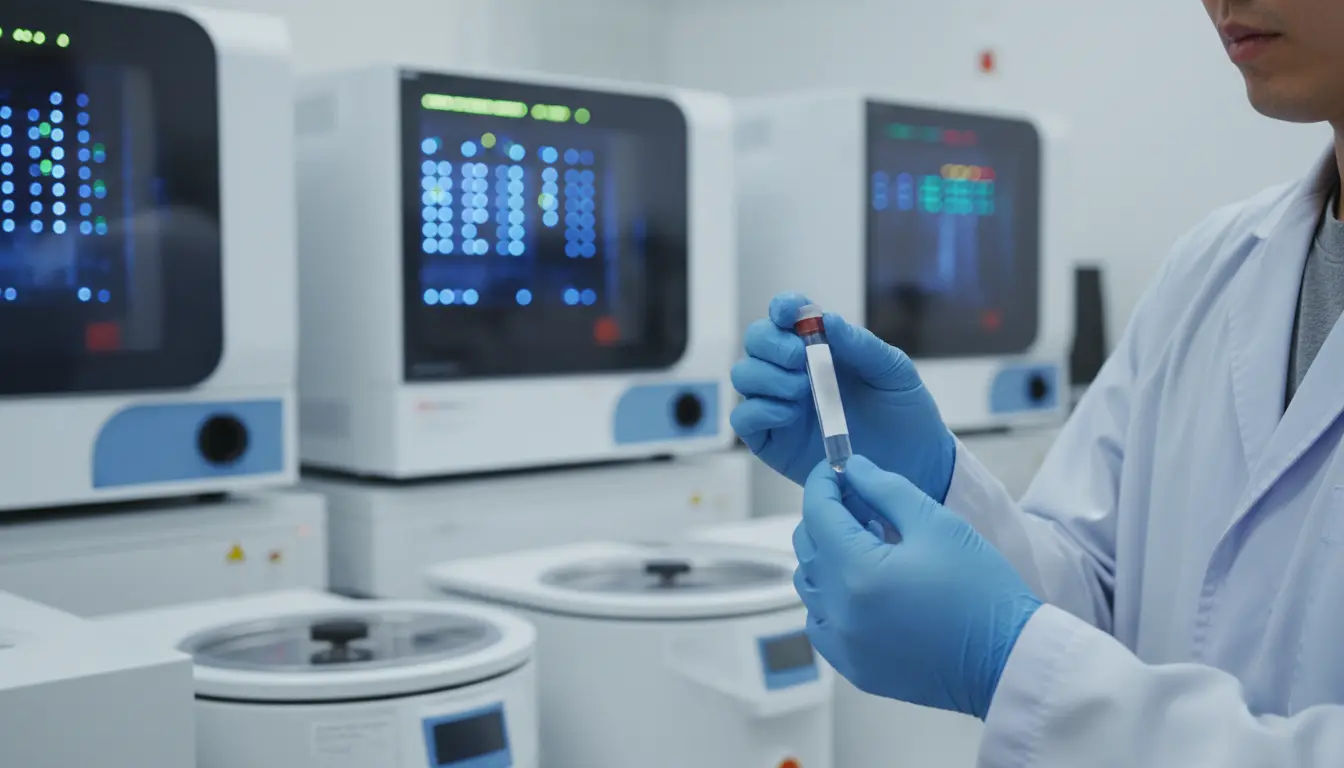
NIPT examines numerical abnormalities of chromosomes (such as trisomies), and cannot detect structural abnormalities, morphological abnormalities such as heart defects, or single-gene disorders. Therefore, even a negative NIPT result does not guarantee every aspect of the baby's health. Looking at congenital conditions as a whole, numerical chromosomal abnormalities account for only a portion of the total — approximately 3–5% of congenital conditions are identified at birth, but among these, the proportion accounted for by trisomies detectable by NIPT is limited. (7)
1. Conditions outside the scope of detection
NIPT's testing scope is primarily limited to trisomies of three autosomes: 13, 18, and 21. Depending on the facility, sex chromosome abnormalities (such as Turner syndrome and Klinefelter syndrome) and some microdeletion syndromes (such as 22q11.2 deletion syndrome) may be available as additional options, but the basic testing scope covers only the three trisomies above. The following conditions and abnormalities fall outside the detection range of NIPT.
- Structural chromosomal abnormalities: NIPT cannot detect abnormalities related to chromosome shape, such as translocations (where part of a chromosome moves to another chromosome), inversions (where part of a chromosome is reversed), deletions (where part of a chromosome is missing), or duplications (where part of a chromosome exists in excess). Structural abnormalities such as balanced translocations, in which the total amount of chromosomal material does not change, are in principle undetectable by NGS-based NIPT.
- Single-gene disorders: Conditions caused by minute genetic mutations, such as metabolic disorders like cystic fibrosis or sickle cell disease, and muscular dystrophy, are outside the scope of testing. Because these conditions arise from mutations at the level of a specific gene's base sequence, they cannot in principle be detected by NIPT, which examines the overall quantitative balance of chromosomes.
- Morphological abnormalities: Congenital malformations such as congenital heart disease, cleft lip and palate, limb malformations, and neural tube defects (such as spina bifida) can occur independently of numerical chromosomal abnormalities and cannot be found by NIPT. These abnormalities are mainly discovered through ultrasound examination.
- Multifactorial genetic disorders: Conditions such as autism spectrum disorder, intellectual disability, and some forms of congenital heart disease, which arise from a complex interplay of multiple genetic and environmental factors, are also outside the scope of NIPT. These conditions are often diagnosed only after birth.
- Epigenetics-related disorders: Abnormalities related to the regulation of gene expression, such as imprinting disorders (Prader-Willi syndrome, Angelman syndrome, etc.), are also outside the detection scope of NIPT.
2. Rare factors that cause false negatives
A false negative — where the fetus actually has a chromosomal abnormality but the result is "negative" — is very rare, but can occur due to the following factors.
- Confined Placental Mosaicism (CPM): A condition in which a chromosomal abnormality is present only in some of the placental cells while the fetus's own chromosomes are normal (or vice versa). Because NIPT primarily analyzes DNA fragments derived from the placenta, a false negative (or false positive) can occur when the chromosomal makeup of the placenta and the fetus differ. CPM is thought to occur in approximately 1–2% of all pregnancies, and is one of the most important factors affecting NIPT results. (3)
- Insufficient Fetal Fraction (FF): The proportion of fetal-derived cell-free DNA in the maternal blood is called the "fetal fraction." If this value is below 4%, the reliability of the test drops significantly, making an accurate determination difficult. Causes of a low fetal fraction include drawing blood too early (before week 10 of pregnancy), maternal obesity (a higher BMI increases maternal-derived cfDNA from fat cells, relatively lowering the fetal fraction), and multiple pregnancy. Many testing institutions report the result as "inconclusive" when the fetal fraction does not reach the reference value, and recommend retesting.
- Mosaic trisomy: In a mosaic form, where a trisomy is present in only some of the fetus's cells, NIPT may fail to detect it if the proportion of abnormal cells is low. Mosaic forms are thought to account for a few percent of all trisomy cases, and the lower the proportion of abnormal cells, the more difficult detection becomes.
- Vanishing twin: In a twin pregnancy where one fetus dies early and is naturally absorbed (vanishing twin), the DNA of the demised fetus can remain in the mother's blood and affect the test result. In this case, it can be a cause not only of false positives but also of false negatives.
What to know after receiving a negative NIPT result
Many pregnant women feel relieved upon receiving a negative NIPT result. Indeed, the negative predictive value of NIPT is extremely high, at 99.9% or above, and the risk of the target chromosomal abnormality can be judged to be extremely low. However, understanding the following points will allow you to spend your pregnancy with even greater peace of mind. (1)
- Understand that a negative NIPT result is the result of a screening test — It is not a definitive diagnosis, but merely a "low risk" determination for the target conditions. If you have concerns, consult your obstetrician or a genetic counselor. Confirmatory testing requires an invasive procedure such as amniocentesis or chorionic villus sampling, but these tests are rarely recommended when NIPT is negative.
- Continue regular prenatal checkups — Even with a negative NIPT result, prenatal checkups are essential for comprehensively managing the baby's development and the mother's health. Ultrasound examinations may also reveal morphological abnormalities. In Japan, a total of around 14 prenatal checkups are recommended, and it is important to continuously monitor the fetus's growth and the mother's condition through these checkups.
- Deepen your understanding of conditions outside the scope of NIPT — NIPT primarily targets three trisomies and does not cover all congenital conditions. It is important to be aware that some conditions are only identified after birth. Because NIPT can only detect a portion of all congenital conditions, it is not appropriate to assume that a negative result eliminates all risk.
- Consider making use of genetic counseling — If you have concerns about interpreting the test result, or if there is a family history of a genetic condition, receiving genetic counseling allows you to make decisions based on more accurate information. A genetic counselor can not only explain the statistical meaning of the test result in an easy-to-understand way, but also provide advice on managing your pregnancy going forward. (5)
- Value your mental well-being — Prenatal testing can carry a psychological burden for pregnant women. Even when the result is negative, the act of undergoing the test itself can be a source of stress. Share the test result with your partner and family, and consider seeking professional counseling if needed. Numerous studies have shown that mental stability is also important for the health of both mother and baby.
The importance of prenatal checkups and ultrasound after a negative NIPT result
Even after receiving a negative NIPT result, it remains very important to continue regular prenatal checkups. Prenatal checkups regularly include ultrasound examinations to check the baby's development and the presence of any morphological abnormalities. Congenital heart disease, limb malformations, neural tube defects, and other conditions that NIPT cannot detect may be found through ultrasound examination.
In particular, the fetal screening ultrasound (also called a detailed fetal ultrasound examination) performed during mid-pregnancy (around weeks 18–20) is an important examination that closely observes the structure of the baby's major organs, including the heart, brain, spine, kidneys, and digestive tract. This examination can detect conditions such as ventricular septal defect, atrial septal defect, and other forms of congenital heart disease, as well as hydrocephalus, diaphragmatic hernia, and kidney malformations. Even with a negative NIPT result, undergoing this mid-pregnancy ultrasound examination is strongly recommended by medical guidelines in various countries, including the Japan Society of Obstetrics and Gynecology. (5)
In early pregnancy (around weeks 11–13), measurement of nuchal translucency (NT — the thickness at the back of the fetus's neck) may be performed. An increased NT is one risk indicator for chromosomal abnormalities including Down syndrome, but even if NIPT is negative, if the NT is thicker than the reference value, additional detailed examination may be considered to account for causes other than chromosomal abnormality, such as congenital heart disease or a genetic syndrome. (4)
In late pregnancy as well, checks are made on the fetal growth curve, amniotic fluid volume, placental position, and umbilical cord blood flow. Abnormalities such as fetal growth restriction (FGR) and excess or insufficient amniotic fluid are often discovered in late pregnancy, and these are outside the scope of NIPT detection. By making comprehensive use of these examinations, it becomes possible to respond early to health risks that cannot be covered by NIPT alone. Prenatal checkups are fundamental to protecting the health of both the baby and the mother, and should be reliably attended regardless of the NIPT result.
Correctly understanding the difference between a negative and positive NIPT result
To correctly understand NIPT results, it is important to know not only the difference in meaning between "negative" and "positive," but also the asymmetry in clinical weight that each result carries. For NIPT, there is a significant difference in the reliability of negative versus positive results.
While NIPT's negative predictive value is extremely high, at 99.9% or above, the positive predictive value varies significantly depending on maternal age and the prevalence of the target condition. For example, the positive predictive value for trisomy 21 in a 35-year-old pregnant woman is around 80–90%, but it can drop to around 50–60% for a 25-year-old pregnant woman. This is because, based on Bayes' theorem, the positive predictive value is mathematically lower in younger pregnant women due to the lower baseline incidence (prior probability) of trisomy 21.
In other words, the reliability of a "negative" NIPT result is extremely high regardless of age, whereas a "positive" result must always be confirmed for accuracy through a definitive diagnostic test such as amniocentesis or chorionic villus sampling. Understanding this asymmetry in reliability between negative and positive results can help you avoid feeling excessive anxiety about a result, or conversely being overly reassured.
In some cases, an NIPT result may come back as requiring "retesting (re-analysis)." This can happen due to insufficient fetal fraction, sample quality not meeting standards, or a technical issue arising during analysis. In the case of re-analysis, it is common to redraw blood and retest after 1–2 weeks.
The role of genetic counseling and how to make use of it
To correctly understand NIPT results and make appropriate decisions, making use of genetic counseling is highly effective. Genetic counseling is a process in which a genetic counselor or clinical genetics specialist with expert knowledge of genetics provides easy-to-understand information about genetics, supporting the person undergoing the test and their family in making autonomous decisions. (7)
Before undergoing NIPT, it is recommended to receive an explanation in advance about the purpose of the test, the target conditions, the limits of its accuracy, and the options available if the result is positive. Guidelines from the Japan Society of Obstetrics and Gynecology also emphasize that NIPT should be conducted under a system with sufficient genetic counseling support. (4)
- Pre-test counseling: You can receive a detailed explanation from a specialist about how NIPT works, which conditions can and cannot be detected, how to interpret the results, and what the next steps would be if the result is positive.
- Post-test counseling (for negative results): You can confirm the precise meaning of a negative result, the conditions outside the scope of NIPT, and points to watch for in future prenatal checkups. Post-test counseling is also useful for resolving vague anxieties.
- Family history evaluation: If there is a history of genetic conditions in your family, you can have it evaluated whether additional testing is needed for conditions outside the scope of NIPT.
- Psychological support: You can receive specialized psychological support for the anxiety and stress associated with prenatal testing.
Genetic counseling is an important service recommended for all pregnant women and their partners undergoing prenatal testing, regardless of the NIPT result. Rather than simply receiving the test result as a number, please make active use of counseling as support for accurately understanding its meaning and making the best choice for yourself and your family.
\ Find out your risk for Down syndrome and sex chromosome conditions during pregnancy /
 Apply / Purchase a Kit
Frequently Asked Questions
Q1. If NIPT is negative, can I be certain that my child has no disabilities?
A. No, this cannot be confirmed with certainty. NIPT is a screening test that examines specific chromosomal abnormalities (trisomy 21, 18, and 13) with high accuracy. Conditions such as autism spectrum disorder, intellectual disability, congenital heart disease, and single-gene disorders are outside the scope of detection, so a negative result does not guarantee the absence of all disabilities or conditions. (7)
Q2. What exactly does an NIPT negative predictive value of 99.9% mean?
A. A negative predictive value of 99.9% means that, out of 1,000 people determined "negative (low risk)" by NIPT, at least 999 actually do not have the target chromosomal abnormality. In other words, if you receive a negative result, the likelihood that the target condition is present is extremely low. However, the possibility of a false negative, at a rate of less than 0.1%, is not zero. (2)
Q3. Should I still undergo amniocentesis even if NIPT is negative?
A. Generally, if NIPT is negative and no abnormal findings are seen on ultrasound, the medical necessity of undergoing additional amniocentesis is considered low. However, if a concerning finding is found on ultrasound, or if there is a family history of a specific genetic condition, undergoing amniocentesis may be considered after consulting with your doctor.
Q4. What is the probability of a false negative with NIPT?
A. The false-negative rate of NIPT varies depending on the target condition, but for trisomy 21 (Down syndrome) it is said to be less than 0.1%. NIPT also shows a high detection rate for trisomy 18 and trisomy 13, though the false-negative rate for these tends to be slightly higher compared to trisomy 21. Major factors behind false negatives include confined placental mosaicism and insufficient fetal fraction. (6)
Q5. Is there anything in particular to be careful about after receiving a negative NIPT result?
A. Even with a negative NIPT result, be sure to continue regular prenatal checkups. In particular, the fetal screening ultrasound performed during mid-pregnancy (around weeks 18–20) is very important for confirming morphological abnormalities (such as congenital heart disease or spinal abnormalities) that NIPT cannot detect. If you have any anxiety about the test result, we also recommend receiving genetic counseling. (5)
Q6. What should I do if I am told my fetal fraction (FF) is low?
A. If the fetal fraction is low, below 4%, the reliability of the test result decreases, so in many cases a redraw of blood and retest are recommended. Because the fetal fraction tends to increase as the pregnancy progresses, redrawing blood after 1–2 weeks often yields a sufficient fetal fraction. If the fetal fraction remains insufficient even after retesting, please consult your doctor about alternative options such as amniocentesis.
Q7. Does a negative NIPT result also rule out sex chromosome abnormalities?
A. The standard scope of NIPT covers three autosomal trisomies: trisomy 21, trisomy 18, and trisomy 13. Sex chromosome abnormalities (such as Turner syndrome and Klinefelter syndrome) may be available as an option depending on the facility and testing plan, but if you only underwent the standard test, sex chromosome abnormalities were not evaluated. Please confirm which test items you underwent, and contact your doctor if you have any questions.
Reassuring Support from the seeDNA Institute of Genetic Medicine
The seeDNA Institute of Genetic Medicine is a trusted specialist institution for DNA testing and genetic testing, certified under the international quality standard ISO 9001 and the Privacy Mark for privacy protection.
If you have concerns about family or parent-child blood relationships, or a partner's infidelity, our DNA testing specialists are here to provide reassuring support, so please feel free to contact us.
[Free consultation with specialized staff]

If you have any questions,
please feel free to contact our toll-free number.
\ Open every day, including weekends /
Business hours: Monday–Sunday 9:00 AM–6:00 PM
(excluding holidays)
Author
Doctor of Medicine, Physician
Tasuku Hiroshige
Doctor of Medicine; board-certified urology specialist and instructor of the Japanese Urological Association; certified specialist of the Japanese Society of Cancer Treatment; board-certified specialist of the Japanese Society of Anti-Aging Medicine; certified occupational physician of the Japan Medical Association; certified specialist of the Japanese Society of Chemotherapy; certified specialist of the Japanese Society for Sexually Transmitted Infections; Certificate of da Vinci system Training As a Console Surgeon, and more.
After graduating from Kagoshima University School of Medicine in 2010, he has built extensive clinical experience as a urologist. In addition to clinical work, he is also actively engaged in academic activities such as presenting at conferences, writing papers, and securing research funding. He holds specialist qualifications across a wide range of fields, including urology, cancer treatment, anti-aging medicine, and infectious disease treatment. He draws on his extensive medical knowledge and skills built up over the years to provide care tailored to each individual patient.
[References]
(1) seeDNA Genetic Testing & DNA Testing, October 2025(2) Redirecting, November 2011
(3) Hear Res, September 2017
(4) Ministry of Health, Labour and Welfare, February 2022
(5) Atherosclerosis, November 2014
(6) Demography, August 2015
(7) seeDNA Genetic Testing & DNA Testing, May 2026