
Types of Samples for DNA Testing & Test Success Rate
DNA testing can be performed using personal items or human tissue.

DNA testing is typically conducted by collecting buccal mucosa (cells from the inside of the cheek) using a specialized buccal swab.
However, testing can also be performed using other samples such as items touched by the subject, dandruff, nails, or body hair.
Please note that while seeDNA Genetic Medicine Laboratory clearly lists the success rates for each sample, many testing laboratories do not disclose their success rates due to high failure rates.
Success Rate of DNA Paternity Testing by Sample Type
The main reason a test success rate does not reach 100% is because the submitted sample contains DNA from multiple individuals, or the DNA within the sample has degraded.
In such cases, seeDNA will cover the return shipping costs and you can choose between a free retest using a buccal swab or a partial refund guarantee.
Except for liquids and blood, keeping all samples dry is crucial for preservation.
Since DNA is highly sensitive to ultraviolet light, please avoid storing samples in direct sunlight.
If stored for a long period, there is a risk of DNA degradation, so freezing is recommended.
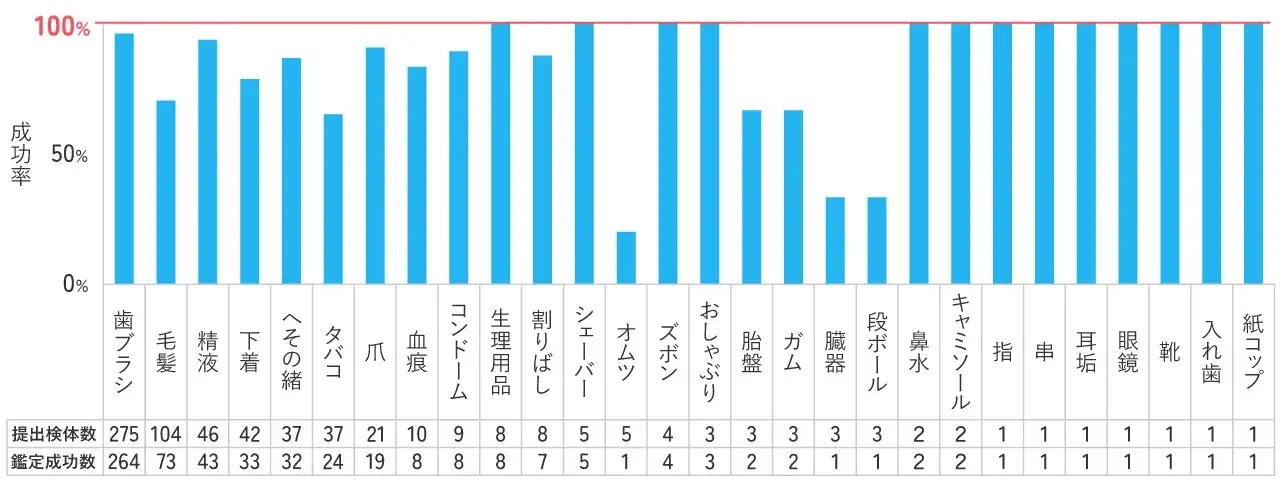
seeDNA Genetic Medicine Laboratory guarantees accuracy that exceeds international standards, even for prenatal paternity DNA testing using various samples.
While buccal swab samples can be analyzed using a fully automated system, samples other than buccal swabs require manual processing by technicians with an average of 10+ years of experience, which requires additional days*1 and fees.
*1: If submitted before the swab or blood samples, testing will begin earlier, reducing the additional days required.
Additional Timeline & Fees (Tax Incl.)
| Type | Collection Method | Additional Days | Additional Fee |
|---|---|---|---|
| Buccal Mucosa (Swab Collection) | A buccal swab rubbed back and forth 10 times vertically and horizontally against the inside of the cheek (Sterile swabs are included in the DNA testing kit we mail to you) | +0 days | 0 yen |
| Blood | At least 0.001 ml of blood collected and treated with EDTA | +2 days | 33,000 yen |
| Semen | Tissue paper, condom, cloth, etc., with semen attached (stored dry or frozen) | +2 days | 33,000 yen |
| Cigarette Butt | At least 1 cigarette butt (3 for prenatal DNA testing) Storing in a dry state at room temperature is recommended | +2 days | 33,000 yen |
| Paper Cup | Using the area where the subject's mouth made contact Storing in a dry state at room temperature is recommended | +2 days | 33,000 yen |
| Hair / Body Hair | At least 3 hairs or body hairs with roots attached (5 or more is recommended; naturally fallen hair is not accepted) | +2 days | 33,000 yen |
| Bloodstain | Tissue paper, condom, cloth, sanitary pad, etc. with bloodstains of 0.5 cm or more in diameter | +2 days | 33,000 yen |
| Toothbrush | Used at least once and dried naturally | +2 days | 33,000 yen |
| Nail | At least 5 pieces of fingernails/toenails cut with nail clippers, measuring 0.2 cm or more | +2 days | 33,000 yen |
| Umbilical Cord | Dry umbilical cord (0.5 cm or more in length is recommended) ※ We have successfully obtained clear results even from an umbilical cord stored at room temperature for 110 years | +2 days | 33,000 yen |
| Earwax | Earpick or cotton swab with at least 2 mg of earwax attached | +2 days | 33,000 yen |
| Chewing Gum | Collect sugarless or regular gum chewed for at least 5 minutes without touching it directly with bare hands | +2 days | 33,000 yen |
| Nasal Secretions (Mucus) | One sheet of tissue paper used to blow nose (stored dry) | +2 days | 33,000 yen |
| Chopsticks | Disposable chopsticks dried in the air after being used for a meal | +2 days | 33,000 yen |
| Shaver / Razor | The head portion of an electric shaver (can be tested even if washed with water) | +2 days | 33,000 yen |
| Bone (Uncremated) | Human bone that has not been cremated | +30 days | 100,000 yen |
| Bone (Cremated) | Cremated human bone ※ Only available for "Special DNA Testing" | +10 days | 33,000 yen |
| Tooth | Extracted tooth (teeth over 100 years old are acceptable) | +3 weeks | 50,000 yen (Consultation) |
| Diaper | Used diaper opened and completely dried | +2 days | 33,000 yen |
| Other | Tissue slices or sections, etc. | +2 days to 4 weeks | (Consultation) |
(Sterile swabs are included in the DNA testing kit we mail to you)
Storing in a dry state at room temperature is recommended
Storing in a dry state at room temperature is recommended
※ We have successfully obtained clear results even from an umbilical cord stored at room temperature for 110 years
※ Only available for "Special DNA Testing"
※ If preserved under good storage conditions, DNA testing can be performed even on items over a million years old.
Storing samples in a wet state at room temperature or exposing them to direct sunlight (UV rays) increases the risk of not obtaining clear results.
If you are considering testing, please consult with our professional staff as early as possible.

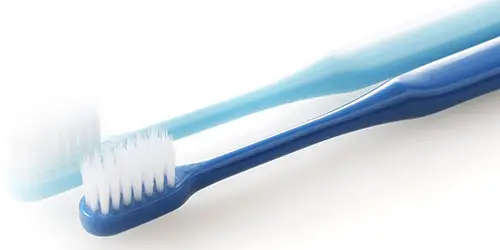
Toothbrush (Interdental Brush, Floss)
The most common and representative sample with the highest track record
Testing is possible if used at least once.
The shorter the storage period, the higher the test success rate. As long as it is washed with water and stored dry at room temperature, it can be tested without issues.
If stored for 3 months or longer, or stored wet at room temperature, the risk of DNA degradation increases.

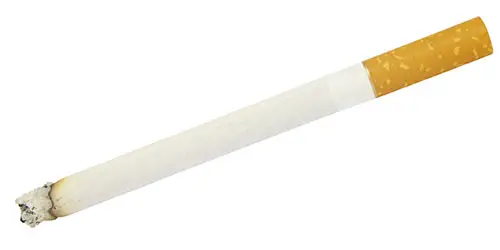
Cigarette (Paper Cigarette, E-Cigarette)
Success rate varies depending on smoking habits
Please provide at least 1 cigarette filter (3 for prenatal DNA testing) that has been smoked directly by mouth.
Please dry the filter thoroughly and avoid touching it directly with your hands.
Since everyone has different smoking habits, it may be difficult to collect DNA if the filter was touched by the mouth only briefly.

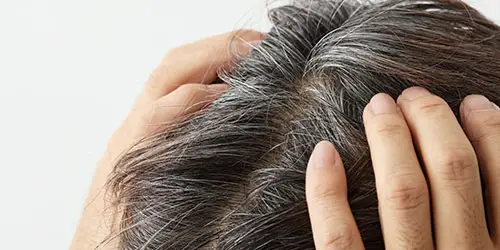
Hair (Body Hair)
The key point is the presence of the "root"
For DNA testing, the hair must have the hair follicle (root) attached. Please submit hair with roots.
Hair without roots can be used as a sample for maternal lineage testing or identity verification testing.

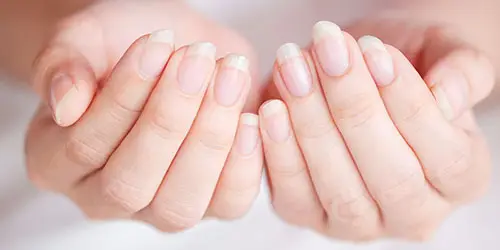
Nail
It is recommended to provide at least 5 pieces of fingernails or toenails cut with nail clippers, measuring 0.2 cm or more.
As a guideline, please submit nails collected within the past month.

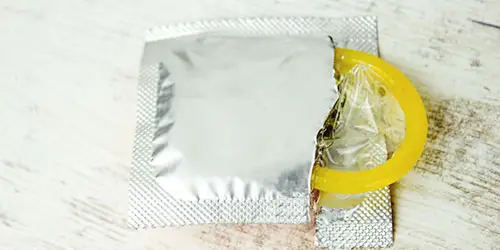
Semen / Body Fluid
Testing can be performed using tissue paper, condoms, underwear, etc., with semen or body fluid attached.
For semen collected in a condom, you can drop the semen onto a tissue, apply it to a testing swab, or tie the condom opening and return it.
If the semen has come into contact with a female body, multiple DNA profiles may mix, raising the risk of the test being inconclusive.
Sample Collection Methods
Samples required for DNA testing are called specimens.<br />Please check the video for correct collection and storage methods.
※ The video states "4 specialized swabs per subject" under "1. Buccal Swab Collection Method," but the correct quantity is "2 specialized swabs per subject."
An explanation video demonstrating buccal swab sample collection methods in 4 minutes.
- 0:00~ What is a sample? (Specimen explanation)
- 0:40~ Buccal swab sample collection method
- 2:05~ Samples other than buccal swabs (Special specimens)
- 2:38~ Example: Toothbrush storage & return method
- 3:10~ Blood collection method (Prenatal DNA testing)
Desirable Sample Collection Cases
Rest assured that testing is possible unless the sample is left wet at room temperature for a day or more, or is kept in extremely poor storage conditions.
*2: The amount of DNA required for a single test is one-billionth of a gram (1 ng).
Recommended Cases
- The father candidates are in a sibling or parent-child relationship.
- There are multiple father candidates.
- Pregnancy was achieved through artificial insemination or IVF.
- There were multiple partners around the time of conception.
※ If you have any questions, please feel free to consult with us.