
What is 1p36 Deletion Syndrome?
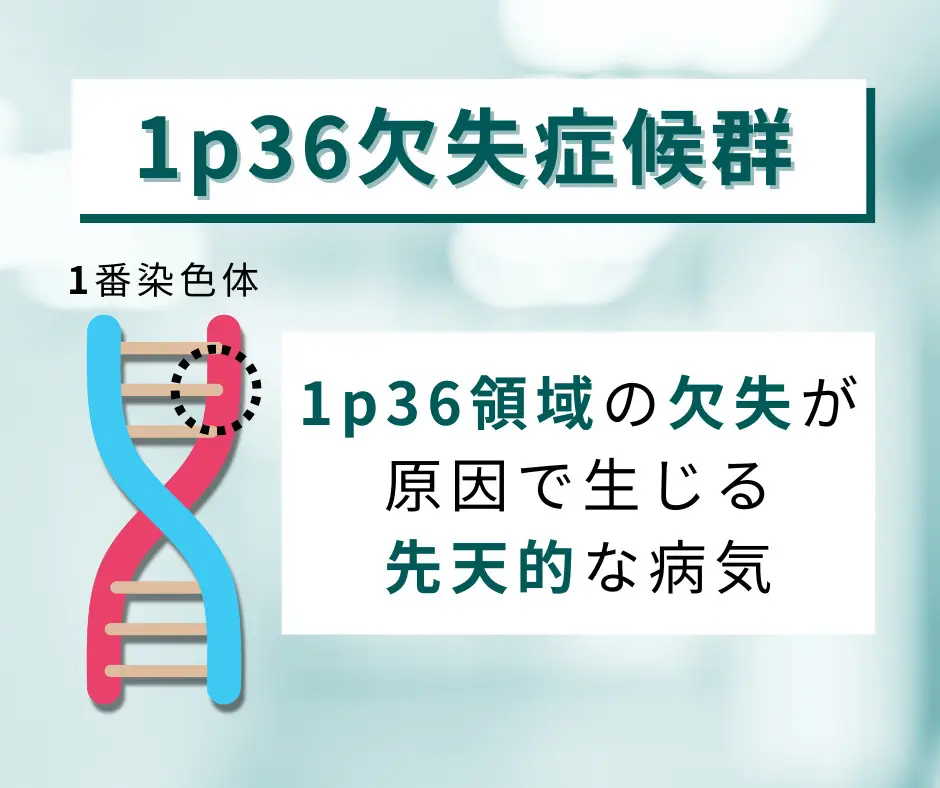
1p36 deletion syndrome is a congenital disorder caused by a deletion of the terminal portion of the short arm (p arm) of chromosome 1.
Since it was first reported in 1980, this disorder has been recognized as one of the most frequently occurring terminal deletion syndromes.※1
1p36 deletion syndrome is a chromosomal abnormality that draws significant attention in prenatal diagnosis, and its incidence is said to be approximately 1 in 5,000 to 10,000 births.※2
The hallmark of this syndrome is that the deleted region of the chromosome contains many crucial genes, which has a profound impact on neurological development, the heart, and growth. Genes located in the 1p36 region include PRDM16, KCNAB2, RERE, UBE4B, and CASZ1, which play vital roles in development.※3
Symptoms and Characteristics
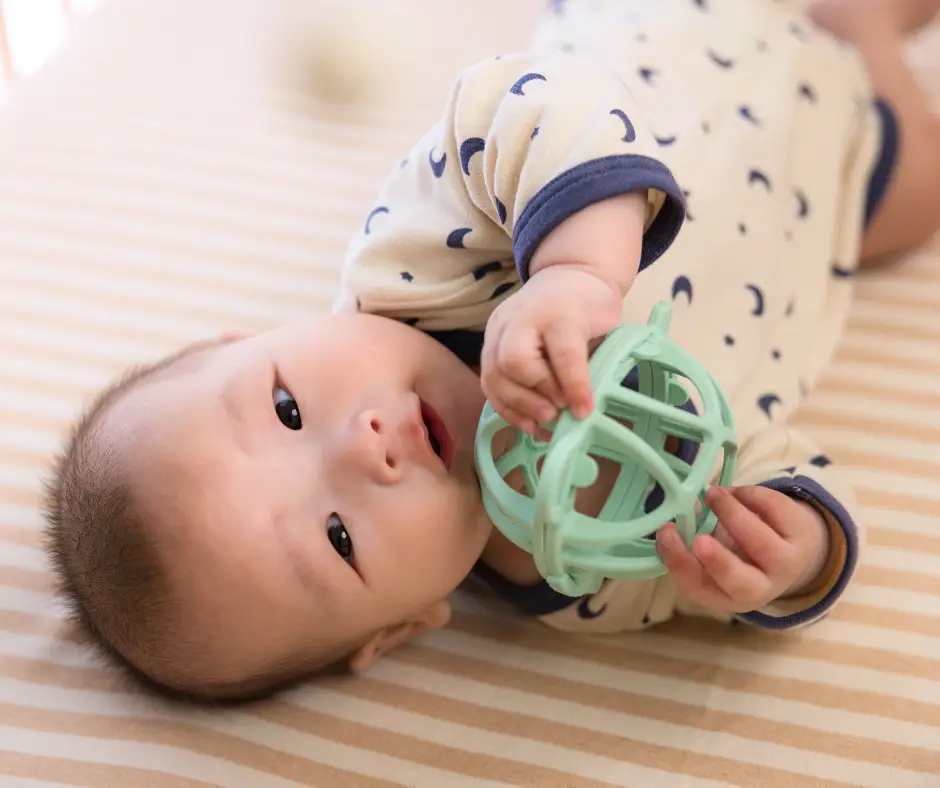
Symptoms of 1p36 deletion syndrome vary widely, but they primarily manifest as developmental delay, intellectual disability, characteristic physical features, and complications.
◆ Development and Intellectual Function
This disorder is a genetic disease characterized mainly by delayed intellectual development.
Severe delays are observed in language development, with many patients either being non-verbal or only acquiring a few words.
Additionally, due to communication difficulties, emotional control can be challenging, leading to behavioral traits such as temper tantrums and self-injurious behavior (e.g., biting wrists).※4
In terms of motor development, the acquisition of sitting and walking is significantly delayed, and in about half of the cases, walking independently remains difficult even after the age of 4.※5
◆ Physical Characteristics
This disorder presents a characteristic facial appearance. The head is small (microcephaly) and shows a shape that is short front-to-back and wide side-to-side compared to its size (brachycephaly).
Facial features include deep-set eyes, straight eyebrows, midface hypoplasia, and a broad, flat nasal bridge.
Additionally, the groove between the nose and upper lip (philtrum) is long, and the chin is pointed. Ears are commonly low-set and abnormally shaped, tilting backward.※4
◆ Complications
Congenital heart disease occurs in about 43 to 71% of cases, with ventricular septal defect (14%) and patent ductus arteriosus (12%) being the most common.
Furthermore, epilepsy is seen in 44 to 58% of cases, and abnormalities in vision or hearing may also occur.※2
Diagnosis Methods
◆ Prenatal Diagnosis
In recent years, Non-Invasive Prenatal Testing (NIPT) using next-generation sequencers (NGS) has advanced, enabling high-precision detection of 1p36 deletion syndrome.
By analyzing maternal blood containing fetal-derived DNA, deletions of approximately 3Mb or larger can be detected with a sensitivity of 98.4%.※6
However, NIPT performance varies by study, with reports of sensitivity at 20-100%, specificity at 81.62-100%, and positive predictive value (PPV) at 3-100%, making it important to understand the limitations of the test before proceeding.※7
If a positive result is obtained, definitive diagnosis is carried out via amniocentesis or chorionic villus sampling.
◆ Postnatal Diagnosis
If 1p36 deletion syndrome is suspected after birth, a chromosome test is performed via blood testing based on characteristic facial features and symptoms.
G-banding has long been the standard chromosomal test, but it has limitations in detecting microdeletions.
Therefore, FISH (Fluorescence In Situ Hybridization) is used in combination to improve detection accuracy.
However, even with these methods, some cases may be missed, and identifying the exact range of the deletion can be difficult.
Currently, chromosomal microarray analysis is considered the most reliable method.
This test allows for high-precision identification of microdeletions that are difficult to detect using conventional methods, enabling detailed analysis of the deletion range.※8
Treatment and Support

While there is no curative treatment for 1p36 deletion syndrome, appropriate management and support tailored to symptoms can significantly improve the quality of life.
◆ Medical Management
Heart disease is managed through surgical or medical interventions.
Epilepsy is managed with antiepileptic medications, and seizures are well-controlled in approximately 80% of cases.※9
◆ Developmental Support and Special Education
According to the experiences of many parents, effective learning methods for children with 1p36 deletion syndrome include:
learning utilizing music, visual stimuli (light and colors), visual aids, and especially tactile learning materials.
In educational guidance, it is crucial to have plenty of patience, repeat learning activities, and provide active praise and encouragement.
Additionally, touchscreen computers can be effective tools for learning support.
Some children are capable of drawing simple lines and shapes, and acquiring reading and writing skills.※10
◆ Genetic Counseling and Family Support
In about 20% of cases, 1p36 deletion syndrome is inherited from a parent carrying a chromosomal rearrangement.※4
In such cases, receiving genetic counseling can help families gain a detailed understanding of the disorder and explanations of recurrence risks.
Patient and family associations offer opportunities to exchange information and support one another.
Support systems tailored to growth, including welfare services, special education, and special needs schools, are also available.
Latest Research Trends
Research on 1p36 deletion syndrome is progressing, particularly with analyses regarding the PRDM16 gene.
This has revealed its involvement in growth failure and metabolic abnormalities.※4
Additionally, research using iPS cells is underway, and it is hoped that in the future, the development of gene therapy and regenerative medicine technologies will lead to the creation of curative treatments.
Summary
Although 1p36 deletion syndrome causes delayed intellectual development, growth delays, and heart diseases, early diagnosis and appropriate support can significantly improve the quality of life.
With advancements in the latest prenatal diagnosis technologies and treatments, patients and their families can receive high-quality support.
Moreover, mutual support systems by patient and family associations, welfare services, and social support systems such as special needs education are well-established, creating an environment for patients and families to build a better life.
References
- ※1: Am J Hum Genet., Sep. 1997.
- ※2: Am J Med Genet A., Nov. 2022.
- ※3: Appl Clin Genet., Aug. 2015.
- ※4: MedlinePlus Genetics, Bethesda (MD): National Library of Medicine (US), 2020.
- ※5: Ann Child Neurol., Aug 2020.
- ※6: PLoS One., Aug. 2020.
- ※7: J Clin Med., Jun. 2022.
- ※8: Intractable Disease Information Center, Japan Intractable Diseases Research Foundation.
- ※9: Epilepsia., Mar. 2008.
- ※10: Rare Chromosome Disorder Support Group.
Detect 8 Genetic Disease Risks at Japan's Lowest Cost: Non-Invasive Prenatal Testing (NIPT)
Understand the genetic disease risks of your baby
seeDNA's Reliable Support
seeDNA is a specialized DNA testing and genetic analysis institution that has obtained international quality standard ISO9001 and PrivacyMark (P-Mark) for privacy protection.
If you are concerned about your baby's disease risk, biological parentage relations, or partner's infidelity, our genetic testing specialists will support you to ensure peace of mind, so please feel free to contact us.
[Free consultation with expert staff]
If you have any questions, please feel free to contact our toll-free number.
0120-919-097\Open on weekends too/
Hours: Mon-Sun 9:00-18:00
(excluding public holidays)
Tasuku Hiroshige
M.D., Ph.D., Specialist and Instructor of the Japanese Urological Association, Certified Physician of the Japanese Society of Clinical Oncology, Specialist of the Japanese Society of Anti-Aging Medicine, Certified Industrial Physician of the Japan Medical Association, Certified Physician of the Japanese Society of Chemotherapy, Certified Physician of the Japanese Society for Sexually Transmitted Infections, Certificate of da Vinci system Training As a Console Surgeon, etc.
Graduated from Kagoshima University Faculty of Medicine in 2010 and has extensive clinical experience as a urologist. In addition to clinical work, actively engaged in academic activities including conference presentations, paper writing, and research grant acquisition. Holds specialist certifications in a wide range of fields including urology specialist/instructor, cancer treatment, anti-aging medicine, and infectious disease treatment. Utilizing his rich medical knowledge and skills accumulated so far, he provides medical care close to each patient.