
Last revised: October 5, 2025
NIPT (Non-Invasive Prenatal Testing) is a non-invasive screening test that estimates a fetus's chromosomal abnormality risk from a pregnant woman's blood. Although highly accurate, it is not a definitive diagnosis, and a positive result requires confirmation with tests such as amniocentesis. This article explains the test's mechanism, accuracy, limitations, and ethical issues in detail.
- ・The Basics of NIPT (Non-Invasive Prenatal Testing): How the Test Works and Who It's For
- └ 1. What Is NIPT? Defining a Non-Invasive Screening Test
- └ 2. The Principle Behind the Test: Analyzing Fetal-Derived cfDNA
- └ 3. What NIPT Can Tell You: Conditions Covered by the Screening
- ・The Accuracy and Limitations of NIPT: Understanding It Correctly
- └ 1. Positioned as a Screening Test: Why It Isn't a Definitive Diagnosis
- └ 2. Metrics for Evaluating Test Accuracy: Sensitivity, Specificity, and Positive Predictive Value (PPV)
- └ 3. Causes of False Positives and False Negatives
- ・Comparison with Other Prenatal Tests
- └ 1. Comparison with Other Non-Definitive Tests
- └ 2. Comparison with Definitive Tests: Amniocentesis and Chorionic Villus Sampling
- ・The Place of NIPT in Japan's Healthcare System and Society
- └ 1. Japan's Guidelines and Accreditation System
- └ 2. The Importance of Genetic Counseling
- └ 3. Ethical and Social Issues Raised by NIPT
- ・The Cost of NIPT and the Testing Process
- └ 1. The Cost of NIPT
- └ 2. The General Testing Process
- ・Conclusion and a Message for Those Considering the Test
The Basics of NIPT (Non-Invasive Prenatal Testing): How the Test Works and Who It's For

1. What Is NIPT? Defining a Non-Invasive Screening Test
NIPT (Non-invasive Prenatal genetic Testing), also called "non-invasive prenatal genetic testing," is a test that examines the risk of chromosomal abnormalities in a fetus using a pregnant woman's blood. Since it was introduced clinically in the United States in 2011, it has spread rapidly around the world, and in Japan it began as clinical research in 2013(1).
The defining feature of this test is that it is "non-invasive." This means it can be performed simply by drawing about 10-20 mL of blood from the mother's arm, just like an ordinary blood test, without any physical burden such as inserting a needle into the abdomen. As a result, compared with definitive tests such as chorionic villus sampling or amniocentesis, a major advantage is that the risk of miscarriage or stillbirth is essentially zero(2).
However, NIPT is ultimately positioned as a "screening test." A screening test is one that estimates whether the risk of a particular condition is "high or low"; it does not provide a "definitive diagnosis" of whether the fetus actually has that condition. This is the most important point to understand correctly about NIPT. If NIPT returns a positive result, a definitive test such as amniocentesis or chorionic villus sampling, described later, is always required to confirm the diagnosis. Making a major decision about continuing the pregnancy based on NIPT results alone is not recommended, either medically or ethically(3).
2. The Principle Behind the Test: Analyzing Fetal-Derived cfDNA
The core mechanism of NIPT lies in analyzing "cfDNA (cell-free DNA)" present in the mother's blood. cfDNA refers to short fragments of DNA released into the bloodstream when cells naturally die (apoptosis)(4).
During pregnancy, a mixture of DNA fragments derived from the mother's own cells and DNA fragments derived from placental cells circulate in the mother's blood. Because placental cells originate from trophoblast cells that differentiated from the fertilized egg, they generally carry genetic information nearly identical to that of the fetus. Analyzing this placenta-derived cfDNA makes it possible to estimate part of the fetus's genetic information(2).
In the actual testing process, cfDNA is first extracted from the collected blood, and the number of DNA fragments is comprehensively measured and analyzed using an advanced genetic analysis device called a "next-generation sequencer (NGS)." NGS is an innovative technology capable of reading millions to billions of DNA fragments simultaneously, and this massively parallel analytical capability underpins the high accuracy of NIPT. By examining whether the number of DNA fragments derived from a particular chromosome is statistically higher or lower than expected, the test determines the likelihood of an abnormality in chromosome number (aneuploidy)(5).
For example, Down syndrome (trisomy 21) is a condition in which there are three copies of chromosome 21 instead of the usual two. NIPT estimates this possibility by detecting that the amount of cfDNA derived from chromosome 21 is statistically and significantly higher than the amount predicted from other chromosomes. This analytical method is also known as "massively parallel sequencing (MPS)" or "whole-genome sequencing."
The accuracy of the test depends heavily on the proportion of placenta-derived cfDNA in the maternal blood (the "fetal DNA fraction," or "fetal fraction"). The fetal fraction tends to increase as gestational age advances, and a fetal fraction of at least 4% is generally considered necessary to obtain a reliable result. When this proportion is low, accurate determination becomes difficult, which is why testing is generally recommended from the 10th week of pregnancy onward. It is also known to be affected by the mother's build (a higher BMI tends to lower the fetal fraction) and the state of the pregnancy(6).
3. What NIPT Can Tell You: Conditions Covered by the Screening
In Japan, facilities that comply with the prenatal testing accreditation system operated by the Japanese Association of Medical Sciences (hereafter, "accredited facilities") generally limit the scope of NIPT to the following three autosomal trisomies(1)(3).
- Trisomy 21 (Down syndrome): A condition in which there are three copies of chromosome 21. It is the most common autosomal trisomy and can involve intellectual disability, characteristic facial features, and congenital heart disease.
- Trisomy 18 (Edwards syndrome): A condition in which there are three copies of chromosome 18. It involves severe developmental disability and malformations of multiple organs, and the prognosis is very poor.
- Trisomy 13 (Patau syndrome): A condition in which there are three copies of chromosome 13. It involves severe malformations of the brain and heart, cleft lip and palate, and an extremely poor prognosis.
These conditions are known to occur more frequently as maternal age increases. This is because errors in chromosome distribution during egg meiosis (chromosomal nondisjunction) become more likely with age(7).
However, Japan's NIPT market also includes some private testing providers that do not comply with the official guidelines, and these offer a broader range of testing services.
For example, seeDNA Genetic Medical Research Institute has publicly stated that, in addition to the three trisomies above, it includes in its testing scope sex chromosome aneuploidies such as Turner syndrome and Klinefelter syndrome, aneuploidies across all chromosomes 1 through 22, and even microdeletion syndromes. This situation suggests that while official guidelines limit the testing scope out of careful ethical consideration, advances in technology and the diverse needs of pregnant women are driving broader testing services outside the bounds of those guidelines.
To help you better understand what these test results mean, the medical and social background of the conditions covered is summarized below.
| Condition | Incidence (Japan) | Main Symptoms / Prognosis |
|---|---|---|
| Trisomy 21 (Down syndrome) | 1 in 2,000 births at maternal age 20; 1 in 100 at maternal age 40 | Involves intellectual disability and congenital heart disease (present in about 50% of cases)(8). Thanks to medical advances, average life expectancy has extended to roughly 60 years, but attention to respiratory infections and lifestyle-related diseases remains necessary(9). |
| Trisomy 18 (Edwards syndrome) | 1 in 3,500-8,500 births | About 50% have severe congenital heart disease. Some reports indicate that approximately 85% of fetuses die in utero after the 10th week of pregnancy. Even when born, the prognosis is very severe: more than half die within the first week of life, and 90-95% die by age one. However, in recent years, cases with improved outcomes due to active medical intervention have also been reported(10). |
| Trisomy 13 (Patau syndrome) | Unknown (third most common after trisomy 21 and trisomy 18) | Involves severe heart disease, brain malformations, and cleft lip and palate. The prognosis is very severe: about 80% die within the first month of life, and fewer than 10% survive beyond one year. However, in recent years, cases of survival beyond 10 years have increasingly been reported thanks to active treatment(10). |
The Accuracy and Limitations of NIPT: Understanding It Correctly

1. Positioned as a Screening Test: Why It Isn't a Definitive Diagnosis
NIPT is a highly accurate test, but it is not 100% accurate. Therefore, even if a result comes back "positive," it only indicates a "high likelihood that the fetus has the condition in question" and is not an absolute diagnosis. For this reason, when a positive result is obtained, it is recommended that an invasive test such as chorionic villus sampling or amniocentesis be performed for a definitive diagnosis(2).
The fundamental reason NIPT does not constitute a definitive diagnosis is that the test analyzes placenta-derived cfDNA rather than the fetus's own cells. Although the placenta and the fetus are genetically nearly identical, there are cases where they do not fully match, which can introduce discrepancies into the test results. This mechanism is explained in more detail in "Causes of False Positives and False Negatives" below.
Because NIPT is a screening test, results are reported as one of "positive," "negative," or "no-call." A "no-call" result is issued when sufficient analysis could not be performed due to an insufficient fetal fraction or other technical reasons, and retesting or additional testing is recommended in that case.
2. Metrics for Evaluating Test Accuracy: Sensitivity, Specificity, and Positive Predictive Value (PPV)
To correctly understand the accuracy of NIPT, it helps to know the following three key metrics. These are statistical concepts used broadly across screening tests.
- Sensitivity: This refers to the probability that the test result is correctly positive when the fetus actually has the chromosomal abnormality. For trisomy 21 (Down syndrome), large-scale studies have confirmed that NIPT's sensitivity exceeds 99%(2). In other words, NIPT can detect nearly all fetuses that actually have Down syndrome.
- Specificity: This refers to the probability that the test result is correctly negative when the fetus does not have the chromosomal abnormality. For trisomy 21, NIPT's specificity is also above 99%. This shows that the test is highly accurate at correctly identifying fetuses without the abnormality as "normal."
- Positive Predictive Value (PPV): This is the probability that the fetus actually has the condition in question when the test result is positive(8). What matters most about this metric is that it varies greatly depending on the mother's age and the prevalence (prior probability) of the condition. Even when NIPT's sensitivity and specificity are both 99%, if the condition being tested for is inherently very rare, the proportion of "false positives" among positive results will be higher.
For example, the positive predictive value for trisomy 21 rises markedly with age: about 61.3% for a 30-year-old mother, about 79.9% at age 35, and about 93.7% at age 40(8).
What this data shows is that when a younger pregnant woman receives a positive NIPT result, it is comparatively more likely to be a "false positive" — meaning the fetus may not actually have a chromosomal abnormality. For instance, for a 30-year-old woman with a positive predictive value of about 61.3%, this means that about 38.7% of those who test positive on NIPT actually do not have trisomy 21 in the fetus — a "false positive." This fact provides strong grounds for not simply concluding "NIPT is highly accurate" and taking the result at face value, but instead always pursuing a definitive diagnosis (amniocentesis or chorionic villus sampling)(3).
Because trisomy 18 and trisomy 13 have lower prevalence than trisomy 21, their positive predictive values tend to be even lower. It should also be noted that NIPT's accuracy for sex chromosome aneuploidies and microdeletion syndromes is generally lower than for the three major trisomies(5).
3. Causes of False Positives and False Negatives
Understanding the main causes of false positives and false negatives in NIPT results is essential to interpreting them correctly.
One of the most important causes is a phenomenon called "Confined Placental Mosaicism (CPM)." This is a condition in which a chromosomal abnormality exists only in part of the placenta, even though the fetus's own chromosomes are normal. Confined placental mosaicism is thought to occur in about 1-2% of all pregnancies(11). Because NIPT analyzes placenta-derived cfDNA, this abnormal placental DNA can be detected, resulting in a "false positive."
Conversely, it has also been noted that if the placenta is normal but a mosaic state exists only in the fetus, a "negative" test result may actually be a "false negative" even though the fetus does have an abnormality(11).
Other known causes of false positives and false negatives include the following.
- Vanishing twin: In twin pregnancies, if one fetus is lost early on, abnormal cfDNA from the lost fetus may remain in the mother's blood and cause a false positive.
- Maternal chromosomal abnormality or tumor: If the mother herself has a mosaic chromosomal condition, or has a benign or malignant tumor, abnormal cfDNA derived from the tumor can be a source of false positives.
- Insufficient fetal fraction: If the proportion of fetal-derived cfDNA in the mother's blood is low, sufficient analytical accuracy cannot be achieved, raising the risk of a false negative.
Because multiple such factors exist, it is important to understand that NIPT results are not 100% accurate, and that when a result is positive, it must always be confirmed through a definitive diagnostic test.
Comparison with Other Prenatal Tests

1. Comparison with Other Non-Definitive Tests
NIPT boasts markedly higher accuracy than other non-definitive tests (screening tests). Currently, the main non-definitive prenatal tests available in Japan are NIPT, detailed fetal ultrasound (including nuchal translucency, or NT, measurement), maternal serum marker testing (such as the quadruple test), and the combined test, which combines ultrasound with serum markers(1).
Comparing testing timing: detailed fetal ultrasound in early pregnancy is performed around weeks 11-13, and maternal serum marker testing around weeks 15-17, whereas NIPT can be performed from week 10, allowing results to be obtained at an earlier stage. Getting results earlier is a major advantage, as it gives the mother and her family more time to consider their next steps.
Comparing sensitivity: NIPT's sensitivity for trisomy 21 exceeds 99%, whereas the sensitivity of maternal serum marker testing (the quadruple test) is only about 81%(2). The combined test (NT measurement plus serum markers) has a sensitivity of roughly 85-90%, showing that NIPT is considerably more accurate. Thanks to this high sensitivity and specificity, when NIPT returns a negative result, the likelihood that the fetus has the chromosomal abnormality in question is very low (the negative predictive value is close to 100%)(5).
That said, while NIPT is limited to chromosomal abnormalities, ultrasound can also detect structural abnormalities unrelated to chromosomes (such as heart or brain malformations). NIPT and ultrasound are therefore complementary, and it is important to understand that prenatal testing is not complete with either one alone.
2. Comparison with Definitive Tests: Amniocentesis and Chorionic Villus Sampling
Whereas NIPT is a screening test, amniocentesis and chorionic villus sampling are "definitive tests" that provide a diagnosis on their own. These tests directly collect fetal cells and perform chromosome analysis (G-banding or FISH) or microarray analysis, allowing a definitive diagnosis of chromosomal abnormalities with nearly 100% accuracy(3).
However, because these tests involve an "invasive" procedure — inserting a needle through the abdomen — they carry a small but real risk of miscarriage or stillbirth. Chorionic villus sampling carries a miscarriage risk of 0.2-1%, and amniocentesis a risk of 0.1-0.3%, though reports suggest these risks have declined further with advances in ultrasound guidance technology and the skill of experienced physicians(12).
Chorionic villus sampling is performed around weeks 11-14 of pregnancy by collecting a portion of the placenta (chorionic villi), and — like NIPT — has the advantage of being performed early in pregnancy. Amniocentesis, on the other hand, is performed around weeks 15-18 by collecting fetal cells from the amniotic fluid, so it takes longer for results to become available.
NIPT serves as an "entry point" for deciding whether an invasive definitive test is needed. Before NIPT became widespread, amniocentesis was often proposed directly whenever risk factors such as advanced maternal age were present. With the introduction of NIPT, it has become possible to avoid invasive testing when the screening result is negative, contributing significantly to reducing unnecessary miscarriage risk(2).
The characteristics of each prenatal test are summarized below, organized by item for clarity.
■ NIPT (non-definitive test)
- Method: Blood draw only
- Timing: Around weeks 10-16
- Degree of certainty: Estimate (screening)
- Miscarriage/stillbirth risk: Essentially zero
■ Chorionic villus sampling (definitive test)
- Method: Sampling a portion of the placenta
- Timing: Around weeks 11-14
- Degree of certainty: Nearly 100%
- Miscarriage/stillbirth risk: 0.2-1%
■ Amniocentesis (definitive test)
- Method: Sampling amniotic fluid
- Timing: Around weeks 15-18
- Degree of certainty: Nearly 100%
- Miscarriage/stillbirth risk: 0.1-0.3%
The Place of NIPT in Japan's Healthcare System and Society
1. Japan's Guidelines and Accreditation System
In Japan, the "Prenatal Testing Accreditation System" operated by the Japanese Association of Medical Sciences governs the provision of NIPT. This system was established in 2022, building on and expanding the earlier guidelines of the Japan Society of Obstetrics and Gynecology (from 2013 onward) into a more comprehensive framework(1).
Under this system, facilities offering the test must be accredited as either a "core facility," which maintains a robust genetic counseling framework, or an affiliated facility connected to one. Core facilities must meet strict requirements, including having board-certified clinical geneticists or certified genetic counselors on staff and the ability to provide definitive diagnostic testing following a positive result.
To avoid mass screening of an unspecified general population, accredited facilities previously restricted NIPT eligibility to certain conditions. Specifically, eligible candidates included women of advanced maternal age (35 or older at the expected delivery date), those for whom fetal ultrasound suggested a possible chromosomal abnormality, those for whom maternal serum marker testing suggested a possibility, and those with a prior pregnancy or birth involving a chromosomal abnormality. However, following the 2022 revision of the accreditation system, age restrictions have been trending toward relaxation, and a broader range of pregnant women can now receive testing at the discretion of core facilities(3).
Meanwhile, it is legally possible to undergo NIPT at medical institutions that do not participate in the accreditation system (so-called "non-accredited facilities"), and many such facilities offer testing without age restrictions. However, because genetic counseling arrangements at non-accredited facilities may not always be adequate, it is important to check a facility's counseling framework in advance before undergoing testing there.
2. The Importance of Genetic Counseling
Genetic counseling is considered mandatory both before and after undergoing NIPT. Genetic counseling is a specialized process that provides accurate medical information about genetics and supports the client (in this case, the pregnant woman and her family) in making autonomous decisions(13).
While NIPT is physically non-invasive, involving only a blood draw, its results can have a serious psychological and emotional impact on the mother and her family. In the case of a false positive in particular, the anxiety and stress caused by a positive result can be an immeasurable burden. Cases have been reported in which mothers experience severe anxiety or depression during the waiting period before a definitive diagnosis.
Genetic counseling is an essential process for bridging the gap between this "physical non-invasiveness" and "psychological invasiveness." Specialists such as board-certified clinical geneticists and certified genetic counselors provide information and dialogue from a neutral, non-directive standpoint regarding the test's limitations (false positives and negatives), the statistical meaning of the results, and the options available if the result is positive (proceeding to a definitive diagnosis, planning post-birth medical care, psychological preparation, information about raising a child with a disability, and referrals to patient support organizations). This helps the mother make an informed, autonomous decision (informed choice) in line with her own values(1)(13).
Pre-test counseling provides a comprehensive explanation covering the purpose of the test, the conditions it screens for, its accuracy and limitations, the possible result patterns and what each means, the need for a definitive diagnosis, and the option of not undergoing testing at all. Post-test counseling provides more specific information and psychological support based on the actual results.
3. Ethical and Social Issues Raised by NIPT
The spread of NIPT raises a range of ethical and social issues for society as a whole. These issues extend well beyond purely medical questions, touching on society's values and how it supports people with disabilities.
- Concerns about "selecting life": NIPT has raised ethical concerns that prenatal diagnosis could lead to the "elimination of lives with disabilities." Japan's Maternal Health Protection Act does not explicitly permit induced abortion on the grounds of fetal disease or disability. Nevertheless, there are indications that a high proportion of women choose to terminate a pregnancy following a positive NIPT result, suggesting that some may be pressured into a decision without receiving sufficient information(14). Disability advocacy groups and people with disabilities have also expressed concern that the casual spread of NIPT could reinforce social prejudice against disability.
- The "slippery slope" concern: Concerns have also been raised that genetic technology is advancing far faster than society's ethical norms can keep pace with. While NIPT currently focuses mainly on chromosomal aneuploidy, it is technically possible that information about single-gene disorders or polygenic traits (such as height or intelligence) could become available in the future. As the scope of testing expands and more genetic information becomes available, new ethical questions constantly arise about "what kind of genetic information should be tested for" and "how that information should be handled."
- Information gaps and access: Broad testing services offered by facilities that do not comply with official guidelines may not always come with adequate genetic counseling. There have been reports of pregnant women undergoing testing based on inaccurate information found online and becoming confused when interpreting the results. In addition, NIPT is not covered by insurance and is paid entirely out of pocket, typically costing around 100,000-200,000 yen. This financial burden creates disparities in access to NIPT.
The Cost of NIPT and the Testing Process
For those considering NIPT, the cost and the specific testing process are important pieces of information. Here we explain the general process for undergoing NIPT.
1. The Cost of NIPT
NIPT is currently not covered by health insurance in Japan (out-of-pocket expense). As a result, the full cost of testing must be borne by the patient, and pricing varies by facility. As a general guide, basic testing covering the three trisomies typically costs around 100,000-150,000 yen, while expanded testing that includes sex chromosome aneuploidies and microdeletion syndromes typically costs around 150,000-250,000 yen.
Whether genetic counseling fees before and after the test are included in this price, or charged separately, varies by facility. The availability of subsidy programs for the cost of definitive testing (such as amniocentesis) following a positive result also varies by facility. seeDNA Genetic Medical Research Institute has established a program that partially subsidizes the cost of definitive diagnosis, helping to ease financial concerns.
Testing costs may be eligible for a medical expense deduction, so it is advisable to keep your receipts for tax filing purposes.
2. The General Testing Process
Undergoing NIPT generally follows the process below.
- Booking and consultation: Make a reservation with the facility performing the test. Many facilities allow booking by phone or through their website. It is a good idea to confirm the testing details and cost in advance at this stage.
- Pre-test counseling: After arriving at the facility, you will receive a detailed explanation from a genetic counselor or physician about the purpose of NIPT, the conditions it covers, its limitations, and the possible results and what they mean. After you have fully understood this information, your final decision about whether to proceed with testing is confirmed.
- Blood draw: About 10-20 mL of blood is drawn from your arm, just like an ordinary blood test. The test itself takes only a few minutes, and no special preparation, such as fasting, is generally required.
- Testing and reporting of results: The collected blood is sent to a specialized testing laboratory, where cfDNA analysis is performed. The time it takes to receive results varies by facility but is generally 1-2 weeks. Results are explained either in person or online.
- Post-test counseling: If the result is "positive," detailed counseling is provided on the meaning of the result (including the possibility of a false positive) and the options going forward, along with guidance toward a definitive test. Even if the result is "negative," an explanation of the residual risk is provided.
Conclusion and a Message for Those Considering the Test
NIPT is a groundbreaking test that can estimate the risk of major chromosomal abnormalities early and with high accuracy from a simple blood draw. Being available from as early as week 10 of pregnancy, combined with its essentially zero miscarriage risk, offers great reassurance to many pregnant women. However, to truly understand the value of this test, it is essential to be aware not only of its technical aspects but also of its limitations as a screening test, the possibility of false positives and false negatives, the fact that the positive predictive value varies with age and condition, and the psychological and ethical dimensions of the results it produces.
NIPT is by no means a test that can simply be labeled "something you should take" or "something you shouldn't take." It is something that the individual and her family should choose autonomously, based on their own values, after receiving sufficient information and support from specialists regarding the test's principles and limitations, Japan's healthcare system, and the social context surrounding it. Choosing not to undergo testing is a decision that deserves equal respect.
If a test result does come back positive, there is no need to carry that worry alone. At accredited facilities, genetic counseling following a positive result is, in principle, mandatory, and a consultation with a pediatric specialist is available if needed. In addition, some facilities, such as seeDNA Genetic Medical Research Institute, offer programs that partially subsidize the cost of a definitive diagnosis. Please remember that a positive result is not final, and that a variety of options and support remain available even after a definitive diagnosis.
NIPT can be one option to consider as you think about your upcoming pregnancy and birth. If you are considering the test, we sincerely recommend first consulting thoroughly with a specialist at a trusted medical institution. We hope that with the right knowledge and adequate support, you will be able to make the choice that is best for you.
\Find out your baby's genetic disease risk/
 Apply / Purchase Kit
Frequently Asked Questions
Q1. From what week of pregnancy can I take NIPT?
A. NIPT is generally available from week 10 of pregnancy onward. This is because the fetal-derived cfDNA (fetal fraction) in maternal blood reaches the concentration needed for testing around week 10. If the gestational age is too early, the fetal fraction may be insufficient, potentially preventing an accurate result. The upper limit for testing varies by facility, but many facilities recommend testing up to around week 16. If you have questions about the timing of the test, please consult the testing facility beforehand.
Q2. If NIPT comes back positive, does that mean my baby definitely has an abnormality?
A. No, a positive NIPT result does not necessarily mean the baby has a chromosomal abnormality. NIPT is a screening test, not a definitive diagnosis. In particular, for younger pregnant women, the positive predictive value (the probability that a positive result is actually correct) tends to be lower. For example, in the case of trisomy 21, the positive predictive value for a 30-year-old woman is about 61%. In other words, roughly four out of ten people who test positive actually have a "false positive," with no abnormality in the baby. Therefore, if you receive a positive result, it is essential to undergo a definitive test such as amniocentesis or chorionic villus sampling to confirm the diagnosis [ref:8].
Q3. What is the difference between NIPT and amniocentesis?
A. NIPT and amniocentesis differ fundamentally in nature. NIPT is a non-invasive screening test performed with a blood draw alone, estimating whether the risk is "high" or "low." Amniocentesis, on the other hand, is an invasive, definitive test that involves inserting a needle into the uterus to collect amniotic fluid, and it can provide a definitive diagnosis of chromosomal abnormalities with nearly 100% accuracy. However, amniocentesis carries a miscarriage risk of 0.1-0.3%. NIPT serves as a filter before amniocentesis, helping to avoid unnecessary invasive testing [ref:12].
Q4. Is NIPT covered by insurance?
A. Currently in Japan, NIPT is not covered by health insurance (out-of-pocket expense). As a result, the full cost of testing must be paid by the patient. Costs vary by test item and facility, but as a general guide, basic testing for the three trisomies costs around 100,000-150,000 yen, and expanded testing costs around 150,000-250,000 yen. Testing costs may be eligible for a medical expense deduction on your tax return, so we recommend keeping your receipts. In addition, seeDNA Genetic Medical Research Institute offers a program that partially subsidizes the cost of a definitive diagnosis following a positive result.
Q5. What should I do if my NIPT result comes back as "no-call"?
A. A "no-call" result is issued when the test result cannot be accurately determined for technical reasons, primarily an insufficient fetal fraction. In the case of a no-call, many facilities offer a free retest. If results still cannot be obtained after retesting, you would consider other screening or definitive tests in consultation with a genetic counselor or your physician. Factors that make a no-call result more likely include an early gestational age or a high BMI [ref:6].
Q6. Can I take NIPT if I am carrying twins?
A. Yes, it is possible to undergo NIPT even with a twin pregnancy. However, there are some points to be aware of compared to a singleton pregnancy. In a twin pregnancy, cfDNA from both fetuses is mixed together, which can reduce the sensitivity for detecting an abnormality present in only one of the twins. Interpretation may also differ between monochorionic twins (identical twins) and dichorionic twins (fraternal twins). Please check with the testing facility beforehand regarding the applicability of NIPT for twin pregnancies.
Q7. If my NIPT result is negative, can I be certain my baby has no abnormality?
A. A negative NIPT result is highly reliable, with a negative predictive value close to 100%. However, there remains a small possibility of a "false negative." In addition, NIPT primarily detects the specific chromosomal aneuploidies it targets and does not cover all chromosomal abnormalities, genetic mutations, or structural congenital abnormalities. For this reason, while a negative NIPT result is reassuring, it remains important to continue regular prenatal checkups and ultrasound examinations [ref:5].
seeDNA Genetic Medical Research Institute's Reassuring Support
seeDNA Genetic Medical Research Institute is a trusted specialist institution for DNA testing and genetic testing, holding ISO 9001 international quality certification and the Privacy Mark for data protection.
If you have concerns about family or parent-child biological relationships, or a partner's infidelity, our DNA testing experts are here to support you with the reassurance you need, so please feel free to contact us.
【Free Consultation with Our Specialist Staff】

If you have any questions,
please feel free to contact our toll-free line.
/Open every day, including weekends/
Business hours: Monday-Sunday 9:00 AM-6:00 PM
(excluding holidays)
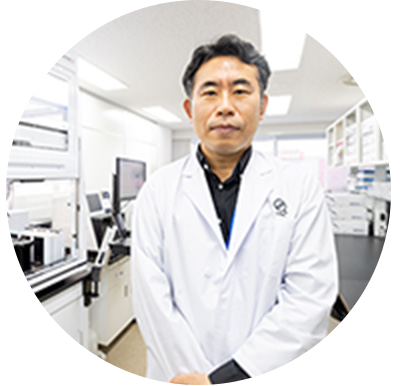 Author
Kihan Tomikin, M.D., Ph.D.
Graduated from the master's/doctoral program in Biosystem Studies (Molecular and Medical Bioscience), University of Tsukuba
In 2017, developed Japan's first prenatal DNA testing(Patent 7331325) using a trace-DNA analysis technology(Patent 7121440)
【References】
(2) The American Journal of Pathology, July 2014
(3) Japan Society of Obstetrics and Gynecology, Guidelines on Prenatal Genetic Testing Using Maternal Blood
(4) The Journal of Biological Chemistry, March 1997
(5) Iranian Journal of Allergy, Asthma, and Immunology, February 2014
(6) Psycho-oncology, November 2014
(7) Ministry of Health, Labour and Welfare, Maternal and Child Health Information
(8) The Journal of Biological Chemistry, April 2013
(9) Birth Defects Research Part A, Clinical and Molecular Teratology, December 2004
(10) Center for Information on Pediatric Chronic Diseases
(11) Iranian Journal of Allergy, Asthma, and Immunology, February 2014
(12) Current Opinion in Biotechnology, December 2014
(13) Japanese Society for Genetic Counseling
(14) Trials, September 2018