
Rewritten on: March 7, 2026
This article explains DNA testing success rates by sample type, based on data from over 50,000 cumulative tests. We reveal the success-rate ranking for special samples such as hair, toothbrushes, and cigarette butts, along with the proper storage methods that prevent a test from failing.
In criminal investigations and personal blood-relation confirmations (such as paternity testing), DNA testing serves as decisive evidence.
However, did you know that the success rate of a test can vary dramatically — from 0.1% to 99.9% — depending on which sample is used?
Based on analytical data drawn from more than 50,000 cumulative tests, this article reveals the success rates of DNA testing using everyday household items (hair, cigarette butts, toothbrushes, etc.) and the key points for avoiding failure. Through both scientific evidence and real-world performance data, we thoroughly explain how anyone considering a DNA test can accurately determine "which sample to prepare" and "how to store it to prevent failure." [ref:1]
DNA testing technology has advanced dramatically since 1985, when British geneticist Sir Alec Jeffreys announced "DNA fingerprinting" [ref:7]. The STR (Short Tandem Repeat) analysis method now in mainstream use simultaneously analyzes the repeat counts of short repeating sequences scattered across the human genome at multiple loci, identifying individuals with extremely high precision. Internationally, a database called CODIS (Combined DNA Index System) is in operation and has been adopted as a standard by law enforcement agencies worldwide, including the FBI [ref:8]. Understanding this technical background makes clear why the quality and quantity of a sample determines whether a DNA test succeeds or fails.
- ・The Truth About "Success Rate" and "Accuracy" in DNA Testing
- └ "Success rate" and "accuracy" are different concepts
- └ [By Sample Type] DNA Analysis Success Rate and Difficulty List
- ・Why Does the Success Rate Differ by Sample? — The Mechanism of DNA Degradation
- ・Ranking of Commonly Requested "Everyday Special Samples"
- ・Detailed Explanation of Each Sample and Collection Precautions
- └ Toothbrush
- └ Hair (with root)
- └ Cigarette butt
- └ Nails
- └ Other samples (earwax, umbilical cord, electric shaver, etc.)
- ・The Most Important Point for a Successful Test: Storage Method
- ・Scientific Evidence on DNA Degradation and Sample Storage
- ・Practical Checklist for Sending Samples
- ・International Quality Standards Supporting the Reliability of DNA Testing
The Truth About "Success Rate" and "Accuracy" in DNA Testing
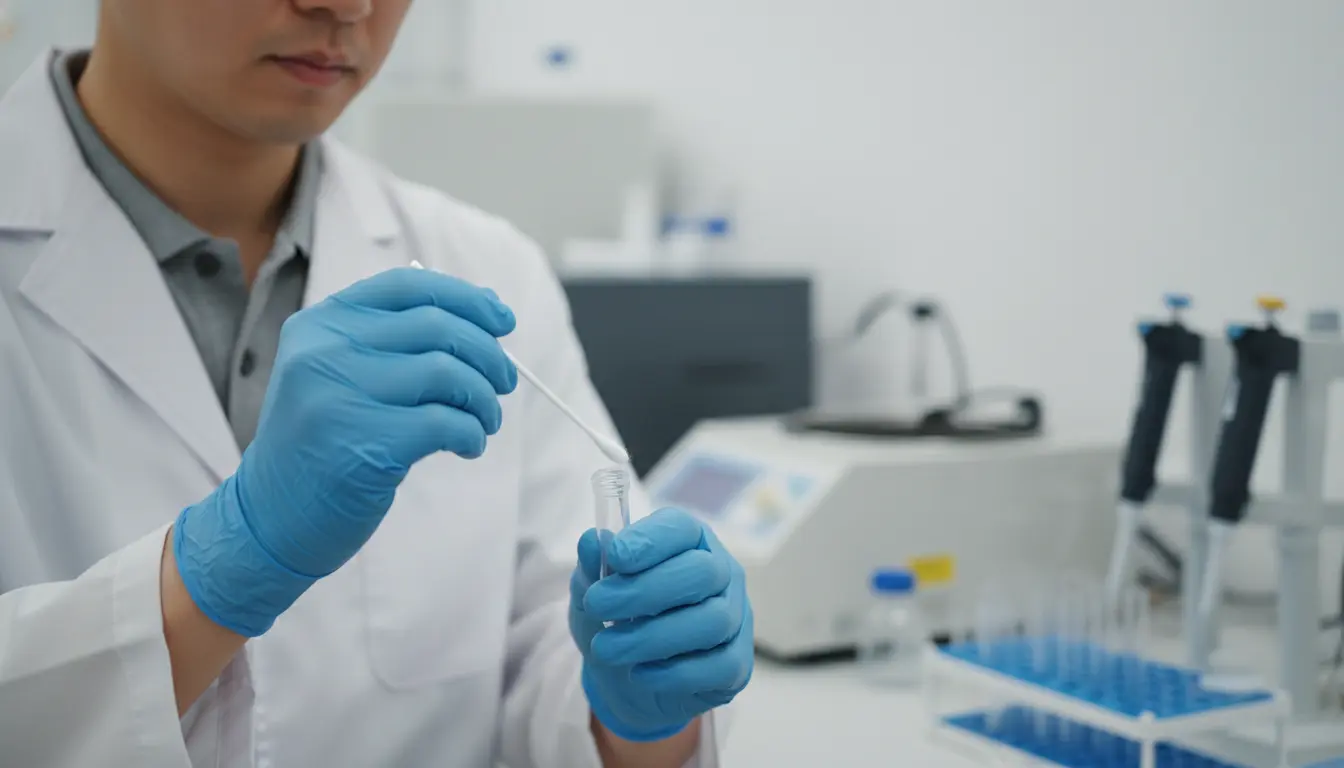 The most recommended sample for DNA testing is buccal (oral) epithelial cells. The method of rubbing the inside of the cheek with a dedicated swab is painless and reliably collects cells, giving it a success rate of nearly 100%. Because oral epithelial cells actively undergo turnover (cell renewal) every day, even a light rub with a swab collects thousands to tens of thousands of nucleated cells — more than enough for DNA analysis.
On the other hand, "special samples" (samples other than a swab), often used when testing without the other party's knowledge, show significant variation in success rate depending on storage condition and the amount of attached cells. Because special samples are, by definition, "non-standard samples," they always carry risks such as insufficient DNA quantity, DNA degradation, and contamination with a third party's DNA. For this reason, when using special samples, the choice of sample and its storage method become the single biggest factors determining whether a test succeeds. [ref:2]
In the field of forensic science, "Touch DNA" analysis — which identifies individuals from trace amounts of DNA — has been developing rapidly in recent years. Touch DNA refers to the technique of obtaining a DNA profile from the minute skin cells or sweat-gland secretions left behind when someone touches the surface of an object [ref:9]. Thanks to advances in this technology, results are increasingly obtainable even from samples once considered impossible to analyze — yet the basic principle that sample condition and storage method greatly affect the outcome still holds true.
"Success rate" and "accuracy" are different concepts
A common point of confusion for those considering a DNA test is the difference between "success rate" and "accuracy." Success rate refers to "the probability that a DNA profile can be obtained from the submitted sample," while accuracy refers to "how correct the judgment based on the obtained DNA profile is." With today's STR (Short Tandem Repeat) analysis method, as long as a DNA profile is successfully obtained, the accuracy of a paternity determination reaches 99.99% or higher. In other words, the single biggest variable affecting the reliability of a test is "whether DNA can be extracted from the sample — i.e., the success rate" — and this is directly tied to the type of sample and its storage condition. [ref:3]
To be specific, current standard paternity tests use a multiplex PCR method that simultaneously analyzes 15 to 24 STR markers. If clear peaks are detected at every locus, the Combined Paternity Index (CPI) typically exceeds one million to one — that is, a conclusion is reached with accuracy exceeding 99.9999%. However, if the DNA quantity in the sample is insufficient, or if degradation means a profile can only be obtained for some loci, statistical reliability drops, and the final result may become "inconclusive." In this sense, questions of accuracy are a matter of calculation that only arise after a DNA profile has been obtained — if no profile can be obtained in the first place, accuracy cannot even be discussed. This is precisely why raising the "success rate" is the top priority for anyone requesting a test.
[By Sample Type] DNA Analysis Success Rate and Difficulty List
Based on data from specialist laboratories, the approximate success rates for major sample types are as follows. [ref:1]
■ Success rate: Very high
Oral epithelial cells (swab) / tissue with semen / feminine hygiene products
A dedicated kit is the most reliable option. Semen and menstrual blood contain large numbers of cells and, if relatively fresh, can be detected with a very high probability. Sperm cells in semen contain tens of millions to hundreds of millions of nucleated cells per mL, making the DNA quantity extremely abundant.
■ Success rate: High
Toothbrush / hair (with root) / electric shaver / umbilical cord
These tend to have a high cell count because mucous membranes or skin are strongly rubbed against them daily. *Note: hair must have the root attached — hair that has fallen out naturally is not suitable. Toothbrushes in particular accumulate cells that have shed from the gums and oral mucosa on the bristle tips through daily brushing, so the longer the period of use, the more stable the success rate.
■ Success rate: Medium to high
Cigarette butts / paper cups
Lip mucosa adheres to these, but the success rate depends on smoking habits and dryness. Cigarette butts in particular transfer lip mucosal cells to the filter, but exposure to rain or high temperatures rapidly degrades the DNA.
■ Success rate: Medium
Nails / earwax (from an ear pick)
DNA can be collected, but there is a risk of insufficient quantity or contamination with another person's DNA. Since nails are mainly composed of keratinized dead cells, the skin tissue remaining on the underside of the nail — rather than the nail itself — is the primary source of DNA.
■ Success rate: Low
Glass cups / disposable chopsticks
Because contact is momentary, the amount of transferred cells is small, resulting in inconsistent success rates. Glass cups have a smooth surface to which skin cells adhere poorly, and washed items retain almost no cells at all.
■ Success rate: Difficult
Cremated remains
Because the DNA structure is destroyed by intense heat, standard nuclear DNA testing is extremely difficult. Even mitochondrial DNA analysis yields a very low success rate. Since Japanese crematory furnaces reach 800–1,200°C, DNA — an organic molecule — is almost completely thermally decomposed.
Why Does the Success Rate Differ by Sample? — The Mechanism of DNA Degradation
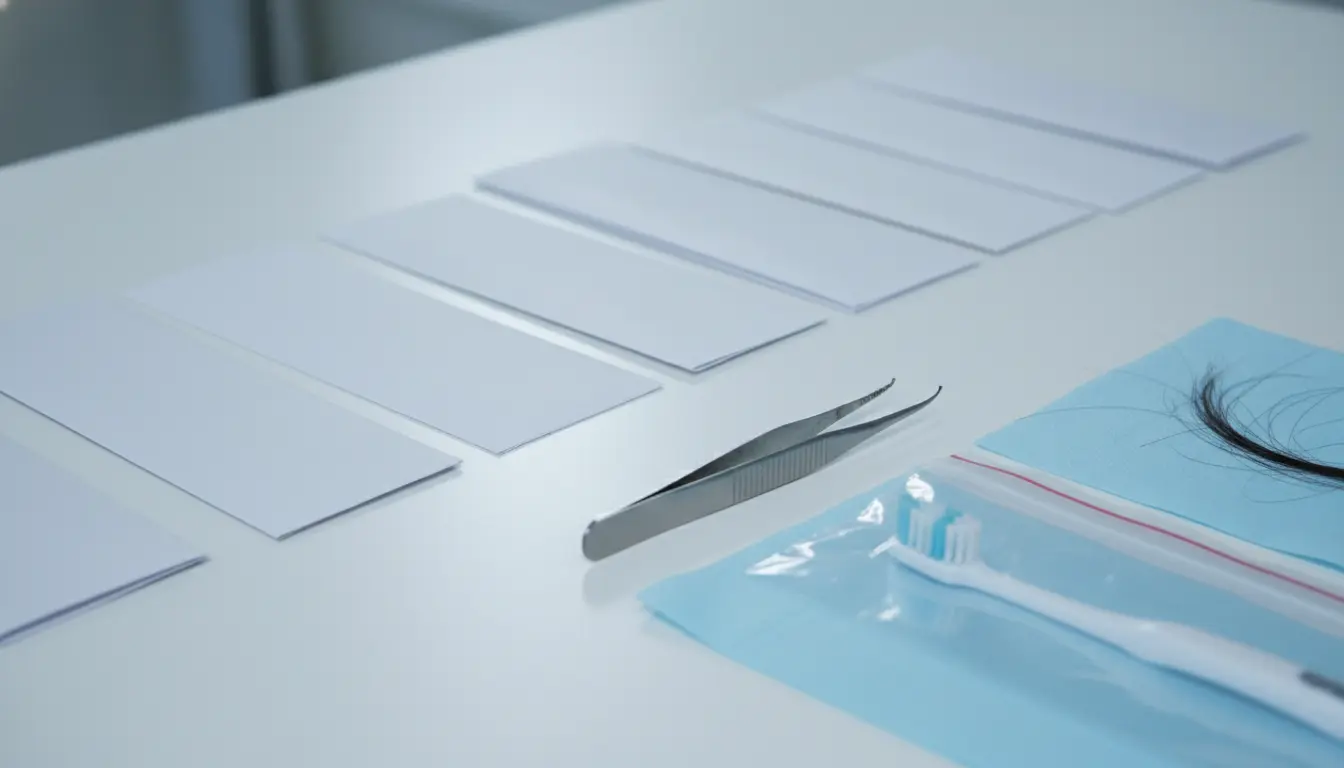 To understand why DNA testing success rates vary so greatly by sample type, it helps to know the mechanisms by which DNA degrades. DNA is a macromolecule with a double-helix structure, but it fragments due to the following factors. [ref:4]
- Hydrolysis: In the presence of moisture, the sugar-phosphate backbone and bases of DNA are chemically cleaved. A sample left damp for a long period fragments through hydrolysis, losing the sequence length needed for analysis. In particular, depurination (the reaction in which purine bases such as adenine and guanine detach from the sugar chain) proceeds spontaneously even under physiological conditions, so DNA is gradually damaged simply by the presence of moisture.
- Oxidation: Ultraviolet light and reactive oxygen species cause oxidative damage to DNA bases. Samples exposed to direct sunlight for extended periods show this damage prominently. The formation of 8-hydroxydeoxyguanosine (8-OHdG) is a representative marker of oxidative DNA damage, and its accumulation inhibits PCR amplification [ref:7].
- Microbial decomposition: Bacteria and mold break down DNA as an energy source. Sealing a sample in a humid environment causes microorganisms to proliferate rapidly, accelerating DNA breakdown. Nucleases (DNA-degrading enzymes) produced by gram-negative bacteria in particular are extremely potent and can break DNA into small fragments within a short time.
- Thermal denaturation: In high-temperature environments, the DNA double helix dissociates, further accelerating chemical breakdown reactions. This is why extracting DNA from cremated remains is so extremely difficult. Based on Arrhenius's law, chemical reaction rates roughly double or triple for every 10°C rise in temperature, so in the high temperatures of summer, sample degradation can occur several times faster than in winter.
The reason oral epithelial swabs show the highest success rate is that a large number of nucleated cells can be reliably collected at the time of sampling, and the sample is dried and preserved immediately afterward — minimizing the degradation factors described above. By contrast, for samples like glass cups or disposable chopsticks, where skin contact is momentary and the amount of transferred cells is extremely small, the original DNA quantity is already close to the limit, so even slight degradation greatly increases the risk of an unanalyzable result.
Another important factor is the presence of "PCR inhibitors." Depending on the type of sample, substances such as hemoglobin (from blood), melanin (from hair), collagen (from bone or teeth), and nicotine or tar (from cigarettes) can contaminate the DNA extract and inhibit the PCR amplification reaction. These inhibitors can prevent a successful analysis even when sufficient DNA is present, so specialist labs use purification columns or bead-based purification methods to remove them. Selecting the optimal extraction and purification protocol for each sample type is also a major factor influencing the success rate of a test.
Ranking of Commonly Requested "Everyday Special Samples"
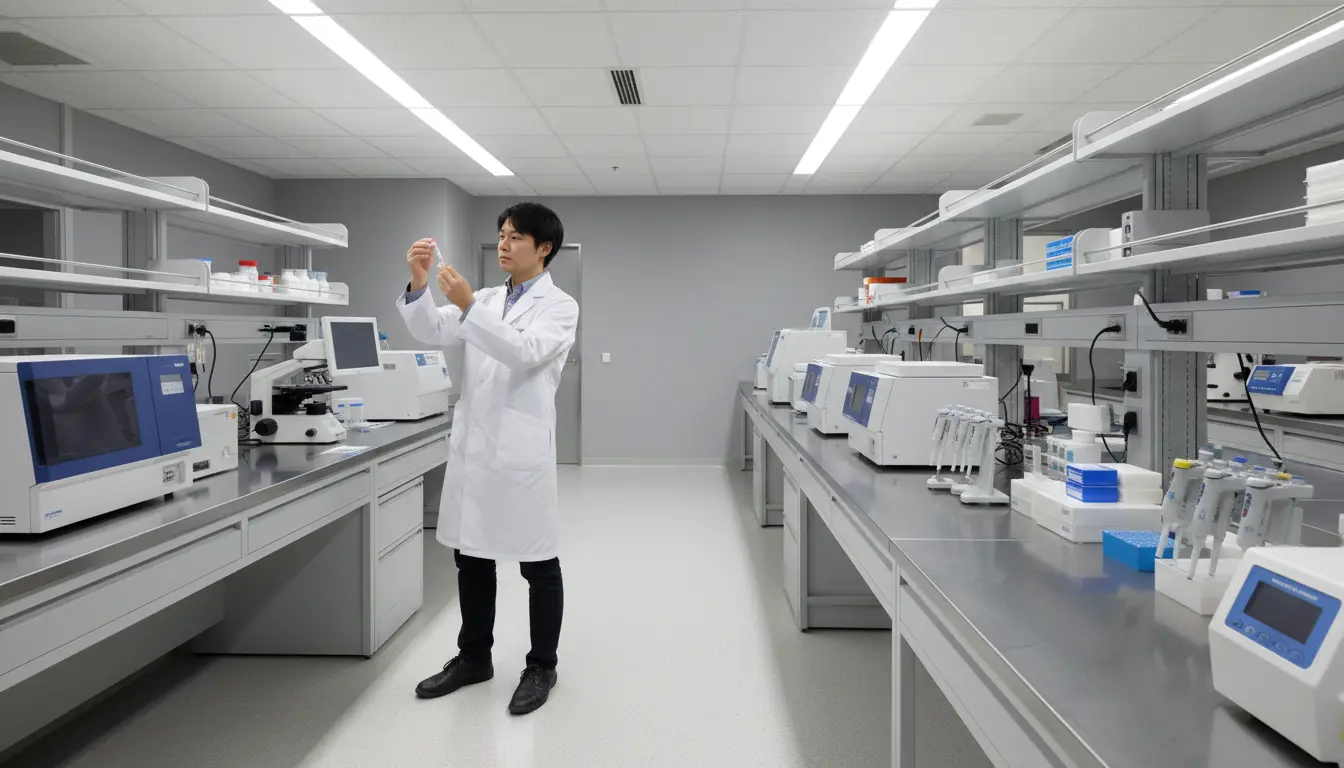
Here are the top 4 samples, other than a standard swab, most commonly submitted for testing. Some surprising items rank highly. [ref:1]
- Toothbrush (used, dried)
- Hair (with root)
- Cigarette butt
- Tissue with semen
Because daily use causes oral mucosa to accumulate in the gaps between the bristles, "toothbrushes" boast top-tier reliability among special samples. The bristle tips of a toothbrush accumulate not only saliva but also large numbers of epithelial cells shed from the gums, and the more frequently it is used, the higher the DNA collection success rate tends to be.
Conversely, "hair cut with scissors" or "liquid saliva itself" contain almost no cells with DNA and are unsuitable for testing. Saliva may seem to contain a wealth of genetic information at first glance, but in fact most of the cells in saliva are already broken-down debris, and sending it as-is in liquid form allows microbial growth to break down the DNA even further.
The trends in which samples are most commonly requested have also changed over time. In recent years, with the spread of electronic cigarettes (heated tobacco products), sticks from heated tobacco devices are increasingly submitted in place of traditional paper cigarette butts. Heated tobacco sticks, like traditional butts, pick up lip mucosal cells, but because the heating temperature is lower (around 300–350°C), the thermal damage to DNA is thought to be relatively minor. However, because the filter structure differs from paper cigarettes, the amount of adhering cells varies.
Detailed Explanation of Each Sample and Collection Precautions
Toothbrush
The toothbrush is the most commonly requested special sample and also has a high success rate. One used for two weeks or more is ideal, as oral mucosal cells accumulate at the base of the bristle tips. After collection, allow it to air-dry to remove moisture before placing it in a paper envelope. It is critical to ensure you secure the target person's own dedicated toothbrush, not one confused with a family member's.
The scientific reason a toothbrush shows a high success rate is the physical friction generated during brushing. The friction between the gums and the bristle tips causes numerous nucleated cells to shed from the gingival epithelium, which then become entangled in the gaps between bristles and on the surface of the nylon fibers. In addition, mucin, a mucous component in saliva, acts as a binder that fixes the cells to the toothbrush. Because the DNA inside the cells remains relatively stable even after drying, a used toothbrush can be described as a "natural DNA preservation device."
Hair (with root)
To perform DNA testing on hair, having the root (hair bulb) attached is an absolute requirement. The hair shaft is composed of keratin protein and contains almost no nuclear DNA. Hair that has fallen out naturally has a root that has entered the regression-to-resting phase and is deficient in cell nuclei, so ideally you should secure five to ten or more strands of hair that were gently pulled out, with a white root sheath attached. [ref:3]
The hair growth cycle is divided into three stages: the growth phase (anagen), the regression phase (catagen), and the resting phase (telogen). During the growth phase, the hair root is densely packed with actively dividing hair matrix cells and contains abundant nuclear DNA. Hair at this stage has a swollen root, and when plucked, a translucent-to-white root sheath tissue is attached. In contrast, hair that has entered the resting phase is preparing to shed naturally, so the root has atrophied and the cell nucleus has essentially disappeared. Most of the shed hair found on a pillow or hairbrush is in this resting phase, so the DNA analysis success rate drops significantly.
While mitochondrial DNA (mtDNA) analysis from the hair shaft is an option, mtDNA reflects only maternal lineage and cannot be used for paternity testing, and its accuracy for individual identification is also far lower than nuclear DNA. Therefore, for paternity testing purposes, securing hair with the root attached is essential.
Cigarette Butt
Lip mucosal cells adhere to the filter portion of a cigarette butt, but the success rate varies significantly depending on smoking habits, the presence of lipstick or lip balm, and whether it was exposed to rain outdoors. Secure a butt as soon as possible after it has been smoked, and — without touching it with bare hands (to avoid contaminating it with your own DNA) — transfer it to a paper envelope using tweezers or chopsticks. Since a single butt may not always be sufficient, it is preferable to secure two or three if possible.
When extracting DNA from a cigarette butt, the filter material also affects the success rate. Cellulose acetate filters (used in typical paper cigarettes) have a fine fiber structure that readily traps mucosal cells transferred from the lips. Activated-carbon filters, on the other hand, may release PCR inhibitors during DNA extraction, sometimes requiring an additional purification step at specialist labs. In either case, drying the sample promptly after collection and storing it away from direct sunlight is the most important point.
Nails
DNA analysis is possible even from clippings cut with nail clippers, but because the nail itself consists of keratinized dead cells, the amount of DNA contained is very small. The key to raising the success rate is understanding that the skin tissue and debris adhering to the underside of the nail contain the DNA, and submitting the nail unwashed. It is recommended to secure five to ten or more nail clippings.
Extracting DNA from nails requires special pretreatment. The keratin layer of nails is extremely hard, and normal protease digestion alone cannot sufficiently release the DNA. Specialist labs cut the nails into small pieces and incubate them for an extended period (12–24 hours) in a high-concentration proteinase K solution to fully digest the keratin before extracting DNA. Toenails, being thicker and slower-growing than fingernails, are said to contain more DNA due to longer keratin accumulation — though they also carry a higher risk of external DNA contamination from friction with socks and shoes.
Other Samples (Earwax, Umbilical Cord, Electric Shaver, etc.)
Earwax is submitted attached to an ear pick or cotton swab, but the amount of DNA varies by individual. Earwax comes in "wet" and "dry" types, and wet earwax tends to contain more nucleated cells since it has a higher moisture and lipid content. Because a majority of Japanese people (about 80–90%) have the dry type, the DNA quantity tends to be somewhat lower, but an ear pick or cotton swab used regularly still accumulates sufficient cells.
An umbilical cord, if preserved from the time of birth, is typically well-dried and shows a relatively high success rate. Since the umbilical cord is fetal-derived tissue, DNA can be extracted from fetal blood cells remaining in the umbilical vessels or from cells in Wharton's jelly (the connective tissue of the cord). A properly dried and stored umbilical cord can sometimes yield successful DNA analysis even decades later.
The underside of an electric shaver's blade tends to have skin cells and hair roots attached, so the longer it has been used, the more abundant the DNA. For any of these samples, please confirm that it has been used only by the intended individual before submitting it. If a shaver is shared, the resulting mixed profile from multiple people's DNA can make interpretation difficult.
The Most Important Point for a Successful Test: Storage Method
The biggest causes of failure when using special samples are "moisture" and "ultraviolet light."
Sealing a sample while it is still damp allows bacteria to proliferate and break down the DNA. Because hydrolysis and microbial decomposition, described above, proceed simultaneously, it is not uncommon for DNA to degrade to an unanalyzable level within just a few days.
Bad example: Sealing a wet sample in a plastic bag
Because a plastic bag has no breathability, the interior humidity is maintained at nearly 100%, creating a breeding ground for mold and bacteria.
Recommended: Place the sample in a paper envelope with good ventilation and store it in a cool, dark place
A paper envelope naturally absorbs and releases moisture, allowing the sample to remain in a naturally dried state. Stored in a cool spot away from direct sunlight (such as the vegetable compartment of a refrigerator), DNA quality can be maintained for around two to three weeks. [ref:4]
Scientific Evidence on DNA Degradation and Sample Storage
Extensive research has accumulated over the years in the field of forensic science on the mechanisms of DNA degradation and countermeasures. A study by Lindh et al. (1993) systematically analyzed the degradation patterns of environmental DNA (DNA recovered from samples left outdoors) and showed that temperature, humidity, and UV exposure interact to accelerate DNA fragmentation [ref:7]. In addition, SWGDAM guidelines on handling DNA samples as forensic evidence clearly recommend that "biological evidence should always be stored in a dry state, and sealed plastic containers should be avoided" [ref:8].
These findings apply directly to everyday DNA testing as well. When handling special samples, small precautions — placing the sample in a paper envelope, avoiding direct sunlight, and storing it in a cool, dark place — can have a major effect on maintaining DNA quality. These scientifically backed, simple measures are basic practices that anyone requesting a DNA test should follow.
Practical Checklist for Sending Samples
Checking the following points from the moment of collection through shipping can maximize the success rate of a DNA test.
- Confirm the sample was not touched directly with bare hands (use tweezers or plastic gloves to prevent contamination with your own DNA)
- Confirm the sample is sufficiently dry (if wet, air-dry it before sealing)
- Use a paper envelope for storage — avoid plastic bags or resealable bags
- Clearly write the subject's name, collection date, and sample type on the envelope (to avoid confusing multiple samples)
- Ship the sample as soon as possible after it has been kept in a cool, dark place (ideally within one week of collection)
- Avoid direct sunlight and high temperatures — consider using cold-chain shipping in summer
- When sending multiple samples, seal each one in a separate paper envelope to prevent cross-contamination
- If a sample seems to contain a small quantity, secure two to three of the same type as backups and include them
Following these basics alone dramatically improves the analysis success rate for special samples. Conversely, even a high-quality sample can fail to produce results if storage and shipping are handled incorrectly, so it's important to remember that "collection isn't the goal — what matters is getting it to the lab intact."
International Quality Standards Supporting the Reliability of DNA Testing
For DNA testing results to be trustworthy, the testing institution itself must meet international quality standards. Laboratories certified under ISO 17025 (general requirements for the competence of testing and calibration laboratories) and ISO 9001 (quality management systems) carry out every step — from sample intake through DNA extraction, PCR amplification, data analysis, and result reporting — based on standardized procedure manuals (SOPs: Standard Operating Procedures).
The seeDNA Institute of Genetic Medicine holds ISO 9001 international quality certification as well as the Privacy Mark, which internationally certifies the reliability of personal information protection. This ensures — through third-party verification — not only the scientific accuracy of test results but also the strict management of clients' personal information. Because DNA testing handles extremely sensitive personal data, sufficient attention must be paid not only to technical capability but also to information management systems.
It is also recommended to use STR analysis kits that have undergone global validation. Currently mainstream kits include GlobalFiler (Thermo Fisher Scientific) and PowerPlex Fusion (Promega), both of which are high-performance systems capable of simultaneously analyzing 20 or more CODIS-compatible STR markers used by the FBI [ref:8]. Using such reliable kits maximizes the amount of genetic information obtainable even from minute samples, maximizing both the success rate and accuracy of the test.
Frequently Asked Questions
Q1. If testing DNA from hair, can hair that has been cut with scissors be used?
A. No, in principle, hair cut with scissors cannot be used for DNA testing.
The nuclear DNA needed for testing is contained in the "root (hair bulb)." Hair cut with scissors, or hair that has naturally fallen out with a degraded root, does not contain enough DNA, so you need "hair that was painfully pulled out, with the root attached." Ideally, the root should have a white, translucent tissue (root sheath) attached, and it is recommended to secure five to ten or more strands.
Q2. Is it legally problematic to conduct a DNA test without the other party's knowledge?
A. For personal confirmation purposes, there is no regulation under current law that makes this immediately illegal.
However, there is some risk of being accused of infringing on ownership rights over the collected sample or of privacy infringement. Also, test results obtained without the other party's consent (a private test) are almost never accepted as evidence in court. If the results are to be used in a legal dispute (such as a paternity acknowledgment claim), a "legal test" — conducted with the consent of both parties — is required. [ref:5] [ref:6]
Q3. Do toothbrushes or cigarette butts give 100% results?
A. No, not 100%.
Compared to an oral swab (nearly 100% success rate), special samples such as toothbrushes and cigarette butts carry a risk of failing to produce results, depending on storage condition and the amount of attached cells. According to data from specialist institutions, toothbrushes have a relatively high success rate, while cigarette butts vary depending on dryness. To increase the success rate, it is extremely important to follow the correct storage method (dry storage in a paper envelope).
Q4. Is it possible to perform DNA testing on a fetus during pregnancy?
A. Yes, this is possible as a "prenatal DNA test."
Today, it is common to extract fetal DNA circulating in the mother's blood simply by drawing blood from the mother's arm (an application of NIPT technology). Testing is possible from around week 7 of pregnancy, and it has become popular as a method that carries no miscarriage risk, unlike amniocentesis. The seeDNA Institute of Genetic Medicine also offers prenatal DNA testing using its patented trace-DNA analysis technology.
Q5. How long does DNA testing take and how much does it cost?
A. A private test costs a few tens of thousands of yen and takes about one week as a general guideline.
For personal confirmation (a private test), the cost is typically around 20,000–50,000 yen, with results available in 5–10 business days. On the other hand, a "legal test" for submission to a court or immigration authority requires an expert to be present at collection and strict identity verification, so the cost starts at 100,000 yen and often takes two weeks or more. If special samples are used, additional analysis fees may apply, so please consult us in advance.
Q6. Can DNA testing be performed on cremated remains?
A. Standard nuclear DNA testing is extremely difficult.
Because cremation temperatures in Japan reach 800–1,200°C, DNA molecules are almost completely thermally denatured and fragmented. Mitochondrial DNA (mtDNA) analysis is sometimes attempted, but since mtDNA traces only the maternal lineage, it cannot be used for paternity testing, and the success rate is currently very low. If you wish to test cremated remains, we strongly recommend consulting a specialist institution beforehand.
Q7. Is it okay to submit only one sample for DNA testing?
A. Testing is possible with just one sample, but submitting multiple is recommended.
With special samples, there is a risk that sufficient DNA cannot be extracted from the first sample. Submitting two or three of the same type as backups, or including different types of samples together, can greatly increase the analysis success rate. Most testing institutions accept additional samples for free or at low cost, so please secure as many as possible.
The Trusted Support of seeDNA Institute of Genetic Medicine
The seeDNA Institute of Genetic Medicine is a trusted specialist institution for DNA testing and genetic testing, certified under the international quality standard ISO 9001 and holding the Privacy Mark for personal information protection.
If you are troubled by questions about family or parent-child blood relations, or a partner's infidelity, our DNA testing specialists are here to support you with peace of mind — please feel free to contact us.
[Free Consultation with Specialist Staff]

If you have any questions,
please feel free to contact our toll-free number.
/Open every day, including weekends/
Business hours: Monday–Sunday 9:00 AM–6:00 PM
(excluding public holidays)
 Author
Kihan Tomikin, M.D., Ph.D.
Graduate of the Master's/Doctoral Program in Biosystem Studies and Molecular Informative Medicine, University of Tsukuba
In 2017, developed Japan's first trace-DNA analysis technology(Patent No. 7121440) for prenatal DNA testing(Patent No. 7331325)