
Rewritten on: October 14, 2025
The time it takes to receive NIPT (Non-Invasive Prenatal Testing) results is typically 1-2 weeks, but with domestic lab analysis, results can be available in as little as 4-7 days. This article explains in detail the estimated turnaround time by testing provider, cases where results are delayed, and points to note when receiving your results.
Introduction

NIPT (Non-Invasive Prenatal Testing) is a screening test that analyzes cell-free DNA (cfDNA) of fetal origin contained in the mother's blood, allowing high-precision assessment of the risk of chromosomal abnormalities such as Down syndrome (trisomy 21), Edwards syndrome (trisomy 18), and Patau syndrome (trisomy 13). Its official name is "Non-Invasive Prenatal Testing," and unlike amniocentesis or chorionic villus sampling, it places very little physical burden on the mother and carries no risk of miscarriage, which is why many pregnant women and their families are interested in it. [ref:1] [ref:7]
When considering NIPT, many people are concerned about when the test results will be available. During pregnancy, important decisions must be made within a limited time frame, and if a positive result is obtained, time is also needed to consider whether to undergo a definitive diagnostic test. For this reason, the number of days required to receive NIPT results is a major factor in choosing a testing provider. [ref:2]
This article provides a detailed explanation of the process leading up to NIPT results, the estimated turnaround time for each testing provider, the reasons results may be delayed, and points to note when receiving your results, along with a comparison with cases overseas.
The NIPT testing process
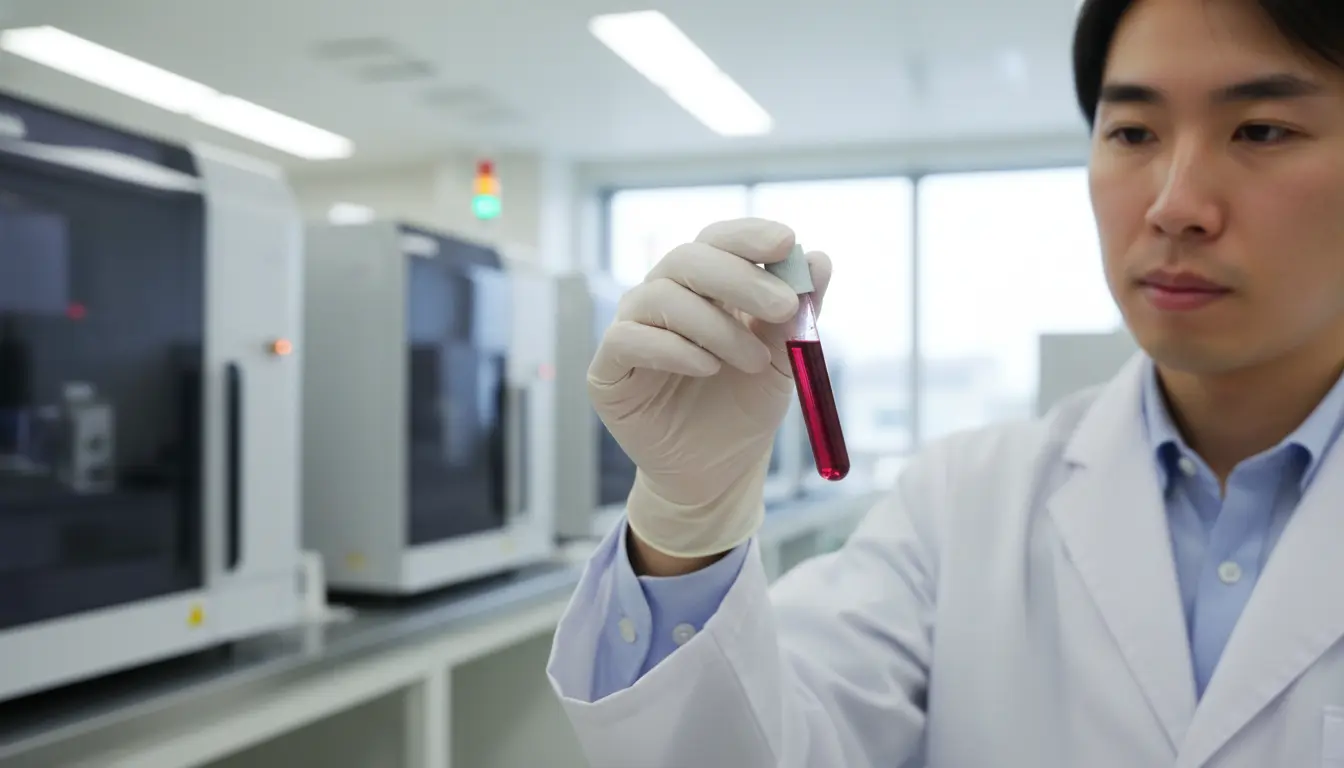
To correctly understand the time it takes to receive results, let's review the NIPT testing procedure. It can be broadly divided into four steps, and the time required at each stage affects the final number of days until results are reported.
- Booking and counseling
You will receive a prior explanation (genetic counseling) from a doctor or genetic counselor covering the significance and limitations of NIPT, as well as the response policy in the event of a positive result. Accredited facilities require a certified clinical geneticist to be present, so it may take several weeks to get an appointment, but non-accredited facilities or online-based facilities tend to offer relatively smooth booking. [ref:3] - Blood draw
After 10 weeks of pregnancy, about 10ml of blood is drawn from a vein in the mother's arm. The blood draw itself takes about 5 minutes. Fetal-derived cfDNA begins circulating in the mother's blood from around week 4 of pregnancy, but week 10 or later is recommended to ensure a sufficient amount for testing. [ref:4] - Analysis at the testing facility
The collected blood is sent to a specialized testing facility, where the cfDNA is analyzed using advanced genomic analysis technology such as next-generation sequencing (NGS). This analysis process takes anywhere from a few days to about a week, and when analysis is performed at a domestic lab, transport time can be minimized, significantly shortening the time until results are reported. [ref:1] - Reporting of results
The analysis result is reported as "negative (low risk)," "positive (high risk)," or "no call." In the case of a positive result, this is a screening result, and you will be guided toward a definitive diagnostic test such as amniocentesis or chorionic villus sampling.[ref:2]
Estimated time to receive test results

In Japan, the time it takes to receive NIPT results is typically about 1-2 weeks. This is the total number of days from the blood draw date to the date the results are explained, and includes each stage: specimen transport, lab analysis, report preparation, and preparation for receiving results at the medical facility. [ref:3]
When specimens are sent to an overseas testing facility, international transport takes several days, which can extend the time until results are known. Delays can be especially common during the year-end and New Year holidays, major holiday periods, or times of congestion in international logistics.
On the other hand, as domestic testing infrastructure has improved in recent years, there are increasingly more cases where results are available in as little as 4-7 days. At testing providers with their own in-house domestic lab, specimens can reach the lab as soon as the following day after the blood draw, and the analysis process has also been made more efficient, achieving a significant reduction in turnaround time compared to before. [ref:1]
Estimated turnaround time by testing provider
Below is a summary of the estimated turnaround time for major testing providers in Japan and overseas.
| Testing provider | Time until results | Notes |
|---|---|---|
| Accredited facilities such as university hospitals | Approx. 10-14 days | Limited eligibility (mainly for those 35 and older, etc.), genetic counselor present |
| Non-accredited (domestic analysis type) | Approx. 7-10 days | Analyzed at a domestic partner lab. Fast reporting possible |
| Non-accredited (overseas shipment type) | Approx. 10-14 days | Sent to an overseas testing facility, so longer including transport time |
| seeDNA Genetic Medical Research Institute | As fast as 4-7 days | Domestic in-house lab analysis enables results reported in a short time [ref:1] |
Accredited facilities tend to have robust genetic counseling systems, but since analysis is outsourced to an external lab, they tend to take somewhat longer. seeDNA Genetic Medical Research Institute, on the other hand, significantly shortens specimen transport time and has made the analysis process itself more efficient, enabling results to be reported in as little as 4-7 days. [ref:5]
When choosing a testing provider, it's important to consider not only how fast the results are, but also testing accuracy, after-care support (such as availability of genetic counseling), cost, and accessibility, and to make a comprehensive judgment.
Cases where results are delayed
Normally, results are available within the estimated number of days mentioned above, but in rare cases results may be delayed beyond the expected schedule. Understanding the main causes can help you wait without excessive worry.
- Poor specimen quality: If hemolysis (destruction of red blood cells) or quality deterioration occurs during storage or transport, a re-draw may be necessary, adding a few days to about a week.
- Insufficient fetal-derived DNA (low fetal fraction): If the proportion of fetal DNA in the mother's blood is low, the reliability of the analysis cannot be guaranteed, which can take extra time to determine the result. Low values may occur if the mother's BMI is high or around weeks 10-11 of pregnancy, and a retest may be proposed.[ref:6] [ref:8]
- Transport delays for overseas shipments: Due to bad weather, flight delays, or holdups in customs procedures, delay risk is especially high during the winter season or international holiday periods.
- Processing capacity of the testing facility: During busy periods, specimens accumulate, resulting in a longer wait for analysis than usual, and depending on batch-processing timing, a delay of several days can occur.
- No call / no result: When a determination is difficult for technical reasons, about 1-5% of all tests result in no call, requiring re-analysis or a re-draw. [ref:4]
Points to note when receiving your results
When receiving your results, it's important not to focus solely on whether the result is negative or positive, but to fully understand the following points as well.
- NIPT is not a definitive diagnosis
NIPT is a screening test, and if a positive result is obtained, a definitive diagnostic test such as amniocentesis or chorionic villus sampling is required. The sensitivity for trisomy 21 is extremely high, at over 99%, but the possibility of a false positive is not zero. For trisomy 18 and trisomy 13, the positive predictive value can be lower than for trisomy 21, so even with a positive result, don't panic — undergo a definitive diagnostic test before making a decision. [ref:2] [ref:7] - Correctly understanding the meaning of a negative result
Even with a negative (low-risk) result, chromosomal abnormalities or genetic disorders outside the scope of the test are not ruled out. It's important to continue regular prenatal checkups and periodically monitor the fetus's growth. - The importance of genetic counseling
Regardless of whether the result is positive or negative, expert explanation is essential to correctly understand the meaning of the test. Especially in the case of a positive result, genetic counseling is extremely important for calmly considering your next steps. Genetic counselors provide not only medical information but also psychological support. [ref:3] - Sharing with family and support systems
The test result affects decision-making for the spouse or partner and the whole family. Discussing in advance with family "what we would do if the result were positive" allows for a calmer response when the result is received.
Comparison with overseas cases
Overseas, the number of days until NIPT results are available varies by country and healthcare system. Knowing the situation in each country allows us to objectively understand Japan's testing infrastructure.
United States
The United States is the birthplace of NIPT, with the world's first commercial NIPT service launched in 2011. Today, several major testing companies including Natera, Illumina, and Myriad Genetics compete, with many reporting results in about 5-7 days. Some offer express services that can shorten this to 3-5 days. [ref:9]
Europe
In the UK, NIPT has been part of the NHS (National Health Service) since 2018, and in Germany it was included in statutory health insurance coverage starting in 2022. In these countries, reporting within one week is becoming the norm, easing the psychological burden on pregnant women.
Asia
In China, BGI Genomics and Berry Genomics have built large-scale testing infrastructure, with results generally available in about 5-10 days. In South Korea, about 7-10 days is the standard turnaround time.
As NIPT continues to become faster worldwide, Japan is also achieving a level of speed comparable to that overseas by strengthening domestic analysis infrastructure, as seen at seeDNA Genetic Medical Research Institute. Domestic lab analysis offers not only speed but also the advantage of easier specimen quality control and lower risk of deterioration during transport. [ref:1]
Summary
The time it takes to receive NIPT (Non-Invasive Prenatal Testing) results is generally about 1-2 weeks, but with improvements to domestic testing infrastructure, there are increasingly more cases where results are available in as little as 4-7 days.
University hospitals and accredited facilities take about 10-14 days, non-accredited facilities with domestic analysis take about 7-10 days, and overseas shipment types take about 10-14 days. A major feature of seeDNA Genetic Medical Research Institute is that domestic lab analysis allows you to receive results in as little as 4-7 days. [ref:1]
Results may be delayed due to poor specimen quality, insufficient fetal DNA, or delays in overseas transport, so it is advisable to allow some flexibility in your schedule when undergoing the test. If you are considering moving on to a definitive diagnostic test, we recommend undergoing testing as early as possible (around weeks 10-12 of pregnancy), taking into account the time needed for amniocentesis after the NIPT result is available.
When receiving your results, it's important to understand that NIPT is a screening test, to receive information and psychological support from experts through genetic counseling, to discuss thoroughly with your spouse and family, and to make the decision that is best for you.
/Find out your baby's risk of genetic disorders/
 Apply / Purchase kit
Frequently Asked Questions
Q1. What is the fastest turnaround time for NIPT results?
A. This varies by testing provider, but seeDNA Genetic Medical Research Institute, which performs analysis at a domestic lab, can provide results in as little as 4-7 days. Accredited facilities such as university hospitals generally take about 10-14 days, and overseas-shipment clinics also generally take about 10-14 days. If you want to know your results quickly, we recommend choosing a testing provider with domestic analysis infrastructure.
Q2. Can NIPT results be delayed beyond the expected schedule?
A. Yes, delays occasionally occur. Common causes include a re-draw due to poor quality of the collected blood specimen, re-analysis when the proportion of fetal-derived DNA (fetal fraction) in the mother's blood is low, transport delays for overseas-shipment types, and busy periods at the testing facility. We recommend allowing some flexibility in your schedule when undergoing the test.
Q3. If NIPT comes back positive, is that a definitive diagnosis?
A. No, NIPT is a screening test and not a definitive diagnosis. If a positive result is obtained, you will need to undergo a definitive diagnostic test such as amniocentesis or chorionic villus sampling. Since the positive predictive value varies depending on the condition being tested for and the mother's age, please don't panic — undergo genetic counseling first and then decide whether to proceed to a definitive diagnostic test.
Q4. From how many weeks of pregnancy can you undergo NIPT?
A. NIPT can generally be undergone from week 10 of pregnancy onward. Before week 10, the proportion of fetal-derived DNA (fetal fraction) in the mother's blood is low, which can make accurate analysis difficult. Considering a subsequent move to a definitive diagnostic test (such as amniocentesis), it is ideal to undergo testing as early as possible (around weeks 10-12).
Q5. Can NIPT results come back as "no call"?
A. Yes, about 1-5% of all tests result in a "no call / no result." The main cause is a low proportion of fetal-derived DNA (low fetal fraction). In most cases, retesting after the pregnancy has progressed further raises the fetal fraction and allows a normal result to be obtained.
Q6. What is the difference between domestic lab analysis and overseas-shipment types?
A. With domestic lab analysis, specimen transport time is short (arriving at the lab as soon as the next day), and the process from analysis to reporting of results proceeds quickly, shortening the time until results are known. There is also the advantage of a lower risk of specimen deterioration during transport. Overseas-shipment types, on the other hand, take about 10-14 days due to several days of international transport, but this can have the advantage of the track record of large-scale overseas labs and a wider range of test items.
seeDNA Genetic Medical Research Institute's trusted support
seeDNA Genetic Medical Research Institute is a trusted and reliable specialized institution for DNA testing and genetic testing, certified with the international quality standard ISO 9001 and the Privacy Mark for privacy protection.
If you have concerns about family or parent-child biological relationships, or a partner's infidelity, our DNA testing experts are here to support you and put your mind at ease, so please feel free to contact us.
【Free consultation with specialized staff】

If you have any questions,
please feel free to contact our toll-free number.
/Open every day including weekends/
Business hours: Mon-Sun 9:00-18:00
(excluding public holidays)
 Author
Yoshinori Tomikane, PhD
Graduate of the Master's/Doctoral program in Biosystem Studies, University of Tsukuba
In 2017, developed prenatal DNA testing(Patent 7331325) using Japan's first trace DNA analysis technology(Patent 7121440)
【References】
(2) Nat Rev Genet, May 2016
(3) Ministry of Health, Labour and Welfare, May 2026
(4) National Center for Child Health and Development, March 2026
(5) seeDNA, November 2025
(6) NIPT Non-Invasive Prenatal Testing Results in as fast as 2 days - Hiro Clinic, September 2021
(7) Tokyo NIPT Testing (Non-Invasive Prenatal Testing) - J Lab | Tokyo NIPT (Non-Invasive Prenatal Testing) - J Lab, December 2025
(8) Blood, December 2013
(9) ACOG, October 2020