
Rewritten: June 7, 2025
This article explains, based on the latest genetic research, the "Longevity Bottleneck" hypothesis, which suggests that as a result of dinosaurs dominating Earth for over 100 million years, mammals lost genetic traits related to longevity, potentially limiting human lifespan.
- ・Did dinosaurs shorten human lifespan? What is the "Longevity Bottleneck" hypothesis
- ・The Longevity Bottleneck: the evolutionary background behind mammals' limited lifespans
- ・"Live fast, die young": the survival strategy of mammals in the age of dinosaurs
- └ The specific longevity mechanisms mammals lost
- ・Birds and reptiles do not have a longevity bottleneck
- └ Long-lived despite being warm-blooded: the key evidence birds provide
- ・The science of aging: the frontier of recovering lost longevity mechanisms
- └ An evolutionary framework for understanding mammalian aging
- ・Learn your own longevity tendencies through genetic testing
Did dinosaurs shorten human lifespan? What is the "Longevity Bottleneck" hypothesis
Dinosaurs are said to have once ruled the Earth. Tyrannosaurus rex, Spinosaurus, Albertosaurus — these dinosaurs have appeared in famous Hollywood films, and most people have heard their names at least once. Dinosaurs first appeared in the late Triassic period, around 230 million years ago, and reigned at the top of Earth's ecosystems for more than 160 million years until their mass extinction at the end of the Cretaceous period, roughly 66 million years ago.
Recent genetic research has revealed that this dominance by dinosaurs, lasting over 100 million years, may have caused the mammals from which humans descended to lose genetic traits related to longevity that are found in many reptiles [ref:1]. This discovery offers a new evolutionary answer to a long-standing scientific question: why do mammals, including humans, have shorter lifespans than reptiles and some birds?
The Longevity Bottleneck: the evolutionary background behind mammals' limited lifespans
 Today, mammals are among the Earth's most representative — arguably dominant — organisms, with vast populations and enormous diversity of species. Among mammals, the human lifespan of roughly 80 years is relatively long. The only mammals that outlive humans are found among certain whale species, such as the bowhead whale (estimated at over 200 years). Most mammals do not live nearly that long: small animals like mice live only 2–3 years, and dogs and cats live around 10–20 years.
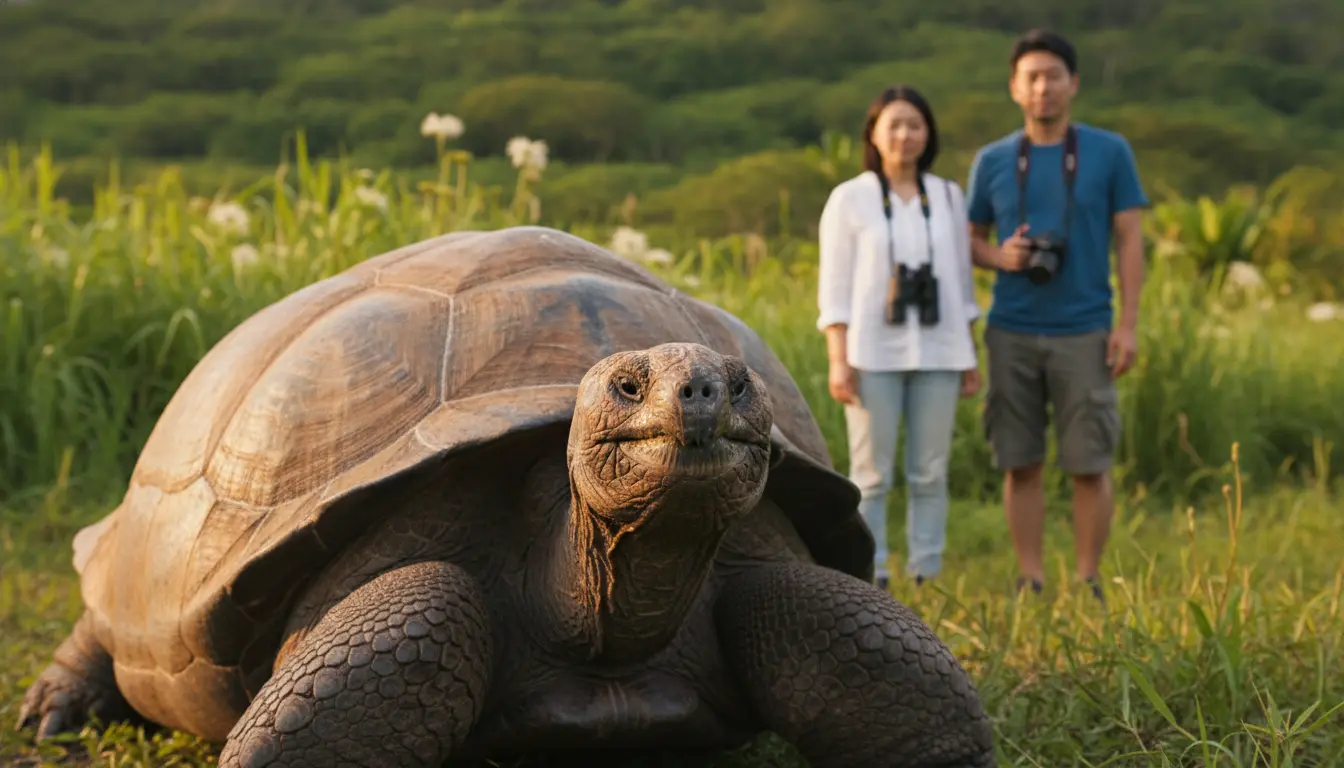
Reptiles, however, tell a very different story. Some tortoises live for more than 300 years, and among plants, individuals such as the Yakushima cedar can live for over 1,000 years. Why is it that only mammals have such short lifespans?
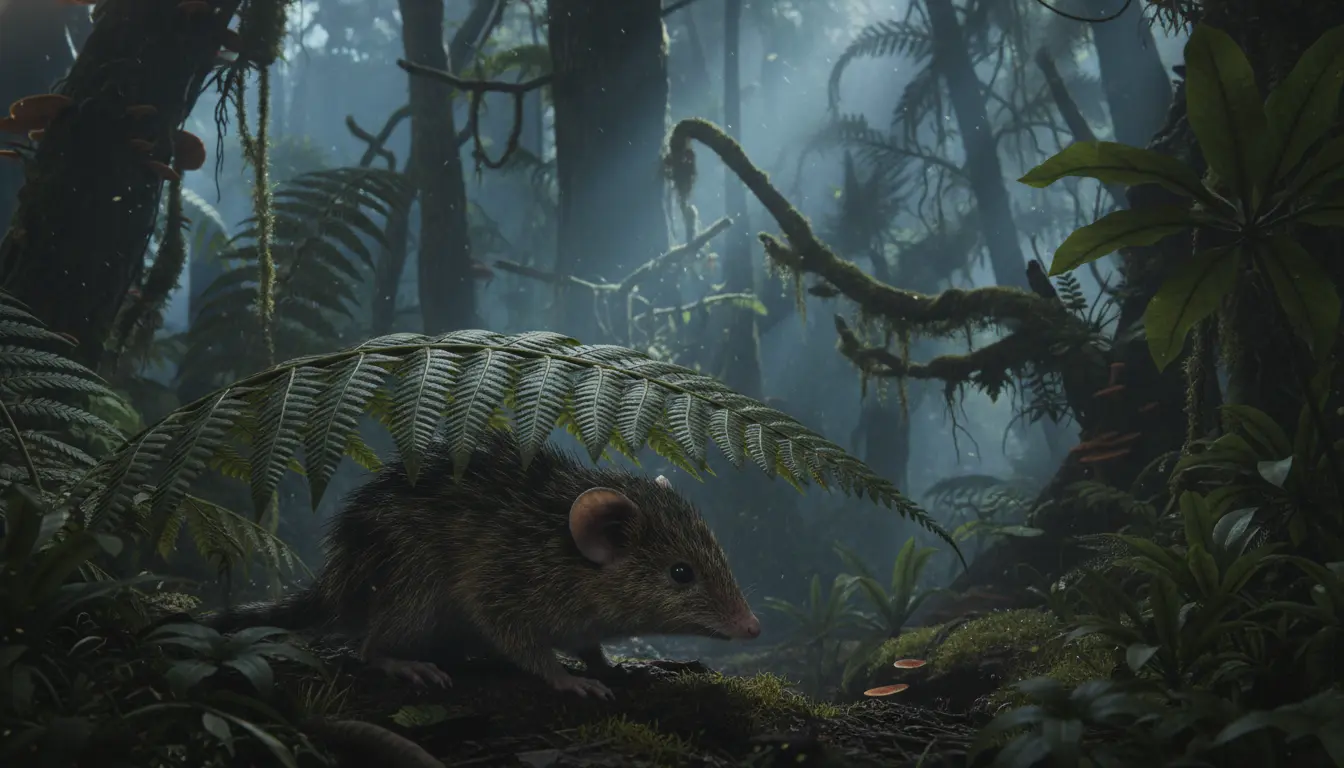
Dr. João Pedro de Magalhães, a renowned aging scientist and Professor of Molecular Biogerontology at the University of Birmingham, explains that the reason mammals are relatively short-lived lies in the world once dominated by dinosaurs. During the era when giant reptilian dinosaurs ruled the Earth for over 100 million years, mammals were tiny, mouse-like creatures with short lifespans, living nocturnally and hiding quietly in the shadows of the dinosaurs. This long-term ecological constraint is thought to have evolutionarily locked in mammals' short lifespans.
This hypothesis, proposed by Dr. de Magalhães, is called the "Longevity Bottleneck," and its details were published in the scientific journal BioEssays in 2023 [ref:1]. A "bottleneck" refers to the narrow neck of a bottle, used here as a metaphor for the "narrow constraint on lifespan" that mammals were forced to pass through during evolution.
"Live fast, die young": the survival strategy of mammals in the age of dinosaurs
 It is a logical inference that a species' evolution shapes its aging pattern. In evolutionary biology, there is a well-known theory that "in environments with high extrinsic mortality, it is more adaptive to invest in early reproduction than in longevity" [ref:5].
For mammals of that era, which were surrounded by many predators and constantly at risk of being preyed upon, growing quickly and reproducing promptly to reliably increase their offspring was far more advantageous as a species than acquiring genetic evolutionary traits that would confer longevity. As a result, genetic traits that confer longevity were not favored by natural selection and were gradually lost over the course of evolution.
Another important factor is a phenomenon called "antagonistic pleiotropy." This refers to gene traits that are advantageous to an individual when young but become harmful with age. In an environment like the age of dinosaurs, where lifespans were extremely short, the negative effects that appear in old age are less likely to be subject to natural selection, allowing such genes to accumulate rather than be eliminated. This antagonistic pleiotropy may be one factor behind the positive correlation seen today between maximum lifespan and body size in mammals.
De Magalhães concluded that, for mammals of that time, "live fast, die young" was the optimal evolutionary strategy. He further states that over the more than 100 million years dinosaurs dominated the land, mammals irreversibly lost their longevity traits.
The specific longevity mechanisms mammals lost
What is particularly notable about this hypothesis is its discussion of the specific abilities mammals lost. The main ones are summarized below.
- Loss of tooth regeneration ability: Many reptiles are "polyphyodont," meaning their teeth are replaced repeatedly throughout their lives, but most mammals have only two sets of teeth — baby teeth and permanent teeth. Elephants, for example, can die of starvation once they wear down their final set of molars and can no longer eat.
- Loss of the photolyase DNA protection system: Photolyase is an enzyme that directly repairs DNA damaged by ultraviolet light (particularly cyclobutane pyrimidine dimers) using light energy. Many organisms possess this enzyme, but mammals have lost this important DNA repair mechanism [ref:4].
- Reduced organ and tissue regeneration ability: Some reptiles and amphibians can regenerate lost tails or limbs, but mammals show almost none of this advanced regenerative ability.
Fossil records and analyses of eye structure support the idea that early mammals were nocturnal [ref:6]. For mammals active at night, the importance of photolyase in protecting DNA from ultraviolet light diminished, and it is thought that this protective ability was lost under evolutionary pressure.
Birds and reptiles do not have a longevity bottleneck
Among reptiles, species such as the Galápagos tortoise have an estimated maximum lifespan close to 200 years. Aging in many reptiles is remarkably slow [ref:2], and unlike mammals, their mortality rate does not increase with age. In humans, mortality rate doubles roughly every eight years, a pattern known as Gompertz's law, but many reptiles show no such sharp rise in age-related mortality. Furthermore, some reptiles retain reproductive capacity and continue growing throughout their entire lives — a remarkable trait.
Among mammals, the naked mole-rat has long been considered the sole exception to age rapidly. Despite weighing only about 30–35 grams, this small rodent has been reported to live more than 30 years — roughly ten times longer than a similarly sized mouse [ref:3]. However, recent research has shown that even naked mole-rats are not entirely immune to aging; they do undergo epigenetic aging, including changes in DNA methylation patterns.
Long-lived despite being warm-blooded: the key evidence birds provide
One long-standing theory for why mammals are short-lived holds that "because they are warm-blooded (endothermic), they expend large amounts of energy maintaining body temperature, which increases metabolic stress and accelerates aging." However, de Magalhães presents an important counterargument to this theory.
Birds, the direct descendants of dinosaurs, are warm-blooded just like mammals. Moreover, birds maintain extremely high metabolic rates for flight, consuming far more energy per unit of body weight than mammals do, and yet they are often significantly longer-lived than similarly sized mammals. For example, macaws (a type of parrot) can live 60 to 80 years, and albatrosses are known to live more than 50 years.
This fact suggests that being warm-blooded is not, in itself, a direct cause of short lifespan. Rather, it supports the Longevity Bottleneck hypothesis, which holds that "evolutionary pressure during the age of dinosaurs" is the primary reason for mammals' short lifespans.
After dinosaurs went extinct on land and mammals were freed from their dominance around 66 million years ago, mammals rapidly diversified into the vacated ecological niches, with some evolving larger bodies and other diverse traits (adaptive radiation). However, even the slowest-aging mammals fall far short of the long-lived species among reptiles, birds, and amphibians. The genetic mechanisms for longevity lost during the age of dinosaurs have not been fully restored even after 66 million years of subsequent evolution.
The science of aging: the frontier of recovering lost longevity mechanisms
De Magalhães' hypothesis may not lead directly to clinical applications any time soon, but it holds great potential to fundamentally deepen our understanding of the mechanisms of lifespan and aging in mammals, especially humans. At the cutting edge of geroscience, active research is underway to uncover longevity-promoting mechanisms found in other organisms and apply them to humans.
For example, regarding the photolyase DNA protection system mentioned by de Magalhães, pioneering research using genetically modified mice has demonstrated that introducing this enzyme significantly improves resistance to UV damage [ref:4]. Such research suggests the possibility of artificially restoring protective mechanisms lost during evolution, potentially slowing the pace of aging.
An evolutionary framework for understanding mammalian aging
The most important contribution of the Longevity Bottleneck hypothesis is that it offers a framework for systematically understanding mammalian aging within an "evolutionary context."
- The age of dinosaurs (roughly 230 million to 66 million years ago): Under ecological constraints of being small, nocturnal, and short-lived, mammals lost genes and mechanisms related to longevity
- The K-Pg boundary (roughly 66 million years ago): An asteroid impact caused the dinosaurs' extinction, giving mammals the opportunity to rise to the top of the ecosystem
- The Cenozoic era (roughly 66 million years ago to the present): Mammals underwent diverse evolution, including increased body size and greater intelligence, but the lost longevity mechanisms have not been fully restored
- Present and future: Research is underway to artificially restore lost mechanisms using genetic engineering and epigenetics
De Magalhães, Professor of Molecular Biogerontology at the University of Birmingham's Institute of Inflammation and Ageing, describes his hypothesis as follows:
"The 'Longevity Bottleneck' may help us unravel the evolutionary forces that have shaped how mammals age over millions of years. While we humans are relatively long-lived among mammals, many reptiles and other animals show almost no signs of aging throughout their lives and age extremely slowly. Mammals living in the age of dinosaur dominance had no choice but to exist at the bottom of the food chain, and over roughly 100 million years, they evolved to survive by growing quickly and reproducing promptly. I propose that the way mammals evolved to age under that prolonged pressure continues to influence how we humans age today."
Learn your own longevity tendencies through genetic testing
Genetic testing technology continues to advance remarkably year after year, and genetic testing services that can estimate genetic tendencies related to lifespan are now emerging. Many genetic factors that may influence the speed of aging are being uncovered, including gene variants related to telomere length and genetic polymorphisms involved in resistance to oxidative stress [ref:7].
If you would like to learn about your own genetic tendencies related to lifespan, why not consider genetic testing? seeDNA Genetic Medical Research Institute offers a variety of DNA testing and genetic testing services using the latest genetic analysis technology.
Find the DNA test that's right for you
【Free consultation with specialist staff】
[Toll-free]
0120-919-097
[Business hours]
Mon–Sun 9:00 AM – 6:00 PM (excluding holidays)
Frequently Asked Questions
Q1. What is the "Longevity Bottleneck" hypothesis?
A. It is an evolutionary theory proposed in 2023 by aging scientist Dr. João Pedro de Magalhães, holding that during the more than 100 million years dinosaurs dominated the Earth, mammals lost genetic mechanisms related to longevity (such as tooth regeneration ability and the photolyase DNA repair system), resulting in today's mammals having shorter lifespans than reptiles and birds.
Q2. Why did mammals lose their longevity genes during the age of dinosaurs?
A. Mammals of the dinosaur era were constantly exposed to the risk of being preyed upon, and "growing and reproducing quickly" was more advantageous for species survival than living a long life. As a result, genetic traits that confer longevity were not favored by natural selection and are believed to have been gradually lost over more than 100 million years of evolution.
Q3. Why are birds longer-lived than mammals despite being warm-blooded?
A. Birds are direct descendants of dinosaurs and spent the age of dinosaurs as the "dominant" party rather than the "dominated" one. As a result, birds did not experience a "longevity bottleneck" as mammals did, and are thought to have retained genetic mechanisms related to longevity even while being warm-blooded.
Q4. What is the photolyase DNA protection system?
A. Photolyase is an enzyme that directly repairs DNA damaged by ultraviolet light (particularly cyclobutane pyrimidine dimers) using light energy. Many organisms possess this repair system, but early mammals, which were nocturnal, are believed to have lost it over the course of evolution — a factor that may contribute to the accumulation of DNA damage and aging.
Q5. Can genetic testing reveal my own tendencies related to lifespan?
A. Yes. Current genetic testing technology can, to some extent, estimate genetic tendencies related to the speed of aging, such as telomere length and resistance to oxidative stress. seeDNA Genetic Medical Research Institute also offers a variety of DNA testing and genetic testing services using the latest genetic analysis technology, so please feel free to consult us if you are interested.
Q6. Is it possible to restore the longevity mechanisms lost during the age of dinosaurs in humans?
A. This is still at the research stage, but experiments using genetic engineering to introduce photolyase into mice have successfully improved DNA repair capacity against ultraviolet damage. In the future, research is exploring the use of genetic engineering and epigenetics to restore part of the lost longevity mechanisms.
The trusted support of seeDNA Genetic Medical Research Institute
seeDNA Genetic Medical Research Institute is a trusted specialist organization for DNA testing and genetic testing, certified with the international quality standard ISO9001 and the Privacy Mark for privacy protection.
If you are troubled by questions of family or parent-child blood relationships, or a partner's infidelity, our DNA testing specialists are here to provide reassuring support, so please feel free to contact us.
【Free consultation with specialist staff】

If you have any questions,
please feel free to contact our toll-free number.
/Open every day, including weekends/
Business hours: Mon–Sun 9:00 AM–6:00 PM
(excluding holidays)
 Author
Dr. Kihan Tomikane, M.D.
Completed his master's and doctoral studies in Biosystem Studies/Molecular and Cellular Biology at the University of Tsukuba Graduate School
In 2017, developed Japan's first prenatal DNA testing(Patent No. 7331325) using trace-DNA analysis technology(Patent No. 7121440)