
Rewritten: May 17, 2025
This article introduces a case of DNA testing misjudgment that occurred in the United States, explaining the importance of testing accuracy, key points for choosing a testing organization, and seeDNA's quality management system in detail.
- ・What Serious Impact Can a DNA Testing Misjudgment Cause?
- ・A Shocking DNA Testing Error Case That Occurred in America
- ・Concrete Impacts of a Testing Misjudgment
- ・Main Causes of Errors in DNA Testing
- ・The Importance of Accuracy Management and the Responsibility of a Testing Organization
- ・Key Points for Choosing a Reliable DNA Testing Organization
- ・seeDNA's Quality Management System
What Serious Impact Can a DNA Testing Misjudgment Cause?
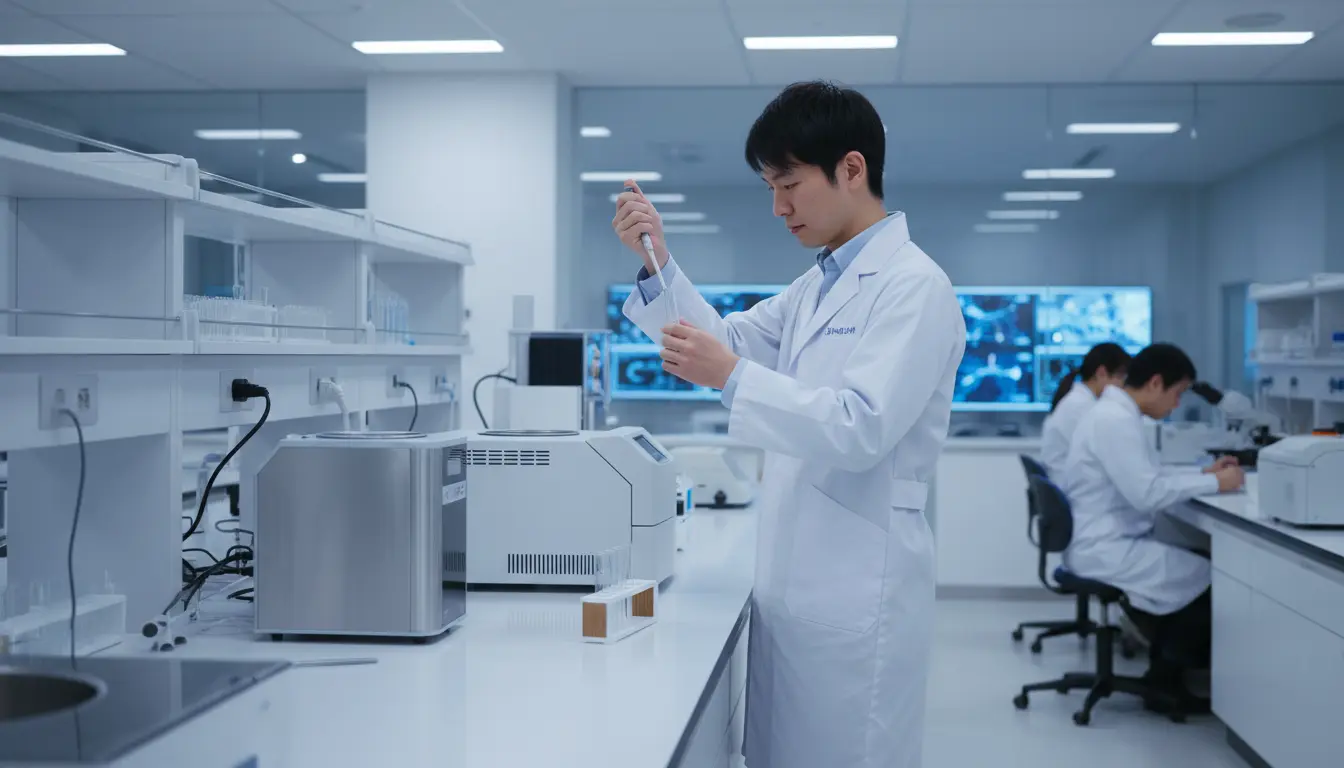 DNA testing has increasingly been used in recent years as a powerful tool for confirming biological parent-child relationships, identifying criminals, and uncovering the truth behind incidents and disputes between people. Beyond serving as legal evidence in court, its use for private confirmation purposes has also been growing year by year [ref:1].
However, few members of the public are aware that if there is ever an error in a test result, it can fundamentally overturn the lives of the person tested and those around them. Because DNA test results carry strong social trust as "scientifically grounded and certain," the impact when a result turns out to be wrong can be immeasurably severe.
A Shocking DNA Testing Error Case That Occurred in America
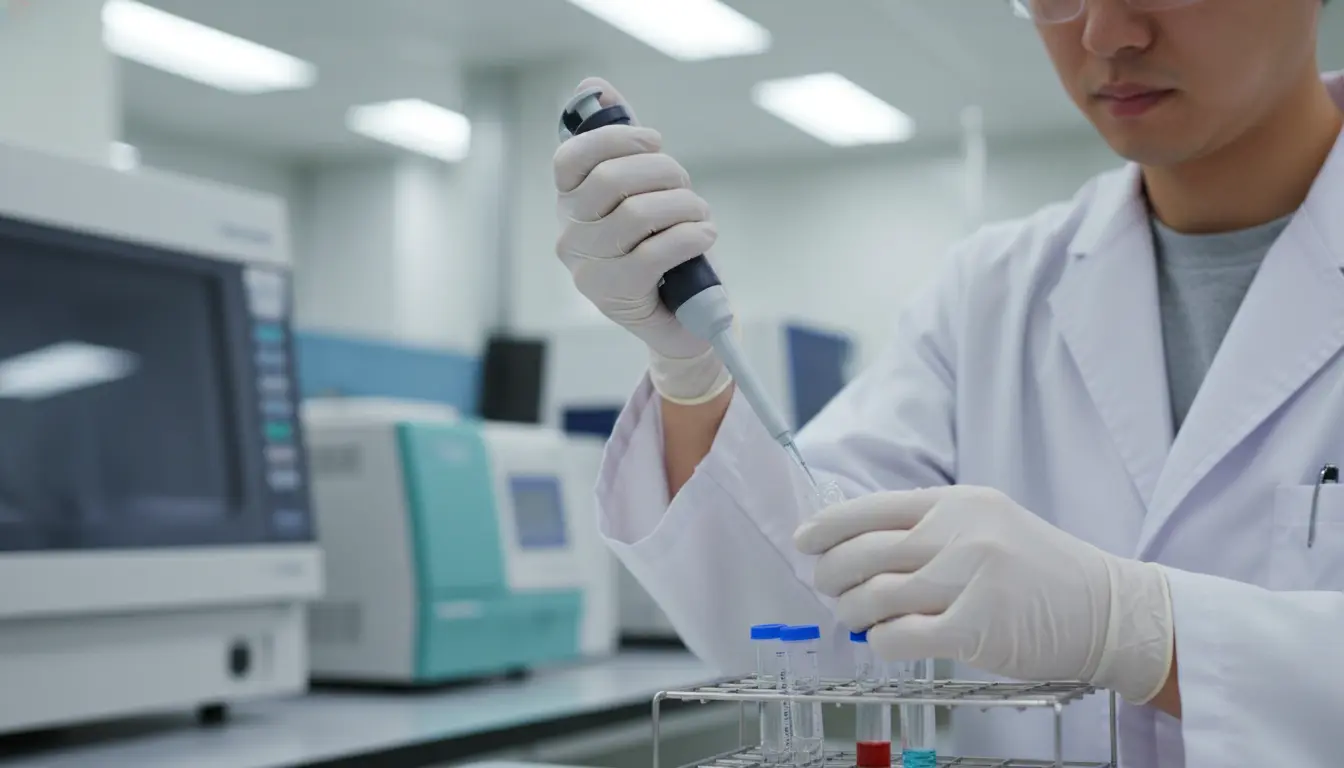 In July 2023, a misjudgment that occurred at the largest DNA testing organization in the United States became a major topic of discussion nationwide [ref:1]. A man living in Connecticut, USA, had requested a DNA test, and a serious error in the result completely stripped him of the opportunity to be recognized as the father of his child.
In response to this case, the court ordered the testing organization to pay $2.5 million (approximately 350 million yen) in damages. This ruling once again drove home to society the fact that even a scientific test such as DNA testing can lead to irreversible consequences due to operational errors.
News article that became a topic of discussion in America
For us at seeDNA, who handle DNA testing on a daily basis, this case was an important one that made us reflect deeply once again on the accuracy of DNA testing and the impact test results can have. Testing organizations must never forget that a DNA test result is not merely a number or piece of data, but something directly tied to a person's life and the bonds within a family.
Concrete Impacts of a Testing Misjudgment

If a DNA test result is wrong, every decision and action based on it becomes wrong as well. In confirming a parent-child relationship, a true parent could be mistakenly identified as unrelated, fundamentally destroying the family relationship. In criminal investigations too, there is a risk that someone who is not the actual perpetrator could be mistakenly arrested [ref:2].
The impacts caused by such incorrect test results are wide-ranging.
- Breakdown of family relationships: An incorrect test result may lead to a determination that there is no blood relationship despite an actual parent-child relationship, potentially resulting in the loss of custody or visitation rights
- Financial loss: Enormous financial burdens can arise from litigation costs, unjust payment or non-payment of child support, and compensation for emotional distress
- Loss of social reputation: DNA test results are extremely sensitive information, and if an incorrect result becomes known to others, social trust and reputation can be severely damaged
- Psychological damage: The psychological shock of being told that a child is not one's own is immeasurable and can lead to serious psychological issues such as depression or PTSD
- Risk of wrongful conviction: If a testing error occurs in a criminal investigation, the worst-case scenario could involve an innocent person being detained for a long period
In particular, once the family bond with one's most beloved child is broken, it is not something that can easily be restored. In the Connecticut case mentioned above, the man permanently lost precious time that he could have spent watching his child grow up. This is an irreplaceable loss that can never be compensated for with money.
Main Causes of Errors in DNA Testing
Errors in DNA testing arise not only from technical limitations but also from various operational factors. For anyone requesting a DNA test, understanding where errors can occur is extremely important when choosing a reliable testing organization [ref:3].
- Sample mix-ups and contamination: When processing multiple samples at the same time, mislabeling or cross-contamination between samples can occur. Organizations with more manual processes face a higher risk of this.
- Inadequate quality management systems: Without a proper quality management system (QMS) in place, it becomes difficult to detect errors throughout the entire testing process. Organizations that do not adhere to international standards for management systems tend to be more prone to such problems.
- Human error: Data entry mistakes, misreading of results, and mistakes in preparing reports can always occur in processes that involve human intervention.
- Insufficient number of analyses: Finalizing a result based on only a single analysis risks overlooking incorrect data caused by a temporary equipment malfunction or reagent degradation.
- Sample degradation: If a sample is stored improperly after collection, the DNA can degrade, making accurate analysis difficult.
The Importance of Accuracy Management and the Responsibility of a Testing Organization
Accuracy management in DNA testing is the single most important element among all testing processes. To maintain the reliability of test results, it is essential not only that the organization or facility conducting the test has high technical capability, but also that testing is carried out under proper quality management [ref:4].
While it is theoretically and practically impossible to achieve 100% accurate test results, because DNA testing results can directly affect a person's life, no effort should be spared in striving to bring accuracy as close to 100% as possible.
When requesting a test, it is extremely important to check the reliability and track record of the testing organization. Also, if there is anything suspicious or questionable about a test result, retesting at a different organization should be considered.
DNA testing technology continues to advance day by day, but along with this, the need to properly handle entrusted samples and fully understand the impact of test results is also growing.
Key Points for Choosing a Reliable DNA Testing Organization
When requesting a DNA test, checking the following points can help you choose a more reliable testing organization.
- Status of international quality certifications: Whether an organization holds international quality management standards such as ISO9001 or ISO17025 is an important indicator of its reliability
- Personal information protection system: DNA information is the ultimate personal information. Check whether a proper personal information protection system is in place, such as obtaining the Privacy Mark
- Analysis method and accuracy guarantee: It is important to check in advance what analysis method is used, how many analyses are performed, and what the accuracy guarantee involves
- Level of testing automation: How automated the testing process is, in order to minimize human error, is also an important checkpoint
- Track record and presence of specialized staff: Whether the organization has an extensive testing track record and staff with expert knowledge in genetics is another factor worth checking
seeDNA's Quality Management System
seeDNA is a DNA testing organization that has obtained ISO9001, the international quality management standard, and the Privacy Mark for personal information protection. We provide DNA testing that guarantees testing accuracy 10 times the international standard, using the latest fully automated system combined with a double-check system involving two rounds of analysis to prevent human error.
The quality management system that seeDNA employs is as follows.
- Sample receipt and confirmation: Received samples are strictly checked by specialized staff and entered into the fully automated system. Barcode management eliminates the risk of mix-ups.
- First analysis: Using the latest genetic analysis equipment, a DNA profile is obtained using a number of loci that greatly exceeds the international standard.
- Second analysis (double check): An independent second analysis is performed on the same sample, and the results are cross-checked against the first to prevent misjudgments caused by equipment errors or temporary malfunctions.
- Result determination and report preparation: After cross-checking by multiple specialized staff members, the final test result is confirmed and delivered to the requester in a report.
Through this series of processes, we provide the most accurate and reassuring results possible. If you are troubled by questions about blood relationships with parents, siblings, grandparents, or other family and relatives, please feel free to consult seeDNA.
[Free Consultation with Specialized Staff]
[Toll-Free Number]
0120-919-097
[Business Hours]
Mon-Sun 9:00 AM - 6:00 PM (excluding holidays)
Frequently Asked Questions
Q1. What is the probability of a misjudgment occurring in DNA testing?
A. At testing organizations with proper quality management systems, the probability of a misjudgment occurring is considered extremely low. However, at organizations with inadequate quality management, there is a risk of misjudgment occurring due to sample mix-ups, contamination, or human error. At seeDNA, this risk is minimized through a fully automated system and a double-check system involving two rounds of analysis.
Q2. What should I do if I have doubts about a DNA test result?
A. If you notice anything suspicious or have doubts about a test result, first contact the organization that performed the test and ask for a detailed explanation. If you are still not satisfied, we strongly recommend requesting a retest at another reliable testing organization. If the same result is obtained at a different organization, the reliability of the test can be confirmed.
Q3. What are the benefits of choosing a DNA testing organization that holds ISO9001 certification?
A. ISO9001 is an international standard for quality management, and organizations holding this certification have been recognized by a third-party body as having a rigorous quality management system in place throughout the entire testing process. Because they undergo regular external audits, there is the benefit of guaranteed continuous quality improvement.
Q4. Specifically, what kind of testing method is the double-check with two rounds of analysis?
A. The double-check with two rounds of analysis is a method in which two independent genetic analyses are performed on the same sample, and the results of both are cross-checked to reach a final determination. This makes it possible to detect anomalies in the second analysis and prevent misjudgment, even if the first analysis was affected by a temporary equipment malfunction or reagent issue.
Q5. Are there any conditions for a DNA test result to be accepted as evidence in court?
A. For a result to be accepted as evidence in court, it is required that the "Chain of Custody" be strictly managed from sample collection through analysis to the preparation of the report. In addition, the reliability of the organization that performed the test and the qualifications and experience of the analyst are also important factors. If you are using DNA testing for legal purposes, please consult with specialized staff in advance.
Q6. What differences are there between overseas DNA testing organizations and Japanese organizations?
A. Because certification systems and legal requirements differ from country to country, a direct comparison is difficult in some respects. However, if the purpose is for use within Japan, it is preferable to choose a domestic testing organization that is well versed in Japan's legal system and can respond in Japanese. seeDNA guarantees accuracy that greatly exceeds international standards while also providing courteous support in Japanese.
Reassuring Support from the seeDNA Genetic Medical Research Institute
The seeDNA Genetic Medical Research Institute is a trusted and reliable DNA testing and genetic testing organization that has obtained ISO9001, the international quality standard, and the Privacy Mark for privacy protection.
If you are troubled by concerns about family or parent-child blood relationships, or a partner's infidelity, our DNA testing experts will provide reassuring support, so please feel free to contact us.
[Free Consultation with Specialized Staff]

If you have any questions,
please feel free to contact our toll-free number.
/We are open every day, including weekends/
Business hours: Mon-Sun 9:00 AM-6:00 PM
(excluding holidays)
 Author
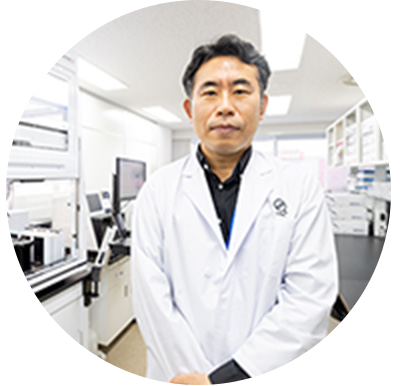
Dr. Yoshinori Tomikane, M.D., Ph.D.
Completed a master's/doctoral program in Biological and Molecular Information Medicine at the University of Tsukuba Graduate School
In 2017, developed Japan's first prenatal DNA testing (Patent 7331325) using trace-amount DNA analysis technology (Patent 7121440)