
Rewritten: September 8, 2025
DNA testing boasts an accuracy of over 99.99%, but misjudgments can occur due to sample contamination, genetic mutation, chimerism, and other factors. Experts explain in detail the importance of choosing a reliable testing institution and undergoing retesting.
- ・Can DNA testing really produce errors?
- ・Why are true biological parent and child sometimes misjudged as "unrelated"?
- └ Cause of misjudgment ①: Genetic mutation
- └ Cause of misjudgment ②: Chimerism, an extremely rare genetic anomaly
- └ Cause of misjudgment ③: Sample contamination, mix-ups, or degradation
- ・What kind of damage can an incorrect DNA test result cause?
- ・What should you do if you're not satisfied with your paternity test result?
- ・What should you be careful about when undergoing DNA testing?
- ・Summary
Can DNA testing really produce errors?
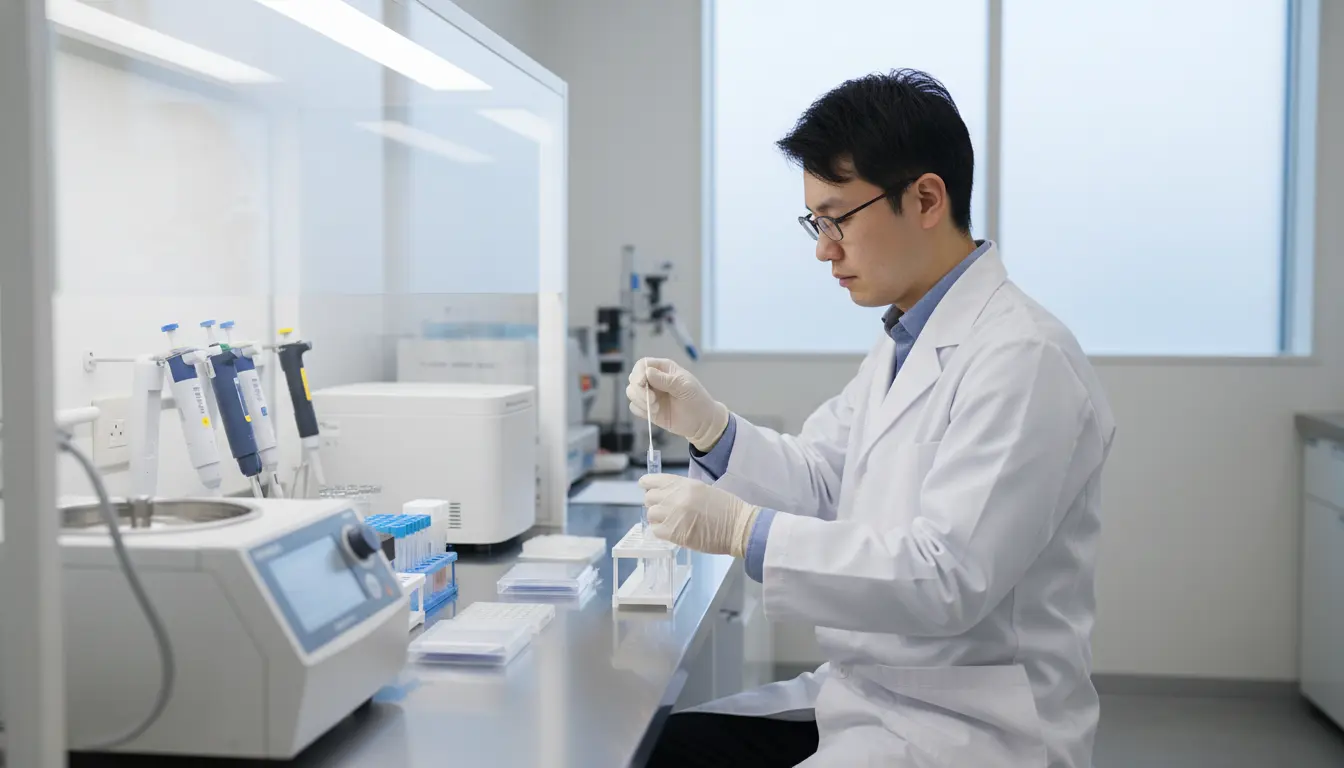
DNA testing boasts a very high accuracy of over 99.99%, but that does not mean errors can never occur. In fact, cases have been reported where test results differ, or where a true parent and child are judged to be "unrelated".[ref:1]
DNA paternity testing generally uses a method that compares multiple specific regions of DNA called STR (Short Tandem Repeat) markers. Because a child inherits one set of STRs from the father and one set from the mother, the child's STR type must always match one of the parents. Based on this principle, the DNA types of the tested individuals are compared and the presence or absence of a parent-child relationship is evaluated statistically.[ref:2]
However, even in this precise process, misjudgments can occur due to various factors such as the following:
- Sample mix-ups (mislabeling, mixing during shipping, etc.)
- Contamination of the sample with another person's DNA
- Differences in testing accuracy and number of loci analyzed between testing institutions
- Genetic mutation in the subject
- Extremely rare genetic anomalies such as chimerism
If you use an uncertified testing institution in particular, there is a possibility of deficiencies in sample handling or analysis accuracy. Also, the fewer STR loci used in analysis, the higher the risk of coincidental matches or mismatches. Current international standards recommend analyzing 20 or more loci, but low-cost simplified test kits sometimes analyze only around 15 loci, which leads to differences in accuracy.[ref:5]
If you feel the result is wrong, it is important to always get retested at a reliable testing institution.
Why are true biological parent and child sometimes misjudged as "unrelated"?
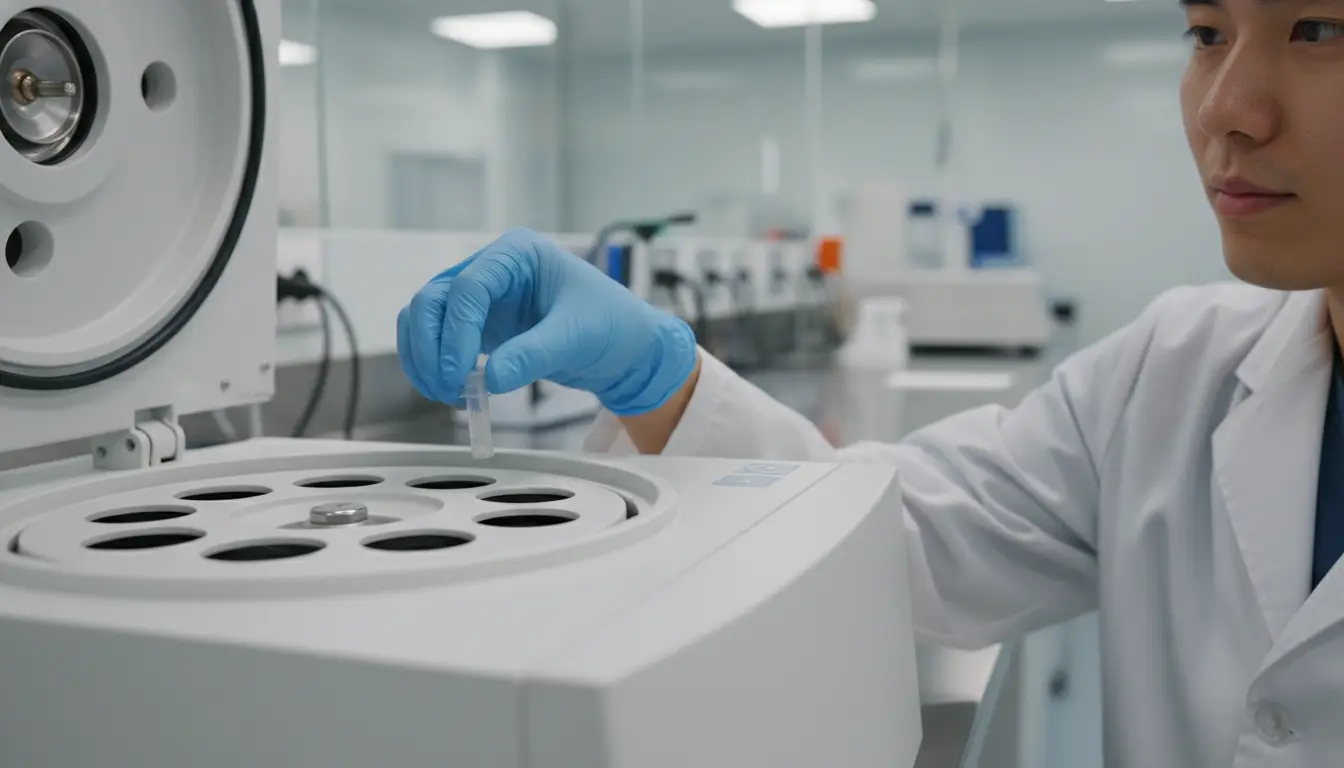
DNA testing is an extremely accurate method, but in rare cases, a true parent and child are mistakenly judged to be "unrelated". The causes of this phenomenon fall broadly into two categories: "genetic factors" and "technical factors."
Cause of misjudgment ①: Genetic mutation
One of the main causes is genetic mutation. This occurs when the DNA sequence changes during cell division, and when part of the genetic information inherited from a parent naturally mutates, DNA that should normally match no longer matches, which can lead to misjudgment.[ref:3]
The mutation rate in STR regions is estimated at approximately 0.1-0.4% per locus. Although this is a low probability, it is not uncommon for one or two mismatches to occur when analyzing multiple loci. Experienced testing institutions take into account the possibility of mutation when one or two loci mismatch, but institutions with insufficient knowledge or experience risk immediately concluding "no parent-child relationship."[ref:3] [ref:6]
If a mismatch due to mutation is suspected, expanding the number of loci analyzed from 20 to 40 or more allows the parent-child relationship to be confirmed at many other loci, enabling an accurate evaluation.
Cause of misjudgment ②: Chimerism, an extremely rare genetic anomaly
As a medically very rare case, there is also a genetic anomaly called "chimerism." Chimerism is a condition in which cells with different DNA coexist within a single body, and a person may have different genetic information in their blood versus their oral mucosa, or in their skin versus their internal organs. It mainly occurs when twin embryos fuse together in early pregnancy, and since the person appears completely normal on the outside, in most cases even the individual themselves is unaware of it.
If a person with this condition undergoes DNA testing, the DNA in the sample used may not match the DNA information inherited from the parent, potentially resulting in the parent-child relationship being denied.
In fact, in the United States, in 2002 a woman named Lydia Fairchild had her biological relationship with her own children denied by a DNA test. Because the DNA extracted from her oral mucosa differed from the DNA contained in her ovarian cells, she was judged to be "unrelated" despite being the biological mother. Subsequently, detailed testing that collected DNA from multiple tissues revealed that she was a chimera, and the parent-child relationship was recognized.[ref:4]
Cause of misjudgment ③: Sample contamination, mix-ups, or degradation
Aside from genetic factors, misjudgments can also occur due to technical problems originating from the sample itself.
- Contamination: Accurate analysis can be hindered if another person's DNA gets attached during oral swab collection, or if improper handling of collection equipment causes DNA from a different sample to become mixed in.
- Sample mix-ups: When multiple samples are processed at the same time, mislabeling or swapping of sample containers can result in comparing the DNA of a completely different person.
- Sample degradation: If a sample is exposed to high heat and humidity for a long time, or degrades due to improper storage, the DNA can break down, making accurate typing difficult.
These technical factors are prevented by strict protocols at testing institutions with proper quality control systems, but the risk increases at uncertified institutions or with simplified at-home collection kits.[ref:7]
What kind of damage can an incorrect DNA test result cause?

If a DNA test result is wrong, it can cause serious harm to individuals and families. If a parent-child relationship exists but is judged to be "unrelated," legal rights (such as legitimation, support, and inheritance) may be unfairly denied. Conversely, if there is no parent-child relationship but it is mistakenly judged as "related," a person may be unfairly burdened with child support or legal responsibility.
| Type of damage | Specific content | Severity of impact |
|---|---|---|
| Legal damage | Unfair denial or granting of legitimation, inheritance rights, or support obligations | Extremely high |
| Psychological damage | Breakdown of trust within the family, mental distress | Extremely high |
| Financial damage | Unfair child support burden, exclusion from inheritance | High |
Because DNA test results are treated as extremely important evidence in Japanese family court proceedings, if their accuracy is not guaranteed, it can lead to irreversible consequences. If legal proceedings have already advanced based on an incorrect test result, overturning that result later can require a great deal of time and expense.
What should you do if you're not satisfied with your paternity test result?
If you are not satisfied with a DNA test result, first calmly organize the situation. The first things to check are the collection method and storage condition of the sample used for the test, and the reliability of the testing institution you used. With simplified test kits or unauthorized institutions, there is a possibility of misjudgment due to sample mix-ups or insufficient analysis accuracy.
Points to check when considering a retest are as follows:
- Check the type and collection method of the sample used in the previous test
- Check whether the number of loci analyzed listed in the test report is 20 or more
- Check whether the testing institution has obtained ISO certification or other quality certifications
- For the retest, change the collection site (e.g., from oral mucosa to blood)
- Check whether identity verification of the submitter is thoroughly conducted
In very rare cases, the person may have a chimeric DNA type, so it may become necessary to collect DNA from various tissues. In particular, if the test result is to be used in a legal setting, it is very important for protecting your own rights to request a second opinion from another reliable institution.
What should you be careful about when undergoing DNA testing?
To undergo DNA testing accurately and with peace of mind, it is essential to first choose a reliable testing institution. To prevent misjudgment, it is advisable to choose an institution that has obtained quality certifications such as ISO, or an established third-party institution.
- Check quality certification: Check whether the institution has obtained certifications such as ISO 9001 or a Privacy Mark (P Mark).
- Check the number of loci analyzed: Check whether the number of loci used for STR analysis is 20 or more. The more loci, the higher the accuracy.
- Check the sample management system: Check whether a double-check system is in place from sample receipt through analysis to result reporting.
- Check legal validity: If the result will be used in court or administrative procedures, it is important to confirm in advance whether the test report will be issued in a legally recognized format.
Attention must also be paid to the sample collection method. Oral swabs are the most common and simple method, but eating, drinking, or smoking within 30 minutes before collection can affect the quality of the sample. Also, if the test result is to have legal effect, it is necessary to choose a formal test conducted through a court or attorney. Since private tests may not be accepted as evidence in court, choose the appropriate type of test according to your purpose.
Summary
DNA testing is a highly accurate technology, but if there are problems in sample handling or the analysis process, the possibility of an incorrect result is not zero. In particular, a misjudgment in which a true parent and child are declared "unrelated" is a serious problem with major psychological and legal consequences.
Besides exceptional factors like genetic mutation or chimerism, there are many causes such as sample contamination or insufficient institutional reliability. When you have doubts about a result, you need to calmly consider retesting and take legal steps if necessary.
The most important thing is to choose a reliable testing institution from the very beginning. Selecting a testing institution based on objective indicators such as ISO certification, number of loci analyzed, and sample management system is the best way to minimize the risk of misjudgment. DNA testing is a scientifically highly reliable technology, but to make correct use of its results, careful preparation and judgment from the very first stage of testing are essential.
\Zero misjudgments since the service began/
 Apply / Purchase Kit
Frequently Asked Questions
Q1. What is the probability of an error occurring in a DNA test?
A. The accuracy of DNA testing is said to be over 99.99%, so the probability of an error is extremely low. However, due to factors such as sample contamination or mix-ups, insufficient number of loci analyzed, genetic mutation, and chimerism, the possibility of a rare misjudgment is not zero. Choosing a reliable testing institution can minimize these risks.[ref:1]
Q2. What is chimerism? How does it affect DNA testing?
A. A chimera is a condition in which two or more genetically distinct cell lineages coexist within a single body. It mainly occurs when twin embryos fuse together in early pregnancy. Because a chimeric person's DNA type may differ depending on the collection site, such as blood versus oral mucosa, the parent-child relationship may be denied in DNA testing. If chimerism is suspected, an accurate judgment can be made by collecting and analyzing DNA from multiple tissues.[ref:4]
Q3. What should I do if I'm not satisfied with my DNA test result?
A. First, check the type of sample used, the collection method, the number of loci analyzed, and the certification status of the testing institution used in the previous test. After that, we recommend undergoing a retest (second opinion) at a different testing institution that has obtained ISO certification. During the retest, changing the collection site or increasing the number of loci analyzed can be expected to produce a more accurate result.
Q4. Does analyzing more loci in a DNA test increase accuracy?
A. Yes, in general, the more loci analyzed, the higher the accuracy of the test. Current international standards recommend analyzing 20 or more loci. If there are more loci, even if a mismatch due to mutation occurs at one or two locations, the parent-child relationship can be confirmed at many other loci, greatly reducing the risk of misjudgment.[ref:5]
Q5. How can I get a legally valid DNA test?
A. To get a legally valid DNA test, you need to request a formal test through a court or attorney. Specifically, it is important to choose a test format in which a third party verifies identity and is present at sample collection, and the chain of custody of the sample is strictly recorded. Please note that results from tests conducted privately by mail may not be accepted as evidence in court.
Q6. Can a correct parent-child determination still be made in a DNA test even if there is a genetic mutation?
A. Yes, even if there is a mutation, a correct determination is possible with appropriate handling. The mutation rate in STR regions is approximately 0.1-0.4% per locus, and mismatches are usually limited to one or two locations. Experienced testing institutions perform statistical evaluation taking into account the possibility of mutation, and can make an accurate determination by adding more loci to the analysis as needed.[ref:3]
Reliable Support from seeDNA Genetic Medicine Research Institute
seeDNA Genetic Medicine Research Institute is a trusted specialist institution for DNA testing and genetic testing that has obtained the international quality standard ISO 9001 and the Privacy Mark for privacy protection.
If you have concerns about family or parent-child relationships, or a partner's infidelity, our DNA testing experts are here to support you so you can feel at ease — please feel free to contact us.
[Free consultation with specialist staff]

If you have any questions,
please feel free to contact our toll-free number.
\Open every day, including weekends/
Business hours: Mon-Sun 9:00-18:00
(excluding holidays)
Author
Hikari Okamoto
Obtained a pharmacist license in 2014 and worked at a major drugstore chain, mainly handling sales of over-the-counter medications and cosmetics.
She then became an independent medical writer in 2018, and has since written articles on prenatal testing, children's health, medications, and health foods.