
Rewritten: October 2, 2025
A comprehensive explanation of the legal and ethical background of prenatal paternity DNA testing. We take a deep dive into Japan's legal void, a comparison with overseas regulations, the problem of presumption of legitimacy, ethical issues, and future prospects.
Along with the joy of pregnancy come various anxieties. One of them is the extremely delicate worry of who the father of the child in the womb is. In the past, there was no choice but to wait until birth, but advances in science and technology have now made it possible to identify the father of a fetus from the mother's blood during a very early stage of pregnancy. This is what is known as "prenatal paternity DNA testing."
This test is often confused with "NIPT (Non-Invasive Prenatal Testing)," but its purpose is entirely different. NIPT examines the risk of chromosomal abnormalities in the fetus (such as Down syndrome), whereas prenatal paternity DNA testing is specifically designed to determine the biological relationship between the fetus and a candidate father.
Today, a non-invasive testing method using cell-free fetal DNA (cffDNA) present in maternal blood has been established, making it possible to safely undergo testing from early in pregnancy(1). With these technological advances, the number of prenatal paternity tests performed worldwide has been on the rise(2).
While attracting attention for its convenience, this testing technology also poses heavy and complex questions for our society from legal and ethical perspectives. This article takes a deep dive into why prenatal paternity DNA testing is needed from a market-demand perspective, its legal standing in Japan and abroad, and the ethical issues we must confront.
- ・Why is it needed? The demand for prenatal paternity DNA testing
- └ 1. Diversifying family forms and relationships
- └ 2. The child's welfare and stability of legal status
- └ 3. The mother's emotional stability
- └ 4. Technological progress driving demand
- ・The legal background and regulatory "void" in Japan
- └ The wall of Article 772 of the Civil Code: "presumption of legitimacy"
- └ An unregulated market and providers' voluntary standards
- ・Legal and ethical debates overseas
- └ The United States: growing commercialization alongside state-level regulation
- └ The United Kingdom: the "Human Tissue Act," which emphasizes consent
- └ France and Germany: strict regulation and "family peace"
- ・Ethical issues raised by prenatal paternity DNA testing
- ・Future prospects: the path we should take
- ・Conclusion: coming to terms with the weight of knowing the truth
Why is it needed? The demand for prenatal paternity DNA testing

The desire to know who the father is before birth is by no means unusual. It reflects not only the earnest concerns of women, but also those of men and surrounding family members, as well as thoughts for the future of the child to be born. In recent years, changes in social structure combined with technological progress have made this need greater than ever before.
1. Diversifying family forms and relationships
In modern society, children are increasingly born to unmarried couples, and family structures have become more complex due to divorce and remarriage. According to vital statistics from the Ministry of Health, Labour and Welfare, the proportion of children born out of wedlock (non-marital children) in Japan has been on the rise in recent years, reflecting the diversification of common-law marriages and partnerships(3).
When pregnancy is discovered under such circumstances, it is not uncommon for doubts to arise, such as "Is this really my current partner's child?" or "Could this be a child from a previous partner?" This uncertainty places a significant emotional burden on the woman. In addition, some men wish to confirm the biological relationship in order to fulfill their responsibilities as a father, making this a pressing issue for both parties.
2. The child's welfare and stability of legal status
Determining the child's father early on is an important matter directly linked to the child's welfare. Under Japan's legal system in particular, establishing paternity is closely tied to the submission of birth notifications, entries in the family register, and the application of various social security systems. Specific points include the following.
- Claiming child support: In order to legally claim child support from the father after birth, paternity must first be established. In mediation or adjudication at family court, DNA test results are treated as extremely strong evidence.
- Acknowledgment (ninchi): When a father signs the birth notification and acknowledges the child, a legal parent-child relationship is established. If voluntary acknowledgment is not made, the mother can file a lawsuit for compulsory acknowledgment, but proving the biological father-child relationship is essential for this as well.
- Inheritance rights: Unless there is a legal parent-child relationship, a child cannot inherit the father's assets. It is only through acknowledgment that the child gains status as a legal heir.
The need to identify the father before birth in order to smoothly proceed with these legal procedures is extremely high. By establishing paternity early, potential legal disputes that may arise after birth can be prevented, and the child's rights can be reliably protected.
3. The mother's emotional stability
During pregnancy, a woman's mind and body tend to become highly unstable due to hormonal changes. Sharp fluctuations in estrogen and progesterone can easily trigger low mood and anxiety, and the risk of prenatal depression has also been noted(4).
On top of this, continuing to carry the anxiety of not knowing who the father is can cause immeasurable stress. Recent research suggests that this stress may adversely affect not only the mother but also the fetus's development. Once the father is confirmed through testing, the mother can face childbirth with peace of mind, and it may also serve as an opportunity to build a relationship with her partner. Achieving emotional stability is an important factor for a healthy pregnancy and delivery.
4. Technological progress driving demand
In the past, prenatal paternity testing required the collection of amniotic fluid or chorionic villus samples, which were invasive methods carrying a risk of miscarriage. Amniocentesis carries an estimated miscarriage risk of about 0.1–0.3%, and chorionic villus sampling about 0.5–1%(5), meaning that undergoing testing itself required a major decision. However, recent technological innovation has made it possible to perform testing by analyzing fetal-derived DNA fragments (cell-free DNA) contained in the mother's blood, without placing any burden on either the fetus or the mother.
The emergence of this "non-invasive prenatal paternity testing (NIPP)" has greatly lowered the barrier to testing and brought latent demand to the surface. cffDNA (cell-free fetal DNA) in maternal blood becomes detectable from around week 7 of pregnancy, and its proportion increases as pregnancy progresses. Combined with next-generation sequencing (NGS) and SNP analysis, this technology achieves extremely high accuracy of over 99.9% in determining paternity.
The legal background and regulatory "void" in Japan

Despite this growing demand, there is no law in Japan that directly regulates prenatal paternity DNA testing itself. This is, so to speak, a "legal void," and it gives rise to several important issues. While guidelines exist from the Japan Society of Obstetrics and Gynecology for prenatal diagnosis such as NIPT, there are no clear guidelines in place for testing aimed at confirming paternity.
The wall of Article 772 of the Civil Code: "presumption of legitimacy"
Japan's Civil Code contains a provision known as the "presumption of legitimacy" (chakushutsu suitei) (Article 772 of the Civil Code)(6). This provision states that:
- A child conceived by a wife during marriage is presumed to be the child of the husband.
- A child born more than 200 days after the marriage was established, or within 300 days after the marriage was dissolved or annulled, is presumed to have been conceived during the marriage.
This provision was established to determine a child's father at an early stage and to stabilize the child's legal status. It is a system enacted during the Meiji era and was a reasonable presumption system reflecting the social conditions of that time. However, due to changes in women's lifestyles and rising divorce rates, cases in which this presumption diverges from biological fact have been increasing.
For example, if a woman conceives a child with another man while separated from her husband, or gives birth within 300 days after divorce to a child who is not her former husband's, the child is legally presumed to be the child of the (former) husband. This has given rise to a serious social problem in which birth notifications cannot be submitted and children end up without family registration (the so-called "300-day problem"). Surveys by the Ministry of Justice have confirmed the existence of unregistered individuals, and it is said that many of these cases stem from the presumption of legitimacy under Article 772 of the Civil Code(7).
It should be noted that under the 2022 (Reiwa 4) amendment to the Civil Code, part of the presumption of legitimacy system was revised, with the changes taking effect in April 2024. Specifically, a new provision was introduced stating that even if a child is born within 300 days after divorce, if the mother has remarried, the child is presumed to be the child of the new husband. However, this does not cover every case, and challenges remain.
Prenatal paternity DNA testing can serve as strong evidence for overturning this presumption of legitimacy. Using such test results, it is possible to legally establish the biological father-child relationship by filing a lawsuit with the family court to "deny legitimacy" or to "confirm the non-existence of a parent-child relationship". Supreme Court precedents have also positioned DNA test results as important evidence.
An unregulated market and providers' voluntary standards
Because there is no direct legal regulation, DNA testing within Japan currently relies on the voluntary ethical standards of individual providers. The accuracy of testing, the handling of personal information, and, above all, the counseling systems offered before and after testing vary greatly from provider to provider. For consumers, choosing which provider to use becomes an extremely important decision.
seeDNA Genetic Medical Research Institute, which offers prenatal DNA testing services in Japan, states that testing can be safely performed from as early as week 6 of pregnancy using only a blood sample from the mother, and that the test results can be used not only as private testing but also as legal testing(1). This indicates that the results are designed to be submitted as evidence in court proceedings, among other uses. When used as legal testing, additional processes are established to ensure evidentiary validity, such as strict identity verification procedures and the presence of a third party during sample collection.
Indicators for choosing a reliable testing institution include whether it has obtained the international quality standard ISO 9001, Privacy Mark certification, and AABB (American Association of Blood Banks) accreditation. Institutions with these certifications are guaranteed to meet certain standards for quality control of testing processes and data security management.
In this way, while testing is technically easy to access, its use is left up to individual judgment, and Japan's legal framework and social support systems have not kept pace. From the standpoint of consumer protection, it would be desirable to establish some form of official standards or guidelines.
Legal and ethical debates overseas

The situation surrounding prenatal paternity DNA testing varies greatly from country to country. Looking at the legal regulations and social debates in each country makes the complexity of this issue even more apparent. Each country, with its own distinct historical and cultural background, takes a different approach in balancing individual rights against family protection.
The United States: growing commercialization alongside state-level regulation
In the United States, prenatal paternity DNA testing is widely offered as a business, and kits can be ordered online, making it extremely easy to access. Test results are widely used for legal purposes such as custody, child support, and immigration procedures. In immigration cases in particular, DNA testing is sometimes incorporated as part of the formal process for proving family relationships.
While accrediting bodies such as the AABB (American Association of Blood Banks) set quality standards for testing, regulation of undergoing testing itself is relatively lax(8). Testing facilities accredited by the AABB are subject to regular external audits and must comply with strict quality control standards. However, in New York State, for example, conducting paternity testing—even with the consent of the parties—is strictly restricted unless ordered by a court, showing that individual states maintain their own regulations. Because family law differs by state, such as California and Texas, the legal effect of test results and the situations in which they can be used vary, so the situation is not uniform even within the United States.
Reference: DNA paternity testing – Wikipedia
The United Kingdom: the "Human Tissue Act," which emphasizes consent
In the United Kingdom, the "Human Tissue Act 2004" has a major impact on DNA testing(9).
This law requires "appropriate consent" to be obtained for the collection, storage, and use of any human tissue, including DNA samples. Collecting another person's DNA sample without consent and having it tested is regarded as "DNA theft" and is subject to criminal penalties. For children under the age of 16, consent from a parent or guardian is required. This law strongly protects an individual's right to self-determination regarding their genetic information.
Furthermore, the UK's Ministry of Justice operates an accreditation system for paternity testing providers, establishing a systematic framework from the standpoint of consumer protection. Only accredited providers can offer legally valid testing, and the accreditation standards include compliance with ISO 17025 (general requirements for the competence of testing and calibration laboratories).
Reference: Human Tissue Act – The law you need to know | EasyDNA UK
France and Germany: strict regulation and "family peace"
France and Germany take a very strict stance on paternity testing. In France, private paternity testing is, in principle, prohibited by law unless ordered by a court(10). Article 16-11 of the French Civil Code limits genetic testing to medical purposes or cases based on a court order, and violations can result in a fine of up to 15,000 euros or imprisonment for up to one year.
In Germany as well, testing conducted secretly without the consent of the parties involved is illegal. Under the "Genetic Diagnosis Act (Gendiagnostikgesetz)," enacted in 2008, DNA testing is legal only with the written consent of all parties involved, and secret testing is both legally invalid and subject to penalties.
Behind these countries' approaches lies a set of values centered on "maintaining family peace" and "protecting the child's identity." The state intervenes strictly to prevent casual testing from destroying family relationships and undermining the child's welfare. In French legal philosophy, there is a tradition of valuing "the stability of social parent-child relationships" over "biological truth," and this underlies the regulation.
Reference: How to do a paternity test in France? – Infotestadn.com
As shown above, the approaches of different countries vary widely, ranging from positions that emphasize individual freedom and the right to know, to positions that prioritize family stability and the protection of the child. Japan's "legal void" poses a question to us as a society: which stance should we take among these values?
Ethical issues raised by prenatal paternity DNA testing
Behind the "bright side" of being able to easily learn the truth lies a deep "shadow" that may shake individual dignity, life itself, and family relationships. The ethical issues listed below are all important points that cannot be avoided when considering the use of this technology.
- The child's "right to know" and "right not to know"
Children have the right to know their origins—that is, who their biological parents are. Article 7 of the UN Convention on the Rights of the Child also states that a child has "the right, as far as possible, to know and be cared for by his or her parents." However, this is a right that should be respected when the child, as they grow, seeks that information of their own will. Is it truly in the child's welfare for their origins to be unilaterally revealed before birth for the parents' convenience, forcing them to live with that information without any choice in the matter? The child's "right to know" is, at the same time, inseparable from the "right not to know." The ethical validity of parents making decisions about a child's genetic origins before birth deserves careful consideration. - Women's right to self-determination and pressure from partners
Whether or not to undergo testing should, in principle, be decided by the woman herself. From the perspective of reproductive rights, the right to make decisions about a pregnant woman's body belongs to her alone. In reality, however, there are no shortage of cases where a partner coerces her into testing, saying things like "prove it's really my child." This is a form of "reproductive coercion," in which a partner attempts to control decisions related to pregnancy and childbirth while ignoring the woman's will—a serious human rights violation. Cases have been reported in which testing is coerced in the context of domestic violence (DV) or moral harassment, and there is a recognized need for testing institutions to establish mechanisms to confirm that clients are acting of their own free will. - The bioethics and selection of fetal life
The most serious ethical issue is the possibility that test results may be directly linked to the life of the fetus. If it is discovered that the child belongs to an unwanted partner, it is entirely conceivable that this could trigger an induced abortion. Society as a whole needs to seriously discuss the propriety of a life being "selected" based on who the father is. This shows that prenatal paternity DNA testing carries with it a weighty bioethical issue that goes far beyond simply confirming a parent-child relationship. Just as the link between trisomy detection in NIPT and induced abortion is socially debated, prenatal paternity testing also cannot avoid bioethical debate, in that its results may influence the fate of the fetus. - Impact on family relationships
If testing denies a father-child relationship, it may lead to the breakup of a couple or the collapse of a family. In households that already have other children in particular, the test results can spill over into sibling relationships, causing serious damage to the family as a whole. Even if the father-child relationship is affirmed, once doubt has taken root it may not be completely dispelled, casting a subtle shadow over the subsequent parent-child and marital relationship. The very fact that "testing was undergone" can create a crack in trust, and knowing the truth does not always lead to a happy future. - Privacy of genetic information
DNA is the ultimate form of personal information. How the genetic information obtained through testing is managed and protected is extremely important. In Japan, there is general protection under the Act on the Protection of Personal Information, but legal protection specific to genetic information is not sufficient. Unlike the United States' GINA (Genetic Information Nondiscrimination Act), Japan has no law that clearly prohibits discrimination based on genetic information, so the risk of information being leaked or used for unintended purposes must also be considered. There are many things users should confirm in advance, including the testing institution's information security measures and its policy for disposing of samples and data after testing.
None of these ethical issues have easy answers. That is precisely why, when considering testing, it is important to think deeply and carefully not only about the technical aspects, but also about the impact that the results may have. Consulting with an expert or receiving counseling before testing can help you organize your own feelings and mentally prepare for the possible scenarios ahead.
Future prospects: the path we should take
Technology has advanced faster than social debate and legislation can keep up. This is the current state of affairs surrounding prenatal paternity DNA testing in Japan. What should we do to close this gap? Below, we organize the directions that should be pursued going forward.
- Legislation and the development of guidelines
Should Japan regulate strictly, as in France, or emphasize consent, as in the UK? A national-level debate is needed on what kind of legal framework is desirable, given Japan's cultural and social background. The 2022 amendment to the Civil Code, which revised part of the presumption of legitimacy system, was a step forward, but a comprehensive regulatory framework for prenatal DNA testing still does not exist. Even if strict legal regulation proves difficult, it is urgent that bodies such as the Japan Society of Obstetrics and Gynecology and the Japan Society of Human Genetics take the lead in establishing reliable guidelines regarding who should be tested, under what conditions, and how counseling should be conducted. There is a precedent in the certification system for NIPT established in 2022 under the leadership of the Ministry of Health, Labour and Welfare, and the possibility of applying a similar framework to prenatal paternity testing should be considered. - Enhancing genetic counseling systems
The most important element is the role of genetic counseling. Before undergoing testing,
■ why one wants to undergo testing
■ what testing will and will not reveal
■ what situations may arise once the results are available
■ how to accept those results and how to act on them
are all points that should be considered deeply together with a professional counselor. In Japan, the number of certified genetic counselors is still not sufficient, and there is a need to expand their training and placement. Also essential is a system of emotional support after testing, particularly if the results are not the ones desired. Testing should not be a goal in itself; rather, it should be the starting point from which clients go on to live their lives together with the results. Ideally, a system should be built in which testing institutions can provide comprehensive, one-stop support in collaboration with psychological counselors and legal experts. - Deepening society's understanding and debate
This is not an issue that concerns only those directly involved. It poses fundamental questions to each of us: what is a family, what is a parent-child relationship, and what is life? It is hoped that, through this issue being taken up in the media and in education, and through deepening debate from diverse perspectives, understanding and consensus will form across society as a whole. In particular, it is important to enhance bioethics education and to create opportunities—such as public lectures and symposiums for citizens—where experts and the general public can think about these issues together. We must cultivate a foundation for calm, evidence-based societal debate on the possibilities and challenges brought by technology, rather than reacting emotionally.
These efforts cannot be achieved overnight, but as technological progress accelerates, they cannot be postponed either. It is hoped that many stakeholders will participate and that a well-balanced institutional framework will be developed.
Conclusion: coming to terms with the weight of knowing the truth
Prenatal paternity DNA testing is a groundbreaking technology with tremendous benefits, easing the anxiety carried by pregnant women and stabilizing a child's legal status at an early stage. With the establishment of a non-invasive method using cell-free DNA in maternal blood, there is no longer a need to undergo the invasive testing of the past, which carried a risk of miscarriage, and safe testing is now possible from early in pregnancy. On the other hand, if misused, it is also a double-edged sword that can harm individual dignity, destroy family relationships, and even affect the life of the fetus.
Currently, in Japan, where there is no legal regulation, the decision of whether to undergo testing rests entirely in the hands of the individual. Looking abroad, there are countries such as the United States where testing is commercially widespread, and countries such as France and Germany where testing without a court order is strictly restricted. As each country takes a different approach based on its own values, Japan too needs to build social consensus on this issue.
That is precisely why anyone considering using this technology must fully understand the weight of the legal and ethical issues lying behind its convenience, and take time to pause and think. There are many points to consider, including the child's "right to know" and "right not to know," the woman's right to self-determination and pressure from her partner, the bioethics of the fetus, the impact on family relationships, and the privacy of genetic information.
Why do you want to know the truth? After learning that truth, how will your life, the lives of those around you, and the life of the child to be born change?
Searching carefully for the answer to that question together with experts and trusted people—that is surely the first step toward wisely engaging with this advanced technology.
/Find out about the baby's father and disease risks/
 Apply / Purchase a kit
Frequently Asked Questions
Q1. How is prenatal paternity DNA testing different from NIPT (Non-Invasive Prenatal Testing)?
A. Their purposes are completely different. NIPT is a test that examines the risk of chromosomal abnormalities in the fetus (such as Down syndrome), whereas prenatal paternity DNA testing is a test that confirms the biological relationship between the fetus and a candidate father. Both use technology that analyzes cell-free DNA in maternal blood, but the target and purpose of the analysis are clearly different.
Q2. Is prenatal paternity DNA testing illegal in Japan?
A. No. There is no law in Japan that directly prohibits prenatal paternity DNA testing itself. There is no regulation requiring a court order, as there is in France or Germany, meaning it exists in something of a "legal void." However, how the test results are used (such as as evidence in court) must comply with the framework of the Civil Code and related legal systems.
Q3. Can test results be used as evidence in court?
A. Yes. If conducted as a legal test through proper procedures (such as identity verification and third-party witnessing during sample collection), the test results can be used as strong evidence in family court proceedings to deny legitimacy or confirm the non-existence of a parent-child relationship. seeDNA Genetic Medical Research Institute offers both private and legal testing.
Q4. What is the "300-day problem" related to the presumption of legitimacy?
A. Under Article 772 of the Civil Code, a child born within 300 days after divorce is presumed to be the child of the former husband. In reality, however, there are many cases in which the child belongs to a man other than the former husband, and because the birth notification cannot be submitted listing the former husband as father, the child ends up without family registration. The 2022 amendment to the Civil Code addressed part of this issue, but it has not resolved every case. Prenatal paternity DNA testing can be one means of resolving this problem.
Q5. From when can prenatal paternity DNA testing be performed?
A. At seeDNA Genetic Medical Research Institute, testing is available from week 6 of pregnancy. It can be performed using only a blood sample drawn from the mother's arm, a non-invasive method that poses no risk to either the fetus or the mother. Cell-free fetal DNA (fetal-derived DNA fragments) contained in maternal blood is analyzed using next-generation sequencing technology, determining paternity with an accuracy of over 99.9%.
Q6. How is prenatal paternity DNA testing regulated overseas?
A. It varies greatly from country to country. In the United States, it is widely offered commercially and can be used relatively freely, whereas in France, private testing is prohibited without a court order. In Germany, written consent from all parties is required, and in the United Kingdom, the "Human Tissue Act" makes testing another person's DNA without proper consent subject to criminal penalties. Japan, compared to these countries, has no clear regulation.
Q7. Is counseling necessary before undergoing testing?
A. While not legally required, counseling before testing is strongly recommended. The test results can affect not only confirmation of the parent-child relationship, but also family relationships, partnerships, and even the future of the fetus. Organizing in advance why you want to undergo testing and how you will act once the results are available, together with an expert, will help you make a better-informed decision.
seeDNA Genetic Medical Research Institute's reassuring support
seeDNA Genetic Medical Research Institute is a trusted and reliable specialist institution for DNA testing and genetic testing, holding the international quality standard ISO 9001 and Privacy Mark certification for privacy protection.
If you are troubled by questions of family or parent-child blood relationships, or a partner's infidelity, our DNA testing experts are here to support you and put your mind at ease—please feel free to contact us.
[Free consultation with our specialist staff]

If you have any questions,
please feel free to contact our toll-free number.
/Open every day, including weekends/
Business hours: Monday–Sunday 9:00 AM–6:00 PM
(excluding holidays)
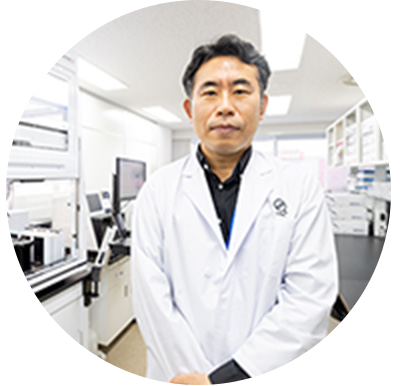 Author
Dr. Kihan Tomikane, PhD
Graduate of the master's/doctoral program in Biosystem Studies, University of Tsukuba
In 2017, developed Japan's first prenatal DNA testing(Patent 7331325) using trace-DNA analysis technology(Patent 7121440)
[References]
(2) Wikipedia, "DNA paternity testing"
(3) Ministry of Health, Labour and Welfare
(4) The American College of Obstetricians and Gynecologists (ACOG)
(5) The American College of Obstetricians and Gynecologists (ACOG)
(6) e-Gov Japanese Law Search, "Civil Code"
(7) Ministry of Justice
(8) AABB (American Association of Blood Banks)
(9) EasyDNA UK, "Human Tissue Act"
(10) Infotestadn.com, "How to do a paternity test in France?"