
2026.03.29
Rewrite date: April 3, 2026
Experts explain in detail the scientific reasons why DNA testing is possible using everyday items such as toothbrushes, disposable chopsticks, paper cups, and tissues, from the perspectives of cell attachment mechanisms, object surface properties, the relationship between saliva and DNA, touch DNA, and storage conditions.
When people hear "DNA testing," they tend to think it requires samples that are clearly of human origin, such as hair or blood. In actual testing practice and the field of forensic science, however, items used in daily life—toothbrushes, disposable chopsticks, paper cups, used tissues, and the like—are frequently used as samples. In forensic science, testing that uses samples derived from such everyday items is called "non-standard samples" or "alternative samples," and thanks to the dramatic improvement in sensitivity of PCR (polymerase chain reaction) technology in recent years, stable analytical results can now be obtained even from extremely small amounts of DNA.(1)
In particular, the advent of next-generation STR (Short Tandem Repeat) analysis kits has made it possible to obtain genotype information sufficient for individual identification from as little as about 100pg (picograms) of DNA. This has made DNA testing from "objects a person has merely touched"—once thought impossible—a practical reality. Thanks to these technological advances, it has become possible to use everyday items as alternative samples even in situations where direct sample collection from a subject is difficult, such as in paternity testing or personal identification.(2)
This article organizes the reasons DNA testing can be performed using everyday items from the following perspectives, explaining the scientific background in an accessible way. Let's take a detailed look at each item, drawing on knowledge from forensic science and molecular biology.
- ・Scientific conditions required for DNA testing
- ・How do cells attach to everyday items?
- ・Object surface properties and DNA recovery efficiency
- ・The relationship between saliva and DNA
- ・Why toothbrushes make effective DNA samples
- ・Why tissues containing nasal mucus can serve as samples
- ・Cases where DNA testing becomes difficult
- └ Factors causing DNA degradation
- └ Factors that make analysis difficult
- ・Summary of sample examples used in DNA testing
- ・What is touch DNA? Individual identification from trace samples
- ・Proper storage methods after sample collection
- ・Basic principles of STR analysis and its application to everyday-item samples
Scientific conditions required for DNA testing
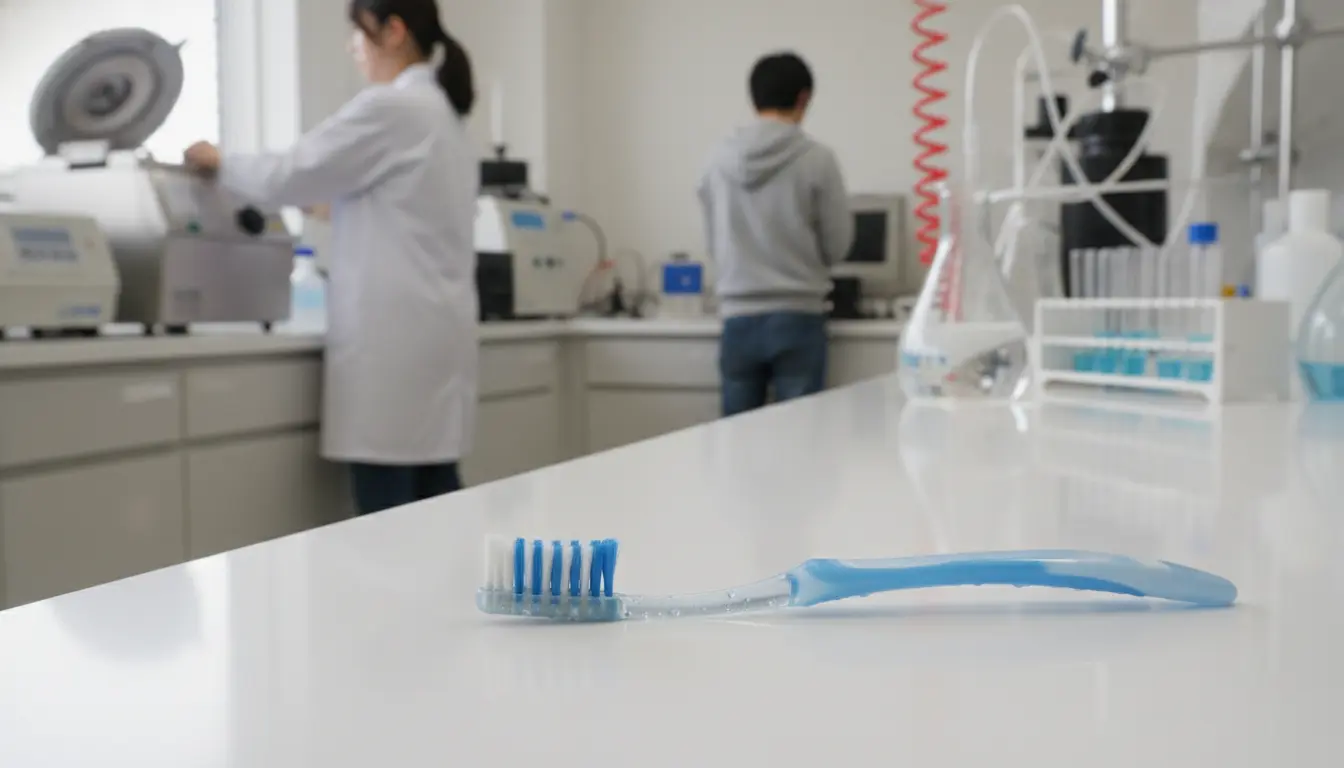
Individual identification and paternity testing through DNA testing require the presence of cells containing nuclear DNA in the sample. Human nuclear DNA consists of approximately 3.1 billion base pairs and has an STR (Short Tandem Repeat) pattern unique to each individual. In current forensic DNA testing, extremely high accuracy in individual identification is achieved by simultaneously analyzing this STR polymorphism at multiple loci.(1)
STR analysis typically uses multiplex PCR that amplifies 20 to 27 loci simultaneously. Because the combination of alleles at each locus differs from person to person, the coincidental probability of a match decreases astronomically as the number of loci increases, resulting in what is essentially a unique "genetic fingerprint," except in the case of identical twins. Specifically, the following types of cells are the subject of analysis.(2)
- Hair root cells (nucleated cells contained in the hair root sheath)
- White blood cells (nucleated blood components such as neutrophils and lymphocytes)
- Oral epithelial cells (cells shed from the surface of the cheek mucosa and gums)
- Nasal and skin epithelial cells (cells that flake off from the nasal mucosa or body surface)
*Red blood cells contain no nucleus and therefore no nuclear DNA. Because mammalian red blood cells lose their nucleus during maturation, when blood is used for DNA testing, it is actually the white blood cells that serve as the source of nuclear DNA.
Through the actions of daily life, these cells naturally shed and migrate to and remain on the surfaces of objects that are touched. The reason everyday items can serve as DNA samples is this everyday cell attachment. The oral mucosa is said to turn over cells on a cycle of about three to seven days, and it is estimated that several thousand to tens of thousands of epithelial cells are shed each day. This constant cell turnover (metabolic renewal) is the most fundamental mechanism that enables DNA to attach to everyday items. Similarly, skin epidermal cells turn over on a cycle of about 28 days, and a large amount of keratinocytes are released into the environment from the surface of the fingers every day.(3)
How do cells attach to everyday items?
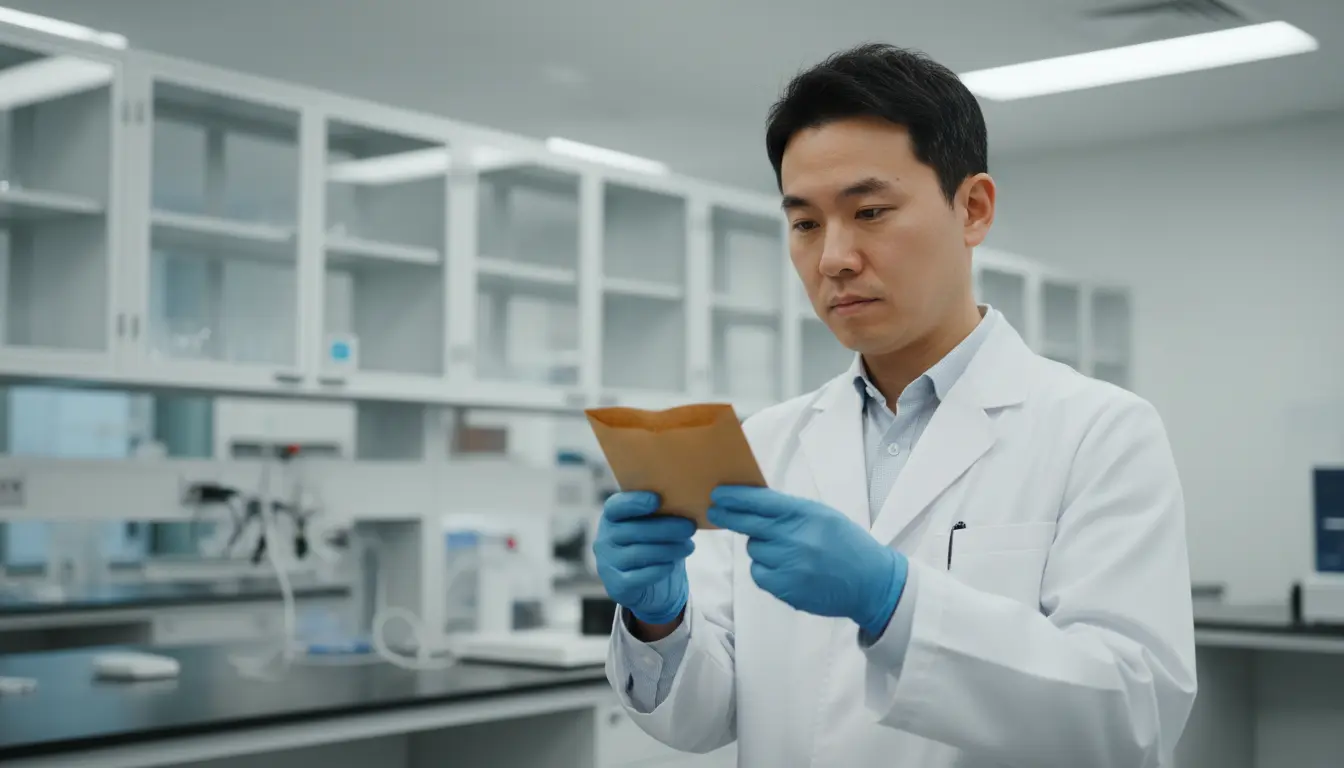
Humans constantly disperse minute amounts of cell fragments into the environment throughout daily life. This is not a conscious act but a phenomenon that occurs naturally as a result of the body's constant metabolic turnover. For example, cells attach to objects in the following situations.
● Conversation and breathing: Oral epithelial cells are dispersed as saliva droplets. Speaking in particular increases the amount of saliva droplets dispersed, raising the likelihood that DNA-containing cells will attach to the surfaces of nearby objects. Studies suggest that about 600 saliva droplets are released during one minute of ordinary conversation, containing tens to hundreds of epithelial cells.
● Eating: Oral epithelial cells attach to tableware and cutlery. Cells are particularly likely to remain on the rim of a cup that touches the lips directly or on the tip of chopsticks placed in the mouth. The physical friction applied to the gums and cheek mucosa during chewing further increases the amount of epithelial cell shedding.
● Blowing one's nose: Nasal mucosal cells attach to tissue. The mucosal epithelium inside the nasal cavity is covered with ciliated cells, and the act of blowing one's nose expels a large number of these cells along with mucus.
● Touching with the hands: Skin epithelial cells attach to the point of contact. This is known as so-called "touch DNA," where trace amounts of DNA are transferred to an object through contact actions such as gripping, holding, or pressing.
In this way, cells naturally attach to the surfaces of objects even without any special circumstances. Furthermore, the more friction and pressure applied, the more easily cells detach, tending to increase the amount of DNA recovered. Forensic science research has experimentally confirmed that the amount of DNA recovered increases when contact duration is longer and frictional force is stronger. For example, there are reports that an STR profile was obtained just from gripping a knife handle for 10 seconds. This shows that even from a seemingly unremarkable object such as an everyday item, a sufficient amount of cells can be recovered to withstand DNA testing.(4)
It is also known that there are individual differences in the efficiency of cell attachment. There is a classification of "good shedders" and "poor shedders," where the former shed a larger amount of cells from their fingers and the latter relatively less. These individual differences are thought to result from factors such as skin moisture content, sebum secretion, and the thickness of the stratum corneum. In DNA testing practice, the possibility of such individual differences must be considered when sufficient DNA cannot be obtained from a sample.(5)
Object surface properties and DNA recovery efficiency
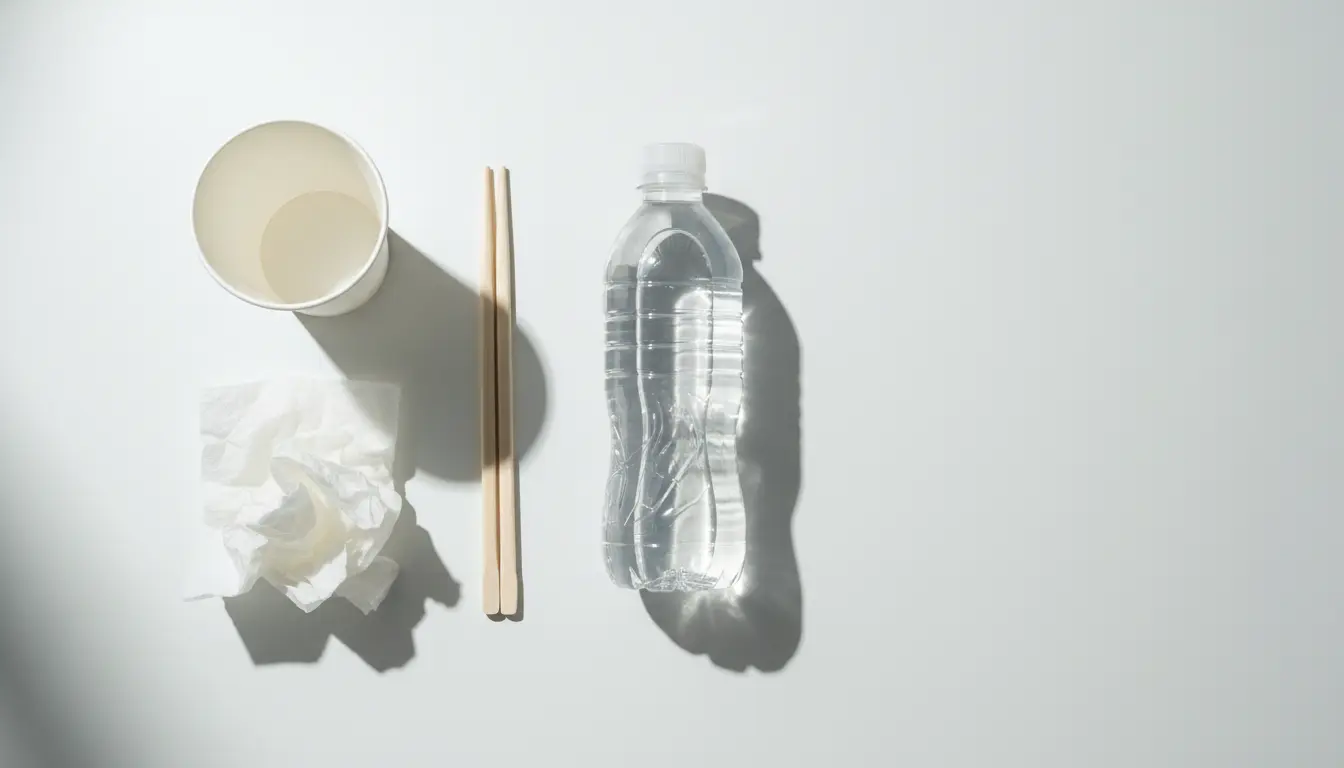 The material and structure of an object's surface greatly affect how much DNA attaches and how well it is retained. This point is an extremely important factor directly linked to the success or failure of DNA testing. In forensic science, object surface properties are often discussed broadly by classifying them into "porous/rough materials" and "smooth materials."
Porous/rough materials (rough → easy to retain)
Examples: wood, paper, cloth, untreated leather
Because of fine irregularities and gaps, cells become trapped in the internal structure and are easily retained, tending to result in high DNA recovery efficiency. For example, the wood fibers of disposable chopsticks capture oral epithelial cells in the gaps between fibers, and the structure is such that cells do not easily fall off even during subsequent drying. Paper tissues and paper cups likewise have a fiber structure that physically traps cells. With porous materials, cells penetrate not only the surface but also the interior of the material, giving them the advantage that DNA is not easily removed even by a light wipe of the surface.
Smooth materials (slick → harder to retain)
Examples: glass, metal, hard plastic
Because the surface is flat, cells do not attach as easily and tend to be removed by washing or friction. However, even with a glass cup, cells derived from saliva often remain on the rim where the lips touch, so DNA is not necessarily completely removed just because the surface is smooth. In the case of metal items, touch DNA may be present in the same areas where fingerprints tend to remain, and it can be recovered using the swab method (wiping with a cotton swab).
Even for samples used by the same person, the amount of DNA recovered can vary greatly depending on the material. Experimental studies have reported cases where the amount of DNA recovered from porous materials is several times to more than ten times higher compared with smooth materials. When requesting testing, prioritizing samples made of porous materials where possible can be expected to increase the success rate of DNA testing.
The relationship between saliva and DNA
Saliva is a bodily fluid composed mainly of water, and DNA does not exist dissolved in saliva itself. DNA in saliva exists mainly in a form contained within cells, such as epithelial cells shed from inside the mouth or white blood cells. The amount of DNA per mL of saliva varies greatly among individuals, generally ranging from a few nanograms (ng) to several hundred ng.(6)
Therefore, the amount of DNA depends, strictly speaking, not on the volume of saliva but on the amount of cells mixed in. Factors such as oral hygiene and health condition, whether a meal was recently eaten, and the degree of stress have also been reported to affect DNA content. For example, in the presence of periodontal disease, exudate from the gingival sulcus contains more white blood cells, so the amount of DNA in saliva tends to increase compared with a healthy individual.
Conditions under which more cells containing nuclear DNA are recovered are as follows.(6)
- Physical rubbing of the inside of the mouth (such as the cheek mucosa)
- Brushing teeth causes epithelial cells on the surface of the mucosa to detach
- Friction from eating or chewing
- Presence of inflammation in the oral cavity (because white blood cells increase)
- Immediately after waking (because cells accumulate in the mouth during sleep)
Note that saliva also contains a DNA-degrading enzyme called DNase. Therefore, if an object with saliva on it is left for a long time, the DNA may fragment due to enzymatic activity. Prompt drying and cold storage are recommended partly to suppress this DNase activity. In a dry environment, the enzyme's catalytic activity drops significantly, greatly improving DNA stability.
Why toothbrushes make effective DNA samples
Toothbrushes are one of the most useful samples in DNA testing. The reason lies in the physical characteristics of a toothbrush and the nature of the act of brushing teeth. In forensic literature, toothbrushes are also positioned as "one of the most reliable sources of DNA among non-standard samples."
- Contact is made over a wide area, not just the teeth but also the oral mucosa (inside of the cheeks, gums, tongue, etc.)
- The friction of the brushing motion efficiently detaches epithelial cells
- The fiber structure of the brush (the gaps between nylon or PBT bristle bundles) physically retains cells
- Because it is used repeatedly every day, cells accumulate
- Since it is generally used exclusively by one person, the risk of contamination with another person's DNA is low
Because a sufficient amount of cells for DNA extraction often remains even after ordinary rinsing with water, toothbrushes are a relatively stable DNA sample. Studies report that tens of ng to several μg (micrograms) of DNA can be recovered from a used toothbrush in many cases, and that an amount sufficient for STR analysis is often obtained. It is common practice to cut off the head of the brush for testing, and a DNA profile can be obtained with high probability even without special pretreatment. However, care must be taken because a mixed DNA profile may be detected if a toothbrush is shared among family members.
The head (replacement brush) of an electric toothbrush can likewise be used as a DNA sample. Because electric toothbrushes apply stronger friction to the mucosa through high-speed vibration compared with manual toothbrushes, theoretically more epithelial cells may be shed and retained.
Why tissues containing nasal mucus can serve as samples
A tissue used to blow one's nose has epithelial cells shed from the nasal mucosa attached to it along with mucus. These cells contain nuclear DNA and can be used for testing. The nasal mucosa is composed of ciliated epithelial cells and goblet cells (which secrete mucus), and the act of blowing one's nose uses physical pressure to expel these cells mixed with mucus. Furthermore, when there is inflammation of the nasal mucosa due to a cold or allergic rhinitis, white blood cells such as neutrophils and lymphocytes are also mixed in large quantities, tending to increase the amount of DNA recovered.
Avoiding conditions that promote DNA degradation and properly storing and managing samples increases the success rate of DNA recovery.
● Dry condition: DNA degradation progresses less easily. Enzymatic activity is suppressed and microbial growth is also inhibited, making it an optimal environment for preserving DNA. Because the fiber structure of tissue is highly absorbent, simply placing it in a well-ventilated indoor environment allows it to dry relatively quickly.
● Moist condition: DNA is more easily degraded due to microbial growth. When bacteria or mold proliferate, the degrading enzymes they produce rapidly fragment human DNA.
In the case of tissues, it is especially important to keep them stored in a dry condition. Specifically, it is recommended to place the used tissue in a clean paper envelope or paper bag and store it at room temperature in a dry location away from direct sunlight. Sealing it in a plastic bag or a zip-top bag causes humidity to build up inside, promoting bacterial growth, so using breathable packaging material is the basic principle of testing. Other additional conditions that make DNA recovery and analysis difficult are explained in detail in the next section.
Cases where DNA testing becomes difficult
Under the following conditions, DNA recovery and analysis can become difficult. When requesting DNA testing, avoiding these factors as much as possible is key to a successful test.
Factors causing DNA degradation
- Strong washing/boiling: surfactants and high heat destroy the DNA double helix structure
- Prolonged submersion in water: promotes enzymatic reactions and microbial activity in water
- High-temperature environments: at 50°C or higher, depurination reactions rapidly fragment DNA
- Prolonged UV exposure: UV light forms thymine dimers, inhibiting PCR amplification
- Contact with strong acids or alkalis: extreme pH environments accelerate DNA hydrolysis
Factors that make analysis difficult
- Use by multiple people (mixed DNA): overlapping STR profiles make it difficult to identify an individual
- Degradation from prolonged neglect: analysis can become impossible within weeks, especially in a moist environment
- Degradation by mold or bacteria: nucleases (nucleic-acid-degrading enzymes) produced by microorganisms fragment DNA
- Contamination with PCR inhibitors: substances such as hemoglobin, melanin, humic acid, and indigo dye can inhibit the PCR reaction
- Sample contamination: cases where DNA from the collector or a third party is unintentionally mixed in
These factors can reduce the accuracy of individual identification. However, because modern DNA analysis technology is extremely sensitive, even when DNA is partially degraded, alternative techniques such as the miniSTR method (using shorter PCR amplification products) or SNP analysis can increasingly yield some useful information. Before giving up entirely, it is important to consult a specialized testing institution.(2)
Summary of sample examples used in DNA testing
Below is a summary of sample examples commonly used in DNA testing.
| Sample | Main source of DNA | Characteristics |
|---|---|---|
| Toothbrush | Oral epithelial cells | Cells tend to remain in the fiber structure |
| Disposable chopsticks | Oral epithelial cells | Porous, so cells tend to remain |
| Paper cup | Oral epithelial cells | Care needed for degradation from wetting |
| Cigarette butt | Saliva-mixed cells | Possibility of mixed DNA |
| Tissue | Nasal mucosal cells | Dry storage is important |
DNA testing is possible using toothbrushes and other everyday items because cells containing nuclear DNA attach to and remain on their surfaces. These factors are important points that affect the accuracy of individual identification and genetic testing through DNA testing.
- Source and amount of cells
- Degree of friction and contact during use
- Surface properties of the object (porous/rough is more advantageous)
- Storage condition and factors causing DNA degradation
- Presence or absence of mixed DNA
- Storage period and storage environment of the sample
Understanding this scientific background allows for a more accurate grasp of how DNA testing works. When requesting DNA testing, submitting multiple samples at the same time is also an effective strategy for increasing the likelihood of success.
What is touch DNA? Individual identification from trace samples
One concept that has drawn attention in forensic science in recent years is "touch DNA." Touch DNA refers to the extremely small amount of DNA left behind simply by touching an object, derived mainly from keratinocytes shed from the skin surface of the hands. The amount of touch DNA is very small, generally around 100pg (picograms) to a few ng, but modern STR kits (such as GlobalFiler™ or PowerPlex® Fusion) have the sensitivity to obtain a profile from as little as about 100pg of DNA.(2)
The impact touch DNA has had on forensic science is enormous, meaning that in criminal investigations, virtually any object a person routinely touches—door handles, car steering wheels, keyboards, mobile phones—can serve as a DNA sample. In DNA testing as well, there are increasing cases where DNA is recovered from items an individual routinely uses, such as glasses, a smartphone case, or a plastic bottle cap, for the purpose of paternity testing.
However, precisely because touch DNA is present in such small amounts, the risk of secondary transfer—the phenomenon in which Person A's DNA attaches to object C because A touched B and B then touched C—has also been pointed out, requiring careful judgment when interpreting results. Furthermore, the possibility of tertiary transfer has also been demonstrated experimentally, and when interpreting trace DNA, it is necessary to also consider the route by which the DNA arrived at the sample.(5)
Proper storage methods after sample collection
When performing DNA testing using everyday items, how the sample is stored after collection greatly affects the success or failure of the test. Proper storage handling can significantly improve the DNA recovery rate from everyday items and greatly increase the likelihood of a successful test. Below is a summary of general storage principles.
- Do not touch the sample directly—touching a sample with bare hands risks "contamination," in which the collector's own DNA is mixed in. Wear clean gloves or use tweezers. Disposable nitrile gloves are most recommended.
- Use breathable packaging material—a paper envelope or paper bag is recommended. Sealing the sample in a plastic bag traps moisture and promotes microbial growth and DNA degradation. After placing the sample in a paper envelope, sealing it and labeling it with "DNA sample," "collection date," and "type of sample" makes management easier.
- Keep the sample dry—if the sample is wet, let it air-dry naturally in a clean environment before packaging. Do not use high-heat devices such as a hair dryer. High heat can cause DNA denaturation.
- Avoid direct sunlight and high temperatures—UV light and high heat are major causes of DNA degradation. Storage in a cool, dark place (such as a refrigerator) is ideal, but leaving it at room temperature away from direct sunlight is fine for a short period. Leaving a sample inside a car in summer, in particular, must be strictly avoided.
- Send the sample to the testing institution as soon as possible—since DNA degradation progresses over time, the best approach is to promptly send the sample to a testing institution once it has been collected. Ideally, it should be sent within one week of collection.
Following these storage principles can greatly improve the success rate of DNA recovery from everyday items. In particular, dry storage and prompt shipment are the two most critical points directly linked to the accuracy of DNA testing.
Basic principles of STR analysis and its application to everyday-item samples
STR (Short Tandem Repeat) analysis is currently the most widely used method in forensic DNA testing. STR refers to short sequence units of 2 to 7 bases scattered throughout the genome that repeat, and the number of repeats differs from person to person. For example, at a given locus, some people may have 8 repeats of a 4-base sequence such as CAGT while others have 12, and this difference is detected as a difference in "alleles."(2)
When applying STR analysis to everyday-item samples, the process generally proceeds through the following steps.
- DNA extraction—DNA is purified from the sample (such as the head of a toothbrush or a piece of tissue) using a dedicated extraction kit. The optimal extraction method, such as organic solvent extraction or silica column methods, is selected according to the condition of the sample.
- DNA quantification—Real-time PCR (qPCR) is used to assess the concentration and quality of the extracted DNA. At this stage, it is confirmed whether a sufficient amount of DNA has been obtained and whether any PCR inhibitors are present.
- STR amplification—Multiplex PCR simultaneously amplifies 20 to 27 STR regions. Using fluorescently labeled primers enables subsequent detection by capillary electrophoresis.
- Capillary electrophoresis—The amplified products are run through a capillary electrophoresis device to detect the allele size at each locus. This result is recorded as a "DNA profile."
- Data analysis and determination—The obtained DNA profile is compared with known samples or controls to determine individual identification or a parent-child relationship.
Everyday-item samples may contain less DNA compared with standard samples (such as oral swabs), but as noted above, modern STR kits are extremely sensitive, and a complete profile can sometimes be obtained from as little as 0.1 to 0.5ng of DNA. Additionally, when the amount of DNA is extremely small, a specialized amplification protocol called low copy number DNA analysis (LCN-DNA analysis) may be applied.(3)
Furthermore, in recent years, "forensic NGS," which applies next-generation sequencing (NGS) technology to STR analysis, has also become more widespread. NGS-based STR analysis can identify sequence-level polymorphisms (isometric heterozygotes) that could not be detected by conventional capillary electrophoresis, further improving the analytical accuracy for trace samples and mixed samples.
Frequently Asked Questions
Q1. How accurate can DNA testing using everyday items be expected to be?
A. If a sufficient amount of DNA can be recovered, accuracy equivalent to that obtained using an oral swab or blood sample can be achieved. Current STR analysis technology can simultaneously analyze genotypes at 20 or more loci, so the probability of individual identification can reach one in several trillion. However, if the amount of DNA is small or degradation has progressed, some loci may not be detected, which can result in somewhat lower accuracy.
Q2. How long after use can DNA testing still be performed?
A. This depends heavily on storage conditions, but there are reported cases in which DNA was successfully recovered from a toothbrush or tissue stored in a dry indoor environment even weeks to months later. On the other hand, if left in a hot, humid environment, DNA degradation can progress within just a few days. It is recommended to send the sample to a testing institution as quickly as possible.
Q3. Is DNA testing possible even with a toothbrush that has been rinsed with water?
A. With ordinary rinsing, oral epithelial cells often remain deep within the bristle bundles, so DNA testing is possible. However, if the brush has been thoroughly washed with detergent or sterilized with boiling water, the amount of DNA recovered may drop significantly.
Q4. Is DNA testing possible even from tableware used by multiple people?
A. Technically, DNA recovery is possible, but there is a possibility of obtaining a "mixed profile" containing DNA from multiple people. With mixed DNA, it can be difficult to separate and identify the genotype of each individual, which can reduce testing accuracy. Where possible, it is important to choose a sample used by only one specific person.
Q5. Can DNA testing be done from the drinking spout of a plastic bottle?
A. Yes, oral epithelial cells also attach to the drinking spout of a plastic bottle, so it can be used as a sample for DNA testing. Because the cap area or the mouth of the bottle comes into direct contact with the lips, cells derived from saliva remain. However, because plastic material is relatively smooth, the amount of DNA recovered tends to be lower compared with wood or paper.
Q6. Is it okay to store a sample in a plastic bag?
A. Sealed storage in a plastic bag or zip-top bag is not recommended. Sealing causes humidity to build up inside, promoting the growth of bacteria and mold and accelerating DNA degradation. The basic principle is to place the sample in breathable packaging, such as a paper envelope or paper bag, and store it in a dry condition.
Q7. Can paternity testing be done using DNA testing from everyday items?
A. Yes, paternity testing is possible even with DNA recovered from everyday items. Because paternity testing compares the inheritance pattern of STR alleles, a determination equivalent to that from a standard oral swab sample can be made if DNA of sufficient quality and quantity is obtained. seeDNA Genetic Medical Laboratory also handles paternity testing using everyday-item samples, so please feel free to consult us.
Q8. How reliable are results obtained from touch DNA?
A. Because touch DNA is present in such small amounts, a complete STR profile may not always be obtained (a partial profile). In addition, because of the possibility of secondary or tertiary transfer, careful interpretation of results is required. However, relatively stable results are often obtained from personal items that are used repeatedly on a daily basis (such as glasses or a smartphone case), and reliability can be increased by making a comprehensive judgment in combination with other samples.
The trusted support of seeDNA Genetic Medical Laboratory
seeDNA Genetic Medical Laboratory is a trusted and reliable specialized institution for DNA testing and genetic testing, certified to the international quality standard ISO9001 and holding the Privacy Mark for personal information protection.
If you are troubled about family or parent-child blood relationships, a partner's infidelity, or similar concerns, our DNA testing experts will provide thorough support to put your mind at ease, so please feel free to contact us.
[Free consultation with specialized staff]

If you have any questions,
please feel free to contact our toll-free number.
/Open every day, including weekends/
Business hours: Monday to Sunday 9:00 a.m.-6:00 p.m.
(excluding public holidays)
 Author
Tester: C.H.
Works as a tester at seeDNA Co., Ltd.
Handles testing and data analysis for prenatal paternity DNA testing.
[References]
(1) JHSS / Japan Hairset School, July 2024(2) J Lipid Res, October 2013
(3) MDPI, October 2021
(4) Clin Immunol, February 2008
(5) Research on Identifying and Addressing Issues in Ensuring National Health and Safety Amid the Commercialization of Genetic Testing, Health and Labour Sciences Research Grant, February 2016
(6) J Colloid Interface Sci, January 2016