
Rewritten on: October 11, 2025
NIPT costs in Japan range widely, from about 90,000 to 250,000 yen, varying with the difference between certified and non-certified facilities and the number of test items. This article explains in detail the international comparison, the current state of public support, and what's included in the cost.
- ・Introduction
- ・A guide to NIPT costs in Japan
- └ General cost range
- └ Difference between certified and non-certified facilities
- ・What the cost includes
- └ 1. Cost of the test itself
- └ 2. Genetic counseling
- └ 3. Result reporting and follow-up
- └ 4. Additional options
- ・NIPT costs abroad
- └ United States
- └ Europe
- └ Asia
- ・Why costs vary
- └ 1. Testing system and structure
- └ 2. Scope of test items
- └ 3. Availability of genetic counseling and support
- └ 4. Location of the testing laboratory (domestic vs. overseas)
- ・Availability of public support
- ・Points to consider when weighing test costs
- ・How to think about the cost-effectiveness of NIPT
- ・Summary
Introduction

Among the tests available during pregnancy, NIPT (New-generation Non-Invasive Prenatal Testing) has drawn particular attention in recent years. NIPT stands for "Non-Invasive Prenatal Testing," and because it can screen for chromosomal information about the fetus from the mother's blood, carrying an extremely low risk to mother and baby compared with conventional amniocentesis or chorionic villus sampling, many expectant mothers and their families are interested in it [ref:1].
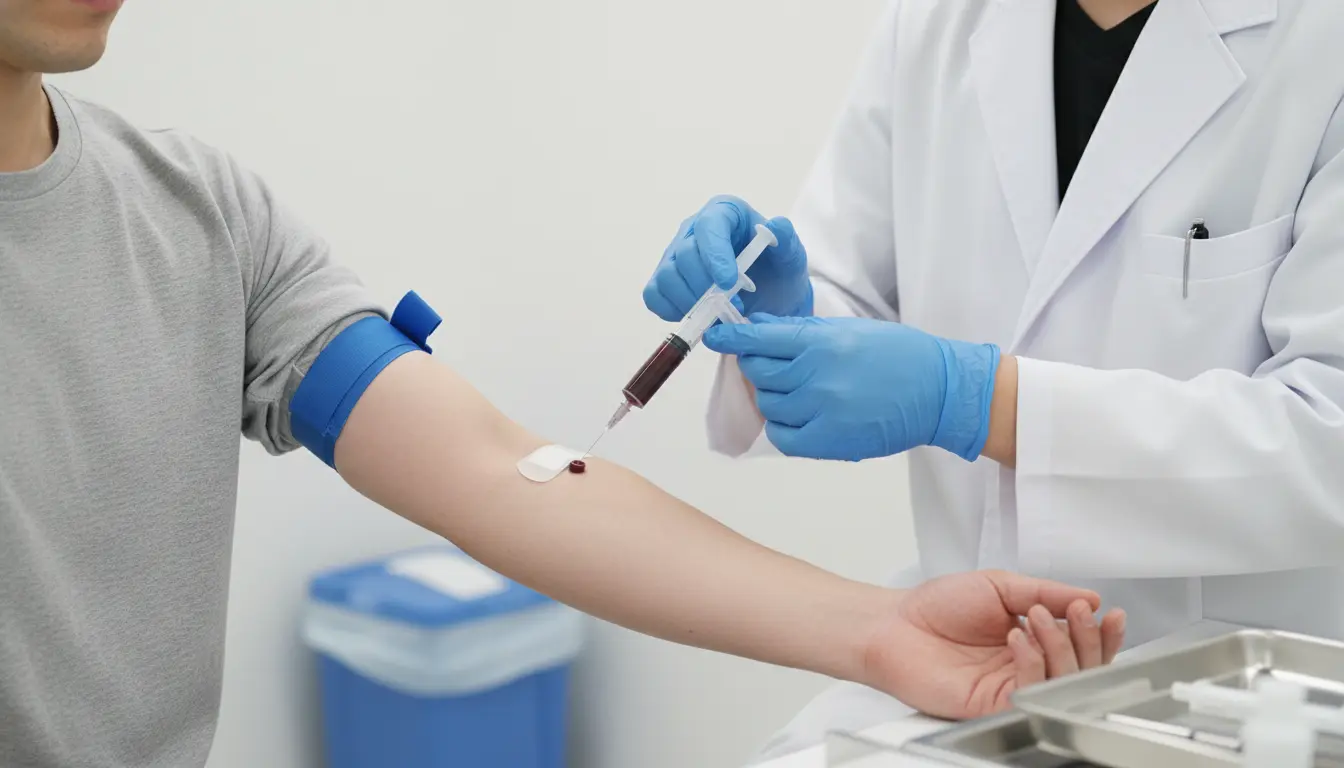
To explain the mechanism of NIPT in a bit more detail: a small amount of cell-free fetal DNA (cffDNA) originating from the fetus circulates in the mother's blood during pregnancy. This cffDNA is released from the placenta, and a sufficient amount becomes detectable from around 10 weeks of pregnancy onward. In NIPT, about 10 mL of the mother's blood is drawn, and next-generation sequencing (NGS) technology is used to quantitatively analyze the cffDNA, screening for numerical chromosomal abnormalities in the fetus [ref:4].
However, NIPT is not covered by health insurance and is basically an out-of-pocket test. For this reason, "how much does NIPT cost" is a very important factor to consider when thinking about the test. In fact, cost is often the very hurdle that leads people to give up on testing. This article organizes the realities of NIPT costs both in Japan and abroad, and explains broadly and clearly why costs vary, what is included in the cost, the current state of public support, and how to think about cost-effectiveness.
A guide to NIPT costs in Japan
General cost range
NIPT offered in Japan generally costs roughly 90,000 to 250,000 yen [ref:1]. This is by no means a small range, and expectant mothers and families considering the test may well wonder, "why is there such a big difference?"
This gap depends on the type of medical institution offering the test, the number of items included in the test, and the accompanying services (whether genetic counseling is provided, the follow-up system, etc.). For example, standard NIPT performed at university hospitals or facilities certified by the Japan Medical Association tends to cost around 100,000 yen, while private clinics offering non-insured care may charge 200,000 yen or more by adding extra test items [ref:5]. Even within the same clinic, there may be tiered pricing plans—basic, standard, and full-set plans—and the cost can vary considerably depending on which plan is chosen.
Difference between certified and non-certified facilities
In Japan, based on guidelines from the Ministry of Health, Labour and Welfare, facilities that can offer NIPT are divided into "certified facilities" and "non-certified facilities" [ref:2]. This distinction has a major impact on cost, so it is important to understand the characteristics of each.
- Certified facilities: These are hospitals that meet the standards set by the Japanese Association of Medical Sciences and have a genetic counseling system in place. Pediatricians and clinical genetics specialists are on staff, and patients can receive thorough genetic counseling both before and after the test. Eligibility was traditionally limited to expectant mothers aged 35 and older, but since 2022 there has been a move to remove this age restriction, and the cost is generally around 100,000 yen. Because genetic counseling is included in the test fee at most certified facilities, there is an advantage in that additional costs are less likely to arise.
- Non-certified facilities: These offer NIPT to a broader range of people, without age restrictions. While this makes the test more accessible, the wider range of test items available can push the cost up to around 150,000-250,000 yen [ref:1]. Some non-certified facilities outsource genetic counseling externally, in which case an additional fee may be required. There are also facilities that cover the cost of a confirmatory test (such as amniocentesis) if the result is positive, and others that do not, so it is important to check this in advance.
Choosing between a certified and a non-certified facility requires weighing not just cost but also the support system before and after testing and the reliability of the test's accuracy as a whole. Choosing a facility with inadequate support simply because it is cheap carries the risk of not receiving appropriate care in the event of a positive result, so caution is needed.
What the cost includes

The cost of NIPT is not simply the fee for the test itself—it comprises several components. Understanding the "breakdown of costs" correctly makes it possible to judge more accurately whether a given facility's fee is high or low. The main components are explained below.
1. Cost of the test itself
This is the cost of drawing blood and sending the sample to a domestic or overseas laboratory for analysis. Because NIPT uses expensive next-generation sequencers (NGS), the cost reflects equipment introduction and maintenance expenses as well as the labor costs of specialized technicians. To ensure test accuracy, thorough equipment maintenance and quality control (QC) are required, and these costs are reflected in the test fee. In addition, when the test is outsourced to an overseas laboratory (such as Sequenom or Natera in the United States), international shipping and customs clearance costs may also be added.
2. Genetic counseling
This includes the explanation given before the test and consultation if the result is positive. At certified facilities in particular, a session with a genetic counselor or a clinical genetics specialist is mandatory [ref:3]. During genetic counseling, patients receive a careful explanation of the limitations of NIPT (the possibility of false positives/false negatives, and the fact that it is ultimately a screening test) and of the options available if a positive result occurs (undergoing a confirmatory test, discussing next steps, etc.). The quality of this counseling is an extremely important factor in undergoing NIPT.
3. Result reporting and follow-up
This includes support for the doctor's explanation of the results and, if necessary, connecting the patient to a confirmatory diagnosis such as amniocentesis. NIPT is ultimately a screening test, and if the result is positive, undergoing a confirmatory test is recommended. At facilities with a solid follow-up system, the facility itself may cover the cost of the confirmatory test if the result is positive, and this may be included in the fee.
4. Additional options
If you add an option to check for sex chromosome abnormalities (such as Turner syndrome or Klinefelter syndrome) or microdeletion syndromes (such as 22q11.2 deletion syndrome), the cost increases accordingly. For example, at the seeDNA Genetic Medicine Research Institute, choosing an optional test in addition to the basic test (the three major trisomies) can increase the cost by tens of thousands of yen [ref:1]. Testing for microdeletion syndromes requires technically advanced analysis, so it tends to be more expensive.
NIPT costs abroad
For reference, let's also look at NIPT costs abroad. Comparing them with Japan can deepen our understanding of test costs.
United States
Costs vary depending on insurance coverage and state-by-state systems, but out-of-pocket testing is generally said to cost roughly 200,000 to 300,000 yen. However, if certain conditions are met, part or all of the cost may be covered by insurance. This is especially likely for mothers aged 35 or older, or those with a history of giving birth to a child with a chromosomal abnormality. In addition, pricing differs by brand—such as Harmony or MaterniT21—and using patient discount programs offered by testing companies can sometimes bring the cost down to just a few hundred dollars.
Europe
This varies greatly depending on each country's healthcare system. In Germany, since 2022, NIPT costs have become covered by statutory health insurance, allowing not only mothers judged to be at high risk but all mothers who wish to be tested to receive it under insurance coverage. In the UK (NHS), NIPT is also offered under certain conditions within the public healthcare system, and out-of-pocket costs can be as low as a few tens of thousands of yen in some cases [ref:6]. In France, Belgium, and other countries, public insurance coverage is also gradually expanding.
Asia
NIPT is also widely available in South Korea, Taiwan, China, and elsewhere. In China in particular, a test called NIFTY, developed by BGI (Beijing Genomics Institute), is widely used, with prices relatively affordable at around 50,000 to 150,000 yen in yen terms. However, since test accuracy and genetic counseling systems vary greatly by facility, it is dangerous to judge based on low cost alone.
In this way, while some countries abroad are increasingly making use of public insurance systems, in Japan the test is basically self-funded, so the relative burden is greater. As the social positioning of NIPT changes going forward, discussions about insurance coverage may become more active in Japan as well.
Why costs vary
There are several structural reasons behind the wide variation in NIPT costs between facilities. Understanding these can help you judge more appropriately whether a quoted price is reasonable.
1. Testing system and structure
Certified facilities such as university hospitals may be able to offer testing at relatively lower prices because of a research aspect or some degree of public support. Private clinics offering non-insured care, on the other hand, tend to have higher costs because they invest in convenience—greater flexibility in testing, shorter wait times, weekend availability, and easily accessible locations. Fixed costs such as rent also vary depending on a clinic's location (urban center or suburb), and this can be reflected in the test price.
2. Scope of test items
Costs can vary by tens of thousands to well over a hundred thousand yen depending on whether the test targets only the three major trisomies (trisomy 21: Down syndrome, trisomy 18: Edwards syndrome, trisomy 13: Patau syndrome), or extends to cover sex chromosome abnormalities (Turner syndrome, Klinefelter syndrome, etc.) and microdeletion syndromes (22q11.2 deletion syndrome, 1p36 deletion syndrome, etc.). As the number of test items increases, so does the amount of data and analysis time required, and costs rise accordingly.
3. Availability of genetic counseling and support
Fees also differ depending on whether an in-person session with a clinical genetics specialist or a certified genetic counselor is included, or whether support is provided by phone or online. In-person counseling allows for higher-quality information delivery, but securing specialized staff costs money, and this is reflected in the fee. In addition, facilities that offer a program to subsidize the cost of confirmatory testing after a positive result may have that subsidy cost already built into the test fee.
4. Location of the testing laboratory (domestic vs. overseas)
Shipping costs and turnaround time differ depending on whether the collected blood sample is analyzed at a domestic laboratory or sent to an overseas laboratory (mainly in the United States) for analysis. Sending samples abroad incurs international shipping and customs costs, but major overseas laboratories may also benefit from economies of scale through high-volume processing, which can lower the per-test analysis cost.
Availability of public support
At present, NIPT is not covered by health insurance in Japan. Therefore, the full cost of testing must be paid out of pocket [ref:2]. Some local governments offer subsidies for prenatal checkups and childbirth costs, but there is not yet any system that directly subsidizes NIPT itself.
That said, there are indirect ways to reduce the costs related to NIPT. For example, by using the medical expense deduction system, if your total annual medical expenses—including the cost of NIPT—exceed a certain amount, you can receive an income deduction when filing your tax return. Whether NIPT costs qualify for the medical expense deduction is partly up to the tax office's discretion, but a test received on a doctor's recommendation may be eligible.
In addition, if the social positioning of NIPT changes in the future, discussions about public support or insurance coverage may progress. Since insurance coverage is already advancing in some countries abroad, discussions are ongoing in Japan as well [ref:6]. In 2022, the Japan Society of Obstetrics and Gynecology and the Japanese Association of Medical Sciences formulated new guidelines regarding the NIPT implementation system, and this move toward promoting appropriate uptake of the test suggests that future changes to the system are quite possible.
Points to consider when weighing test costs
When deciding whether to undergo NIPT, it is important to consider the following points comprehensively rather than judging solely on whether the cost is high or low. Even if the cost is low, if the support system is inadequate, there is a risk of increased anxiety or failing to move on to appropriate confirmatory testing.
- Test accuracy and reliability: Check the laboratory's track record, the analysis technology used, the number of tests performed in the past, and the expertise of the doctor explaining the results. Whether accuracy indicators such as positive predictive value (PPV), sensitivity, and specificity are disclosed is also an important factor to consider.
- Support system: Whether the facility can reliably connect you to confirmatory diagnosis (amniocentesis or chorionic villus sampling) and subsequent care (genetic counseling, psychological support, referral to specialists, etc.) in the event of a positive result. Also check whether there is a subsidy program for confirmatory test costs.
- Your own and your family's values: It is important to fully understand the purpose and significance of the test and to undergo it after discussing it with your spouse or family. Because NIPT results can lead directly to major decisions, it is recommended that you discuss beforehand "how you will receive the results and how you will act on them."
- Transparency of the cost breakdown: Clearly confirm what is and is not included in the quoted price. Initial counseling fees or consultation fees at the time of result reporting may sometimes be billed separately.
- Speed of result delivery: The time it takes to get results also varies by facility—as fast as about one week, or generally two to three weeks. Since this needs to be balanced against gestational age, planning the timing of the test is also important.
How to think about the cost-effectiveness of NIPT
NIPT is by no means cheap, but it is also important to calmly consider its cost-effectiveness. NIPT is a non-invasive test that can screen for the risk of fetal chromosomal abnormalities with high accuracy using only a blood draw. Sensitivity for the three major trisomies has been reported at over 99%, and specificity also over 99%, making it an extremely accurate screening test [ref:4].
By contrast, the quad test (maternal serum marker screening), a conventional screening method, has a sensitivity of only about 80%, carrying a higher risk of false negatives (missed cases) compared with NIPT. In addition, amniocentesis, a confirmatory test, carries a miscarriage risk of about 0.1-0.3%. The fact that undergoing NIPT first may help avoid unnecessary invasive testing can be considered a major benefit that justifies the cost [ref:7].
However, it must not be forgotten that NIPT is ultimately a screening test, not a definitive diagnosis. If the result is positive, a confirmatory test is necessary, and even a negative result is not a 100% guarantee. With a correct understanding of this point, it is important to weigh the cost of the test against the value of the information it provides.
Summary
NIPT costs in Japan range roughly from 90,000 to 250,000 yen. Certified facilities generally charge around 100,000 yen, while non-certified facilities typically charge around 150,000-250,000 yen due to a wider range of test items. The cost includes not only the test itself but also genetic counseling, result explanation, and additional optional tests.
In some countries abroad, insurance coverage is advancing, and the out-of-pocket burden may be smaller compared with Japan, where all costs are currently self-funded. However, discussions about insurance coverage may progress in the future, so it is worth keeping an eye on how the system develops.
When weighing the cost, it is important to consider not just the amount but also the significance of undergoing the test, the quality of the support system, and the reliability of the test's accuracy, all together. Because NIPT involves a major decision, we recommend receiving thorough explanation at a trustworthy medical institution and undergoing the test only after the family has come to a shared understanding. Rather than focusing solely on the cost, gather sufficient information and discuss it thoroughly beforehand so that you and your family can make the best choice for yourselves.
\Find out your baby's risk of genetic disease/
 Apply / Purchase kit
Frequently Asked Questions
Q1. Is NIPT covered by insurance?
A. At present, NIPT is not covered by health insurance in Japan, so the full cost must be paid out of pocket [ref:2]. However, since it may be eligible for the medical expense deduction, we recommend consulting the tax office when filing your tax return. Some facilities also offer installment payments or credit card payment options.
Q2. Which is cheaper, certified or non-certified facilities?
A. In general, certified facilities are cheaper, at around 100,000 yen. Non-certified facilities tend to be more expensive, at around 150,000-250,000 yen, because they offer more test items and greater convenience. However, rather than choosing based on cost alone, it is important to make a comprehensive judgment that also considers the quality of genetic counseling and the follow-up system.
Q3. What is included in the breakdown of NIPT costs?
A. The cost of NIPT includes: (1) the cost of blood collection and sample analysis, (2) genetic counseling fees (explanation and consultation before and after the test), (3) result reporting and follow-up, and (4) additional options (testing for sex chromosome abnormalities or microdeletion syndromes). Since the items included vary by facility, be sure to check the breakdown in advance.
Q4. How much does NIPT cost abroad?
A. In the United States, out-of-pocket testing costs around 200,000-300,000 yen, though it is sometimes covered by insurance. In Europe, countries such as Germany and the UK have begun covering it under public insurance, and out-of-pocket costs can be as low as a few tens of thousands of yen in some cases. Because Japan requires self-funded testing, the burden is relatively greater compared with these countries.
Q5. Why do NIPT costs vary so much between facilities?
A. The main factors behind the difference in cost are: (1) the testing system and structure (certified facility vs. private non-insured clinic), (2) the scope of test items (basic three trisomies only, or also including sex chromosomes and microdeletions), (3) the content of genetic counseling and support, (4) the location of the testing laboratory (domestic analysis or outsourced overseas), and (5) whether there is a subsidy for confirmatory test costs.
Q6. Is there any way to reduce the cost of NIPT?
A. To reduce costs, you can choose a basic plan that narrows down the necessary test items. You can also temporarily ease the financial burden by using the medical expense deduction or choosing a facility that offers installment payments. However, do not prioritize cost reduction alone—be sure to also confirm the test's reliability and support system.
Reassuring support from the seeDNA Genetic Medicine Research Institute
The seeDNA Genetic Medicine Research Institute is a trusted specialist institution for DNA testing and genetic testing, certified with the international quality standard ISO 9001 and the Privacy Mark for data protection.
If you have concerns about family or parent-child blood relationships, or a partner's infidelity, our DNA testing experts are here to support you with reassurance, so please feel free to contact us.
【Free consultation with our specialist staff】

If you have any questions,
please feel free to contact our toll-free number.
/Open every day, including weekends/
Business hours: Mon-Sun 9:00 AM-6:00 PM
(except holidays)
 Author
Kison Iji, M.D., Ph.D.
Graduate of the University of Tsukuba, Master's/Doctoral Program in Biological and Molecular Information Medicine
In 2017, developed prenatal DNA testing(Patent 7331325) using Japan's first trace DNA analysis technology(Patent 7121440)