
2026.03.04
Rewritten on: March 13, 2026
A parent-child DNA test is an important examination that can affect the course of your life. To help you choose a trustworthy testing organization, an expert explains in detail the checkpoints you should confirm before applying, including whether the organization has a domestic in-house lab, third-party certifications, a double-check system, and price transparency.
A DNA test to confirm a parent-child relationship is an extremely important examination, one whose results can have a major impact on the subject's life.
That is exactly why a misjudgment must never occur in a DNA test that can change the course of the subject's life.
However, for ordinary people without specialized knowledge of DNA testing, it is not easy to judge whether a testing organization is trustworthy based solely on the information on its website. In recent years, various DNA testing service advertisements have appeared online, and while price and speed tend to be emphasized, many people say they don't know how to verify the quality and accuracy of the testing.
In fact, the STR (Short Tandem Repeat) analysis technique used in DNA testing is an established method that has long been used in the fields of forensic science and criminal investigation, but the quality of the analysis is heavily influenced by the testing organization's equipment, the skill of its technicians, and its quality control system. For this reason, it is extremely important for consumers to correctly understand and compare quality-related information when selecting a testing organization.
This article clearly explains the important checkpoints you should confirm before applying for a parent-child DNA test. Please read to the end to obtain an accurate and reliable test result.(1)(2)
- ・The weight and risks of a parent-child DNA test
- ・Points for assessing the reliability of a testing organization
- └ Domestic in-house lab testing system
- └ Word of mouth and user reviews
- ・Presence of third-party evaluation and certification
- ・Detailed check of service content
- ・Pre-application checklist
- ・The process for choosing a trustworthy testing organization
- ・The basic principles of STR analysis and the scientific basis of paternity testing
- ・Types of samples and handling precautions
- ・Summary
The weight and risks of a parent-child DNA test

A DNA test to confirm a parent-child relationship is an extremely important examination that is not limited to being a medical reference point but can also be used as material for confirming family relationships or for legal judgments.
For example, there are numerous cases in which DNA test results are adopted as important evidence in legal proceedings such as paternity acknowledgment claims, inheritance disputes, and child support determinations. DNA test results may also be required as official documents in international proof of family relationships, such as visa applications for overseas relocation. In Japan's family court proceedings as well, the number of cases in which courts order DNA testing is increasing year by year, and it is not uncommon for the reliability of the test results to determine the outcome of a case.
For this reason, a high degree of accuracy and strict quality control are required at every stage, from sample collection and storage to analysis and management of results.
Should a mistake occur during handling or analysis, there is a risk it could lead to an incorrect judgment. Specific examples of human error include sample mix-ups, contamination (mixing in of another person's DNA), and mistakes in analysis algorithm settings. These mistakes could reverse the outcome of a paternity determination, potentially causing irreparable harm to the subject and their family.
Furthermore, misjudgment in a DNA test carries the risk of both a "false positive" (determining a parent-child relationship exists when it actually does not) and a "false negative" (determining no relationship exists when one actually does). Either case can have extremely serious consequences for the parties involved. Especially when submitted to a court as legal evidence, it is very difficult to overturn a test result once it has been finalized.
Because a test result, once presented, can be difficult to overturn later, the choice of which testing organization to use is itself a critical factor that determines the reliability of the test. Choosing a trustworthy testing organization is the first, and most important, step toward obtaining an accurate result.(3)
Points for assessing the reliability of a testing organization

There are several important perspectives to consider when evaluating the reliability of a DNA testing organization. Choosing based on low price alone carries the risk of ending up with a service that has insufficient quality control, so it is essential to make a comprehensive judgment from multiple viewpoints. Below, we explain in detail the points that deserve particular attention.
Domestic in-house lab testing system
A testing organization that "performs testing in-house" needs to have the following systems in place.
- Securing and training examiners with specialized knowledge and experience
- Introducing and maintaining testing equipment (capillary electrophoresis devices, thermal cyclers, etc.)
- Building a data analysis system and conducting regular validation
- Establishing facilities for sample management and storage (including temperature and humidity control)
- Formulating and periodically reviewing a quality control manual
Handling all of this in-house enhances the overall expertise and accountability of the testing organization and leads to stable, high-quality service. Conversely, in cases where samples are sent to an overseas partner lab for outsourced analysis, concerns have been raised about the risk of sample degradation during transport and reduced transparency in quality control due to the involvement of intermediaries. International research in forensic genetics has repeatedly reported that proper handling and storage of samples directly affects the accuracy of test results. An organization with a domestic in-house lab can maintain consistent quality control from sample receipt through completion of analysis, and offers the advantage of being able to quickly identify and address the cause if a problem arises.(4)
Word of mouth and user reviews
A testing organization with a large number of reviews indicates it has a large number of actual users. A high number of tests performed is evidence of extensive experience handling samples, which also contributes to improved testing accuracy and responsiveness.
In addition, whether the reviews include not just positive feedback but also points for improvement and candid opinions is an important indicator of information transparency. Reviews that specifically mention the courtesy of support, the clarity of result reporting, and consideration for privacy are especially useful. It is recommended to compare evaluations across multiple platforms, such as Google reviews and social media.
Note that some reviews express dissatisfaction simply because the result differed from what the reviewer had expected. Such reviews are often unrelated to the quality of the testing itself, so it is also necessary to exercise calm judgment when evaluating their content.
Presence of third-party evaluation and certification
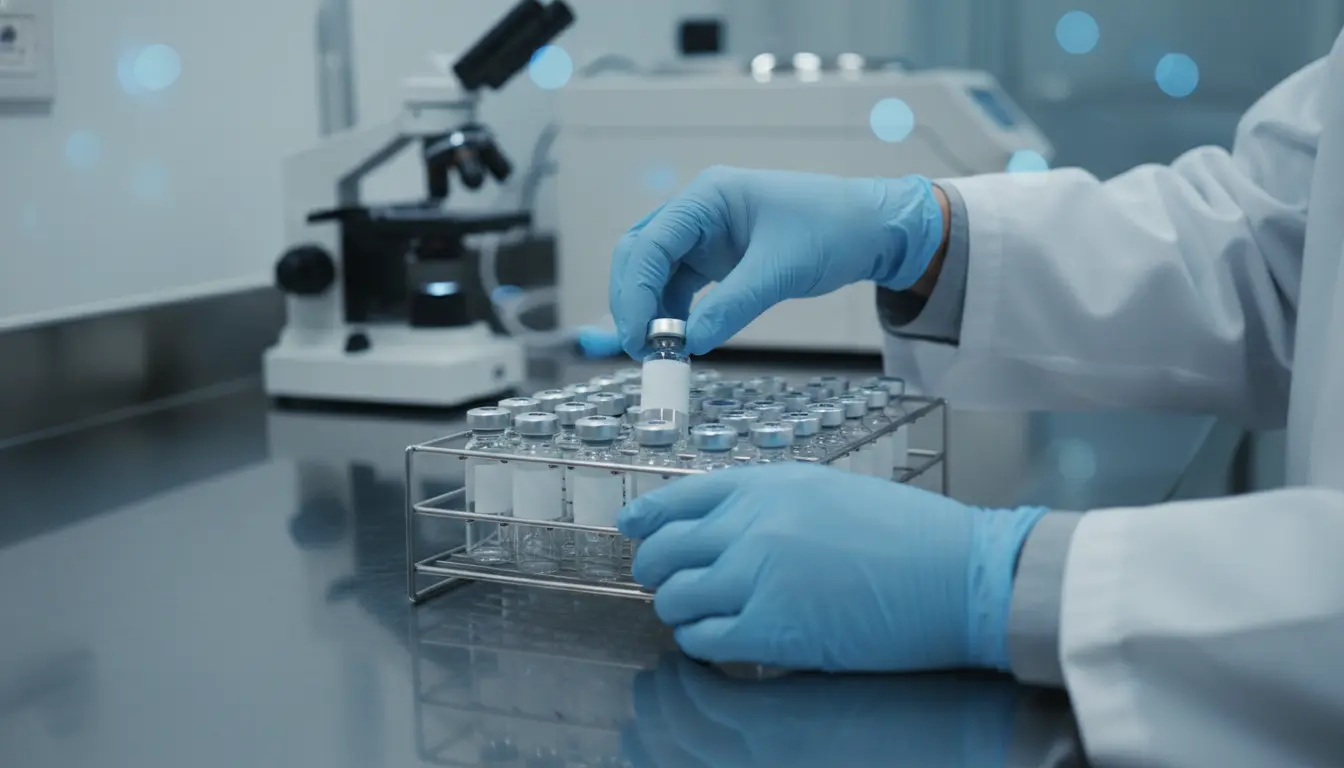
In judging the reliability of a testing organization, objective evaluation by a third party is indispensable. No matter how strongly a company itself claims to be "highly accurate" or "highly reliable," users cannot judge this objectively without external certification to back it up. Below are the main certifications and standards a DNA testing organization should ideally have obtained.
- ISO9001 (Quality Management System) certification
→ This certifies that the entire testing process is managed to a consistent quality standard. ISO9001 is an international quality management standard set by the International Organization for Standardization (ISO), under which a third party audits and certifies that an organization has a mechanism for continuous process improvement. A DNA testing organization holding this certification means that every process, from sample receipt through analysis to issuing the report, is standardized. ISO9001 also mandates internal audits and corrective action processes, building in a mechanism for prompt improvement whenever a problem is discovered.(5) - Privacy Mark (P Mark)
→ This certifies that a system is in place to appropriately manage and protect personal information. Because DNA testing handles extremely sensitive genetic information, having a proper personal information protection system in place is an essential requirement. Organizations that hold the Privacy Mark have passed a strict review by the Japan Institute for Promotion of Digital Economy and Community (JIPDEC) and undergo periodic renewal reviews.(6) - Compliance with the voluntary standards of the AGI (Association of Genetic Information Handling)
→ This is an indicator of the ethical and social responsibility of a company handling genetic information. As genetic testing has become more widespread, social interest in the appropriate handling of genetic information has grown. Following the AGI's voluntary standards ensures that services are provided based on ethical consideration. - ISO/IEC 17025 (General requirements for the competence of testing and calibration laboratories)
→ This certifies that a laboratory's technical competence and management system meet international standards. Overseas forensic labs commonly hold this certification, and a testing organization in Japan that holds it can be judged to have a high level of technical capability.(5)
These certifications and standards serve as important indicators of trust in the field of DNA testing, which handles highly sensitive personal information. Checking whether a testing organization's website displays certification marks and publishes certification numbers allows for a more objective assessment of its reliability. Note that even if a certification mark is displayed, if the certification number is not published, you should verify whether the certification has actually been obtained. Certification numbers can be checked against each certifying body's database, so if you have any concerns, it is recommended to verify directly.
Detailed check of service content
DNA testing services do not always state every condition clearly on their websites. Rather than focusing only on low price and fast turnaround, it is important to make a comprehensive judgment based on service quality and transparency. Before applying, be sure to confirm the following points.
- Whether a cancellation policy exists — Confirm in advance whether cancellation is possible after the sample has been sent, and the conditions under which a cancellation fee would apply.
- Additional fees for on-site sample collection — If a witness is required to collect the sample, such as for legal testing, a separate travel fee may apply.
- Cost of a retest if one becomes necessary — It is important to confirm in advance who bears the cost if the initial result is disputed or an additional test is needed.
- Whether a double-check system is in place (to improve the accuracy of the result) — A double-check system, in which a single sample is analyzed multiple times to confirm that the results match, significantly reduces the risk of misjudgment. International quality standards in forensic genetics also recommend confirming results through two or more independent analyses.(7)
- Personal information protection system (such as holding the Privacy Mark) — DNA information is the ultimate form of personal information. Be sure to confirm that the management system for it is fully in place.(6)
- Content and format of the result report — What information is included in the report (number of genetic loci, the numerical paternity probability, the Combined Paternity Index (CPI), etc.) is also an important point. Confirm that the report includes data for every genetic locus analyzed.
- Customer support responsiveness — Confirm whether support from specialized staff is available, from pre-application consultation through follow-up after receiving the result.
- Policy for handling insufficient samples — Whether a replacement collection kit will be sent at no additional charge if the amount of DNA in the submitted sample is insufficient is also a point worth confirming.
If anything is unclear, it is important to make an inquiry beforehand and proceed with the request only once you are satisfied with the answer. A trustworthy testing organization should respond to inquiries courteously and sincerely. Conversely, if the answers to your questions are vague or the organization seems to avoid giving explanations, caution is warranted. It is especially advisable to choose an organization that can give clear answers to technical questions such as "what analysis method is used" and "how many genetic loci are analyzed."
Pre-application checklist
When comparing and considering testing organizations, it is important to organize the items you need to confirm. The checklist below summarizes the minimum points you should confirm before applying for a parent-child DNA test.
| Check item | What to confirm | Importance |
|---|---|---|
| Domestic in-house lab | Testing performed in-house | Clarity of quality and accountability |
| Technician staffing | Presence of specialized staff | Consistency of testing accuracy |
| Third-party certification | ISO, Privacy Mark, etc. | Objective reliability |
| Double-check system | Whether it is implemented | Prevention of misjudgment |
| Fee structure | Presence of additional fees | Avoiding disputes |
| Information management | Personal information protection policy | Ensuring privacy |
Using this checklist and choosing a testing organization only once you are satisfied leads to a choice you won't regret. When comparing multiple testing organizations, using the above items as a basis allows you to make an objective and efficient judgment. Note that this checklist is only a set of minimum confirmation items, and additional points to confirm may arise depending on individual circumstances. If you are planning a legal test, it is also advisable to confirm in advance whether the requirements set by the court are met.
The process for choosing a trustworthy testing organization
Below is a summary of the recommended steps for actually requesting a DNA test. Proceeding in order allows you to choose a testing organization with greater peace of mind.
- Gather information — Check the websites of multiple testing organizations and compare their service content, fees, and certification information. It is also good to check whether they have an in-house lab, how many genetic loci they analyze, and sample reports.
- Check reviews and reputation — Check the voices of actual users on Google reviews and third-party evaluation sites. Compare evaluations across multiple platforms and avoid being swayed by extreme reviews alone.
- Inquire or use a free consultation — Contact organizations you are interested in directly to resolve any questions or concerns. The courtesy of their response is also a factor in your judgment. Asking specific questions such as "how many genetic loci are analyzed" and "is there a double-check system" helps you gauge the organization's expertise.
- Final confirmation with the checklist — Use the pre-application checklist above to confirm that all necessary items are satisfied. If any points remain unclear, contact the organization again.
- Apply and submit the sample — Once satisfied, formally apply to the organization and submit the sample according to their instructions. Be sure to check the precautions for sample collection (timing of eating and drinking, correct use of an oral swab, etc.) before collecting the sample.
Following this process helps prevent regrets such as "I just went with the cheapest option" or "I became anxious afterward." Remember that a DNA test is a one-time, important examination, and consider your choice carefully.
A point worth knowing: the number of genetic loci and testing accuracy
The accuracy of a DNA test is greatly affected by the number of genetic loci (STR markers) analyzed. Generally, the more genetic loci analyzed, the more reliable the paternity probability (the probability that confirms a parent-child relationship) becomes. A standard test analyzes around 15 to 20 genetic loci, but if you want higher accuracy, it is a good idea to choose an organization that analyzes more than that. The GlobalFiler™ kit, now widely used internationally, can simultaneously analyze 24 STR genetic loci, dramatically improving the reliability of the Combined Paternity Index (CPI). When contacting a testing organization, it is also recommended to ask "how many genetic loci do you analyze."(3)(7)
The basic principles of STR analysis and the scientific basis of paternity testing
STR (Short Tandem Repeat) analysis, used in DNA testing, is a technique that identifies individuals by using the differing number of repeats in short base sequences present on the human genome. Because a person inherits one set of DNA from each parent, at each genetic locus they always have two alleles, one derived from the mother and one from the father. Using this principle, a determination of biological parent-child relationship is made by confirming whether the child's alleles match the alleles of the presumed father.(1)
As for the specific analysis procedure, DNA is first extracted from the sample, and the target STR genetic loci are amplified using PCR (polymerase chain reaction). Next, a capillary electrophoresis device is used to precisely measure the size of the amplified products and determine the allele type at each genetic locus. Finally, the allele patterns of the mother, child, and presumed father are compared, and a statistical calculation (computing the likelihood ratio) is performed to quantify the probability of the parent-child relationship.
In this analysis, the more genetic loci analyzed, the more the risk of a misjudgment due to chance coincidence decreases exponentially. Current standard kits can simultaneously analyze 20 or more genetic loci, so a paternity probability of 99.99% or higher is common. However, for testing between close relatives (such as between siblings), additional genetic locus analysis or SNP (single nucleotide polymorphism) analysis may be required, so it is advisable to confirm the testing organization's capabilities in advance.(7)
Types of samples and handling precautions
There are several types of samples used in DNA testing. The most common is an oral swab (a method of rubbing a cotton swab against the inside of the cheek), which is non-invasive and allows a sufficient amount of DNA to be obtained easily. Blood, hair (with the root attached), nails, and saliva may also be used as samples, but since the efficiency and quality of DNA extraction differs depending on the type of sample, it is important to strictly follow the type of sample and collection method recommended by the testing organization.
- Oral swab — The most standard sample. It is recommended to avoid eating, drinking, smoking, and brushing your teeth for 30 minutes before collection.
- Blood — Abundant in DNA and stable in quality, but a medical professional is required for collection.
- Hair — It is essential that the hair root (hair bulb) is attached. Hair that has fallen out naturally often lacks a root, which can make DNA extraction difficult.
- Nails and other samples — Some organizations accept these as special samples, but additional fees may apply, or the success rate of DNA extraction may be low, so it is necessary to confirm in advance.
The most important thing in handling a sample is preventing contamination (mixing in of another person's DNA). It is standard practice to wear gloves during collection and to seal and store each sample in an individual container. When mailing a sample, avoiding high temperature and humidity and sending it as promptly as possible will minimize sample degradation. The collection kit provided by the testing organization comes with detailed instructions, so be sure to follow the procedure for collection and packaging.
Summary
A parent-child DNA test should not be chosen based on speed or price alone. Comprehensively confirming the reliability of the testing system, third-party evaluation, and the transparency of the service content leads to a choice you won't regret.
As explained in this article, there are many points to check, including whether the organization has a domestic in-house lab, third-party certifications such as ISO9001 and the Privacy Mark, a double-check system, price transparency, and a personal information protection system. Furthermore, understanding the basic principles of STR analysis and paying attention to the number of genetic loci analyzed and how samples are handled will allow you to make a more confident judgment.
However, carefully confirming each of these points one by one is the best way to obtain an accurate and reliable test result.
The result of a DNA test can have a major impact on your life and that of your family. That is exactly why we want you to take the time to choose a trustworthy testing organization and undergo testing with peace of mind. We hope this article has been of some help in choosing a testing organization.
\Parent-child DNA testing performed at our domestic in-house lab/
 Apply / Purchase a kit
Frequently Asked Questions
Q1. What is the most important point when choosing a DNA testing organization?
A. The most important thing is whether the organization performs testing at a domestic in-house lab. An organization with its own in-house lab can maintain consistent quality control from sample receipt through analysis and result reporting, minimizing risks such as sample mix-ups and contamination. Be sure to also check whether it holds third-party certifications such as ISO9001 and the Privacy Mark.
Q2. What are ISO9001 and the Privacy Mark? Why are they important?
A. ISO9001 is an international standard for quality management systems, under which a third-party body certifies that the entire testing process is managed to a consistent quality standard. The Privacy Mark (P Mark) is a certification proving that a system is in place to appropriately manage and protect personal information. Because DNA testing handles extremely sensitive genetic information, these certifications are important indicators for judging reliability.(5)(6)
Q3. What exactly is a double-check system?
A. A double-check system is a mechanism in which a single sample is analyzed multiple times to confirm that the results match. This significantly reduces the risk of misjudgment due to analysis mistakes or equipment malfunction. Given how much a test result can affect a person's life, whether a double-check system is in place is a point you must confirm before applying.
Q4. What is the typical cost of a DNA test? Are there additional fees I should watch out for?
A. Costs vary depending on the type of test (private or legal) and the testing organization. In addition to the base fee, additional costs such as on-site collection fees, retest fees, and express option fees may apply, so it is important to confirm the total cost in advance. Extremely cheap services may analyze fewer genetic loci or carry quality control risks from outsourcing to an overseas lab, so caution is needed.
Q5. Should I avoid a testing organization with few reviews?
A. The number of reviews is one indicator reflecting the actual number of users, but judging based on reviews alone is not sufficient. Even with few reviews, an organization can be trusted if other indicators of reliability are in place, such as holding third-party certifications like ISO9001 or the Privacy Mark, having a domestic in-house lab, and responding courteously to inquiries. It is important to judge comprehensively.
Q6. What is the difference between an organization that sends samples to an overseas lab and one with a domestic in-house lab?
A. When a sample is sent to an overseas lab, there are concerns such as the risk of sample degradation from temperature changes and vibration during transport, extended turnaround time due to customs procedures, and reduced transparency in information management due to the involvement of intermediaries. On the other hand, with a domestic in-house lab, the distance the sample travels is shorter, and the organization's own staff manage everything consistently from receipt through analysis, so a higher level of reliability can be expected in terms of both quality and security.(4)
Q7. How many genetic loci should ideally be analyzed in a DNA test?
A. A standard paternity test analyzes around 15 to 20 STR genetic loci, but the latest kits available today can simultaneously analyze 24 or more. The more genetic loci analyzed, the lower the risk of misjudgment due to chance coincidence, and the higher the reliability of the paternity probability. Especially for testing between close relatives or in complex cases, it is recommended to choose an organization that can analyze more genetic loci.(7)
Reliable support from the seeDNA Genetic Medicine Research Institute
The seeDNA Genetic Medicine Research Institute is a trusted specialist organization for DNA testing and genetic testing that holds the international quality standard ISO9001 and the Privacy Mark for privacy protection.
If you are troubled by questions about family or parent-child blood relationships, or a partner's infidelity, our DNA testing experts are here to support you so you can feel at ease. Please feel free to contact us.
[Free consultation with a specialized staff member]

If you have any questions,
please feel free to contact our toll-free number.
\Open every day, including weekends/
Business hours: Monday-Sunday 9:00 AM-6:00 PM
(excluding public holidays)
 Author
PhD / Examiner: L. L.
After earning a doctorate from the Graduate School of Clinical Medicine at the International University of Health and Welfare, joined seeDNA as an examiner.
Handles testing and data analysis for prenatal parent-child DNA testing.
[References]
(1) J Biol Chem, March 1997(2) HSTalks, October 2023
(3) seeDNA Genetic Testing & DNA Paternity Testing, November 2025
(4) Neurobiol Dis, March 2007
(5) ISO, September 2021
(6) Nature, June 2023
(7) Neuroscience, September 2015