
Rewrite date: November 28, 2025
A doctor explains the differences between certified and non-certified NIPT facilities. We compare the pros and cons of each in terms of counseling systems, test items, cost, and ease of booking, providing information to help expectant mothers choose the best facility for them.
For expectant mothers considering non-invasive prenatal testing (NIPT), where to have the test done is an extremely important choice. In Japan today, both certified and non-certified facilities offer NIPT, each with different characteristics. Choosing the right facility based on your own situation and preferences is the first step toward taking the test with peace of mind.
NIPT is a groundbreaking test that non-invasively evaluates the risk of fetal chromosomal abnormalities by analyzing fetal-derived cfDNA (cell-free DNA) contained in the mother's blood. Unlike conventional amniocentesis or chorionic villus sampling, it carries no risk of miscarriage, which is why it has become widely used as a test with less physical burden for many expectant mothers [ref:1]. However, since the choice of facility for NIPT directly affects the quality of the test and the support system available, careful consideration is needed. This article explains, from a doctor's perspective, the pros and cons of both certified and non-certified facilities in an easy-to-understand way.
- ・What Is an NIPT Certified Facility?
- ・Types of Certified Facilities: Core Facilities and Affiliated Facilities
- ・Pros and Cons of Getting NIPT at a Non-Certified Facility
- └ Pros
- └ Cons
- ・Pros and Cons of Getting NIPT at a Certified Facility
- └ Pros
- └ Cons
- ・Comparison Table: Certified vs. Non-Certified Facilities
- ・Key Points for Choosing a Facility Without Regret
- ・Conclusion
What Is an NIPT Certified Facility?

An NIPT certified facility is a medical institution certified by the Japanese Association of Medical Sciences' "Operating Committee for the Certification System for Prenatal Testing." This certification system was established when NIPT began as clinical research in Japan in 2013, with the aim of ensuring a proper genetic counseling framework and testing accuracy [ref:2].
NIPT is a "non-definitive test (screening test)," and a positive result does not immediately constitute a definitive diagnosis. For this reason, it is essential to provide thorough explanation and counseling before and after the test, creating an environment in which expectant mothers and their partners can correctly understand the significance and limitations of the test. The certification system was designed to guarantee this. At its introduction in 2013, NIPT was offered only at certified facilities, but as the technology spread, more non-certified facilities began offering NIPT as well, and in recent years there have been reports of the number of tests performed at non-certified facilities exceeding that at certified facilities [ref:3] [ref:6].
Types of Certified Facilities: Core Facilities and Affiliated Facilities
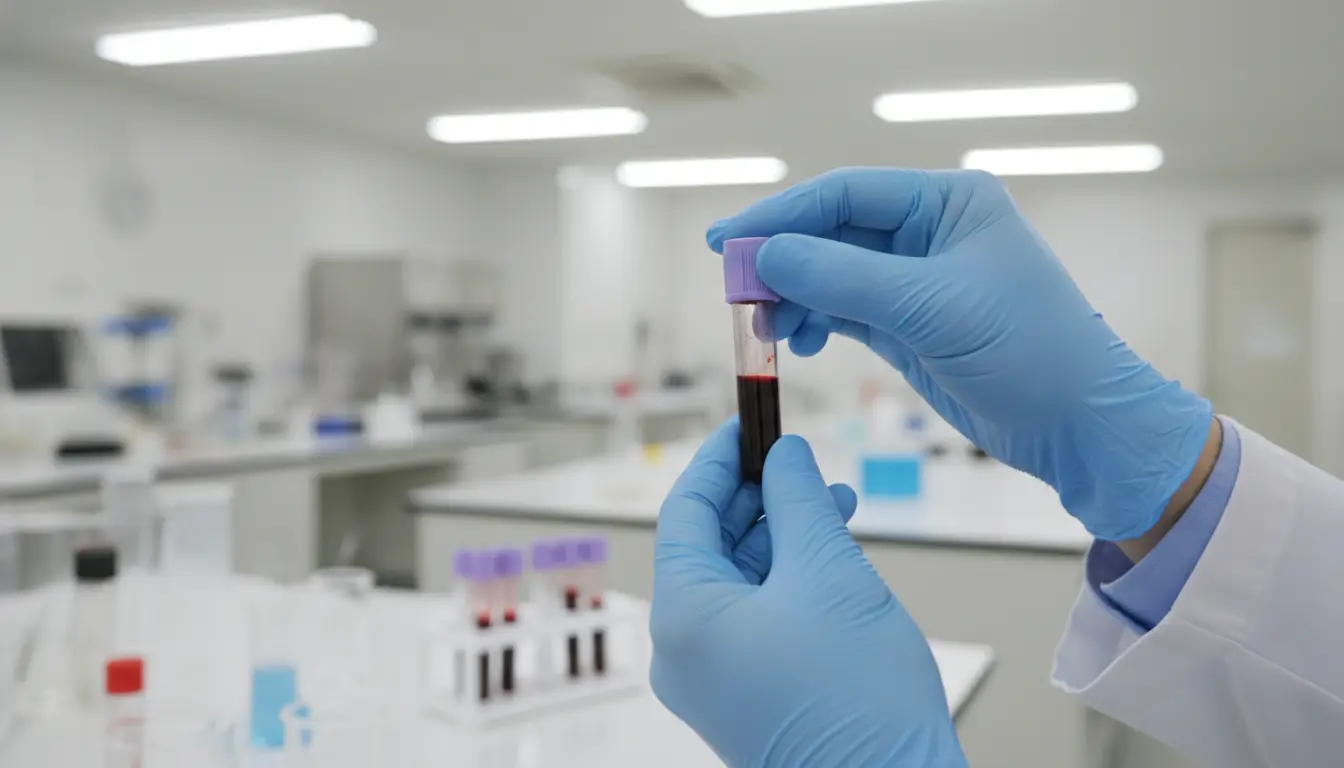
Certified facilities are classified into two types: core facilities and affiliated facilities. Understanding the role and characteristics of each will help you find the facility that suits you best.
Core Facilities
Core facilities are facilities with obstetricians and pediatricians on permanent staff, along with clinical genetics specialists and certified genetic counselors. They have a system in place to handle everything in-house, from genetic counseling through the test itself, to definitive diagnosis (amniocentesis, chorionic villus sampling), and follow-up afterward. These are mainly large medical institutions such as university hospitals and comprehensive perinatal medical centers, and they can provide comprehensive support, from decision-making assistance regarding continuing or ending a pregnancy when a chromosomal abnormality is confirmed, to information on childcare and treatment after birth [ref:2].
Affiliated Facilities
Affiliated facilities are facilities that offer NIPT in cooperation with core facilities. They handle pre-test counseling and blood draws, but when more specialized genetic counseling or definitive testing after a positive result is needed, they work together with a core facility. When visiting a core facility is difficult, counseling after a positive result may also be provided at the affiliated facility, making NIPT accessible even through a local primary care provider [ref:2].
Pros and Cons of Getting NIPT at a Non-Certified Facility

Pros
The great appeal of non-certified facilities is accessibility and flexibility.
- No age restriction: In many cases, you can take the test regardless of age or medical conditions if you wish, meeting a wide range of needs, including women under 35.
- Easy to book: With facilities located throughout the country, bookings can often be completed online in a short time, making these facilities suitable for those who want to be sure of getting tested within the limited window of early pregnancy.
- Cost advantages: Depending on the plan, many facilities offer testing for around 70,000 to 150,000 yen, and the ability to freely choose test content and options is also well received.
- A wide range of test items: In addition to the three basic trisomies, some facilities offer expanded panel testing that includes sex chromosome abnormalities and microdeletion syndromes. This broadens the options for those who want to check for conditions such as DiGeorge syndrome (22q11.2 deletion syndrome) [ref:7].
- Fewer visits required: Often the process is completed in a single visit, from consultation to blood draw, which is a benefit for those with limited time due to work or childcare.
Cons
On the other hand, there are points to be careful about when taking the test at a non-certified facility. Most importantly, because these facilities are not officially certified, there can be large differences in quality and operational standards from one facility to another [ref:3].
- Insufficient counseling and support systems: There have been reports of cases in which people took the test without adequate genetic counseling, leading them to misunderstand the meaning of the test or feel excessive anxiety over a positive result. At facilities that are mainly online with no doctor on-site, pre- and post-test consultation tends to be limited [ref:4].
- Insufficient response in the case of a positive result: If a positive result is obtained, in some cases the person must arrange a definitive test (such as amniocentesis) at a medical institution on their own, creating a risk that they will have to face the result while carrying unresolved anxiety [ref:4].
- Variability in test accuracy: Some facilities use overseas analysis laboratories, which may use evaluation methods and report formats that differ from domestic standards. Taking the test without understanding these differences can make it difficult to judge the reliability of the results.
Pros and Cons of Getting NIPT at a Certified Facility
Pros
The greatest appeal of certified facilities lies in their well-organized genetic counseling system.
- Comprehensive genetic counseling: Before testing, you receive a careful explanation from a doctor or certified genetic counselor about how NIPT works, its limitations, and the meaning of a positive result. Because false positives are possible with NIPT, this kind of prior explanation is extremely important [ref:2].
- Response by a team of specialists: Core facilities have genetics specialists on permanent staff and can flexibly handle even complex cases. Even if you are tested at an affiliated facility, you can receive support from specialists at the core facility when needed.
- Follow-up in case of a positive result: Definitive tests such as amniocentesis can be provided at the same facility or an affiliated facility, and referral to a specialist is smooth. With team-based care involving obstetrics, pediatrics, and genetics specialists, you can receive multifaceted support even in decision-making after the test.
- High transparency: Facility information and track records can be checked through public lists, giving you objective information to reference when choosing a facility [ref:2].
Cons
On the other hand, certified facilities also have some challenges.
- Harder to get an appointment: Especially at core facilities, because sufficient time is allocated for genetic counseling, wait times tend to be longer. Given the recommended testing period for NIPT (from week 10 of pregnancy onward), booking early is necessary.
- Eligibility may be limited: There is a tendency to limit eligibility to expectant mothers meeting specific conditions, such as those over 35 or those with a prior pregnancy involving a fetus with a chromosomal abnormality. However, since the 2022 revision of the certification system, the trend has been toward relaxing the application of age restrictions [ref:5].
- Higher cost burden: Including genetic counseling fees, the cost runs to about 100,000 to 200,000 yen, and multiple visits may be required before the test can be performed.
- Limited test items: Since testing is limited to the three conditions of trisomy 13, trisomy 18, and trisomy 21, options are limited for those who wish to have more comprehensive testing, such as for sex chromosome abnormalities or microdeletion syndromes.
Comparison Table: Certified vs. Non-Certified Facilities
Let's review the main differences between certified and non-certified facilities in a table.
| Comparison item | Certified facility | Non-certified facility |
|---|---|---|
| Genetic counseling | Comprehensive (specialists on staff) | Varies significantly by facility |
| Test items | Basic 3 trisomies | Expanded panel available |
| Approximate cost | About 100,000–200,000 yen | About 70,000–150,000 yen |
Beyond the above, there are many other points worth comparing, such as ease of booking, age requirements for eligibility, and cooperative arrangements for definitive testing in case of a positive result. It's important to be clear about what matters most to you before choosing a facility.
Key Points for Choosing a Facility Without Regret
When choosing an NIPT facility, we recommend confirming the following points in advance.
- Whether counseling is provided, and its quality: NIPT results are presented as a "probability," and interpreting them requires specialized knowledge. Be cautious if a facility only explains results in writing or over the phone.
- Follow-up system in case of a positive result: Check whether a system is in place to refer you to definitive testing (such as amniocentesis) if a positive result occurs [ref:3].
- The testing laboratory and its accuracy: It's also important to check in advance the test kit and analysis laboratory being used, along with the test's accuracy (sensitivity and specificity). Report format and turnaround time differ depending on whether analysis is done domestically or sent overseas [ref:8].
- When testing is available and the booking process: NIPT can be taken from week 10 of pregnancy onward, but at some facilities it may take several weeks from booking to testing. Acting early is recommended [ref:1].
- Check the cost breakdown: Since "testing fee" and "counseling fee" are sometimes set separately, be sure to clarify the total cost in advance.
Conclusion
Whether to have NIPT at a certified or non-certified facility depends on each expectant mother's situation and needs. Certified facilities excel in comprehensive counseling and follow-up systems, and are especially suited for those who want to discuss test results thoroughly with specialists. Non-certified facilities, meanwhile, offer advantages in accessibility and the breadth of test items available, making them a strong option for those who want to be tested without age restrictions.
What matters most, regardless of which you choose, is that you obtain sufficient information beforehand and understand the significance and limitations of the test before being tested. NIPT is a screening test, and even a positive result requires additional testing such as amniocentesis for a definitive diagnosis. Likewise, a negative result does not completely rule out the possibility of a chromosomal abnormality [ref:6].
In recent years, with the increase in non-certified facilities, cases in which expectant mothers receive results without an adequate post-test support system and end up confused have been raised as a social issue [ref:4]. When choosing a facility, please pay careful attention not only to cost and ease of booking, but also to the follow-up system in case of a positive result and the quality of counseling. We hope this article helps expectant mothers considering NIPT, and their families, make the best choice. If you have any questions, please feel free to contact the seeDNA Genetic Medicine Research Institute [ref:1].
/Find out your baby's risk of genetic disease/
 Apply / Purchase a Kit
Frequently Asked Questions
Q1. What is the biggest difference between NIPT certified and non-certified facilities?
A. The biggest difference is the genetic counseling system and follow-up system for positive results. At certified facilities, pre- and post-test counseling by clinical genetics specialists and certified genetic counselors is guaranteed, based on the standards of the Japanese Association of Medical Sciences. At non-certified facilities, on the other hand, there is significant variability in whether counseling is provided and its quality [ref:2].
Q2. Can I get NIPT even if I'm under 35?
A. Yes, you can. At non-certified facilities, testing is available regardless of age in most cases. At certified facilities as well, age restrictions have tended to be relaxed since the 2022 revision of the system, but some facilities still limit eligibility to women 35 and older. Please check directly with the facility of your choice [ref:5].
Q3. If NIPT comes back positive, is a definitive diagnosis necessary?
A. Yes, it is necessary. NIPT is a screening test (non-definitive test), and a positive result is not a definitive diagnosis. Because false positives are possible, it is recommended to undergo definitive testing such as amniocentesis or chorionic villus sampling. At certified facilities, referral for definitive testing is smooth, but at non-certified facilities you may need to find a medical institution yourself [ref:3].
Q4. What should I be careful about when getting NIPT at a non-certified facility?
A. The most important things to watch for are the pre- and post-test counseling system and the follow-up system for positive results. If you take the test without adequate genetic counseling, you may misinterpret the results. We also recommend checking in advance the reliability of the analysis laboratory being used, the test's accuracy, and the format of the report [ref:4].
Q5. How much does NIPT cost?
A. This varies by facility, but as a rough guide, certified facilities cost about 100,000–200,000 yen including genetic counseling fees, while non-certified facilities cost about 70,000–150,000 yen. Non-certified facilities often offer multiple test plans, and basic testing (the three trisomies only) can be relatively inexpensive. That said, it's important to judge comprehensively, considering the support system in addition to cost.
Q6. When is the best time to have NIPT?
A. NIPT is generally available from week 10 of pregnancy onward. This is the point at which a sufficient amount of fetal-derived cfDNA is present in the mother's blood. Since it may take several weeks from booking to testing depending on the facility, if you wish to be tested, we recommend starting to look for a facility as soon as your pregnancy is confirmed [ref:1].
Q7. How accurate is NIPT?
A. NIPT has been reported to have over 99% sensitivity and over 99.9% specificity in detecting trisomy 21 (Down syndrome), making it a highly accurate screening test. However, accuracy may be somewhat lower for trisomy 18 and trisomy 13. Also, since the possibility of false positives and false negatives is not zero, it is recommended that a definitive test always be performed if a positive result is obtained [ref:6].
Reassuring Support from the seeDNA Genetic Medicine Research Institute
The seeDNA Genetic Medicine Research Institute is a trusted, reliable specialist institution for DNA testing and genetic testing that has obtained the international quality standard ISO 9001 and the Privacy Mark for personal information protection.
If you are troubled by questions about family or parent-child blood relationships, or a partner's infidelity, our DNA testing experts will provide the support you need to feel at ease, so please feel free to contact us.
[Free consultation with specialized staff]

If you have any questions,
please feel free to contact our toll-free number.
/Open every day, including weekends/
Business hours: Monday–Sunday 9:00 AM–6:00 PM
(except public holidays)
Author
M.D., Ph.D.
Tasuku Hiroshige
Ph.D. in Medicine; Specialist and Instructor, Japanese Urological Association; Certified Physician, Japanese Society of Medical Oncology; Specialist, Japanese Society of Anti-Aging Medicine; Certified Occupational Physician, Japan Medical Association; Certified Physician, Japanese Society of Chemotherapy; Certified Physician, Japanese Society for Sexually Transmitted Infections; Certificate of da Vinci System
Training as a Console Surgeon, and others
After graduating from Kagoshima University School of Medicine in 2010, he built extensive clinical experience as a urologist. In addition to clinical work, he is also actively involved in academic activities such as conference presentations, writing papers, and securing research funding. Alongside his qualifications as a urology specialist and instructor, he holds specialist certifications in a wide range of fields, including cancer treatment, anti-aging medicine, and infectious disease treatment. He draws on his extensive medical knowledge and skills to provide care tailored to each individual patient.
[References]
(2) Prenat Diagn, July 2016
(3) Japanese Association of Medical Sciences Operating Committee for the Certification System for Prenatal Testing, April 2022
(4) Nat Prod Commun, August 2014
(5) J Consult Clin Psychol, February 2017
(6) Sankei Shimbun: Sankei News, October 2023