
Rewritten on: January 24, 2026
In December 2025, the latest DNA analysis by the Natural History Museum in London and UCL revealed that the "Beachy Head Woman," who lived approximately 2,000 years ago, was not of African descent but was instead a local woman from southern England. We explain in detail this groundbreaking case in which genomic science overturned a long-held morphological assumption.
Have you heard of the Beachy Head Woman?
She is the name given to the skeletal remains of a woman discovered in 1953 at Beachy Head (a scenic spot known for its chalk cliffs) in East Sussex, southern England, dating back approximately 2,000 years (to the Roman-controlled Britannia era, around the 3rd century AD).
For over 70 years, based on morphological analysis of her skull, she was believed to be "one of the earliest Black women in Britain, with roots in Sub-Saharan Africa." Her story was even featured in a BBC documentary, becoming widely known as a symbol of "the multi-ethnic nature of the Roman Empire." [ref:1]
However, in December 2025, the latest DNA analysis by a research team from the Natural History Museum in London and University College London (UCL) fundamentally overturned this long-held view. In this article, we explain in detail this groundbreaking research and the impact that ancient DNA analysis technology is having on archaeology, from an expert's perspective. [ref:1]
- ・What is the Beachy Head Woman? ── The background of a 70-year "established theory"
- ・The "true profile" revealed by the latest DNA analysis
- ・Why was the conventional assumption wrong? ── The limits of morphology
- ・The historical problems and scientific ethics of craniometry
- ・A new perspective on archaeology revealed by science
- ・How far has ancient DNA analysis technology advanced?
- ・Population composition in Roman Britain and DNA evidence
- ・Applications to modern ancestry analysis
- ・Conclusion ── Toward an era in which DNA analysis unravels historical misunderstandings
What is the Beachy Head Woman? ── The background of a 70-year "established theory"
 The remains of the Beachy Head Woman were excavated in 1953 from a hillside area near Eastbourne in southeastern England. Radiocarbon dating has confirmed that she lived during the Roman Britain period, around 245–340 AD. [ref:1]
In the archaeology of that time, "craniometry" was the mainstream method for inferring race and ethnic background from human bones. This involves measuring the shape and dimensions of the skull and comparing them against statistical databases to estimate geographic origin. The measurements of the Beachy Head Woman's skull were judged to "match features consistent with Sub-Saharan African populations," and for many years she was introduced as "one of the earliest Black women to arrive in Britain."
This interpretation was widely accepted from a historical standpoint as well, since it was not inconsistent with the fact that the Roman Empire ruled over a vast territory stretching from North Africa to the island of Britain, with active movement of people within the empire. In recent years, however, dramatic advances in ancient DNA analysis technology have made possible more accurate ancestry analysis that does not rely solely on external skeletal features. [ref:2]
Beachy Head itself is a chalky white cliff located on the southern coastline of England, facing the Strait of Dover. During the era when the Roman Empire controlled the island of Britain (43 AD to around 410 AD), this region was one of the key points for trade and military movement with the continent. This background—that it would not be unusual for migrants from distant places to have reached this area—reinforced the "African descent" interpretation. In addition, the fact that a BBC documentary introduced her as "the first Black Briton" contributed to a process in which an academic hypothesis eventually came to be perceived by the general public as established "fact." [ref:1][ref:3]
The "true profile" revealed by the latest DNA analysis
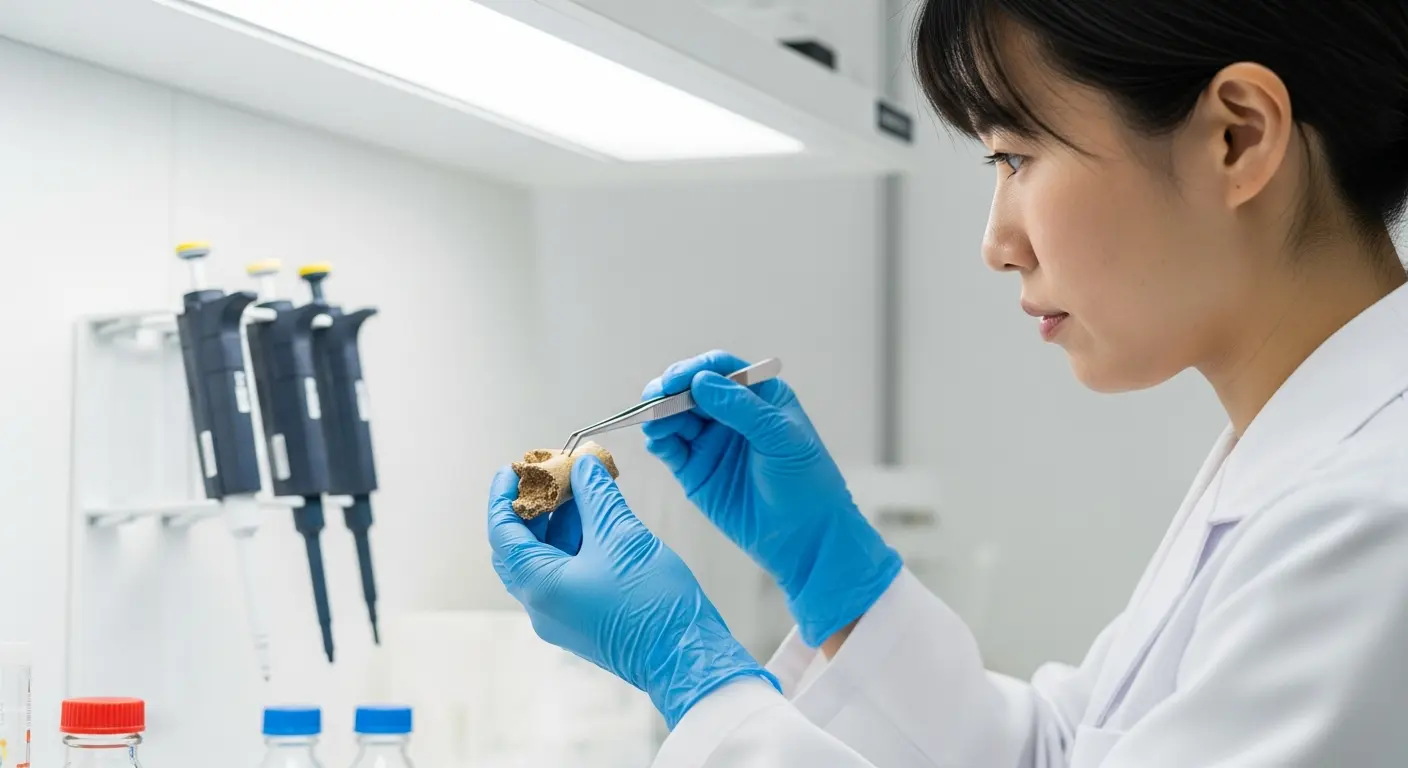
According to a paper published in the journal Journal of Archaeological Science in December 2025, the research team succeeded in extracting DNA data with more than ten times the precision compared to the 2017 investigation. Advances in next-generation sequencing (NGS) technology have made it possible to comprehensively decode entire genomes even from the tiny, degraded DNA fragments extracted from ancient bones. [ref:1][ref:2]
The main facts identified through this analysis are as follows.
- Genetic roots: Rather than African descent, her genetic profile showed a high match with local residents who lived in southern England (near present-day Eastbourne) at the time. In other words, it is highly likely that she was not a migrant from the continent but belonged to an indigenous population rooted in that land. Principal component analysis (PCA) and ADMIXTURE analysis also clearly placed her within the cluster of native British populations.
- Physical features: Analysis of pigmentation-related genes on the genome (such as SLC24A5, OCA2, and HERC) revealed—in stark contrast to the previous "African appearance" assumption—that she very likely had "blue eyes," "light skin," and "light-colored hair (blonde to light brown)." Numerous studies have confirmed that these gene loci play a major role in determining skin and eye color in European populations. [ref:4]
- Physical data: Combined with morphological analysis of the skeleton, her height was determined to be approximately 152 cm, and her estimated age at death was 18–25 years old. The average height of women in Britain at the time is estimated to have been around 154–158 cm, so she was somewhat petite but not extremely outside the norm.
- Diet and life traces: Analysis of stable isotopes (carbon and nitrogen isotope ratios) contained in the bones revealed a coastal-specific diet centered on locally caught seafood. This dietary pattern is typical of local residents born and raised in a coastal area, rather than someone who migrated from a distant region. The carbon-13 and nitrogen-15 ratios indicated a high dependence on marine resources, presenting a profile clearly distinct from an inland, grain-based diet.
These discoveries highlighted just how uncertain the conventional morphological analysis method was. Skull shape varies greatly between individuals and does not necessarily accurately reflect geographic origin or ethnic background. Modern genomic science has greatly reduced this kind of uncertainty, making it possible to get closer to the "true nature" of people from the past.
Why was the conventional assumption wrong? ── The limits of morphology
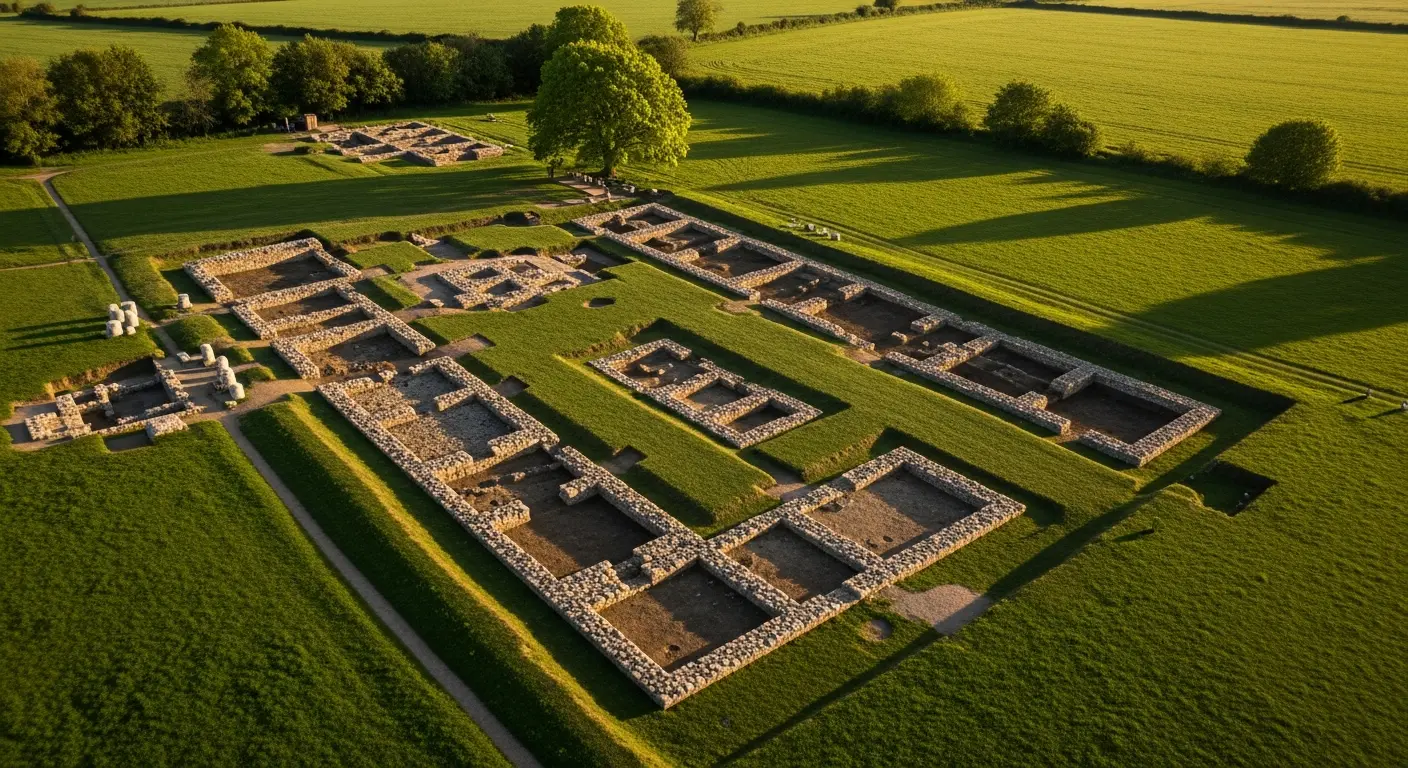 One of the most important lessons from the Beachy Head Woman case is the limits of determining race or ethnicity based solely on skeletal morphological features (craniometry).
Craniometry is a method that developed in the 19th century, in which various parts of the skull are measured and fitted to statistical typologies to estimate origin. Although this method has historically been widely used, the following fundamental problems have been pointed out.
- Large individual variation: Skull shape varies considerably even within the same population, making it statistically difficult to infer the characteristics of an entire population from a single individual.
- Influence of environmental factors: Environmental factors such as nutritional status, lifestyle, and disease affect skeletal morphology, so differences in shape do not necessarily reflect genetic differences.
- Overlap between populations: There is significant overlap in craniometric measurements across different regional and ethnic groups, making it inherently difficult to draw clear distinctions based on morphology alone.
- Historical bias: Craniometry has a history of being used for racially discriminatory purposes during its development, meaning the classification criteria themselves may contain inherent bias.
- Limitations of sample size: If the reference databases used for comparison are biased toward samples from a limited region or era, the accuracy of the matching itself is reduced. In the mid-20th century, craniometric data on ancient British residents was extremely scarce.
In this case, an incorrect conclusion was drawn because the morphological features of the skull happened to resemble the statistical tendencies of African populations. However, by using the objective method of DNA analysis, it was scientifically proven that she was in fact a local resident of southern England. This is an example of the important process by which genomic science re-examines and corrects conventional archaeological interpretations that relied on morphology. [ref:2]
The historical problems and scientific ethics of craniometry
Looking back at the history of craniometry is important for a deeper understanding of this case. This method was systematized in the late 18th century by the German anatomist Johann Friedrich Blumenbach, and in the 19th century it became central to the discipline that attempted a "scientific classification of races." However, in the process, it was also used to fuel discussions of "racial superiority and inferiority" based on Eurocentric values—an extremely serious problem in the history of science. [ref:2]
Since the mid-20th century, advances in human genetics have led to the scientific rejection of the very concept of "biological race." It has become clear that the vast majority of genetic variation in humans (approximately 85–95%) exists within populations rather than between them, and that visible differences (such as skin color and facial shape) result from only a tiny fraction of variation across the entire genome. [ref:4] The case of the Beachy Head Woman is a concrete example of how outdated the old method of craniometry is, and how molecular-level evidence from DNA analysis can lead to far more reliable conclusions. In modern forensic medicine and forensic anthropology as well, it has become standard practice to use DNA analysis alongside skeletal morphology whenever possible, rather than relying on morphology alone.
A new perspective on archaeology revealed by science
This discovery marked a major turning point in archaeology. What had once been racial inference relying on skeletal measurement (morphology) has now been corrected more objectively and accurately by cutting-edge genomic analysis technology.
Until now, she had been spoken of as a symbol of "the diversity of the Roman Empire," but in reality she was a woman born and raised locally. However, this result does not deny the diversity of society at the time; rather, it is a fine example of science correctly rewriting "an individual's story that could not be judged by appearance alone." [ref:1]
From Roman Britain sites, there have indeed been cases confirmed through DNA analysis of remains belonging to people with roots in Africa or the Middle East. For example, multiple remains of individuals with roots in North Africa or the eastern Mediterranean have been confirmed at Roman-era burial sites in York (in present-day northern England), providing solid evidence supporting the empire's multi-ethnic character. [ref:5] What matters is not simply "whether diversity existed," but "accurately depicting each individual's story based on scientific evidence," and this research embodies exactly that ideal.
Ancient DNA (aDNA) research has developed rapidly in recent years, making it possible to extract genomic information even from human bones thousands to tens of thousands of years old. This technological innovation is rewriting our understanding of prehistoric population structures, migration patterns, and even the routes by which agriculture spread across Europe. The case of the Beachy Head Woman is one event symbolizing this trend in archaeogenomics. [ref:2]
How far has ancient DNA analysis technology advanced?
Understanding the research on the Beachy Head Woman requires an appreciation of the advances in ancient DNA (aDNA) analysis technology. DNA remaining in ancient bones and teeth becomes fragmented and chemically altered (through processes such as deamination) over thousands of years. As a result, it requires more advanced techniques and careful contamination control than ordinary genetic testing.
The major technologies currently used in ancient DNA analysis include the following.
- Next-generation sequencing (NGS): This technology can decode vast numbers of short, fragmented DNA sequences in parallel, making it especially well suited to ancient DNA analysis. The rapid advancement of NGS technology is what enabled this study to achieve tenfold greater precision compared to the 2017 analysis. The widespread adoption of high-throughput instruments, such as Illumina's NovaSeq series and Oxford Nanopore's sequencers, has also been a major factor.
- Target enrichment: A technique that concentrates DNA fragments focused on SNPs (single nucleotide polymorphisms) important for ancestry and phenotype estimation, rather than the entire genome. This makes it possible to extract the maximum amount of information from limited ancient DNA samples. Specifically, the "1240k SNP panel," which simultaneously captures approximately 1.2 million SNP sites, is widely used as a standard tool in ancient DNA research.
- Bioinformatics analysis: The obtained DNA sequence data is compared against genomic databases of ancient and modern populations worldwide, using statistical methods to estimate the geographic and genetic background of ancestry. Principal component analysis (PCA) and ADMIXTURE analysis are widely used for this purpose.
- Phenotype prediction: A technique that scientifically estimates the physical appearance of ancient people by analyzing gene variants related to skin color, eye color, hair color, and so on. The prediction that the Beachy Head Woman had "blue eyes, light skin, and light-colored hair" is a result of this technology. Prediction models such as the HIrisPlex-S system have been put into practical use and are increasingly applied in forensic science as well. [ref:4]
- Contamination control protocols: In ancient DNA research, contamination from modern human DNA or environmental microbial DNA is the greatest risk. To address this, multiple layers of countermeasures are strictly implemented, including work in clean rooms, DNA degradation treatment using UV light, the use of negative controls, and post-analysis contamination filtering.
By combining these technologies, it has become possible to recover remarkably detailed information—genetic ancestry, physical appearance, and even diet and health status—even from bones as degraded as those that are 2,000 years old. Ancient DNA analysis is likely to continue improving in precision, becoming an even more powerful tool for re-examining many long-held historical "established theories."
Population composition in Roman Britain and DNA evidence
To understand the case of the Beachy Head Woman within a broader historical context, it is important to know about the population composition of Roman Britain. Following the conquest of the island of Britain, which began in 43 AD under the orders of Emperor Claudius, the Roman province of "Britannia" was maintained for approximately 400 years. During this period, soldiers, merchants, artisans, and enslaved people moved to the island of Britain from across the empire, and historical records confirm that a society formed in which people of diverse genetic backgrounds coexisted. [ref:5]
Recent ancient DNA research has genetically confirmed the presence of people with roots in the Mediterranean coast, North Africa, and even the eastern Mediterranean in major Roman-era cities such as London (Londinium) and York. On the other hand, it has also been suggested that in rural areas and coastal regions farther from urban centers, the genetic makeup of the indigenous Celtic Britons may have remained largely unchanged. The identification of the Beachy Head Woman as a "local resident" is one piece of evidence pointing to this kind of genetic continuity in rural areas. In this way, while ethnic diversity certainly existed across the empire as a whole, the population composition varied by region, once again demonstrating how risky it is to determine the origin of individual remains without DNA analysis.
Applications to modern ancestry analysis
The analytical techniques developed through ancient DNA research are being directly applied to modern genetic testing services as well. In particular, ancestry DNA testing estimates which regions or ethnic groups a person's ancestors came from by comparing an individual's DNA against genomic databases of populations from around the world. The PCA and ADMIXTURE analyses used in the research on the Beachy Head Woman are based on exactly the same principles. [ref:2]
The "DNA Score" offered by the seeDNA Genetic Medicine Research Institute can also analyze a person's ethnic ancestry composition, in addition to genetic tendencies related to health risks, physical traits, and talent. Learning about your own roots genetically is not merely a matter of curiosity—it can also lead to a better understanding of genetic health risks. For example, it can help you identify in advance the risk of hereditary diseases common in certain ethnic populations, which can then be used for preventive health management. Whether the subject is an ancient human bone or a person living today, the fundamental approach of scientifically decoding information encoded in DNA is the same.
\Discover the ancestral ethnic composition encoded in your DNA/
Conclusion ── Toward an era in which DNA analysis unravels historical misunderstandings
The latest DNA analysis technology has unraveled a historical misunderstanding across a span of 2,000 years.
The case of the Beachy Head Woman shows how scientific evidence can update our interpretation of history and convey the true image of people from the past more clearly to the present day. [ref:1][ref:2]
The fact that a person believed for 70 years to be "Britain's oldest Black woman" turns out to have actually been a local resident of southern England is both shocking and a testament to the remarkable self-correcting power of science. Genomic analysis—an objective method—has brought to light a "truth" that could not be seen through morphological observation alone.
This research offers profound insight not only into the world of archaeology but also into how we ourselves think about "roots" and "identity" in everyday life. Physical appearance alone cannot tell us a person's genetic background or their true story. Only molecular-level information from DNA can give us objective answers free of prejudice and preconception.
Furthermore, this case vividly illustrates the evolution of scientific methodology itself. DNA analysis technology that did not exist at the time of the 1953 discovery has, 70 years later, led to an entirely different conclusion. This teaches us that science is a dynamic pursuit that continually updates its own conclusions based on the latest evidence. [ref:2]
Even today, DNA analysis is used in many aspects of our lives—from genetic testing to explore ancestral roots to DNA testing to confirm parent-child relationships. From ancient human bones to us today, the information encoded in DNA continues to speak the truth across time. [ref:1][ref:2]
 Apply / Purchase Kit
Frequently Asked Questions
Q1. What is the Beachy Head Woman?
A. The Beachy Head Woman is the name given to the remains of a woman discovered in 1953 at Beachy Head in East Sussex, southern England, dating back approximately 2,000 years (to the Roman Britain era, around the 3rd century AD). She was initially estimated, based on skull shape, to be "one of the earliest Black women in Britain, with roots in Sub-Saharan Africa," but the latest DNA analysis in 2025 revealed that she was in fact a local resident of southern England.
Q2. Why was the conventional "African descent" assumption overturned?
A. The conventional assumption was based on a morphological method called "craniometry," which measures skull shape. However, this method has limited accuracy because it is subject to large individual variation and environmental influences. In this case, a research team from the Natural History Museum in London and UCL conducted high-precision DNA analysis using next-generation sequencing (NGS) technology, and the results showed that she genetically matched the local population of southern England, and that analysis of pigmentation-related genes indicated she was a woman with "blue eyes, light skin, and light-colored hair."
Q3. What kind of technology was used in this DNA analysis?
A. Primarily, whole-genome analysis using next-generation sequencing (NGS) and target enrichment technology focused on SNPs (single nucleotide polymorphisms) related to ancestry estimation and phenotype prediction were used. DNA data was extracted with more than ten times the precision compared to the 2017 investigation, and by combining this with stable isotope analysis of the bones, researchers succeeded in reconstructing not only genetic roots but also diet and living environment.
Q4. Does this research result deny the diversity of Roman Britain?
A. No, it does not. The Roman Empire ruled over a vast territory stretching from North Africa to Western Europe, and other archaeological and genetic evidence confirms that people from various regions did migrate to the island of Britain. This research simply presents a scientifically corrected account of the individual story of the Beachy Head Woman, and does not deny the diversity of society as a whole at the time.
Q5. Can modern genetic testing be used to explore my own ancestral roots?
A. Yes, it can. Genetic testing using modern DNA analysis technology can determine which regions or ethnic groups your ancestors came from. The "DNA Score" offered by the seeDNA Genetic Medicine Research Institute can analyze your ancestral ethnic composition in addition to genetic tendencies related to health risks, physical traits, and talent. Under a trusted quality management system certified with ISO 9001 and the Privacy Mark, our experts support you through to the interpretation of your results, so please feel free to contact us.
Q6. What is the biggest challenge in extracting DNA from ancient bones?
A. The biggest challenge is "DNA degradation and contamination." Over thousands of years, DNA breaks down into short fragments and undergoes chemical alteration (such as deamination). In addition, there is a risk of "contamination" from modern human DNA or microbial DNA being introduced during excavation or storage. To overcome these challenges, advanced techniques are required, including work in clean rooms, contamination control protocols, and data filtering through bioinformatics.
Q7. Is craniometry no longer used at all?
A. Craniometry itself has not been completely abandoned, but today it is generally used as a supplementary method in combination with other scientific techniques, such as DNA analysis and stable isotope analysis, rather than as a standalone method. In particular, when it comes to estimating race or ethnicity, it is now widely recognized that DNA analysis is far more reliable, and conclusions based on morphology alone are treated with greater caution.
Reliable Support from the seeDNA Genetic Medicine Research Institute
The seeDNA Genetic Medicine Research Institute is a trusted specialist institution for DNA testing and genetic testing, certified with the international quality standard ISO 9001 and the Privacy Mark.
If you are troubled by questions of family or parent-child blood relationships, or a partner's infidelity, our DNA testing experts will provide the support you need for peace of mind, so please feel free to contact us.
[Free Consultation with Specialist Staff]

If you have any questions,
please feel free to contact our toll-free number.
\Open every day, including weekends/
Business hours: Monday–Sunday 9:00 AM–6:00 PM
(excluding public holidays)
 Author
Yoshinori Tomikane, M.D., Ph.D.
Graduate of the Master's/Doctoral Program in Biosystem Studies and Molecular Medicine at the University of Tsukuba
In 2017, developed Japan's first prenatal DNA testing(Patent 7331325) using proprietary trace-DNA analysis technology(Patent 7121440)