
Rewritten on: November 30, 2024
seeDNA's legal DNA testing receives 200-300 applications per month, and far more people struggle with questions of blood relation than one might imagine. Under strict third-party witnessing and adherence to chain of custody, we fulfill our mission of resolving our clients' lifelong concerns with fair and impartial testing results.
- ・The real voices heard on the front lines of legal DNA testing - what 200-300 applications a month really means
- ・200-300 applications per month - is this number high or low?
- ・"Is it really that many?!" - the reality of demand that exceeds expectations
- ・Fair and impartial - the strict quality control required for legal appraisal
- ・The accuracy and scientific basis of DNA typing
- ・The role legal appraisal plays in society
- ・To resolve our clients' lifelong concerns
The real voices heard on the front lines of legal DNA testing - what 200-300 applications a month really means
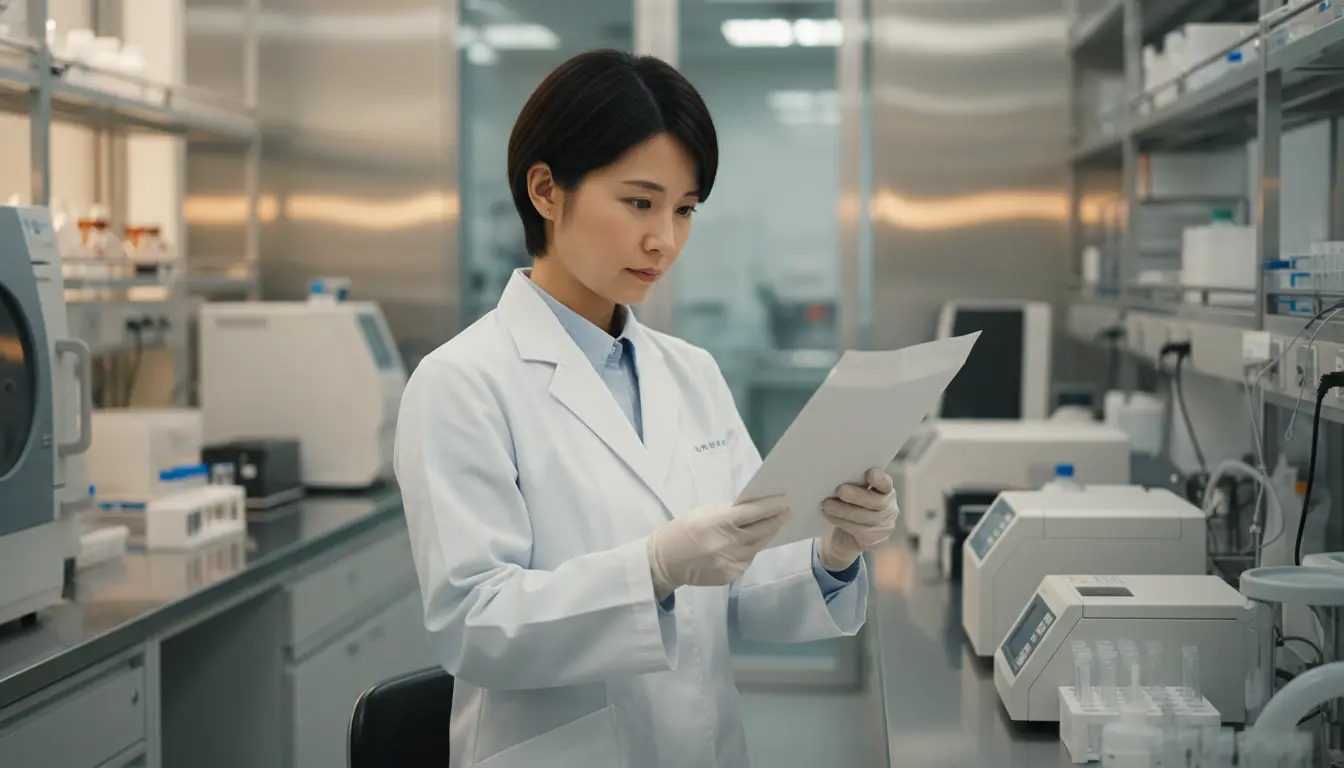 Our legal appraisal service involves a third party witnessing the actual moment the test subject provides a sample. As the person in charge of legal appraisal, I meet with a wide variety of people depending on the situation - clients, test subjects, medical professionals, lawyers, and administrative scriveners. Because the results of legal appraisal must hold evidentiary value in court proceedings and administrative procedures, every process from sample collection to the reporting of results must be strictly managed.
DNA typing is no longer limited to the world of TV dramas or criminal investigations. It is now widely used in situations closely tied to everyday life for ordinary people - confirming parent-child relationships, inheritance procedures, proof of blood relation for immigration authorities, paternity acknowledgment claims, and lawsuits to confirm the nonexistence of a parent-child relationship in divorce cases. For test results to be accepted as formal evidence in these legal procedures, a strict process called "chain of custody" is essential to eliminate any possibility of sample mix-up or tampering [ref:1]. Chain of custody refers to the system of consistently recording and managing who handled the sample, when, and how, from the moment it is collected until the analysis is complete - an internationally established basic principle in the field of forensic science [ref:3].
200-300 applications per month - is this number high or low?
 There is a question I receive almost without fail in the field of legal appraisal: "About how many applications do you get per month?"
At our company, including private (non-legal) testing, we receive around 200-300 applications per month. Including the number of inquiries, the response easily exceeds 1,000 per month. Hearing this number, do you feel it's a lot? Or does it seem like too few?
Demand for DNA typing in Japan has been increasing year by year. Behind this trend lie the diverse family forms unique to modern society: the need for proof of blood relation accompanying the rise in international marriages, paternity acknowledgment claims by unmarried parents, and disputes over inheritance. According to statistics from the Ministry of Health, Labour and Welfare, the proportion of children born out of wedlock (non-marital children) in Japan has been gradually increasing, and along with it, the need to legally confirm parent-child relationships has also grown [ref:2]. Furthermore, as international movement of people becomes more active, there are increasing cases where objective proof of blood relation is required when obtaining residency status or bringing family members to Japan, and it would not be an overstatement to say that DNA typing is no longer something special, but has begun to function as part of the social infrastructure.
"Is it really that many?!" - the reality of demand that exceeds expectations
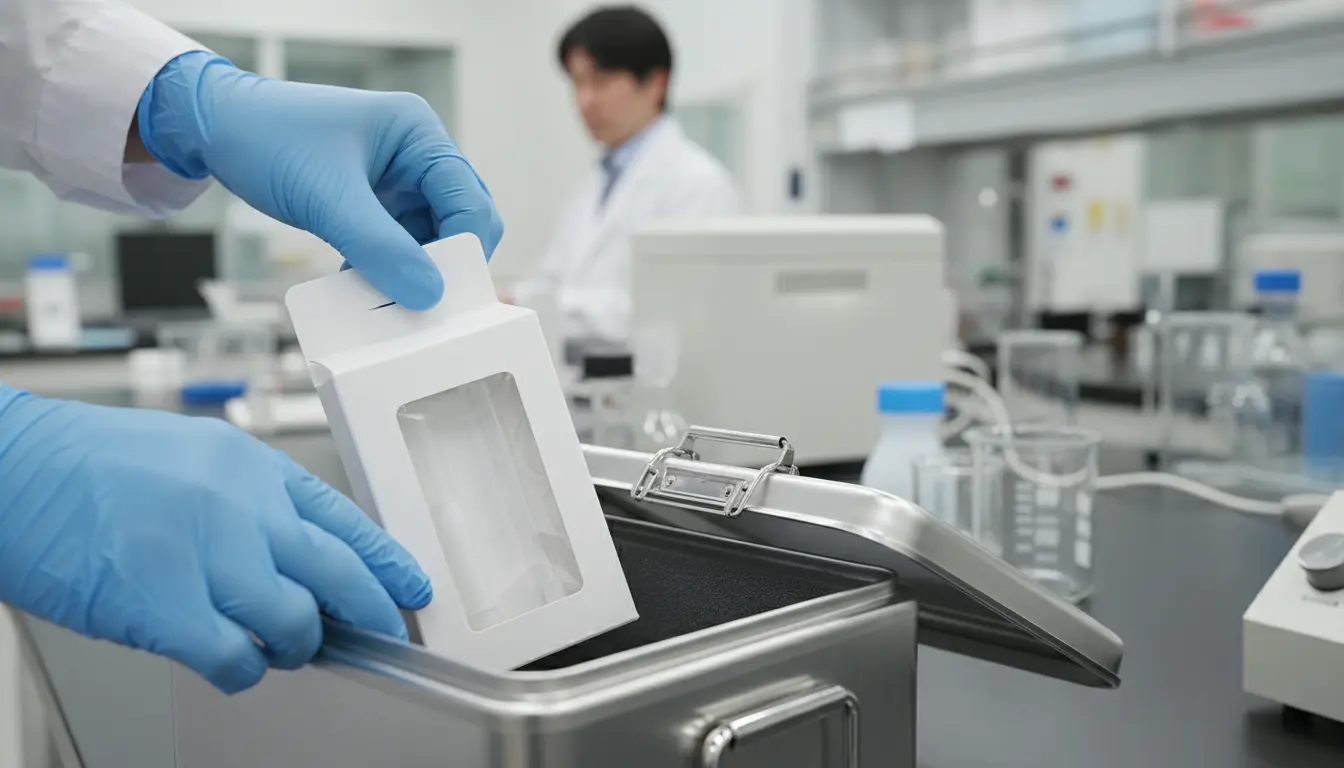 Whenever I share this kind of story, I'm very often met with the reaction, "What?! Is it really that many?!" Before I began working in this field myself, I never imagined that so many people were interested in the area of DNA typing.
Of course, each client has their own unique circumstances, but I feel that far more people struggle with questions of blood relation than the general public tends to imagine. In fact, the reasons for requesting DNA typing are extremely diverse. Below are some representative examples.
- Testing to confirm a parent-child relationship (paternity or maternity)
- Obtaining legal evidence for paternity acknowledgment claims or child support claims
- Proof of blood relation for inheritance procedures
- Obtaining proof of blood relation required by immigration authorities or for visa applications
- Denial of legitimacy or confirmation of the nonexistence of a parent-child relationship in divorce proceedings
- Confirmation of sibling relationships or other family relationships
Not limited to DNA typing, I imagine there are no small number of people who harbor ill intentions toward any tool that attracts widespread interest. Applied to our services, this might mean intentionally manipulating test results by some means. (Though in practice, I have almost never encountered anyone like this.)
It is precisely to eliminate this risk of fraud that the system of third-party witnessing in legal appraisal plays such a crucial role. Through multiple steps - verifying identity to confirm without doubt that the test subject provided the sample themselves (checking photo ID), photographing the collection scene, and having the witness sign - the reliability of the test results is legally guaranteed.
Fair and impartial - the strict quality control required for legal appraisal
At least in legal appraisal, we take every possible measure to ensure that samples are collected in front of us, preventing any human error such as sample mix-ups. We have never, and will never, betray the many customers who have trusted us and undergone testing with our company for the sake of some small personal gain.
In legal appraisal, multiple checkpoints are established at each step, from sample collection to the reporting of results. The specific process is as follows.
- Application and preliminary consultation from the client
- Coordination of the appraisal date and location, and arrangement of a third-party witness
- Identity verification of the test subject (presentation of photo ID, etc.)
- Sample collection under third-party witnessing (such as an oral mucosa swab)
- Sealing and labeling of the sample, and signature by the witness
- Strict transport of the sample to the testing laboratory and confirmation of receipt
- DNA extraction and analysis, and multiple rounds of verification
- Preparation of the appraisal report and reporting of results to the client
What is particularly important throughout this series of processes is the continuity of records at each stage. By managing everything in a traceable manner - who touched the sample and when, whether there is any sign that it was opened during transport - we can prove the legitimacy of the test result even if it is contested in court [ref:1].
The accuracy and scientific basis of DNA typing
Modern DNA typing technology boasts extremely high accuracy. Generally, in paternity testing, a conclusion of "parent-child relationship exists" is reached with a probability of over 99.99%, while a "no parent-child relationship" conclusion can be reached with 100% exclusion. This is based on a method that analyzes repeating sequences on DNA called STR (Short Tandem Repeat) across multiple gene loci [ref:1].
STR analysis measures the number of repetitions of short 2-6 base sequences scattered throughout the human genome. Since the number of repetitions (alleles) that each individual has at each locus is inherited one from the father and one from the mother, scientific determination of a parent-child relationship is possible by verifying whether the child's alleles match the combination of the parents' alleles [ref:4]. Current standard testing kits analyze 20 or more gene loci simultaneously, so the probability of a coincidental match is astronomically low, achieving accuracy that is effectively zero.
Our company uses an internationally recognized standard set of gene loci, and further enhances the reliability of test results by analyzing additional loci as needed. The equipment and reagents used in analysis are also regularly calibrated and quality-controlled, with procedures thoroughly compliant with international standards.
The role legal appraisal plays in society
Legal DNA testing is not merely about determining the existence of a blood relation - it is an important tool for protecting the legal rights of the parties involved and realizing social justice. For example, in paternity acknowledgment claims, proof of the father-child relationship legally establishes the child's right to claim child support and inheritance rights. This is an issue directly connected to the welfare of the child, and the role played by scientific, objective evidence is extremely significant.
Additionally, in the field of immigration, DNA typing is sometimes used as supplementary evidence when official documents proving family relationships are insufficient, or when there is doubt about the reliability of a birth certificate. The International Organization for Migration (IOM) and immigration authorities in various countries also recognize DNA testing as a means of family reunification [ref:5], and its importance is growing ever more in today's increasingly globalized society.
To resolve our clients' lifelong concerns
Many people who request DNA typing reach out to us after struggling with their concerns for a long period of time. "Is this really my own child?" "I want to prove my blood relation to my deceased father." "I need proof of blood relation to bring my family overseas to Japan." Each person applies while carrying deeply earnest feelings.
The most important thing we can offer to such people is "a trustworthy, accurate result." To resolve our clients' lifelong concerns, fairly and impartially - that is the mission entrusted to our company, myself included.
The results of legal appraisal can greatly affect the course of a person's life. They can change the outcome of a trial, determine the shape of a family, and even bring about the reunion of a family separated across national borders. That is precisely why I feel strongly that maintaining uncompromising quality control and sincere responsiveness in every single test is our responsibility as a company providing DNA typing.
If you have concerns regarding blood relations, please feel free to consult with us. Whether for legal or private appraisal, our experienced staff will respond to you with care.
Frequently Asked Questions
Q1. What is the difference between legal appraisal and private appraisal?
A. Legal appraisal involves identity verification and sample collection conducted under third-party witnessing, producing results that can be used as evidence in court or administrative procedures. Private appraisal, on the other hand, is conducted using simpler methods, such as collecting a sample at home and mailing it in, but it has no legal evidentiary value. If your purpose is personal confirmation, choose private appraisal; if you plan to use the results in a lawsuit or official procedure, choose legal appraisal.
Q2. How accurate is DNA typing?
A. With modern DNA typing, when a parent-child relationship exists, it is determined with a probability of over 99.99%, and when no parent-child relationship exists, it is excluded with 100% probability. Extremely high accuracy is guaranteed through the STR method, which analyzes multiple gene loci.
Q3. Are legal appraisal results accepted as evidence in court?
A. Yes. Because legal appraisal is conducted through strict procedures including third-party witnessing, identity verification, and chain of custody of the sample, it is accepted as formal evidence by courts and administrative agencies. Lawyers and administrative scriveners can also confirm this.
Q4. How long does it take to receive the appraisal results?
A. Typically, we notify you of the results about one to two weeks after the sample arrives at the testing laboratory. However, expedited service is also available for urgent cases, so please consult with us when applying.
Q5. Is there any risk of the appraisal results being intentionally manipulated?
A. In legal appraisal, sample collection is conducted under third-party witnessing, and multiple management procedures are thoroughly enforced, including sealing, signatures, and photographing of the samples. We have built a system in which sample mix-up or tampering is physically impossible, guaranteeing fair and impartial results.
Q6. Why do you receive as many as 200-300 applications per month?
A. The situations in which DNA typing is needed are far more diverse than one might imagine - the rise in international marriages, paternity acknowledgment or child support claims, inheritance procedures, and proof of blood relation for immigration authorities. As family forms diversify in modern society, the need to objectively prove blood relations has grown, and this is the main factor behind the demand.
Q7. Is sample collection painful?
A. No. The samples used in legal appraisal are mainly collected using an oral mucosa swab (a method of rubbing the inside of the cheek with a cotton swab). There is no need for blood collection, and there is almost no pain involved. Even children and elderly individuals can provide samples with peace of mind.
Reassuring Support from seeDNA Genetic Medical Research Institute
seeDNA Genetic Medical Research Institute is a trusted specialist institution in DNA testing and genetic testing that holds the international quality standard ISO9001 certification and the Privacy Mark for privacy protection.
If you have concerns about blood relations within your family, parent-child relationships, or a partner's infidelity, our DNA testing specialists are here to support you with peace of mind, so please feel free to contact us.
[Free Consultation with Specialized Staff]

If you have any questions,
please feel free to contact our toll-free number.
/Open every day, including weekends/
Business hours: Monday-Sunday 9:00 AM-6:00 PM
(Excluding holidays)
 Author
Dr. Kihan Tomikane, M.D., Ph.D.
Completed his master's and doctoral studies in Biosystems and Molecular Information Medicine at the University of Tsukuba Graduate School.
In 2017, developed Japan's first prenatal DNA testing(Patent 7331325) using trace DNA analysis technology(Patent 7121440)