
Last revised: December 9, 2024
Cigarette butts can be used as samples for DNA testing. This article explains in detail how DNA is extracted from butts of regular cigarettes and heated tobacco products such as IQOS and glo, the importance of sample preservation condition, and the meaning of the testing success rate.
- ・Many Ways to Shop
- ・About Cigarette, Heated Tobacco, and E-Cigarette Samples Other Than Cotton Swabs
- └ Regular cigarettes
- └ IQOS and glo
- └ About e-cigarettes (VAPE)
- ・The mechanism of extracting DNA from cigarette butts
- ・Testing works fine if the condition is good
- ・Points to keep in mind when submitting cigarette butts as samples
- └ About storage methods
- └ Precautions when collecting
- └ About the quantity to submit
- ・Sample types and approximate testing success rates
- ・Summary
Many Ways to Shop
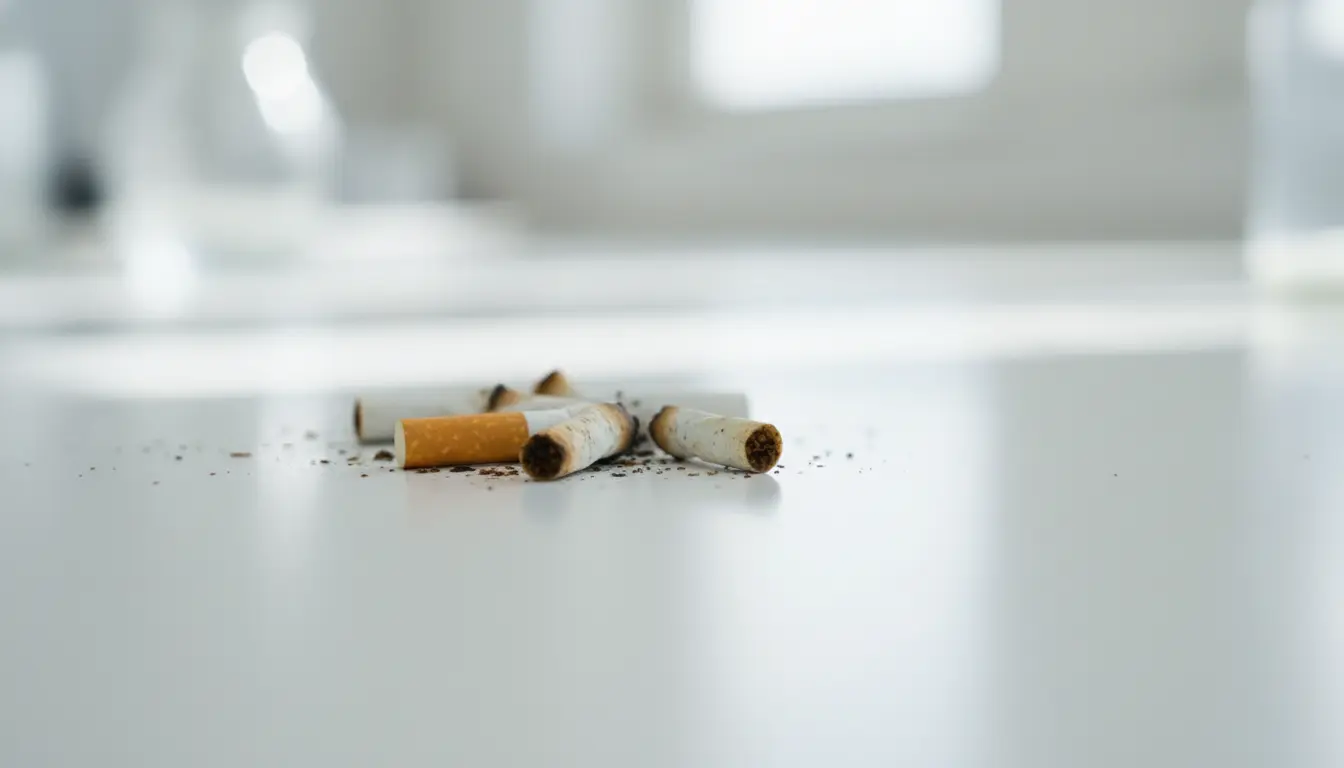 Comparing today with just a decade or so ago, the ways consumers can obtain products and the range of purchasing options have expanded dramatically. Not long ago, shopping methods were limited to in-person sales or mail order by phone or postcard. For example, when buying a book, we now unknowingly make many choices in daily life — buying it at a bookstore, ordering it by mail, purchasing it through online shopping, buying it new, buying it used, or buying it as an e-book — and it's easy to overlook just how many options we're navigating.
Applying this to our own seeDNA (seeDNA Co., Ltd.) services, you can choose from several application methods, including applying through our website, applying by phone, or ordering through online shops such as Amazon. Furthermore, the type of testing itself can also be selected from a wide range, including paternity testing, kinship testing, and personal identification testing. Beyond that, you can also choose what "sample" to use for the test. In addition to the standard oral epithelial cells (mucosal cells from the inside of the cheek), we are able to perform testing using various items to which human cells have adhered — in other words, samples other than cotton swabs.
In this article, we will explain in detail about "cigarette butts," one of the samples other than cotton swabs that we receive relatively frequent inquiries and submissions for.
About Cigarette, Heated Tobacco, and E-Cigarette Samples Other Than Cotton Swabs
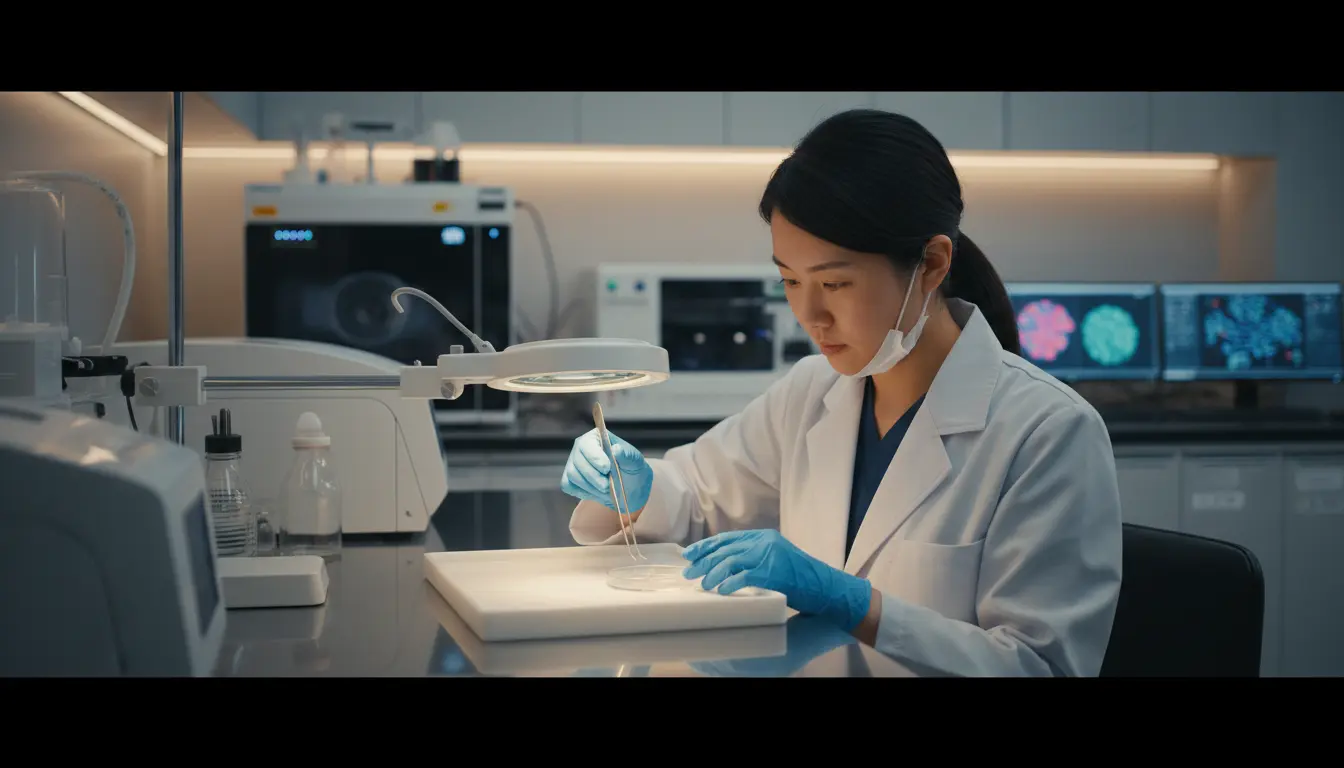 This may not be familiar to non-smokers, but in recent years, low-odor heated tobacco products and e-cigarettes have rapidly become popular, expanding the range of options available to smokers [ref:1]. Within Japan alone, the market share of heated tobacco products is expanding year by year, and the shift from regular cigarettes to heated tobacco is progressing [ref:2].
Below, we explain the representative types of tobacco products currently available and whether each can be handled as a sample other than a cotton swab.
Regular cigarettes
This is the most common type of cigarette, smoked by lighting it. The mouthpiece (filter portion) of a regular cigarette is made of paper or acetate fiber, and since the lips come into direct contact with it during smoking, oral mucosal cells (epithelial cells) adhere to the surface of the filter. These epithelial cells contain nuclear DNA, making it possible to extract the genetic information needed for DNA testing. Because the fiber structure of the paper filter tends to retain cells well, DNA is relatively easy to collect, and it can be handled as a sample.
IQOS and glo
These products are classified as "high-temperature heated tobacco products." They work by inserting a dedicated tobacco stick (heat stick) into a heating device, which heats — rather than burns — the tobacco to generate a nicotine-containing aerosol. Importantly, the mouthpiece portion of these tobacco sticks is often made of the same material as regular cigarettes. Therefore, oral epithelial cells adhere to the part touched by the lips during smoking, and it can be handled as a sample.
About e-cigarettes (VAPE)
An e-cigarette (VAPE) is a device that heats a liquid and allows the user to inhale the resulting vapor. With e-cigarettes, the mouthpiece is generally made of a smooth-surfaced material such as plastic or metal. As a result, compared to the filters of regular or heated tobacco cigarettes, less oral epithelial cell material tends to adhere, and there is a possibility that sufficient DNA cannot be recovered. If you are considering testing using an e-cigarette mouthpiece, we recommend contacting us in advance.
The mechanism of extracting DNA from cigarette butts
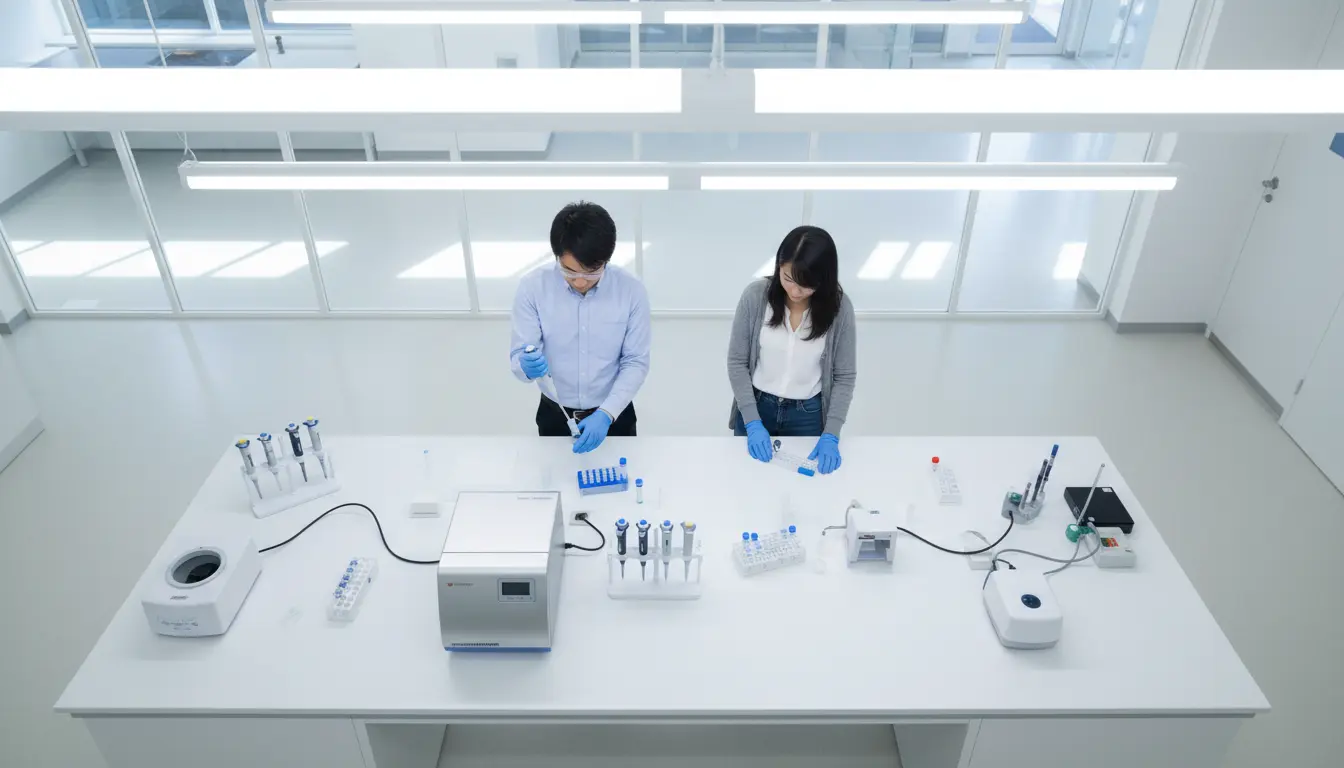 In DNA testing, the process of obtaining genetic information from a cigarette butt generally proceeds as follows.
- Sample receipt and confirmation: We visually and technically confirm the condition of the submitted cigarette butt (moisture, contamination, storage condition).
- DNA extraction: DNA is extracted from the cells adhering to the filter portion through chemical treatment (cell lysis using surfactants and proteases).
- DNA quantification: The quantity and quality of the extracted DNA are measured using methods such as real-time PCR, to evaluate whether a sufficient amount is available for testing.
- STR analysis (genotyping): PCR (polymerase chain reaction) is used to amplify genetic loci called STRs (Short Tandem Repeats), creating a genetic profile that can identify an individual [ref:3].
- Judgment and reporting of results: Based on the resulting genetic profile data, we determine paternity or perform personal identification, and report the results to you.
In the field of forensic science, there are numerous reported cases of obtaining DNA profiles from cigarette butts left at crime scenes and using them to identify suspects [ref:4]. This technique is highly reliable, and the same methods are applied in private DNA testing as well.
Testing works fine if the condition is good
For the samples described above as "can be handled," testing can be performed without issue if the condition is good. Here, "good condition" mainly refers to meeting the following criteria.
- The cigarette butt is not excessively wet (not left exposed to rain)
- There is no significant contamination from mold or microorganisms
- It has not been left for a long period in a hot, humid environment
- There is no large amount of another person's DNA (saliva, sweat, etc.) mixed in
- The cigarette butt remains intact including the filter portion
Please note that the testing success rate listed on our website indicates the "proportion of samples received by us that contain DNA at a level sufficient for testing." Please be aware that this does not represent the success rate using only samples in good condition. In other words, since this is an overall statistic that includes samples in poor condition as well, samples that are properly preserved and submitted tend to have a success rate higher than the figure shown.
Points to keep in mind when submitting cigarette butts as samples
Proper handling of the sample is extremely important for performing DNA testing on cigarette butts with higher accuracy. Keeping the following points in mind can improve the success rate of testing.
About storage methods
Once you obtain the cigarette butt, please store it in a dry condition as soon as possible. It is best to store it in a paper envelope or paper bag; sealing it in a plastic bag or container can trap moisture and lead to mold, so caution is needed. Also, avoiding direct sunlight and high temperatures, and storing it at room temperature in a dark place, can minimize DNA degradation [ref:5].
Precautions when collecting
When picking up a cigarette butt, it is ideal to avoid touching it with bare hands. This is because skin cells or sweat from your fingers could contaminate the sample with DNA from someone other than the test subject. We recommend using tweezers or disposable gloves when handling it.
About the quantity to submit
If possible, submitting multiple cigarette butts (about 2–3) rather than just one increases the amount of DNA extracted and improves the reliability of the test. We especially recommend sending multiple butts if the cigarette butt is old or if you are unsure about its storage condition.
Sample types and approximate testing success rates
The table below briefly summarizes representative tobacco-related samples and whether testing is possible.
| Sample type | Ease of DNA collection | Testing feasibility |
|---|---|---|
| Regular cigarette butt | Relatively easy to collect | Possible |
| IQOS / glo stick | Relatively easy to collect | Possible |
| E-cigarette (VAPE) mouthpiece | Somewhat difficult to collect | Consultation required |
As shown above, regular cigarettes and heated tobacco products such as IQOS and glo function sufficiently as samples, but e-cigarette mouthpieces may lack sufficient DNA due to the nature of their material. If you have any questions, please feel free to contact us.
Summary
Cigarette butts are a very useful option as a sample other than cotton swabs for DNA testing. Not only regular cigarettes but also sticks from high-temperature heated tobacco products such as IQOS and glo can be used for testing without issue, since DNA can be extracted from the oral epithelial cells adhering to the filter portion. On the other hand, for e-cigarette (VAPE) mouthpieces, due to the nature of the material, there is a possibility that a sufficient amount of DNA cannot be secured, so we recommend consulting with us in advance.
The preservation condition of the sample is extremely important for successful testing. Storing it dry away from moisture, avoiding contact with bare hands, and submitting multiple butts if possible will allow us to deliver more reliable results. At seeDNA, we carefully answer any questions or concerns regarding samples, so if you are considering DNA testing using cigarette butts, please feel free to contact us.
Frequently Asked Questions
Q1. Can DNA testing be done with just one cigarette butt?
A. Yes, testing is possible with just one. However, depending on the storage condition of the butt and the amount of DNA present, sufficient genetic information may not be obtained, so we recommend submitting 2–3 butts if possible.
Q2. Can old cigarette butts still be tested?
A. If the storage condition is good, it may be possible to extract DNA even from a butt that has been kept for some time. However, if it has been left for a long period in a hot, humid environment or has developed mold, DNA degradation may have progressed. Please contact us first.
Q3. Can butts from heated tobacco products (IQOS or glo) also be used as samples?
A. Yes, since the mouthpiece portion of IQOS and glo tobacco sticks is made of the same material as regular cigarettes, they can be used as samples without any issue.
Q4. Can DNA testing be done from an e-cigarette (VAPE) mouthpiece?
A. E-cigarette (VAPE) mouthpieces are often made of smooth materials such as plastic or metal, and tend to have less oral epithelial cell adhesion. Since there is a possibility of insufficient DNA, we recommend consulting with us in advance.
Q5. Are there any precautions for storing cigarette butts?
A. Please store cigarette butts in as dry a condition as possible, in a paper envelope or paper bag. Sealing them in a plastic bag can trap moisture, causing DNA degradation or mold. Also, avoid touching them directly with bare hands — use tweezers or disposable gloves — and store them at room temperature in a dark place, away from direct sunlight and high temperatures.
Q6. Can a cigarette butt touched by someone else still be tested?
A. If another person's DNA is mixed in, it may affect the test results. Please submit a cigarette butt that you are certain was smoked by the test subject themselves. If there is a possibility that multiple people touched it, please consult with us in advance, and we will advise you on the best course of action.
Reliable Support from seeDNA Genetic Medical Research Institute
seeDNA Genetic Medical Research Institute is a trusted and reliable DNA testing and genetic testing specialist institution, certified with the international quality standard ISO9001 and the Privacy Mark for privacy protection.
If you are troubled by questions of family or parent-child kinship, or a partner's infidelity, our DNA testing specialists are here to support you so you can feel truly at ease — please feel free to contact us.
[Free Consultation with Specialist Staff]

If you have any questions,
please feel free to contact our toll-free number.
/Open every day, including weekends/
Business hours: Mon–Sun 9:00-18:00
(excluding public holidays)
 Author
Dr. Tomikane Okinori, Ph.D. in Medicine
Completed Master's/Doctoral program in Biosystem Studies and Molecular Informatics Medicine, Graduate School, University of Tsukuba
In 2017, developed Japan's first prenatal DNA testing(Patent 7331325) using trace DNA analysis technology(Patent 7121440)