
Rewritten on: June 19, 2025
Non-Invasive Prenatal Testing (NIPT) analyzes fetal DNA from maternal blood after 10 weeks of pregnancy to assess the risk of chromosomal abnormalities such as Down syndrome with over 99% accuracy. This article explains the mechanism, benefits, ethical challenges, and future potential of NIPT in detail.
- ・Non-Invasive Prenatal Testing: NIPT
- ・What is "Non-Invasive Prenatal Testing (NIPT)"
- ・Benefits and Applications of NIPT
- └ ① Trisomy 21 (Down Syndrome)
- └ ② Trisomy 18 (Edwards Syndrome)
- └ ③ Trisomy 13 (Patau Syndrome)
- └ ④ Sex Chromosome Aneuploidy
- └ ⑤ Microdeletion Syndromes
- ・Ethical Considerations and Challenges
- ・The Future of NIPT
- ・seeDNA's Non-Invasive Prenatal Testing
Non-Invasive Prenatal Testing: NIPT
 Thanks to remarkable advances in molecular biology and next-generation sequencing (NGS) technology in recent years, it has become possible to examine a baby's health in detail with almost no risk to the mother or the baby in her womb. This is the test known as Non-Invasive Prenatal Testing (NIPT). NIPT is a groundbreaking test that can determine the risk of a baby's congenital abnormalities or chromosomal abnormalities with 99% accuracy simply by examining the pregnant mother's blood during early pregnancy, and it is rapidly spreading in use around the world(1).
Conventional prenatal screening tests (such as maternal serum marker tests and ultrasound examinations) have faced challenges including inconsistent detection sensitivity and comparatively high false-positive rates. NIPT largely overcomes these limitations of conventional testing, and is becoming a standard screening option in obstetrics as a method for obtaining more accurate and safer fetal chromosome information(2).
In this blog post, we will explain in detail how NIPT works, its benefits, ethical issues, and the future of this technology.
What is "Non-Invasive Prenatal Testing (NIPT)"
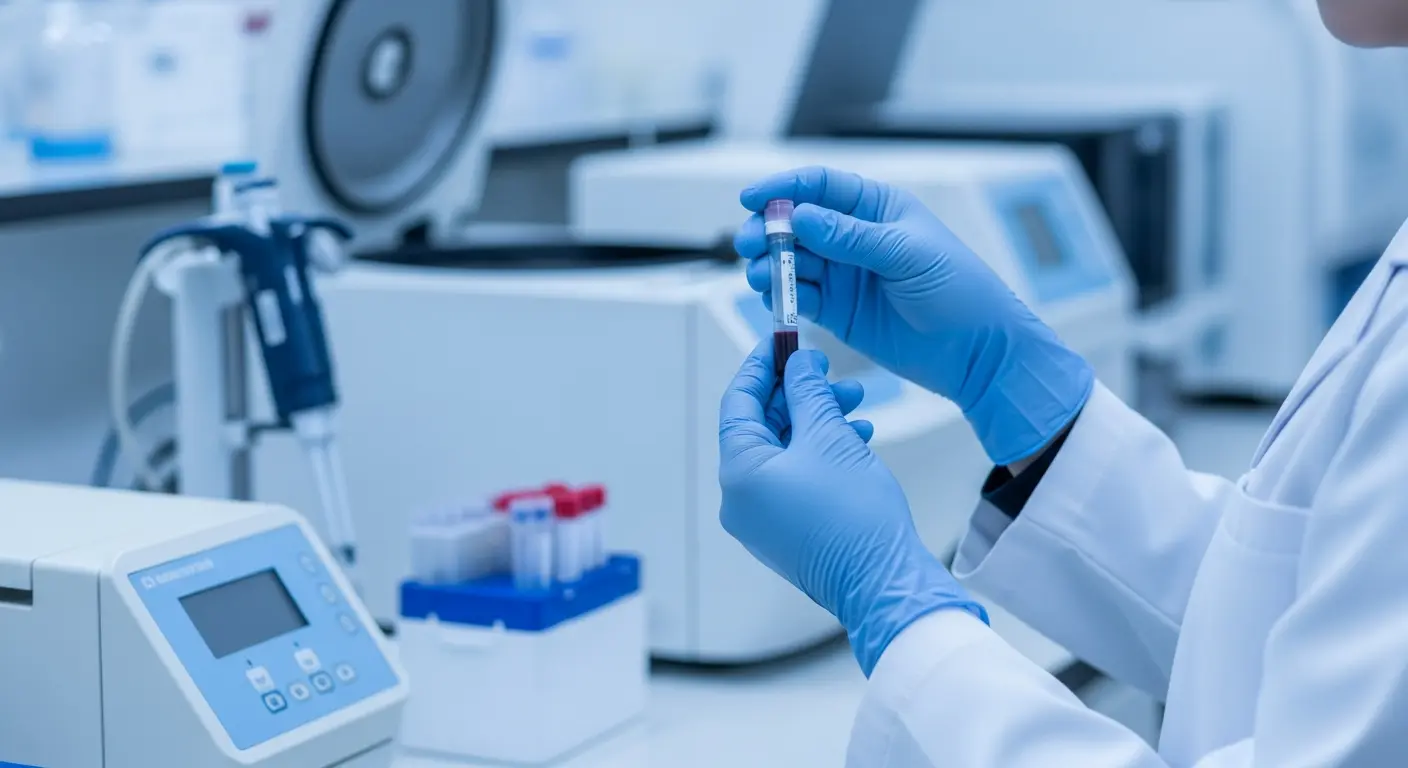 NIPT is a test that analyzes "cell-free fetal DNA (cffDNA)," which flows into the mother's blood through the placenta during pregnancy. cffDNA consists mainly of DNA fragments released into the maternal blood when placental trophoblast cells undergo apoptosis (cell death), and it is said to make up approximately 10-20% of the total cell-free DNA present in maternal plasma(3).
By comprehensively analyzing this fetal DNA using next-generation sequencing technology, it is possible to check for the presence of risks such as Down syndrome (Trisomy 21), Edwards syndrome (Trisomy 18), and Patau syndrome (Trisomy 13). NIPT is performed using the mother's blood from the 10th week of pregnancy onward. Around the 10th week of pregnancy, the concentration of cffDNA reaches a level sufficient for testing, which is why this time marks the general starting point for the test.
The specific testing process is as follows.
- Blood draw: Approximately 10-20 mL of peripheral blood is drawn from the pregnant woman
- Plasma separation: The collected blood is centrifuged to separate the plasma
- DNA extraction: Cell-free DNA (including cffDNA) is extracted from the plasma
- Library preparation and sequencing: The extracted DNA is analyzed in massive parallel using NGS
- Bioinformatics analysis: The number of DNA fragments derived from each chromosome is statistically compared to determine whether trisomy is present
- Reporting of results: Results are typically available within 6-8 business days of the blood sample arriving at the lab
In this way, since NIPT is a test that is completed with only a maternal blood draw, unlike amniocentesis or chorionic villus sampling, which involve inserting a needle into the uterus, there is absolutely no risk of miscarriage.
Benefits and Applications of NIPT
 Unlike invasive methods such as amniocentesis or chorionic villus sampling (CVS), NIPT is a non-invasive test that can confirm genetic health without posing any risk to the fetus, making it a test that is 100% safe for both the fetus and the pregnant woman. Amniocentesis and CVS are said to carry a miscarriage risk of approximately 0.1-0.3%, but since NIPT only requires a blood draw, this risk of complications is completely avoided(4).
While NIPT is not a clinical definitive diagnosis with 100% accuracy, its detection accuracy for chromosomal abnormalities is extremely high compared to existing serum marker tests and ultrasound examinations — for example, the detection rate (sensitivity) for Down syndrome exceeds 99%, and the false-positive rate is extremely low, at under 0.1%(2). Because of this high accuracy, NIPT is now the preferred choice for prenatal screening.
The main benefits of NIPT can be summarized as follows.
- Non-invasive, with zero risk of miscarriage
- Can be tested from the 10th week of pregnancy, allowing risks to be identified early
- Detection sensitivity for Down syndrome exceeds 99%, with a false-positive rate under 0.1%
- Reduces the need for unnecessary confirmatory tests compared to conventional serum marker tests
- Can also detect sex chromosome abnormalities and microdeletion syndromes
- Results are obtained relatively quickly
NIPT can primarily detect the following genetic disorders and chromosomal abnormalities.
①Trisomy 21 (Down Syndrome)
A genetic disorder caused by the presence of all or part of a third copy of chromosome 21. It is characterized by delayed intellectual development and distinctive physical features, and is one of the most commonly detected chromosomal abnormalities in prenatal testing. The incidence is approximately 1 in 700-1,000 births, and it is known that the risk increases with advancing maternal age.
②Trisomy 18 (Edwards Syndrome)
A condition caused by an extra copy of chromosome 18, which causes serious developmental abnormalities. It is often accompanied by complications affecting multiple organs, including heart defects and digestive system abnormalities, and is a severe chromosomal abnormality with a low survival rate after birth. The incidence is approximately 1 in 3,000-8,000 births.
③Trisomy 13 (Patau Syndrome)
A condition in which an extra chromosome 13 is formed, resulting in severe intellectual disability and physical abnormalities. It is characterized by features such as cleft lip and palate, polydactyly, and structural brain abnormalities, and like Edwards syndrome, carries a severe prognosis. The incidence is approximately 1 in 10,000-20,000 births.
④Sex Chromosome Aneuploidy
This includes Turner syndrome (Monosomy X: 45,X), Klinefelter syndrome (XXY: 47,XXY), Triple X syndrome (47,XXX), and XYY syndrome (47,XYY). These arise from numerical abnormalities in the sex chromosomes and can affect physical development and reproductive function.
⑤Microdeletion Syndromes
These are conditions caused by the deletion of a small segment of a chromosome, such as 22q11.2 deletion syndrome (DiGeorge syndrome). Symptoms may appear in combination, including congenital heart defects, immune deficiency, distinctive facial features, and learning disabilities. NIPT's high-precision analysis now makes it possible to detect these minute deletions, which are difficult to identify with conventional karyotype analysis.
Additionally, NIPT can accurately determine the fetal sex early in pregnancy, which is particularly useful when there is concern about hereditary disorders linked to specific sex chromosomes (X-linked genetic disorders such as hemophilia or Duchenne muscular dystrophy).
The clinical usefulness of NIPT is not limited to detecting genetic disorders. It provides valuable information that can guide decisions about postnatal care before the baby is even born. For example, by detecting chromosomal abnormalities early, parents can prepare for the birth of a child with special characteristics, or, in the case of severe abnormalities, make well-informed choices about the management of the pregnancy. It is recommended that patients receive careful explanations from specialists about the meaning of test results and their future options through genetic counseling(5).
Ethical Considerations and Challenges
While NIPT has clear benefits, it also raises important ethical considerations and challenges.
For example, there is the possibility that NIPT results could be used for abortion for purposes such as sex selection. This raises ethical questions about the responsible use of genetic information and its impact on gender equality. In Japan too, careful discussion is called for regarding how NIPT results should be interpreted and what kinds of decisions they should be used to inform(6).
Also, while NIPT is highly accurate for common trisomies, it should be noted that it is ultimately a screening test to assess the risk of specific conditions, not a definitive diagnosis. If a positive risk result is obtained from NIPT, it must be confirmed with an invasive test such as amniocentesis or chorionic villus sampling. Correctly understanding NIPT's role as a screening test is important for avoiding unnecessary anxiety and mistaken judgments.
Points to keep in mind when interpreting NIPT results are as follows.
- NIPT is a screening test, and a positive result does not mean a definitive diagnosis
- The positive predictive value (PPV) varies depending on the prevalence of the target condition and maternal age
- Maternal mosaicism (maternal chromosomal abnormalities) or confined placental mosaicism can sometimes cause false positives
- Accuracy may be affected in twin pregnancies or pregnancies achieved through in vitro fertilization
- Not all genetic disorders or congenital defects are covered by the test
As such, it is possible for a person to have a condition not covered by the test items in NIPT, and the severity of a detected condition cannot be determined from the test. For this reason, it is very important to receive genetic counseling both before and after testing to ensure a proper understanding of the results and appropriate decision-making support.
The Future of NIPT
Research is currently being actively pursued to expand the scope of NIPT beyond common trisomies to cover other genetic disorders and fetal abnormalities(3).
For example, research is underway on NIPT for detecting single-gene disorders (monogenic diseases) such as cystic fibrosis and sickle cell disease, and if these are put into clinical use, the usefulness of NIPT is expected to increase dramatically further. For single-gene disease NIPT, the key technology is the highly accurate detection of specific gene mutations within cffDNA, and advances in targeted sequencing and digital PCR technology are bringing this closer to realization.
In terms of analytical technology, development is also underway to improve the accuracy and reliability of detecting small chromosomal abnormalities and mosaicism (a condition in which cells with different genetic makeups coexist) in particular. With the introduction of whole genome sequencing (WGS)-based approaches and AI/machine learning algorithms, it is believed that it will become possible to detect minute abnormalities that have previously been difficult to identify, with even greater sensitivity.
Furthermore, reducing the cost of NIPT is another important challenge. Sequencing technology costs are declining year by year, and it is anticipated that in the future, more pregnant women will be able to receive NIPT, further solidifying its position as the standard test for prenatal screening. In Japan, NIPT, which began as clinical research in 2013, has expanded to more facilities following a review of facility criteria, and further improvements in accessibility are expected going forward(1)(7).
seeDNA's Non-Invasive Prenatal Testing
seeDNA's Non-Invasive Prenatal Testing (NIPT) is a test that can be performed using the mother's blood in early pregnancy (from 10 weeks onward), allowing you to check for chromosomal abnormalities in your unborn baby safely, securely, and affordably.
With no age restrictions and no referral letter required, you can easily receive world-class NIPT testing. In addition to the basic Trisomy 13, 18, and 21 tests, the test items broadly cover sex chromosome aneuploidy and microdeletion syndromes, offering testing plans that meet the diverse needs of pregnant women.
Learn more about seeDNA's Non-Invasive Prenatal Testing
Frequently Asked Questions
Q1. From when can I have NIPT?
A. NIPT can be performed from the 10th week of pregnancy onward. Around the 10th week of pregnancy, the concentration of fetal-derived cell-free DNA (cffDNA) in maternal blood reaches a level sufficient for testing, which is why this marks the general time from which testing becomes possible. At seeDNA, you can have the test any time from the 10th week of pregnancy onward.
Q2. What should I do if my NIPT result is positive?
A. NIPT is ultimately a screening test, and a positive result does not mean a definitive diagnosis. If a positive result is obtained, it is recommended that you undergo a definitive diagnostic test such as amniocentesis or chorionic villus sampling (CVS). We recommend consulting a specialist through genetic counseling regarding the interpretation of test results and how to proceed.
Q3. Is there an age restriction for NIPT?
A. There is no age restriction for seeDNA's NIPT. Some facilities have traditionally targeted only women aged 35 and older with advanced maternal age, but at seeDNA you can be tested regardless of age, as long as you are at least 10 weeks pregnant. No referral letter is required either.
Q4. What kinds of conditions can NIPT detect?
A. The three main conditions primarily detected by NIPT are Trisomy 21 (Down syndrome), Trisomy 18 (Edwards syndrome), and Trisomy 13 (Patau syndrome). Depending on the testing plan, sex chromosome aneuploidy (such as Turner syndrome and Klinefelter syndrome) and microdeletion syndromes (such as 22q11.2 deletion syndrome) may also be included in the scope of detection. Please note, however, that this does not cover every genetic disorder.
Q5. How long does it take to receive NIPT results?
A. Results are typically provided within 6-8 business days of the sample (blood) arriving at the lab. This may vary slightly depending on testing conditions and workload, but we strive to provide results promptly.
Q6. What is the rate of false positives and false negatives with NIPT?
A. The false-positive rate for Down syndrome (Trisomy 21) with NIPT is very low, at under 0.1%, and the false-negative rate is also extremely low. However, in cases involving confined placental mosaicism or maternal chromosomal abnormalities, false positives or false negatives can rarely occur. For this reason, it is recommended that a definitive test always be performed when a positive result is obtained.
Q7. Can NIPT be performed for twin pregnancies?
A. It is possible to have NIPT for twin pregnancies, but accuracy may be affected for some test items. In particular, there may be limitations in determining sex chromosome abnormalities or distinguishing between individual fetuses, so please consult with us in advance if you have a twin pregnancy.
Reassuring Support from the seeDNA Genetic Medical Research Institute
The seeDNA Genetic Medical Research Institute is a trusted specialist institution for DNA testing and genetic testing, certified with the international quality standard ISO9001 and the Privacy Mark for data protection.
If you are concerned about family or parent-child blood relationships, or a partner's infidelity, our DNA testing specialists are here to provide reassuring support, so please feel free to contact us.
[Free Consultation with Specialist Staff]

If you have any questions,
please feel free to contact our toll-free number.
/Open every day, including weekends/
Business hours: Monday-Sunday 9:00-18:00
(excluding holidays)
 Author
T, in charge of prenatal fetal DNA testing (NGS)
Affiliation: seeDNA Co., Ltd. Testing Department
[References]
(2) PMC, January 2021
(3) PMC, November 2023
(4) Australian Family Physician, October 2017
(5) Ministry of Health, Labour and Welfare (Japan)
(6) DSIJ PRESS - Down Syndrome International Information Japan is an information center connecting local communities with the world. It is a non-profit organization supported by donations.
(7) Yomi Dr. (The Yomiuri Shimbun), January 2026