
Rewritten on: May 20, 2025
Environmental DNA (eDNA) is genetic material that living organisms leave behind in the environment, and it can be collected and analyzed from water, soil, and air. In recent years, scientists have succeeded in extracting human DNA as well, raising hopes for applications in criminal investigations and medical research — while also bringing new privacy and ethical challenges to light.
- ・What is environmental DNA (eDNA)?
- ・A groundbreaking research achievement from the University of Florida
- ・Main sources of environmental DNA and their characteristics
- ・Applications and challenges of eDNA technology in criminal investigations
- ・The need for privacy protection and regulation
- ・Future prospects for eDNA analysis technology
- ・Connection to the NGS technology used by seeDNA
What is environmental DNA (eDNA)?
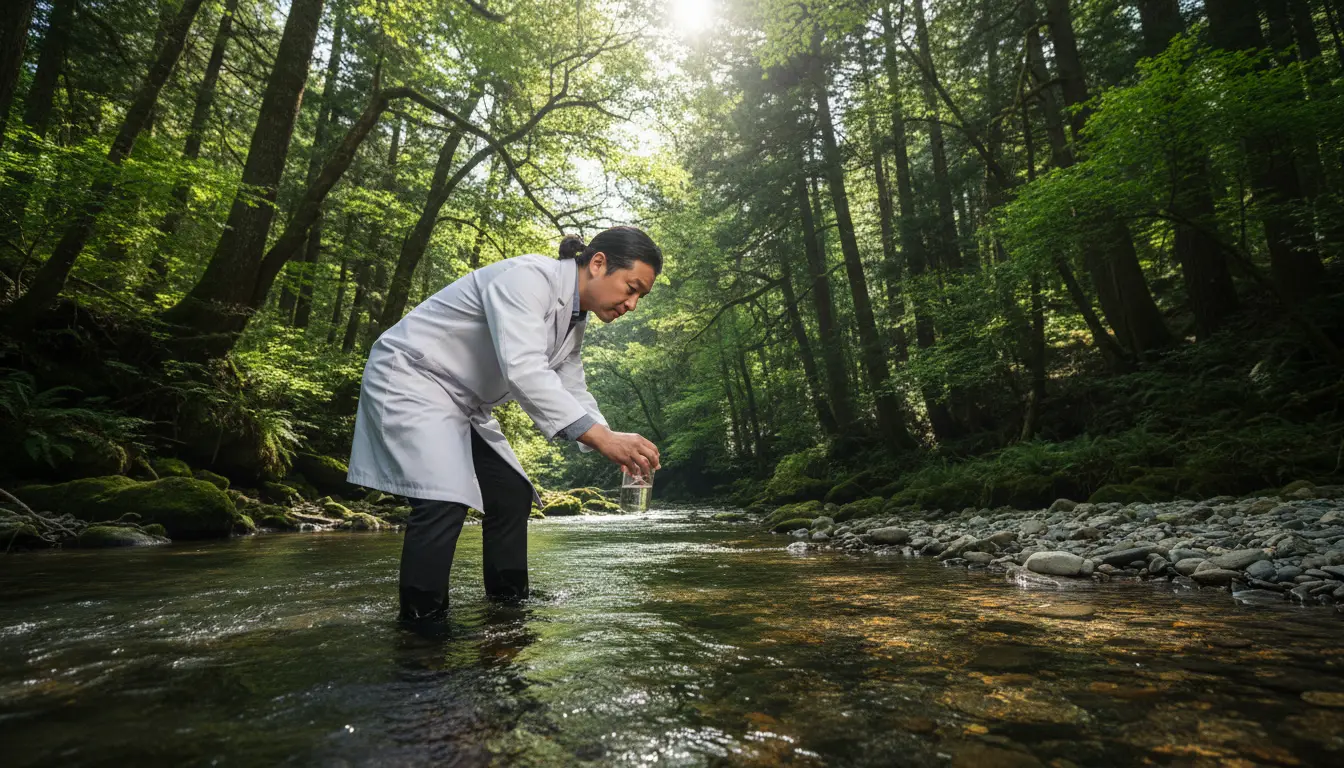 Environmental DNA (eDNA) refers to genetic material that organisms leave behind in their habitats. It exists in oceans, rivers, lakes, soil, and even in the air, and is used to non-invasively identify the species and distribution of organisms living or growing in a given area. Organisms constantly release their own DNA into the environment through skin cells, mucus, waste, and bodily fluids, and eDNA technology detects and analyzes these trace amounts of genetic information using highly sensitive molecular biology techniques [ref:1].
Environmental DNA is widely used for species identification, biodiversity monitoring, and confirming the presence of endangered species, and it has drawn worldwide attention as a revolutionary tool, particularly in ecology and conservation biology. Traditional biological surveys required actually capturing or visually confirming organisms, but with eDNA technology, simply scooping up a cup of water can reveal the presence of fish and amphibians living in that body of water, dramatically improving the efficiency and accuracy of surveys [ref:2].
Recently, however, a further breakthrough occurred with this technology. It was revealed that human DNA can be extracted and analyzed from river water, ocean sand, and other sources. This discovery showed that eDNA technology can be applied beyond the boundaries of ecology into forensic science, public health, and even human genetics, sending shockwaves through the scientific community [ref:1].
The news article that made headlines
A groundbreaking research achievement from the University of Florida

A research team at the University of Florida succeeded in developing a new technique for collecting human DNA from air, sand, and water, gathering and analyzing DNA fragments from Florida's oceans, rivers, and sandy areas. Remarkably, they obtained an unexpectedly rich amount of information, gathering data detailed enough to identify mutations linked to autism, diabetes, eye disease, and heart disease, as well as specific genetic ancestry [ref:1].
What stands out most in this research is that it demonstrated the potential to approach individual-level genetic characteristics even from extremely trace amounts of DNA fragments scattered throughout the environment, by leveraging next-generation sequencing (NGS) technology. It was previously believed that human DNA in the environment degrades too severely to yield useful information, but the combination of PCR-based amplification and NGS is overturning that conventional wisdom [ref:3].
However, this rapid technological advancement is raising serious ethical concerns regarding personal privacy and consent. In particular, there are concerns about potential misuse, such as surveillance of ethnic minorities or individuals with genetic disorders. In some countries, genetic tracking of ethnic minorities is already taking place, and there are fears that this new technology could further advance such genetic tracking, or that a population's genetic information could be collected without individual consent.
Main sources of environmental DNA and their characteristics
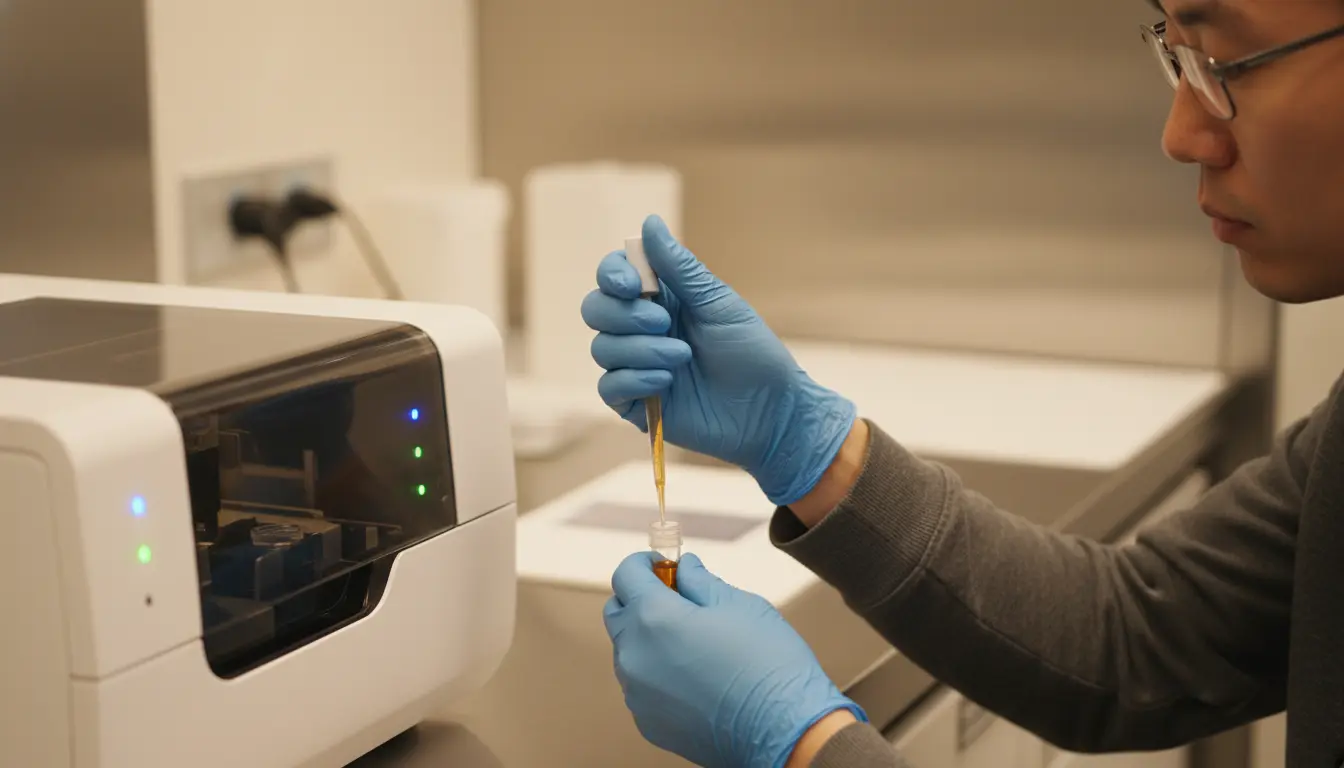 The quality and quantity of information obtained from eDNA varies depending on the environmental medium from which it is collected. The characteristics of the main collection sources are summarized below.
| Source | Characteristics | Main uses |
|---|---|---|
| Water (rivers/oceans) | Highly fluid, contains genetic information from a wide range of organisms | Species identification of aquatic life / human DNA detection |
| Soil/sand | DNA adsorbs easily and is preserved relatively long-term | Terrestrial wildlife surveys / forensic analysis |
| Air | Trace amounts, but can capture information over a wide area without contact | Infectious disease monitoring / pollen surveys |
Waterborne eDNA in particular is the most researched field, since it is easy to collect while containing genetic information from a wide variety of organisms. The rate of eDNA degradation varies greatly depending on environmental conditions such as water temperature, UV exposure, and microbial activity, but under suitable conditions, DNA is known to remain detectable for anywhere from several days to several weeks [ref:2].
Applications and challenges of eDNA technology in criminal investigations
Police in one country have used eDNA found at crime scenes to create predicted images of suspects, but the genetic information obtained from eDNA (such as race and physical characteristics) has often differed from the actual perpetrator. Because eDNA is not yet fully understood, there is a risk of misidentifying individuals connected to a crime.
Behind this issue lies the fact that DNA in the environment exists as a mixture from multiple individuals. eDNA left at a crime scene is not necessarily only that of the perpetrator — it is highly likely to be mixed with the DNA of unrelated people who previously visited the location. For this reason, using eDNA in criminal investigations requires a different approach and interpretive framework than conventional forensic DNA testing [ref:4].
The need for privacy protection and regulation
Against this backdrop, scientists and policymakers have begun political discussions on protecting privacy in public spaces regarding eDNA, emphasizing the need for regulation of this new technology. Making use of this technology requires finding a delicate balance that ensures ethical use without unnecessarily restricting research.
The following points are being specifically discussed as privacy risks posed by eDNA technology.
- The possibility that genetic information is collected without an individual's consent
- The risk of misuse for genetic surveillance of ethnic minorities or specific populations
- Improper use of disease risk information inferred from eDNA
- The risk of misidentifying innocent people in criminal investigations
- The promotion of discrimination based on genetic information (genetic discrimination)
To address these concerns, countries are moving to develop legal frameworks. In Japan as well, there is a need to establish guidelines for the use of eDNA technology while ensuring consistency with the Act on the Protection of Personal Information and genomic medicine guidelines [ref:5].
Future prospects for eDNA analysis technology
Going forward, advances in technology are expected to further improve the precision and efficiency of eDNA analysis. However, legal and ethical issues remain, so beyond wildlife monitoring — that is, when using eDNA analysis technology for human analysis — privacy and ethical concerns must be given careful consideration.
The steps required for the future development of eDNA technology are organized below.
- Establishing international standard protocols for eDNA collection and analysis
- Formulating legal guidelines for the use of human eDNA
- Developing technology to accurately separate and analyze DNA mixtures from multiple individuals
- Building algorithms to correct for the effects of DNA degradation caused by environmental conditions
- Establishing a comprehensive ethical review system involving researchers, law enforcement, and civil society
We expect that the development of this technology, combined with the resolution of legal and ethical issues, will enable more efficient and accurate criminal investigations and species monitoring.
Connection to the NGS technology used by seeDNA
At the University of Florida, researchers use PCR and next-generation sequencing (NGS) to analyze eDNA and perform DNA analysis of a wide variety of species. NGS (Next Generation Sequencing) has overwhelmingly higher processing capacity compared to the conventional Sanger method, and is a groundbreaking technology capable of reading hundreds of millions to billions of DNA fragments simultaneously [ref:3].
Our company, seeDNA, also performs prenatal DNA testing and specialized DNA testing using the latest NGS technology, routinely conducting testing using trace DNA analysis that was considered impossible about 20 years ago. By employing molecular biology techniques that are essentially the same as those used in eDNA research, we are able to derive highly accurate testing results even from extremely small samples.
In particular, seeDNA's NIPPT (Non-Invasive Prenatal Paternity Test) analyzes fetal-derived cfDNA (cell-free DNA) present in the mother's blood using NGS. This shares many principles in common with eDNA technology, which detects trace amounts of DNA in the environment — both require advanced technical skill in "extracting meaningful genetic information from extremely small DNA fragments."
seeDNA's Prenatal DNA Testing
seeDNA's Specialized DNA Testing
Find the Right DNA Test
[Free Consultation with Specialist Staff]
[Toll-Free]
0120-919-097
[Business Hours]
Mon–Sun 9:00 AM – 6:00 PM (excluding holidays)
Frequently Asked Questions
Q1. What is environmental DNA (eDNA)?
A. Environmental DNA (eDNA) refers to genetic material released into the environment (water, soil, air, etc.) in which organisms live. Organisms constantly release DNA into the environment through skin cells, mucus, waste, and other means, and by collecting and analyzing this material, it is possible to investigate the species and distribution of organisms living in a given area without directly capturing them.
Q2. Can human DNA also be detected from eDNA?
A. Yes. Research from the University of Florida revealed that human DNA can be extracted and analyzed from river water, ocean sand, and even the air. The research team succeeded in obtaining data detailed enough to identify genetic ancestry and disease-related mutation information.
Q3. What ethical issues does eDNA technology raise?
A. Key ethical issues include the possibility that genetic information is collected without an individual's consent, the risk of misuse for genetic surveillance of ethnic minorities or specific populations, and the risk of misidentifying innocent people in criminal investigations. Discussions on protecting privacy in public spaces are currently actively taking place among scientists and policymakers.
Q4. What technologies are used in eDNA analysis?
A. eDNA analysis primarily uses PCR (polymerase chain reaction) to amplify specific DNA regions, along with NGS (next-generation sequencing) to decode large amounts of base sequence data. Combining these technologies makes it possible to extract meaningful genetic information even from extremely trace amounts of DNA fragments in the environment.
Q5. How is seeDNA's DNA testing related to eDNA technology?
A. seeDNA's prenatal DNA testing (NIPPT) and specialized DNA testing use the same NGS (next-generation sequencing) technology used in eDNA research. Both share the common feature of extracting highly accurate genetic information from trace amounts of DNA fragments, and we routinely perform trace DNA analysis that was considered impossible 20 years ago.
Q6. Can eDNA technology be used in criminal investigations?
A. In theory, it has potential applications, but many challenges remain at present. Since DNA in the environment exists as a mixture from multiple individuals, it is difficult to accurately distinguish the DNA of unrelated people at a crime scene from that of the actual perpetrator. As technology and legal frameworks advance in the future, it may become a more reliable tool for criminal investigations.
Trusted Support from the seeDNA Genetic Medicine Research Institute
The seeDNA Genetic Medicine Research Institute is a trusted and reliable specialist institution for DNA testing and genetic testing, certified with the international quality standard ISO 9001 and the Privacy Mark for personal information protection.
If you have concerns about family or parent-child blood relationships, or a partner's infidelity, our DNA testing specialists are here to provide reassuring support — please feel free to contact us.
[Free Consultation with Specialist Staff]

If you have any questions,
please feel free to contact our toll-free number.
/Open every day, including weekends/
Business hours: Mon–Sun 9:00 AM–6:00 PM
(excluding holidays)
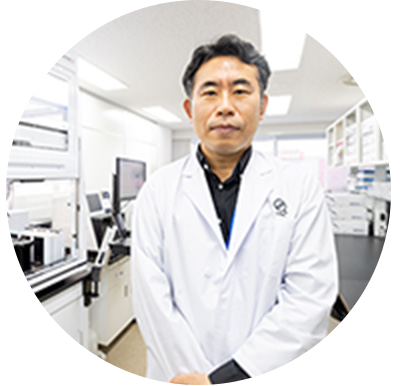 Author
Dr. Tomikane Kihan, M.D.
Completed the master's/doctoral program in Biological Systems and Molecular Medicine at the University of Tsukuba Graduate School
In 2017, developed Japan's first prenatal DNA testing (Patent 7331325) using trace DNA analysis technology (Patent 7121440)