
Rewritten on: May 14, 2025
A detailed explanation of why DNA testing outperforms a private detective in cost, speed, and accuracy when investigating a partner's affair or infidelity. Also covers celebrity infidelity cases and how parent-child DNA testing can be used.
When you suspect your partner of cheating or having an affair, the first option many people think of is "hiring a private detective." In recent years, however, in celebrity infidelity scandals reported on TV and in weekly magazines, DNA testing—the same technique used by forensic science laboratories—has increasingly been used as decisive evidence [ref:1].
DNA testing is a technology that scientifically determines whether trace amounts of DNA left on hair, bodily fluids, or used everyday items belong to a specific person. This technology, long used in criminal investigations, is now widely applied to ordinary affair and infidelity investigations as well.
This article explains in detail the three reasons DNA testing is recommended for investigating suspected affairs and infidelity—cost, speed, and accuracy—along with real celebrity cases and how parent-child DNA testing can be used.
- ・Recommended for its cost!
- ・Recommended for its speed!
- ・Recommended for its accuracy!
- ・The rise of DNA testing in infidelity investigations and real cases
- └ Private high-precision parent-child (paternity) DNA testing
- └ Legal high-precision parent-child (paternity) DNA testing
- ・Parent-child DNA testing is the ultimate proof of infidelity
- ・Types of samples that can be tested with DNA testing
- └ Infidelity testing
- └ Special infidelity testing
- ・Why seeDNA is chosen
Recommended for its cost!
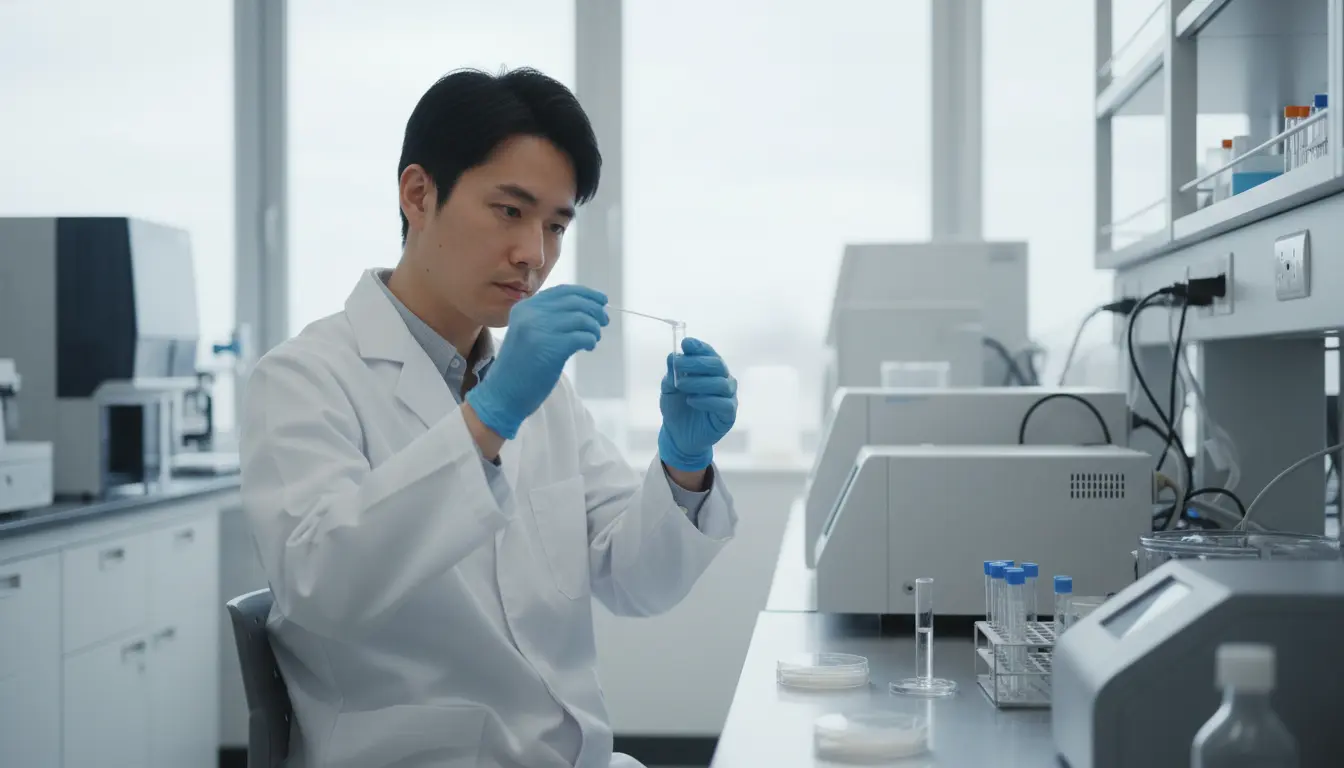
DNA testing has a major advantage: it costs less than hiring a private detective.
Online ads for detective agencies sometimes advertise low rates like "from under 10,000 yen," but when you actually make an inquiry, even a simple investigation is usually quoted at over 100,000 yen. The price shown in the ad is often just "the rate for one investigator per hour"; in practice, investigator labor costs, transportation, vehicle expenses, and report preparation fees are added up over the days of the investigation, so depending on the scope, the total cost can easily run into hundreds of thousands to millions of yen [ref:2].
DNA testing, on the other hand, only requires submitting evidence items suspected of bearing traces related to an affair or infidelity (clothing, towels, sheets, everyday items, etc.) to a testing laboratory. The cost is only around a few tens of thousands of yen, making it overwhelmingly more cost-effective than a detective investigation. What's more, seeDNA offers a free retest and a partial refund guarantee, so you can rest assured even if DNA cannot be detected from the sample.
- Detective infidelity investigation: 100,000 yen to several million yen (varies by investigation days and number of staff)
- DNA testing (infidelity test): around a few tens of thousands of yen (completed just by submitting a sample)
- With seeDNA, a free retest and partial refund guarantee provide peace of mind
Recommended for its speed!
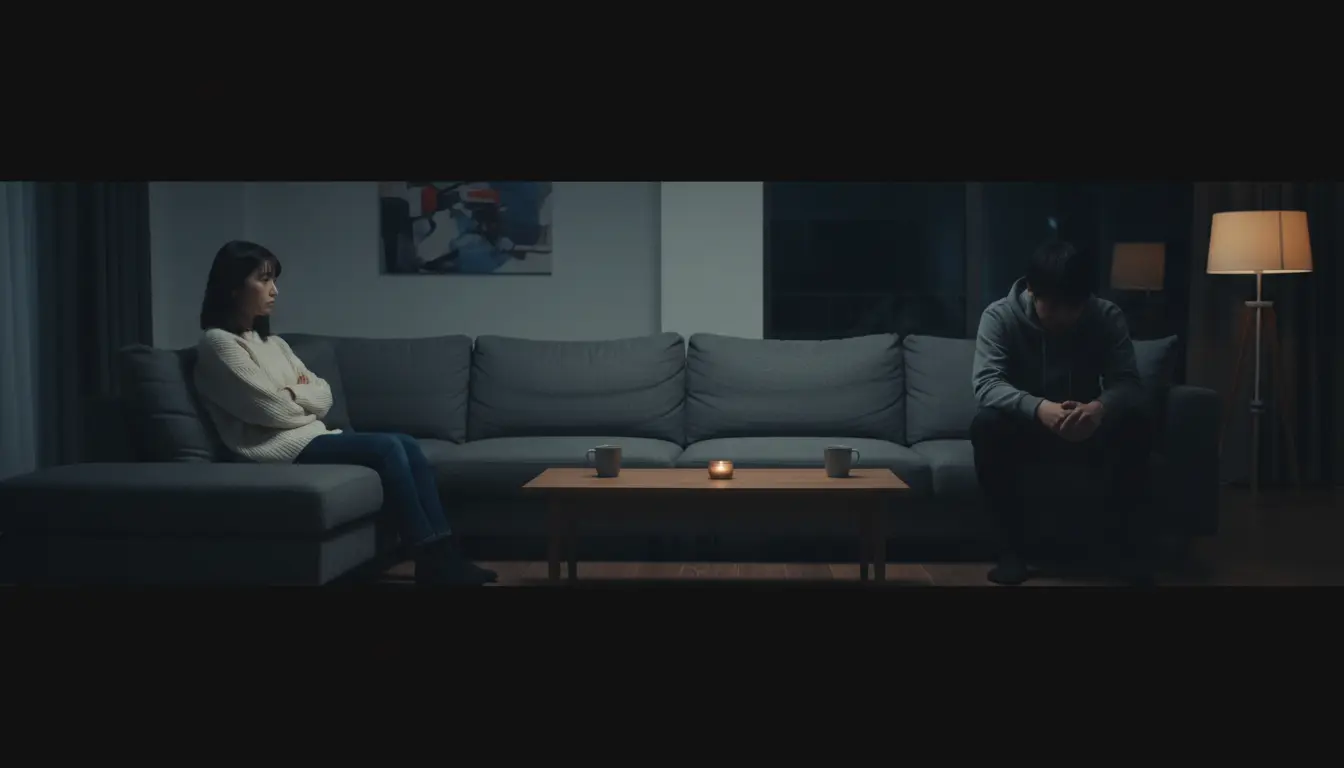
DNA testing produces results far faster than hiring a private detective.
When you hire a detective to investigate infidelity, the investigator needs to learn your partner's daily behavior patterns, then tail and stake them out to gather photographic or video evidence of the affair. If the partner is being cautious, or if contact with the affair partner is infrequent, it can take weeks to months to obtain evidence. The longer the investigation drags on, the higher the cost and the greater the emotional toll.
DNA testing, by contrast, only requires sending a sample to the testing laboratory, and results are available in about one week. If there's some "item" belonging to your partner—clothing or a personal belonging—that raises suspicion, you can request testing right away. This is a major strength, since knowing the result quickly lets you decide your next step without delay.
- Prepare the suspicious evidence item (clothing, towel, everyday item, etc.)
- Send the sample to seeDNA (mail-in accepted)
- DNA analysis is carried out at a specialized lab
- Receive the results report in about one week
Recommended for its accuracy!
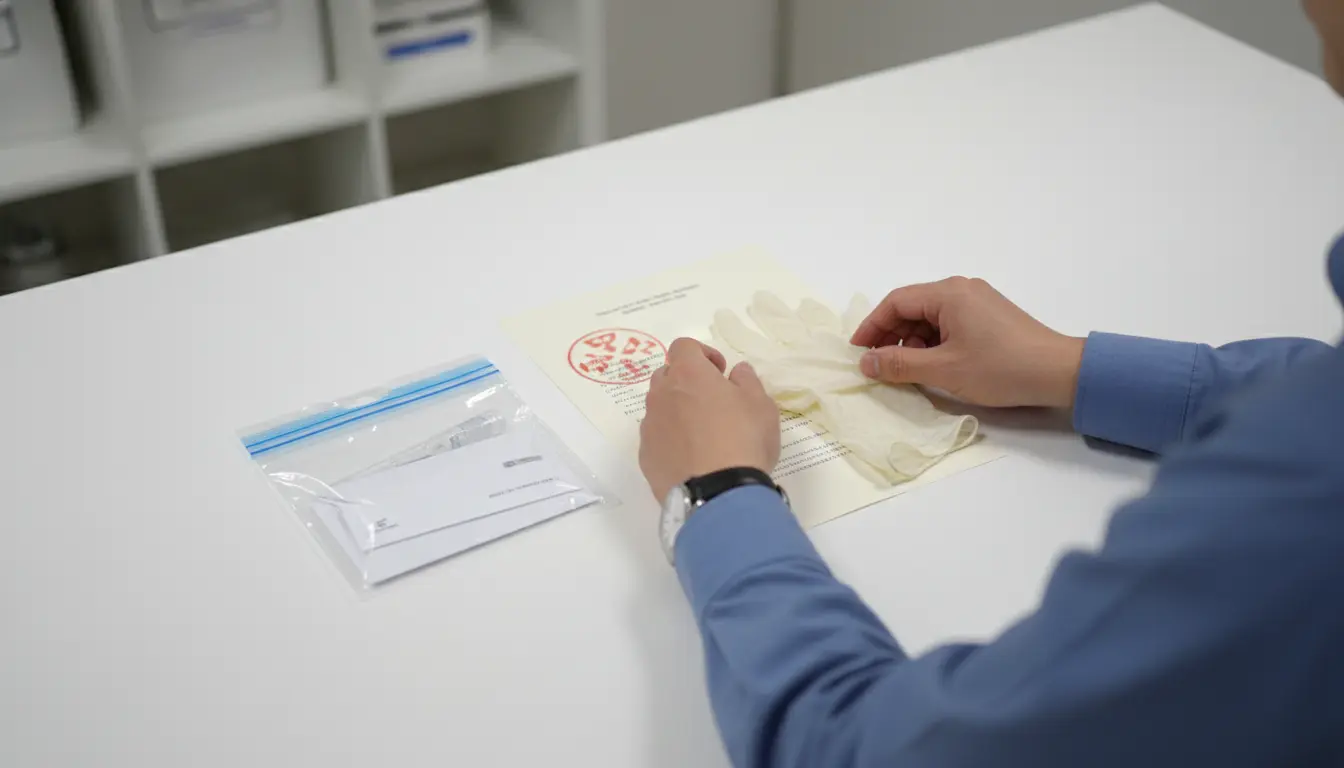
DNA testing provides more definitive evidence than hiring a private detective.
A detective investigates a partner's behavior to gather evidence of an affair, but that evidence doesn't always hold up as legal proof of infidelity. For example, even if you obtain a photo of your partner entering a hotel with someone of the opposite sex, they could counter that "it was a business meeting" or "we're just friends." It's not at all uncommon to end up with only a bill for hundreds of thousands of yen and no decisive evidence.
DNA testing, however, can analyze DNA attached to a partner's personal belongings and scientifically and clearly prove whether a third party's DNA is present. Modern DNA testing technology uses a method called STR (Short Tandem Repeat) analysis, which can identify individuals with extremely high precision [ref:3].
What's more, in addition to the standard DNA testing methods commonly used by forensic science labs, seeDNA also offers special DNA testing that can analyze evidence items damaged by chemicals or ultraviolet light with a high success rate. Even for washed clothing or samples that have degraded over time, seeDNA has the advanced technology to extract and analyze trace amounts of DNA, allowing the clearest and most scientific investigation of infidelity.
The rise of DNA testing in infidelity investigations and real cases
Because of these advantages in cost, speed, and accuracy, the use of DNA testing to investigate suspected infidelity is increasing year by year, and using DNA testing for infidelity investigations is becoming standard practice.
In fact, there have been several cases in the entertainment industry where DNA testing was used as decisive proof of infidelity. For example, the infidelity of the then-wife of comedian Hidetsugu Shibata of Untouchable became a major topic of discussion. Suspicion arose that the wife was pregnant with another man's child, and DNA testing confirmed that the child belonged to the affair partner. The two ultimately divorced.
Private | Legal |
|---|---|
Also, in 2021, it became big news that infidelity by TV personality Yoko Kumada was proven when DNA found on a women's sex toy ("Womanizer") in her bag matched the DNA of a man suspected of having an affair with her. This illustrates how even the smallest trace of DNA left on everyday items or personal belongings can scientifically prove whether an affair took place—one of DNA testing's greatest strengths.
Parent-child DNA testing is the ultimate proof of infidelity
DNA testing is being used more and more often in news stories about celebrity infidelity, and it is playing an important role in resolving affair and infidelity issues. Of particular note is its use in parent-child DNA testing.
Parent-child DNA testing can determine the biological parent-child relationship between a father and child with over 99.99% accuracy [ref:3]. If the test results deny a biological parent-child relationship with the child, it means the partner had a child with someone else—making it the ultimate proof of infidelity.
This is the biggest reason DNA testing is recommended over a private detective when a partner is suspected of cheating or having an affair. It provides scientific, irrefutable evidence that a detective's behavioral investigation simply cannot obtain.
Types of samples that can be tested with DNA testing
DNA testing can analyze many different types of samples. Common samples submitted for affair and infidelity investigations include the following.
- Bodily fluids or skin cells on clothing (underwear, shirts, pants, etc.)
- Fabric items such as towels, handkerchiefs, and sheets
- Hair (with roots) left on a hairbrush or pillow
- Used everyday items such as cups, toothbrushes, or razors
- Used hygiene products such as condoms and tissues
- Any other personal belongings that may carry DNA
seeDNA accepts these samples by mail, making it easy to request testing from the comfort of your own home. Even samples suspected of chemical treatment or UV degradation can often be analyzed successfully with special DNA testing, so please feel free to reach out for a consultation.
Infidelity | Special |
|---|---|
Why seeDNA is chosen
seeDNA (seeDNA Co., Ltd.) is the only DNA testing organization in Japan to have obtained both the international quality management standard ISO 9001 and the Privacy Mark for privacy protection. We rigorously manage your personal information and sensitive test details so you can use our services with peace of mind.
If you are troubled by concerns about infidelity or an affair, or feel uncertain about a parent-child biological relationship, please feel free to consult seeDNA. Our specialist staff will assist you carefully.
[Free Consultation with Specialist Staff]
[Toll-Free]
0120-919-097
[Business Hours]
Monday–Sunday 9:00 AM – 6:00 PM (excluding holidays)
Frequently Asked Questions
Q1. What samples are needed to investigate infidelity evidence with DNA testing?
A. A wide range of items can be tested, including clothing (underwear, shirts, etc.), towels, sheets, hair (with roots) left on a hairbrush, used cups or toothbrushes, and tissues—anything that may carry DNA. Since seeDNA also offers special DNA testing, analysis may be possible even with washed or degraded samples.
Q2. How long does it take to get DNA testing results?
A. At seeDNA, results reports are typically delivered about one week after the sample arrives. Unlike a detective investigation, which can take weeks to months, you can quickly confirm the results.
Q3. How much does DNA testing cost?
A. DNA testing can be performed for around a few tens of thousands of yen. Compared to a detective investigation, which can cost anywhere from 100,000 yen to several million yen, it allows for a significant cost reduction. seeDNA also offers a free retest and a partial refund guarantee, so you can use the service with peace of mind.
Q4. Can DNA testing results be used as evidence in court?
A. seeDNA's legal DNA testing is conducted following the strict procedures required for submission as evidence in court or mediation (chain of custody), so it carries legal evidentiary value. If you are considering legal use, please apply for the legal testing service.
Q5. What happens if DNA cannot be detected from the sample?
A. seeDNA has a free retest system and a partial refund guarantee in place in case DNA cannot be detected from a sample. Depending on the condition of the sample, analysis may be difficult in some cases, but we use multiple analysis methods, including special DNA testing, to produce the best possible results.
Q6. What is the difference between parent-child DNA testing and infidelity investigation DNA testing?
A. Parent-child DNA testing determines whether a biological parent-child relationship exists between a father (or mother) and child. Infidelity investigation DNA testing, on the other hand, analyzes DNA attached to clothing or personal items to check whether a third party's DNA other than the partner's is present. You can choose whichever suits your purpose.
Trusted Support from seeDNA Genetic Medical Research Institute
seeDNA Genetic Medical Research Institute is a trusted DNA testing and genetic testing organization that has obtained both the international quality standard ISO 9001 and the Privacy Mark for privacy protection.
If you are troubled by concerns about family or parent-child relationships, or a partner's infidelity, our DNA testing specialists will support you every step of the way, so please feel free to contact us.
[Free Consultation with Specialist Staff]

If you have any questions
please feel free to contact our toll-free number.
\ Open every day, including weekends /
Business hours: Monday–Sunday 9:00 AM–6:00 PM
(excluding holidays)
 Author
Kihan Tomikane, M.D., Ph.D.
Completed master's and doctoral studies in Biosystems and Molecular Information Medicine at the University of Tsukuba Graduate School
In 2017, developed Japan's first prenatal DNA testing(Patent 7331325) using a trace-DNA analysis technology(Patent 7121440)