
Rewritten on: October 13, 2024
Paternity testing is the most frequently requested item in DNA testing. Even when a sample cannot be obtained from the alleged father, highly accurate testing is possible using alternative samples such as toothbrushes or hair, along with NGS technology. Prenatal DNA testing is also supported.
- ・Paternity testing is the most frequently requested item in DNA testing
- ・The typical paternity testing process
- ・How to proceed when a sample from the alleged father cannot be obtained
- ・We are the only company that can perform prenatal DNA testing using samples other than a cotton swab
- ・Testing methods when even alternative samples from the alleged father are unavailable
- ・Why seeDNA's paternity testing is chosen
Paternity testing is the most frequently requested item in DNA testing
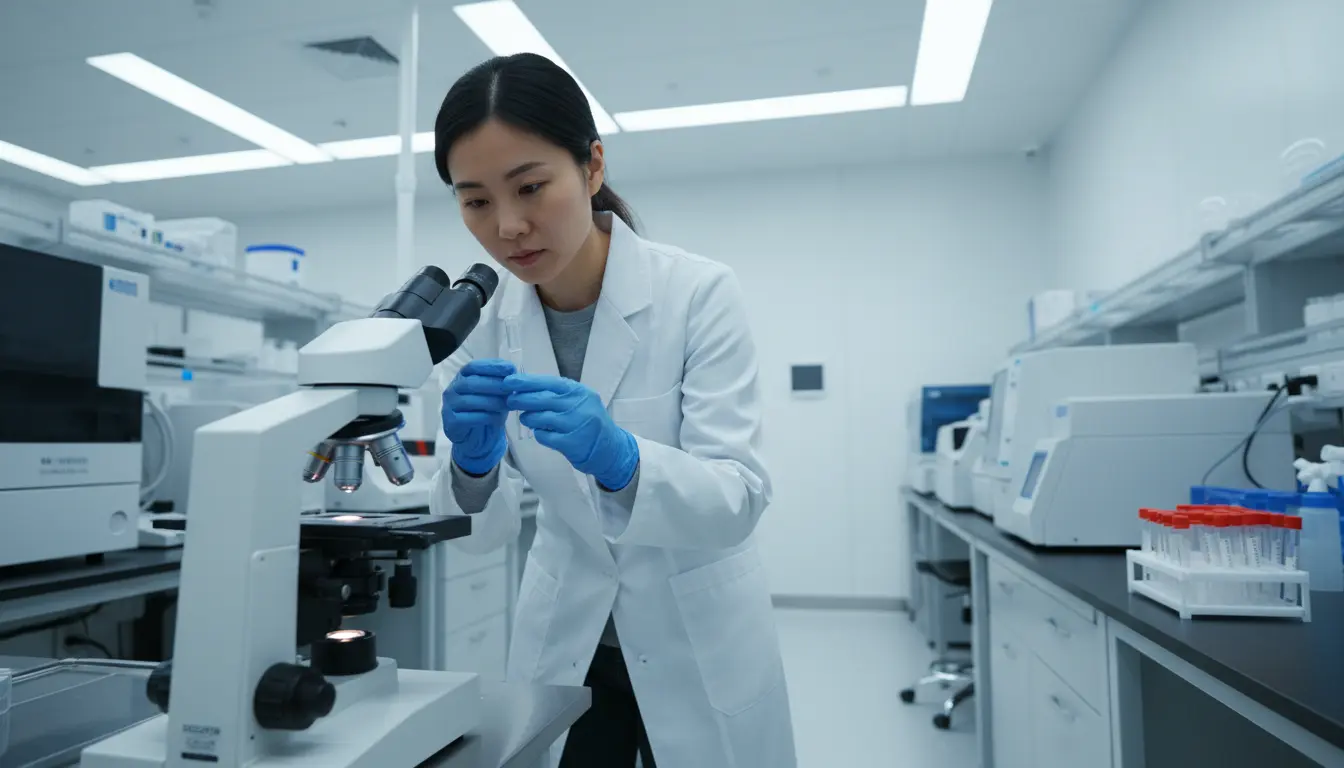 Every year, the most frequently requested item in DNA testing is paternity testing. Paternity testing refers to testing that determines the biological blood relationship between a man believed to be the father (the alleged father) and a child by comparing and analyzing their DNA. Therefore, without a sample that can provide the alleged father's DNA, the analysis cannot be performed.
In DNA testing, multiple polymorphic markers called STRs (Short Tandem Repeats) present in the human genome are analyzed at several locations. Since a child inherits half of their genes from each parent, it is possible to scientifically determine whether a parent-child relationship exists by checking whether the portion of the child's DNA type not derived from the mother matches the alleged father's type [ref:1]. This principle is widely used in forensic medicine and forensic science around the world and is established as an extremely reliable method.
The typical paternity testing process
 In a typical paternity test, samples are collected from the oral epithelium (the mucous membrane inside the mouth) of both the child and the alleged father using a cotton swab, and the extracted DNA is analyzed to determine whether a blood relationship exists. Collecting oral epithelium samples causes almost no pain, making it a low-burden sampling method even for children.
Additionally, if the baby has not yet been born, a prenatal blood DNA test is performed using an oral epithelium sample from the alleged father and a blood sample from the pregnant mother. The mother's blood during pregnancy contains cell-free fetal DNA (cfDNA) derived from the fetus, and by analyzing this cfDNA, it is possible to perform paternity testing without any invasive procedure on the fetus [ref:2].
- Application and consultation
- Receiving the sample collection kit (preparation of oral epithelium or alternative samples)
- Sending in the samples
- DNA extraction and STR analysis
- Reporting of test results
How to proceed when a sample from the alleged father cannot be obtained
 In practice, however, there are many cases in which an oral epithelium sample cannot be collected directly from the alleged father due to various circumstances. For example, situations such as the alleged father having died or the alleged father being missing can make direct sample collection physically impossible. Even in such cases, there is no need to give up on DNA testing.
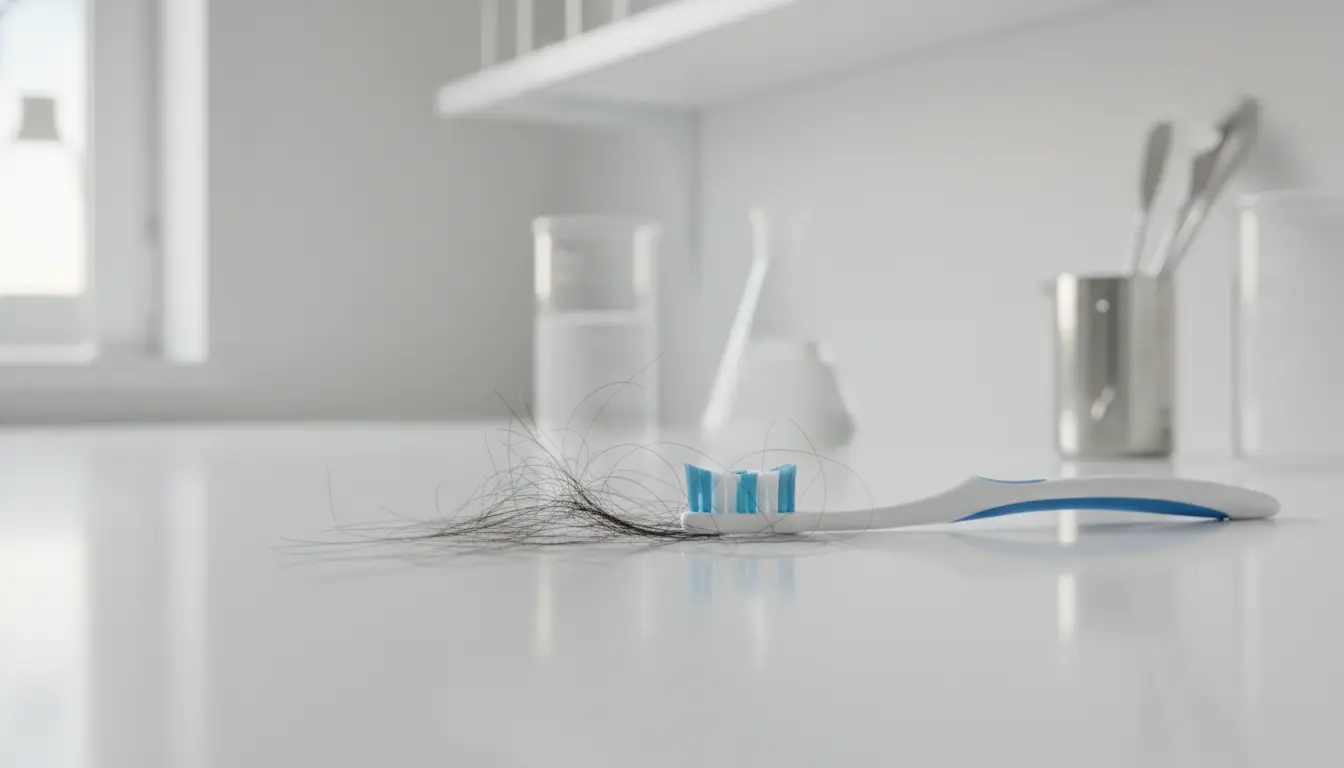
Even when indirect testing using DNA from the alleged father's relatives is not an option, it is possible to extract residual DNA from everyday items the alleged father used in the past and perform the test. Specifically, the following alternative samples can be used.
- Toothbrush: A used toothbrush retains oral epithelial cells attached to it, making it suitable for DNA extraction
- Hair: DNA can be extracted from hair with the root attached (naturally shed hair is preferable)
- Cigarette butts: DNA can be obtained from cells in saliva
- Used razors: Skin cells may be attached
- Nails: DNA extraction from clipped nails is sometimes possible
Compared with oral epithelium samples collected using a cotton swab, these alternative samples may have a lower quantity or quality of DNA, but highly accurate testing can still be achieved using the latest analytical technology. Confirming parent-child relationships in Japan also carries important legal significance and is required in various situations such as inheritance, legal acknowledgment of paternity, and child support claims [ref:3].
We are the only company that can perform prenatal DNA testing using samples other than a cotton swab
Through our own newly developed testing method using NGS (Next Generation Sequencing), we can accurately confirm the parent-child relationship between a child (or fetus) and the alleged father with three times the accuracy of conventional methods, even using samples other than cotton swabs, such as hair or cigarette butts. NGS is an innovative analytical technology capable of reading large volumes of DNA sequence data in parallel, making it possible to obtain highly reliable results even from trace amounts of DNA sample [ref:4].
Only our company, seeDNA, can perform prenatal DNA testing using samples other than a cotton swab. We achieve a paternity probability of 99.99% or higher regardless of the type of sample used, so please entrust your testing to the trusted and proven seeDNA.
Testing methods when even alternative samples from the alleged father are unavailable
In the rare case that none of the alleged father's items, such as a toothbrush or hair, remain, it is possible to perform indirect paternity testing by having close relatives of the alleged father—such as his father or brothers (the child's grandfather or uncle)—participate in the test. This is an approach that statistically analyzes genetic traits shared among family members to estimate the blood relationship with the alleged father [ref:5].
However, testing using samples from close relatives of the alleged father instead of the alleged father himself is limited to postnatal DNA testing. For prenatal DNA testing, separate analysis of the fetal cfDNA and the mother's DNA is required, so at present a sample from the alleged father himself or an alternative sample (such as a personal item) is essential.
| Type of test | Required samples | Use of alternative samples |
|---|---|---|
| Postnatal paternity test | Alleged father + child's oral epithelium | Possible (relative samples also allowed) |
| Prenatal DNA test | Alleged father's sample + maternal blood | Only personal items allowed |
Why seeDNA's paternity testing is chosen
The seeDNA Genetic Medicine Research Institute has built a cutting-edge analysis pipeline that combines conventional STR analysis with NGS technology. This makes it possible to deliver highly accurate test results even in cases where the condition of the sample is not ideal.
- Highly accurate analysis using NGS technology, three times more precise than conventional methods
- Supports alternative samples other than cotton swabs
- The only company in the industry able to support prenatal DNA testing using alternative samples
- Achieves a paternity probability of 99.99% or higher
- Strict information management system with careful attention to privacy
If you are considering paternity testing, please feel free to reach out to us first. Our specialist staff will carefully explain the testing process and the samples required.
Click here for details on prenatal DNA testing
Frequently Asked Questions
Q1. Is paternity testing possible even if the alleged father has died?
A. Yes, it is possible. DNA can be extracted from everyday items used by the alleged father, such as a toothbrush, hair, or cigarette butts, to perform the test. It is also possible to conduct indirect testing by having close relatives of the alleged father, such as his father or brothers, participate (limited to postnatal testing).
Q2. Does testing accuracy decrease when using samples other than a cotton swab?
A. seeDNA uses its own proprietary testing method leveraging NGS (Next Generation Sequencing) technology to achieve a paternity probability of 99.99% or higher regardless of the type of sample. Analysis can be performed with three times the accuracy of conventional methods.
Q3. Can alternative samples be used for prenatal DNA testing as well?
A. Yes, seeDNA is the only company that supports prenatal DNA testing using samples other than a cotton swab. However, for prenatal testing, substituting samples from the alleged father's close relatives is not currently supported; a sample from the alleged father himself or an alternative sample such as a personal item is required.
Q4. What kinds of samples can be used for paternity testing?
A. Oral epithelium (collected with a cotton swab) is the most common, but a toothbrush, hair with the root attached, cigarette butts, used razors, and nails can also be used as alternative samples. Depending on the condition of the sample, DNA extraction may be difficult, so please consult with us in advance.
Q5. If a relative of the alleged father is tested instead, what relationships are eligible to participate?
A. Close relatives of the alleged father, such as his father (the child's grandfather) or brothers (the child's uncle), can participate in testing to indirectly estimate the parent-child relationship. However, this method is only available for postnatal DNA testing.
Reliable support from the seeDNA Genetic Medicine Research Institute
The seeDNA Genetic Medicine Research Institute is a trusted and reliable specialist institution for DNA testing and genetic testing that has obtained the international quality standard ISO9001 and the Privacy Mark for personal information protection.
If you have concerns about blood relationships within your family, parent-child relationships, or a partner's infidelity, our DNA testing specialists will provide thorough support to give you peace of mind, so please feel free to contact us.
[Free consultation with specialist staff]

If you have any questions,
please feel free to contact our toll-free number.
/Open every day including weekends/
Business hours: Monday to Sunday 9:00-18:00
(excluding holidays)
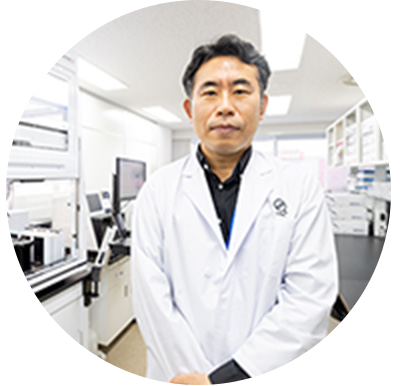 Author
Kihan Tomikane, M.D., Ph.D.
Graduated from the master's/doctoral program in Biosystems and Molecular Medical Science at the University of Tsukuba Graduate School
In 2017, developed Japan's first prenatal DNA testing(Patent 7331325) using trace DNA analysis technology(Patent 7121440)