
Last revised: February 8, 2026
A doctor explains in detail the differences between NIPT and amniocentesis in terms of accuracy, safety, cost, and testing timing. By correctly understanding the characteristics of NIPT, a non-diagnostic (screening) test, and amniocentesis, a diagnostic test, we aim to help you make the best choice in prenatal diagnosis.
If you've been researching prenatal testing during pregnancy, you've likely come across the terms NIPT (Non-Invasive Prenatal Testing) and amniocentesis. Both are tests that examine the baby's chromosomes for abnormalities, but their nature and role differ greatly.
Whether to undergo prenatal testing, and which test to choose, is an extremely important decision for pregnant women and their families. In recent years, the spread of NIPT has broadened the options available for prenatal testing, but it's important to correctly understand the characteristics of each test so you can make the choice that's right for you.
Especially for first-time mothers or those classified as advanced maternal age, it's common to feel anxious or uncertain about whether to undergo testing at all. While there is a wealth of information available online, some of it is inaccurate or misleading.
In Japan, NIPT was introduced as clinical research in 2013, and in 2022 the Japanese Association of Medical Sciences established the Prenatal Testing Certification System Operating Committee, advancing the development of an appropriate implementation framework for NIPT [ref:4]. As this kind of institutional groundwork continues to be built, it is becoming ever more important for pregnant women and their families to make decisions based on accurate information.
In this article, a doctor explains, based on medical evidence, the differences between NIPT and amniocentesis in an easy-to-understand way. We cover accuracy, safety, cost, testing timing, and the testing process comprehensively, to serve as a reference for anyone considering testing.
- ・The Respective Roles of NIPT and Amniocentesis
- └ NIPT Is a "Non-Diagnostic Test"
- └ Amniocentesis Is a "Diagnostic Test"
- ・Differences Between NIPT and Amniocentesis: Accuracy
- └ NIPT's Accuracy: High Detection Rate and Low False Positive Rate
- └ Amniocentesis's Accuracy: Nearly 100% Detection Rate
- ・Summary Comparison of NIPT and Amniocentesis Accuracy
- ・Differences Between NIPT and Amniocentesis: Safety
- └ NIPT's Safety: Non-Invasive With No Miscarriage Risk
- └ Amniocentesis's Safety: An Invasive Test With a Slight Miscarriage Risk
- ・Differences Between NIPT and Amniocentesis: Cost and Testing Timing
- └ Differences in Available Testing Periods
- └ Approximate Costs
- ・Causes of NIPT False Positives and False Negatives
- ・The Process for Undergoing Prenatal Testing
- ・The Importance of Genetic Counseling
- ・Summary
The Respective Roles of NIPT and Amniocentesis

Prenatal tests are classified into two categories based on their nature: "non-diagnostic tests (screening tests)" and "diagnostic tests." Correctly understanding this classification is the first step in choosing a test. Non-diagnostic tests include, besides NIPT, the maternal serum marker test (Quad test) and the combined test (NT measurement plus maternal serum markers), but NIPT is a groundbreaking test in that it offers far higher accuracy than these conventional screening tests [ref:5].
NIPT Is a "Non-Diagnostic Test"
NIPT is classified as a non-diagnostic test. It evaluates the likelihood of chromosomal abnormalities by using a next-generation sequencer to analyze fragments of fetal-derived cfDNA (cell-free DNA) contained in the mother's blood. It is a test that determines only whether the risk is "high or low," and even if the result is positive, a diagnostic test such as amniocentesis is needed for a definitive diagnosis.
During pregnancy, a certain amount of fetal-derived DNA fragments released from the placenta are present in the mother's blood. NIPT analyzes this cfDNA and statistically evaluates the quantitative imbalance of specific chromosomes to assess the risk of numerical chromosomal abnormalities such as trisomies. Because this method can be performed with only a maternal blood draw, it is also called "non-invasive prenatal genetic testing."
cfDNA is released into the mother's bloodstream mainly through the natural process of apoptosis (programmed cell death) in the placental trophoblast cells. Of the cfDNA in maternal blood, the fetal-derived portion (the "fetal fraction") generally accounts for about 5-20% of the total, and having this fetal fraction reach a sufficient quantity is a condition for obtaining accurate test results [ref:1]. Since the fetal fraction increases as gestational age advances, 10 weeks of pregnancy onward is considered the appropriate time for testing.
Amniocentesis Is a "Diagnostic Test"
On the other hand, amniocentesis is classified as a diagnostic test. Under ultrasound guidance, a thin needle is inserted into the abdomen to collect about 20ml of amniotic fluid, and the fetal cells contained within it are cultured to directly examine the chromosomes. This method allows for a definitive diagnosis of whether a chromosomal abnormality is present.
Amniotic fluid contains cells shed from the fetus's skin, digestive tract, urinary system, and other tissues. By culturing these cells and performing karyotype analysis (G-banding) on cells in the division phase, it is possible to detect not only numerical abnormalities but also structural chromosomal abnormalities. Culturing takes roughly 10 days to 2 weeks, but if FISH (fluorescence in situ hybridization) is used in combination, preliminary results for the major trisomies can be obtained within a few days.
In recent years, it has also become increasingly common to use chromosomal microarray analysis (CMA) alongside conventional G-banding. CMA allows for high-resolution detection of minute chromosomal deletions and duplications (copy number variants, or CNVs) that were difficult to detect using conventional karyotype analysis alone [ref:6].
In other words, NIPT plays the role of a preliminary risk-assessment step ahead of amniocentesis. The current basic approach to prenatal diagnosis is a staged one: first perform NIPT as a screening test, and then, if the result is high-risk, proceed to amniocentesis as the diagnostic test.
Basic Differences Between NIPT and Amniocentesis
NIPT: A screening test that analyzes cfDNA in maternal blood. It determines whether risk is high or low.
Amniocentesis: A diagnostic test that cultures fetal cells from amniotic fluid to directly observe chromosomes. It provides a definitive diagnosis of whether an abnormality is present.
Differences Between NIPT and Amniocentesis: Accuracy
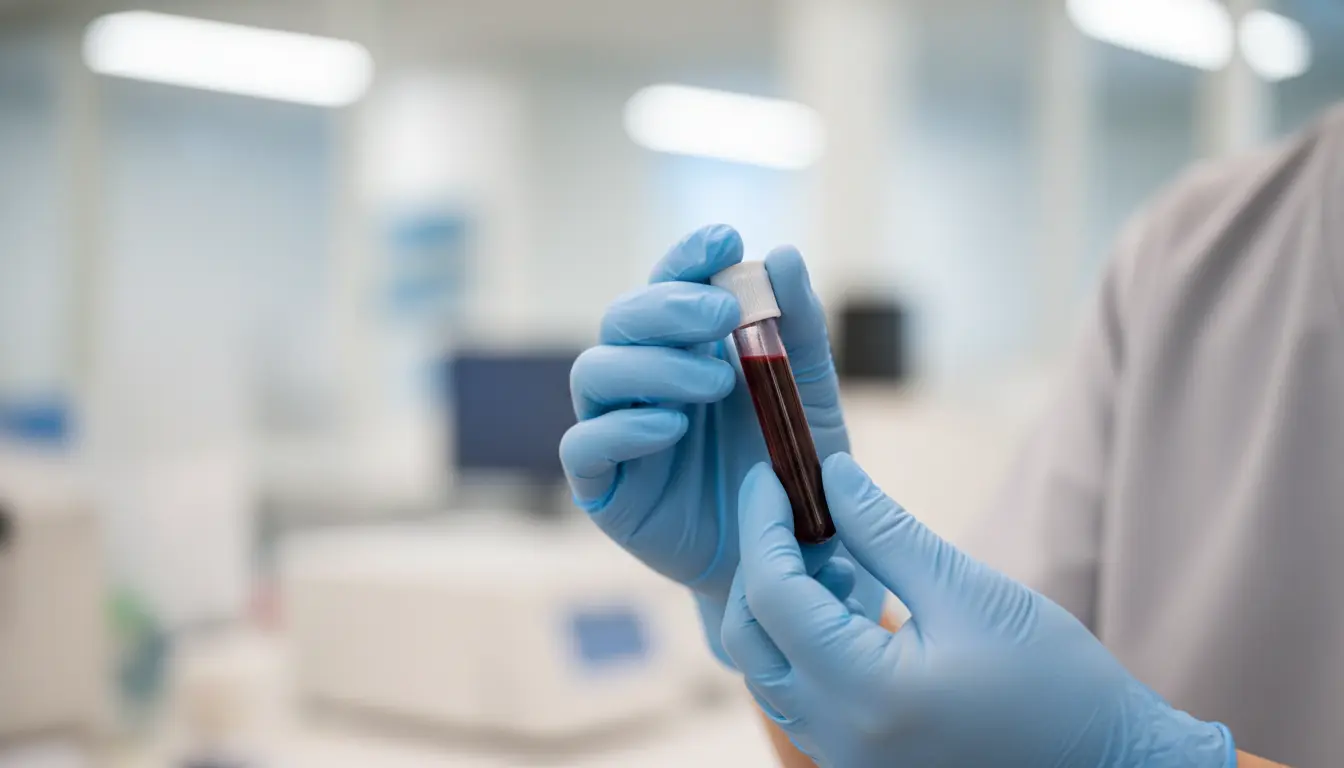
Comparing the two tests in terms of accuracy reveals that each has different characteristics. To understand accuracy, it's important to know three indicators: "detection rate (sensitivity)," "false positive rate," and "positive predictive value."
The detection rate (sensitivity) refers to the proportion of fetuses that actually have a chromosomal abnormality who are correctly identified as positive by the test. The false positive rate refers to the proportion of cases incorrectly identified as positive when no abnormality is actually present. And the positive predictive value (PPV) indicates, among the cases judged positive by the test, the proportion that actually have an abnormality. Since these three indicators each carry a different meaning, it's important to understand them accurately without confusing them.
NIPT's Accuracy: High Detection Rate and Low False Positive Rate
NIPT shows an extremely high detection rate for trisomy 21 (Down syndrome). According to large-scale studies, the detection rate for trisomy 21 is 99.7%, with a false positive rate of 0.04% [ref:1]. For trisomy 18 (Edwards syndrome), the detection rate is 97.9% with a false positive rate of 0.04%, and for trisomy 13 (Patau syndrome), the detection rate is 99.0% with a false positive rate of 0.04% - both showing high accuracy.
These figures show that NIPT offers dramatically higher accuracy than conventional screening tests. Whereas the maternal serum marker test (Quad test) has a detection rate of about 80% for trisomy 21 with a false positive rate of about 5%, NIPT's performance is far superior [ref:5].
However, because NIPT is a non-diagnostic test, the positive predictive value (the probability that an abnormality is actually present when the result is positive) varies depending on maternal age and the target condition. The positive predictive value for trisomy 21 in women aged 35 and older is said to be about 90%, but this figure decreases in younger pregnant women [ref:2]. This is because the prevalence (prior probability) in the tested population has an effect. Based on the statistical principle of Bayes' theorem, even if a test's sensitivity and specificity are high, the positive predictive value will be relatively lower in a population with a lower prevalence.
In other words, it's important to understand that even if NIPT returns a "positive" result, this does not necessarily mean the fetus actually has an abnormality. This is especially true for younger pregnant women, where because the incidence of chromosomal abnormalities itself is low, the proportion of false positives (cases judged positive when no abnormality is actually present) is relatively higher.
Amniocentesis's Accuracy: Nearly 100% Detection Rate
Because amniocentesis directly observes the chromosomes, its detection rate is considered to be nearly 100%. Chromosome analysis of cultured cells can detect not only trisomy 21, trisomy 18, and trisomy 13, but also other numerical abnormalities of the autosomes and structural abnormalities such as translocations and inversions.
That said, there are rare cases where amniocentesis results are difficult to interpret. For example, in a state called "mosaicism," where normal cells and abnormal cells coexist, if the proportion of mosaicism is low, detection using cultured cells alone can be difficult. Even so, karyotype analysis via G-banding has decades of proven track record and maintains its status as the gold standard for definitive prenatal diagnosis.
Meanwhile, thanks to technological advances, NIPT's scope has also expanded beyond the three major trisomies to include sex chromosome aneuploidies (such as Turner syndrome and Klinefelter syndrome) and some microdeletion syndromes (such as DiGeorge syndrome), broadening the range of congenital conditions it can detect.
However, it is also known that in the areas where NIPT's detection scope has expanded, accuracy tends to be somewhat lower compared to the major trisomies. Since NIPT's positive predictive value for sex chromosome aneuploidies and microdeletion syndromes is not as high as for trisomy 21, a diagnostic test is still recommended if a positive result is returned in these areas.
Summary Comparison of NIPT and Amniocentesis Accuracy
 Below is a summary of the key accuracy indicators for NIPT and amniocentesis.
| Comparison Item | NIPT | Amniocentesis |
|---|---|---|
| Trisomy 21 Detection Rate | 99.7% | Nearly 100% |
| False Positive Rate | 0.04% | Extremely low |
| Test Classification | Non-diagnostic test | Diagnostic test |
- NIPT's detection rate for trisomy 21 is extremely high at 99.7%
- Because NIPT is a non-diagnostic test, a positive result is not a definitive diagnosis
- Amniocentesis offers a nearly 100% detection rate and enables definitive diagnosis
- NIPT's detection scope has expanded to include sex chromosome aneuploidies and microdeletion syndromes
- NIPT's positive predictive value varies with maternal age
- NIPT has a far lower false positive rate than the conventional Quad test
\You can also learn the risk of microdeletion syndromes/
Differences Between NIPT and Amniocentesis: Safety
In terms of safety, there is a clear difference between the two tests. When considering prenatal testing, one of the biggest concerns alongside accuracy is likely the impact on the mother and fetus.
NIPT's Safety: Non-Invasive With No Miscarriage Risk
Because NIPT can be performed with just a maternal blood draw, it is a non-invasive test. As with a standard blood test, the test is complete once about 10-20ml of blood is drawn from a vein in the arm. There is no miscarriage risk, and no direct danger to the mother or fetus. It can be performed from 10 weeks of pregnancy onward, and its low physical burden is a major advantage.
Minor bruising or arm soreness may occur after the blood draw, but this is comparable to a standard blood test and not a risk specific to this particular test. Because the physical burden is so minimal, NIPT has become widely adopted as a screening test.
The high safety of NIPT is a particularly reassuring factor for those who conceived through fertility treatment or who have a history of miscarriage. It allows for highly accurate screening while avoiding the miscarriage risk associated with invasive tests, which also helps reduce psychological burden.
Amniocentesis's Safety: An Invasive Test With a Slight Miscarriage Risk
Amniocentesis, on the other hand, is classified as an invasive test. Because a thin needle is inserted into the abdomen to collect amniotic fluid, there is a risk of miscarriage. Large-scale studies report a miscarriage rate associated with amniocentesis of approximately 0.1% [ref:3]. This risk was previously estimated at around 1%, but improvements in ultrasound-guided technique have significantly reduced the risk in recent years.
Besides miscarriage, amniocentesis carries the possibility of the following complications.
- Amniotic fluid leakage: A small amount of amniotic fluid may leak from the puncture site
- Intrauterine infection: In very rare cases, bacterial infection may occur
- Bleeding: A small amount of bleeding may occur at the puncture site
- Uterine contractions: Temporary abdominal tightness may be felt after the test
That said, when performed with proper technique and management, the incidence of serious complications is considered very low. Because experienced obstetricians perform the puncture while checking the position of the fetus and placenta by ultrasound, safety has improved year by year. Rest of about 30 minutes to an hour is typically required after the test, and strenuous exercise should be avoided on that day. In most cases, a return to normal daily life is possible from the following day onward.
There is also another diagnostic test called "chorionic villus sampling (CVS)." CVS can be performed around 11-14 weeks of pregnancy, offering the advantage of a definitive diagnosis earlier than amniocentesis, but its miscarriage risk is comparable to or slightly higher than amniocentesis (about 0.1-0.2%). It's important to decide, in consultation with your doctor, which diagnostic test to choose based on gestational age and individual circumstances.
From a safety standpoint, NIPT can be said to carry almost no physical risk. Amniocentesis, on the other hand, carries a certain level of risk, but it is indispensable when a definitive diagnosis is needed. It's important to make your testing choice with a clear understanding of this balance of risk and benefit.
Differences Between NIPT and Amniocentesis: Cost and Testing Timing
NIPT and amniocentesis also differ in terms of the periods during which they can be performed and their cost. Let's review this practical information as a reference when considering testing.
Differences in Available Testing Periods
NIPT can be performed from 10 weeks of pregnancy onward. The amount of fetal-derived cfDNA in maternal blood increases as gestational age advances, and by 10 weeks a sufficient quantity for testing is said to be secured. Because results can be obtained at an early stage, there is an advantage in being able to consider next steps sooner.
Amniocentesis, on the other hand, is typically performed around 15-18 weeks of pregnancy. This is because by this stage there is sufficient amniotic fluid volume to allow for safe puncture. Since it takes about 2-3 weeks including the culturing period for amniocentesis results to come back, the final result is typically received around 17-21 weeks of pregnancy.
This difference in timing carries significant psychological weight for pregnant women and their families. If NIPT screening is performed in early pregnancy and returns a low-risk result, the rest of the pregnancy can be spent with greater peace of mind. On the other hand, even if the result happens to be high-risk, there is an advantage in having more time available to undergo diagnostic testing and genetic counseling.
Approximate Costs
Prenatal testing is generally an out-of-pocket expense (not covered by insurance). The cost of NIPT varies by testing facility and the scope of items tested, but is roughly in the range of 100,000-250,000 yen. Amniocentesis is generally around 100,000-200,000 yen, though this varies by medical institution.
If you proceed to amniocentesis after a high-risk NIPT result, you will incur the cost of both tests. Some facilities offer programs that subsidize the cost of amniocentesis in cases where the NIPT result was positive, so it's worth checking in advance.
One point to note regarding cost is that the price can vary significantly depending on the NIPT testing plan. There is a cost difference between a plan that tests only for the basic three trisomies and a comprehensive plan that also includes sex chromosome aneuploidies and microdeletion syndromes. We recommend deciding how extensive a test to undergo only after thorough consultation during pre-test counseling.
| Comparison Item | NIPT | Amniocentesis |
|---|---|---|
| Available Testing Period | From 10 weeks of pregnancy onward | Around 15-18 weeks of pregnancy |
| Approximate Cost | About 100,000-250,000 yen | About 100,000-200,000 yen |
| Time to Results | About 1-2 weeks | About 2-3 weeks |
Causes of NIPT False Positives and False Negatives
To deepen your understanding of NIPT's characteristic as a non-diagnostic test, we also explain why false positives and false negatives occur. Knowing this will help you interpret NIPT results more accurately.
The main causes of NIPT false positives (a positive result when no abnormality is actually present) include the following.
- Confined placental mosaicism (CPM): A case where part of the placenta has a chromosomal abnormality but the fetus itself is normal. Because NIPT measures placenta-derived cfDNA, placental mosaicism can cause a false positive
- Maternal chromosomal abnormality: Cases where the mother herself has a mosaic-type chromosomal abnormality, or where cfDNA derived from a benign maternal tumor has an effect
- Vanishing twin: In cases where it was initially a twin pregnancy but one fetus was lost, cfDNA derived from the lost fetus may remain
Meanwhile, the causes of false negatives (a low-risk result when an abnormality is actually present) include the following.
- Low fetal fraction: In pregnant women with obesity, the fetal fraction tends to be lower, which can contribute to the risk of a false negative
- Mosaic-type trisomy: If the fetus has a mosaic type (a mix of normal and abnormal cells), detection can be difficult if the proportion of abnormal cells is low
For these reasons, no matter how high NIPT's sensitivity is, it never constitutes a definitive diagnosis, and if a positive result is returned, a definitive diagnosis via amniocentesis is always required. Understanding this correctly is an important point for calmly accepting test results [ref:5].
The Process for Undergoing Prenatal Testing
Prenatal testing, including NIPT and amniocentesis, generally proceeds according to the following process. Understanding the overall picture of this staged approach will help you approach testing with peace of mind.
- Undergoing genetic counseling: Before undergoing testing, you receive an explanation from a specialist about the purpose, significance, and limitations of the test. This is also an important opportunity to discuss your own wishes and concerns. Whether or not you decide to undergo testing, gaining accurate knowledge through counseling forms the foundation for subsequent decision-making.
- Performing NIPT (screening test): From 10 weeks of pregnancy onward, blood is drawn from the mother and the cfDNA is analyzed. Results are typically available within about 1-2 weeks. The blood draw itself takes only a few minutes and is no different from a blood test during a routine health checkup.
- Explanation of results and deciding next steps: If the NIPT result is "low-risk," additional testing is generally not needed. If judged "high-risk," proceeding to a diagnostic test is considered. It's important to receive genetic counseling at this stage as well, to fully understand the interpretation of the results and the subsequent options.
- Performing amniocentesis (diagnostic test): If NIPT returns a high-risk result, amniocentesis is performed around 15-18 weeks of pregnancy to obtain a definitive diagnosis. Amniotic fluid is collected using a thin needle under ultrasound guidance, and the fetal cells are cultured to directly analyze the chromosomes.
- Follow-up after definitive diagnosis: Based on the amniocentesis result, you consult with a specialist or genetic counselor about the path forward. Information is provided as needed regarding postnatal medical care and support systems. Even if a chromosomal abnormality is confirmed, many support systems and medical care frameworks are now in place, so you can work with specialists to find the best path forward.
In this way, the staged approach of performing NIPT for screening and, if necessary, amniocentesis for a definitive diagnosis represents the standard process in modern prenatal diagnosis. Receiving genetic counseling throughout every stage is recommended [ref:4].
The Importance of Genetic Counseling
Genetic counseling is an essential process when undergoing prenatal testing. The guidelines of the Japanese Association of Medical Sciences also call for the provision of genetic counseling before and after any prenatal test, including NIPT [ref:4].
In genetic counseling, you can consult with a specialized genetic counselor or clinical genetics specialist about the following topics.
- Accurate information on the characteristics, accuracy, and limitations of each test
- Detailed explanation of the interpretation and meaning of test results
- Options and next steps if a positive result is returned
- Support for psychological anxiety or stress
- Individualized risk assessment based on family and medical history
- Information on life support and social resources available if a chromosomal abnormality is identified
Genetic counseling is not "a venue that recommends undergoing testing," but rather a place that supports you in making a decision you can feel confident about. Including the choice not to undergo testing, genetic counselors provide support while respecting the wishes of the pregnant woman and her family. By making use of genetic counseling not only before testing but also after results are known, you can correctly understand the test results and calmly consider your next steps.
Summary
NIPT and amniocentesis both examine the fetus for chromosomal abnormalities, but their nature and role differ greatly.
NIPT is a screening test that is non-invasive, highly safe, and can assess risk with high accuracy. It can be undergone from early pregnancy (10 weeks onward) and is useful as a first step in learning about the possibility of a chromosomal abnormality. Its detection rate for trisomy 21 is extremely high at 99.7%, with a false positive rate of only 0.04%. However, if the result is high-risk, amniocentesis is needed for a definitive diagnosis [ref:1].
Amniocentesis is an invasive test, but it plays an important role in that it enables a definitive diagnosis. While it carries a slight miscarriage risk of about 0.1% [ref:3], it provides a certain diagnosis. Thanks to improvements in ultrasound technology, safety has been increasing year by year, and when performed by an experienced physician, the risk of serious complications is considered very low.
In this way, NIPT and amniocentesis are not tests to be compared in terms of "superiority," but rather tests that each play a different role. The approach of first learning the risk through NIPT and then, if necessary, obtaining a definitive diagnosis through amniocentesis is the basic concept underlying current prenatal diagnosis.
Also, understanding the causes of NIPT false positives (confined placental mosaicism, vanishing twin, maternal-derived factors, etc.) can be of great help in responding calmly should a positive result ever occur. It's important not to become overly anxious upon receiving a positive result, and to decide whether to proceed to a diagnostic test only after receiving genetic counseling.
Prenatal testing touches on extremely sensitive matters for pregnant women and their families. Test results can stir up a range of emotions. That is precisely why it is so important to correctly understand the characteristics of each test and make the choice that fits your own values and circumstances. We strongly recommend making use of genetic counseling before and after testing, and proceeding with the support of specialists [ref:1] [ref:3] [ref:4].
\Learn the risk of Down syndrome and sex chromosome conditions/
 Apply / Purchase Kit
Frequently Asked Questions
Q1. If NIPT returns a positive result, is it necessary to undergo amniocentesis?
A. NIPT is a non-diagnostic test (screening test), and a positive result only means that "the risk is high." To obtain a definitive diagnosis, a diagnostic test such as amniocentesis is recommended. However, whether or not to undergo further testing is ultimately a decision for you and your family, so we recommend discussing it thoroughly during genetic counseling.
Q2. Which should be done first, NIPT or amniocentesis?
A. Generally, a staged approach is recommended in which NIPT is performed first for screening, and if judged high-risk, amniocentesis follows. NIPT can be performed from 10 weeks of pregnancy onward, requires only a blood draw, and carries no miscarriage risk, making it suitable as the first step. That said, depending on individual circumstances and preferences, some choose to begin with amniocentesis directly.
Q3. What is the miscarriage risk of amniocentesis?
A. According to recent large-scale studies, the miscarriage rate associated with amniocentesis is reported at approximately 0.1%. This risk was previously estimated at around 1%, but improvements in ultrasound-guided technique have significantly reduced it in recent years. When performed by an experienced obstetrician, the risk of serious complications is considered very low.
Q4. If NIPT returns a "low-risk" result, can it be said with certainty that the fetus has no chromosomal abnormality?
A. If NIPT returns a "low-risk" result, the likelihood of the major chromosomal abnormalities (trisomy 21, trisomy 18, trisomy 13) is considered very low. However, since NIPT is not a diagnostic test, there remains a slight possibility of a false negative (a low-risk result despite an abnormality actually being present). Additionally, chromosomal or genetic abnormalities outside the scope of NIPT cannot be evaluated. If you have concerns, please consult your physician or a genetic counselor.
Q5. What kinds of chromosomal abnormalities can NIPT check for?
A. Basic NIPT tests for the three major trisomies: trisomy 21 (Down syndrome), trisomy 18 (Edwards syndrome), and trisomy 13 (Patau syndrome). Depending on the testing facility and plan, it may also be possible to include sex chromosome aneuploidies (such as Turner syndrome and Klinefelter syndrome) and some microdeletion syndromes (such as DiGeorge syndrome) within the scope of detection. seeDNA offers plans that test even for microdeletion syndromes.
Q6. At what age should someone consider undergoing prenatal testing?
A. Because the risk of chromosomal abnormalities increases with maternal age, information about prenatal testing is often provided especially to pregnant women aged 35 and older. However, prenatal testing is available to all pregnant women who wish to undergo it, regardless of age. We recommend deciding whether to undergo testing based not only on age but also on your own wishes and values.
Q7. Why do false positives occur with NIPT?
A. The main causes of NIPT false positives include confined placental mosaicism (CPM: a chromosomal abnormality in the placenta while the fetus is normal), vanishing twin (a case where it was initially a twin pregnancy but one twin was lost), and maternal factors (such as maternal mosaic-type chromosomal abnormalities). Because NIPT analyzes placenta-derived cfDNA, false positives can occur in cases where the chromosomal makeup of the placenta and the fetus differ. For this reason, even when NIPT returns a positive result, a definitive diagnosis via amniocentesis is required.
Reassuring Support from the seeDNA Institute of Genetic Medicine
The seeDNA Institute of Genetic Medicine is a trusted and reliable specialist institution for DNA testing and genetic testing that has obtained the international quality standard ISO9001 and the Privacy Mark for privacy protection.
If you have concerns about family or parent-child biological relationships, a partner's infidelity, or similar matters, our DNA testing specialists are here to support you with peace of mind, so please feel free to contact us.
[Free Consultation with Dedicated Staff]

If you have any questions,
please feel free to contact our toll-free number.
\Open every day, including weekends/
Business hours: Monday-Sunday 9:00 AM-6:00 PM
(excluding holidays)
Author
M.D., Ph.D.
Tasuku Hiroshige
Doctor of Medicine, Board-Certified Specialist and Instructor of the Japanese Urological Association, Certified Cancer Treatment Specialist, Certified Anti-Aging Medicine Specialist, Japan Medical Association Certified Occupational Physician, Certified Specialist of the Japanese Society of Chemotherapy, Certified Specialist in Sexually Transmitted Infections, Certificate of da Vinci System
Training as a Console Surgeon, and more
After graduating from Kagoshima University School of Medicine in 2010, he has built extensive clinical experience as a urologist. Beyond clinical work, he is also actively engaged in academic activities such as conference presentations, paper writing, and obtaining research funding. He holds specialist qualifications in a wide range of fields, including urology, cancer treatment, anti-aging medicine, and infectious disease treatment. He draws on his extensive medical knowledge and skills to provide care tailored to each individual patient.