
2026.03.22
Rewritten on: March 28, 2026
NIPT is an independent genetic test whose purpose, procedure, and cost are fundamentally different from those of a regular prenatal checkup. A prenatal checkup is intended to manage the health of the mother and child, whereas NIPT is an optional test that assesses the risk of fetal chromosomal abnormalities, requiring a separate appointment and out-of-pocket payment.
Once pregnancy is confirmed and regular prenatal checkups begin, many people wonder, "Can I have NIPT (Non-Invasive Prenatal Testing) done along with these checkups?" or "Can it be done together with the regular blood tests?" In recent years, increased media coverage and social media discussion of NIPT have made the test itself widely known. However, specifics such as "where it can be done" and "whether it is included in prenatal checkups" are often not accurately understood.
To state the conclusion first: NIPT is treated as a completely separate test from regular prenatal checkups, and it cannot simply be done as part of a checkup.
This article explains, from a doctor's perspective, why NIPT and prenatal checkups are kept separate, the medical and institutional reasons behind this, and the differences in cost and procedure. We comprehensively cover everything from NIPT's test accuracy and the conditions it screens for, to the differences between certified and non-certified facilities, and the importance of genetic counseling — information intended to support the decision-making of pregnant women and their families who are considering NIPT.
- ・What Is a "Prenatal Checkup" in the First Place? Its Purpose and Contents
- ・The Position of NIPT (Non-Invasive Prenatal Testing)
- └ Why Isn't It Included in Prenatal Checkups?
- ・NIPT's Test Accuracy and the Conditions It Covers
- ・The Principle Behind NIPT — How cfDNA Analysis Works
- ・See at a Glance! The Differences Between Prenatal Checkups and NIPT
- ・Detailed Cost Comparison and Municipal Subsidy Schemes
- ・The Specific Process for Taking NIPT
- └ ① Booking and Consultation Procedures
- └ ② On the Day of Testing (Counseling and Blood Draw)
- └ ③ Checking the Results
- ・A Closer Look at Certified vs. Non-Certified Facilities
- ・The Importance of Genetic Counseling
- ・The Right Timing and Gestational Week for NIPT
- ・What to Consider After Receiving NIPT Results
- ・Summary: NIPT Is Not an "Extension of Checkups" but an "Independent Choice"
What Is a "Prenatal Checkup" in the First Place? Its Purpose and Contents

First, let's organize what regular prenatal checkups are actually for.
A prenatal checkup (antenatal health checkup) is regular medical management to protect the health of the mother and fetus.
Its main purpose is to detect abnormalities such as pregnancy-induced hypertension, gestational diabetes, and fetal growth restriction early, so as to lead to a safe delivery. Prenatal checkups follow a standard schedule of about 14 visits from early pregnancy through just before delivery, with test items added in stages according to gestational week. (1)
Based on guidelines set by the Ministry of Health, Labour and Welfare, the recommended frequency of prenatal checkups is as follows: once every 4 weeks up to 23 weeks of pregnancy, once every 2 weeks from 24 to 35 weeks, and once a week from 36 weeks onward. This visit schedule is designed based on scientific evidence reflecting how risk changes as pregnancy progresses. (2)(3)
The World Health Organization (WHO), in its recommendations on antenatal care published in 2016, also proposed a new model raising the number of prenatal checkups from the conventional 4-plus visits to a minimum of 8. This is based on evidence from multiple large-scale studies showing that more frequent checkups directly improve outcomes for mother and child, and Japan's schedule of 14 visits can be considered a generous system even by international standards. (4)
<Main tests conducted during prenatal checkups>
Based on guidelines, the following tests are conducted according to the stage of pregnancy.
- Basic tests at every visit
Weight and blood pressure measurement, urinalysis (protein and sugar), checking the baby's heartbeat, measuring fundal height, ultrasound examination, checking for swelling, and more. These items continuously monitor the basic health status of the mother and fetus. In particular, measuring blood pressure and urine protein is a crucial test directly linked to early detection of pregnancy-induced hypertension, and it is performed at every visit without fail. - Blood tests in early pregnancy
Blood type (ABO and Rh), irregular antibodies, anemia testing (hemoglobin level), and infectious disease screening (hepatitis B, hepatitis C, HIV, syphilis, rubella, HTLV-1, etc.). These are pieces of information that should be understood early in pregnancy, conducted to assess in advance the risk of mother-to-child infection and delivery-related risks. For Rh-negative pregnant women, administration of anti-D immunoglobulin may be considered, making blood type confirmation extremely important for delivery management as well. - Mid-pregnancy (around 24–28 weeks)
Screening for gestational diabetes (50g glucose challenge test, or random blood glucose measurement). Because gestational diabetes is associated with risks such as macrosomia and neonatal hypoglycemia, early detection during mid-pregnancy is important. The Japan Society of Obstetrics and Gynecology's guidelines recommend that screening be performed for all pregnant women. - Late pregnancy
Re-confirmation of anemia testing, and Group B Streptococcus (GBS) testing. Because GBS carries a risk of infecting the newborn during vaginal delivery, antibiotics are administered during delivery if the test is positive. The GBS positivity rate among Japanese pregnant women is estimated at about 15–30%, and appropriate prophylactic medication can significantly reduce the incidence of neonatal GBS infection.
All of these are standard follow-up measures for "safely getting through pregnancy and childbirth." Regular attendance at prenatal checkups makes it possible to minimize risks to both mother and baby. In addition, using the maternal health checkup coupons (subsidy vouchers) issued by local municipalities significantly reduces out-of-pocket costs, and this system is in place nationwide. Since a Ministry of Health, Labour and Welfare notice, public funding for 14 checkups has been standardized starting in fiscal year 2009, and this system is in operation in nearly every municipality. (1)(2)
The Position of NIPT (Non-Invasive Prenatal Testing)
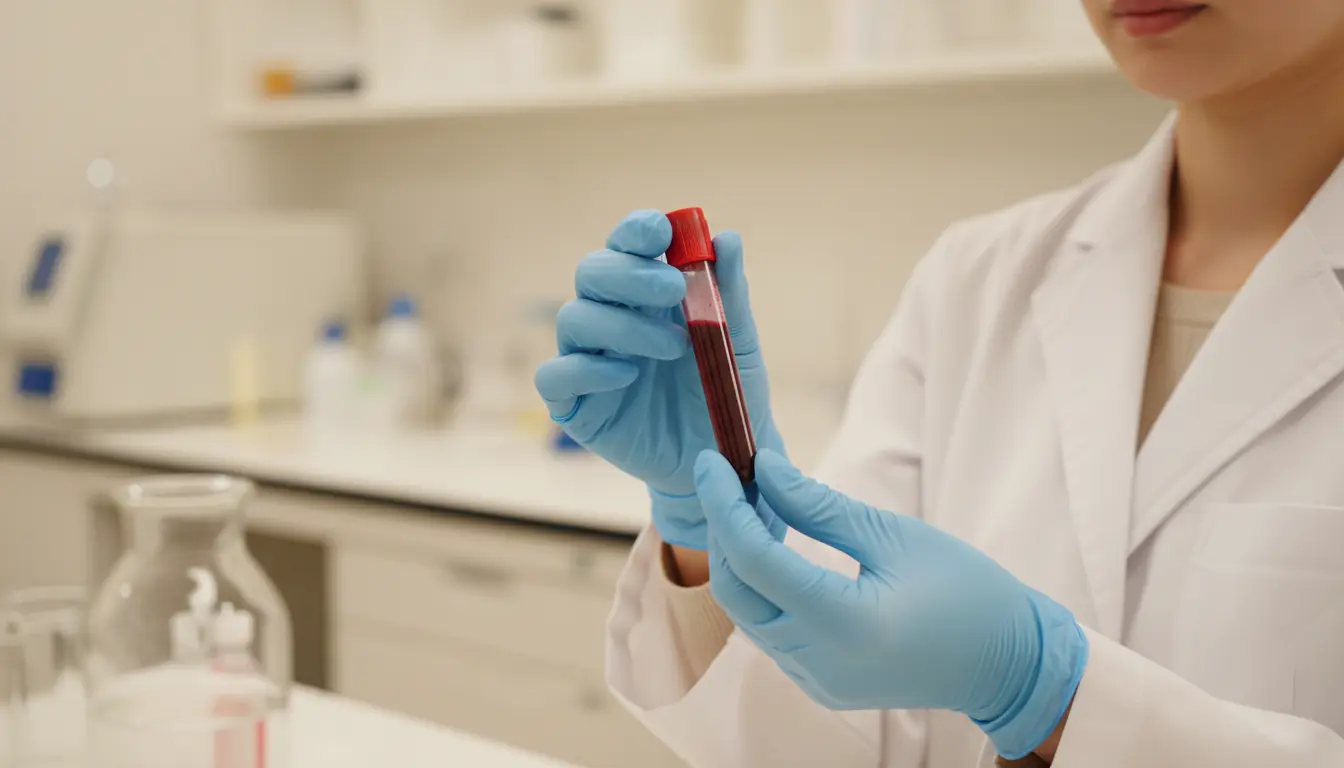 NIPT, on the other hand, is a test that examines "the risk of fetal chromosomal abnormalities (trisomy 21, trisomy 18, trisomy 13, etc.)" from the mother's blood. Its formal name is "Non-Invasive Prenatal Testing," and by analyzing fetus-derived cell-free DNA (cfDNA) present in the mother's blood, it assesses the likelihood of fetal chromosomal abnormalities with high accuracy. Unlike conventional amniocentesis or chorionic villus sampling, it requires no invasive procedure such as inserting a needle into the fetus, and has drawn attention as a safe test that carries no risk of miscarriage. (3)(5)
Since its clinical application was first reported by a research group in Hong Kong in 2011, NIPT has spread rapidly worldwide. In Japan, it began as a clinical research program in 2013, and the official launch of the prenatal testing certification system in 2022 has since advanced the development of the testing provision system. Internationally, professional societies such as ACOG (American College of Obstetricians and Gynecologists) and ISPD (International Society for Prenatal Diagnosis) have issued statements recommending that NIPT be offered as an option to all pregnant women, and its clinical usefulness is widely recognized. (6)
Why Isn't It Included in Prenatal Checkups?
The main reason is that the purpose of the test is fundamentally different.
NIPT is not about "managing the health of the pregnancy," but about "learning genetic information about the baby in the womb."
Guidelines from bodies such as the Japanese Association of Medical Sciences and the Japan Society of Obstetrics and Gynecology likewise state that prenatal tests including NIPT should be clearly distinguished from regular prenatal checkups. Ethical considerations play a major role in this.
- Ethical considerations
Because the psychological impact of the test result on the family can be extremely large, and in some cases may lead to a decision about continuing the pregnancy — that is, a choice concerning life itself. It is considered ethically inappropriate to incorporate a test involving such a weighty decision into the routine flow of checkups. The Japan Society of Human Genetics has also stated, in its "Views on Prenatal Genetic Testing," that sufficient ethical consideration is essential when conducting such tests. - Emphasis on decision-making (informed consent)
Rather than "just having it done" or "having it done because it was recommended," pregnant women need to receive full explanation of the test's significance, its limitations, and how to interpret the results, and then make their own autonomous, informed choice. This is also known as the concept of "informed choice" (autonomous selection based on adequate information provision), a process especially emphasized in the field of prenatal testing. - Mandatory counseling
Specialized genetic counseling both before and after the test is strongly required. In genetic counseling, careful explanation is given not only of the technical accuracy of the test (sensitivity, specificity, positive predictive value) but also of the options and psychological support available after receiving results. The WHO also recommends ensuring an appropriate counseling framework for prenatal genetic testing. (4)
In this way, NIPT is positioned not as something to be done as part of the routine flow of checkups, but as a special test that should be carefully considered over time. (7)
NIPT's Test Accuracy and the Conditions It Covers

One of NIPT's major features is its high test accuracy. In particular, sensitivity for trisomy 21 (Down syndrome) is reported to be over 99%, and specificity over 99.9%, giving it excellent performance as a screening test. A large-scale meta-analysis (Gil et al.) published in 2015 analyzed 35 studies and about 1.5 million samples, reporting a detection rate of 99.7% for trisomy 21 and a false-positive rate of 0.04%. (5)
However, it is important to correctly understand that NIPT is ultimately a "screening test (probabilistic assessment)," not a "definitive diagnosis." What NIPT analyzes is cfDNA in maternal blood, most of which is maternal in origin; fetus-derived cfDNA makes up only about 10–20% of the total (the "fetal fraction"). If this fetal fraction is low (generally below 4%), the reliability of the test result may decrease, and a retest may be required in some cases.
If a "positive" result is returned from NIPT, it means that "the probability of a chromosomal abnormality is high," but it does not necessarily confirm that the fetus actually has an abnormality. Because false positives (a positive result even though no abnormality is actually present) can occur, it is recommended that a positive result be followed by a definitive test such as amniocentesis or chorionic villus sampling to reach a final diagnosis. (8)
The three chromosomal abnormalities currently mainly targeted by NIPT are as follows.
- Trisomy 21 (Down syndrome)
The most common chromosomal abnormality, accompanied by intellectual developmental delay and characteristic physical features. Its birth prevalence is about 1 in 700–1,000, with risk rising as maternal age increases — reported as about 1 in 350 at age 35 and about 1 in 100 at age 40. With early intervention and comprehensive medical support, many individuals are well able to lead a full social life. (9) - Trisomy 18 (Edwards syndrome)
A chromosomal abnormality accompanied by severe developmental impairment and multiple malformations. Its birth prevalence is about 1 in 6,000–8,000, and postnatal prognosis is often poor. Complications such as cardiac malformations, renal malformations, and gastrointestinal abnormalities are frequently observed. - Trisomy 13 (Patau syndrome)
Accompanied by severe intellectual disability and multi-organ structural abnormalities. Its birth prevalence is about 1 in 10,000–20,000, and, like trisomy 18, prognosis is often difficult. Characteristic findings include holoprosencephaly, cleft lip and palate, and polydactyly.
Depending on the facility, testing may be expanded beyond the three conditions above to include sex chromosome abnormalities (Turner syndrome, Klinefelter syndrome, etc.) and some microdeletion syndromes (such as 22q11.2 deletion syndrome, or DiGeorge syndrome). However, NIPT's accuracy for sex chromosome abnormalities and microdeletions tends to be somewhat lower than for the three basic trisomies, so care is needed when interpreting results. (5)
The Principle Behind NIPT — How cfDNA Analysis Works
Understanding the technical basis of NIPT is helpful for correctly interpreting test results. The mother's blood always contains circulating DNA fragments (cell-free DNA, or cfDNA) released as the mother's own cells break down. During pregnancy, fetus-derived cfDNA released from placental trophoblast cells is also mixed into the maternal blood.
In NIPT, this cfDNA in maternal blood is read in large volumes using a next-generation sequencer (NGS), and the quantitative ratio of DNA fragments originating from each chromosome is statistically analyzed. For example, if cfDNA fragments derived from chromosome 21 are statistically significantly more abundant than normal, the fetus is judged likely to have trisomy 21. This technology is called "massively parallel sequencing" (MPS), and a single analysis can simultaneously read several million to tens of millions of DNA fragments. Since Dr. Dennis Lo and colleagues first reported the presence of fetus-derived cfDNA in maternal blood in 1997, this technology has advanced dramatically and become established as the foundational technology underlying today's NIPT. (6)
What is important is that NIPT primarily analyzes placenta-derived cfDNA. Because it does not directly examine the fetus's own DNA, false positives and false negatives can rarely occur due to a phenomenon called "confined placental mosaicism (CPM)." CPM refers to a state in which a chromosomal abnormality exists only in placental cells while the fetus itself is normal. CPM occurs in about 1–2% of all pregnancies, and false positives caused by CPM are reported at a higher rate for trisomy 13 and trisomy 18 than for trisomy 21. Understanding this mechanism makes clearer the basis for NIPT's position as "a screening test, not a definitive diagnosis."
See at a Glance! The Differences Between Prenatal Checkups and NIPT
There are also major differences in procedure and cost. The main differences are summarized in the table below. When considering whether to take NIPT, understanding in advance that an entirely separate process from prenatal checkups is required will help you prepare smoothly.
| Item | Prenatal checkup | NIPT |
|---|---|---|
| Purpose | Health management of mother and child, early detection of abnormalities | Assessment of fetal chromosomal abnormality risk |
| Position | Standard medical care (nearly mandatory) | Optional test (elective) |
| Cost | Municipal subsidy vouchers available | Full out-of-pocket cost (self-pay) |
| Item | Prenatal checkup | NIPT |
|---|---|---|
| Cost estimate | A few thousand yen or more per visit with vouchers | About 100,000–200,000 yen |
| Booking | Automatically scheduled at regular intervals | Must be booked separately by the individual |
| Result disclosure | On the spot, or at the next checkup | 10 days to 2 weeks after blood draw |
As shown above, prenatal checkups and NIPT differ fundamentally in the nature of the test. Prenatal checkups are routine health management that is "naturally taken as given," whereas NIPT is a test where "whether to take it is a choice you make for yourself." Correctly understanding this difference leads to a choice you won't regret. Note that during prenatal checkups, morphological fetal abnormalities (such as increased nuchal translucency) may occasionally be discovered incidentally through ultrasound examination, but this is not primarily intended as a "screening" for chromosomal abnormalities — it is simply part of a morphological assessment.
Detailed Cost Comparison and Municipal Subsidy Schemes
Regarding the cost of prenatal checkups, each municipality issues "maternal health checkup coupons," commonly known as subsidy vouchers, and basic test items are covered by public funds. Nationwide, it is common for vouchers covering 14 visits to be issued, but the amount and scope of the subsidy vary by municipality, so it is recommended to check with your local city, ward, or town office. When using the vouchers, the out-of-pocket cost per visit is often limited to a few thousand yen. According to a Ministry of Health, Labour and Welfare survey, the national average public funding amount for prenatal checkups is around 100,000 yen (total for 14 visits). (2)
NIPT, on the other hand, is not covered by health insurance and is entirely self-pay, with the full cost borne by the individual. The cost estimate varies by facility but is generally around 100,000–200,000 yen. The amount also varies depending on the scope of the test items (whether limited to the three basic trisomies, or including sex chromosomes and microdeletions). In addition, at certified facilities, a separate genetic counseling fee may apply, so it is important to confirm the total cost in advance. Currently, no general municipal subsidy program exists for NIPT, but discussions toward future institutional development are progressing internationally. In some countries overseas — such as the Netherlands, Belgium, and Australia — public subsidies for NIPT have been introduced, and this remains a topic for future consideration in Japan as well. (8)
The Specific Process for Taking NIPT
Taking NIPT requires a process separate from prenatal checkups. Here we explain the general tendencies of "certified facilities" and "non-certified facilities." Those considering NIPT should use the following steps as a reference for preparation.
① Booking and Consultation Procedures
You generally cannot simply say, "Please do NIPT for me today too," at the hospital where you attend prenatal checkups. You need to research medical facilities that offer NIPT yourself and make a separate appointment. The ideal time to book is around 10 weeks of pregnancy. It is recommended to start gathering information early and check the availability of your desired facility in advance.
- At certified facilities
Facilities certified under the Japanese Association of Medical Sciences' prenatal testing certification system commonly require a referral letter from your regular obstetrician, and attendance with your spouse/partner is generally standard practice. There can also be a wait of several weeks between booking and the consultation, so early preparation is important. As of 2024, more than 200 certified facilities are registered nationwide. (1) - At non-certified facilities
A referral letter is often not required, and pregnant women can often be seen alone. Online booking is increasingly common, making accessibility a key advantage. However, since genetic counseling arrangements vary by facility, it is important to check the support available before and after the test in advance.
② On the Day of Testing (Counseling and Blood Draw)
A blood draw dedicated to NIPT is performed separately from the blood draw done at regular checkups. The volume drawn is about 10–20 mL, following a procedure similar to a regular blood test. The blood draw itself is completed in a few minutes, but pre-test counseling can take some time.
At certified facilities, detailed genetic counseling by a doctor or certified genetic counselor is conducted before the blood draw (sometimes requiring 2–3 visits). During counseling, careful explanation is given of the test's accuracy and limitations, the next steps if the result is positive, and the psychological impact. At non-certified facilities, on the other hand, the process may be completed in a single visit consisting only of the blood draw. After collection, the blood is placed in a special collection tube called a Streck Cell-Free DNA BCT tube, which keeps the cfDNA stable during transport to the testing laboratory.
③ Checking the Results
It takes about 10 days to 2 weeks for results to come back. This period is the time needed for the collected blood to undergo cfDNA analysis at a specialized testing laboratory. The technical process of testing includes multiple steps: cfDNA extraction, library preparation, sequencing on a next-generation sequencer, bioinformatics analysis, quality control, and final determination and report preparation.
- Certified facilities
The standard practice is to return to the facility and receive the results explained in person. A genetic counselor is present when the results are explained, providing detailed interpretation of the results and available next steps. In particular, if the result is positive, comprehensive follow-up is provided, including referral for definitive testing and information about peer support. - Non-certified facilities
An increasing number of facilities allow results to be checked online, by email, or by mail. While this offers convenience for busy individuals or those living far away, it also means facing the result alone, so it is important to arrange in advance to be able to consult your regular doctor or a genetic counselor if needed.
A Closer Look at Certified vs. Non-Certified Facilities
In 2022, the "prenatal testing certification system" was officially launched, and facilities offering NIPT came to be classified as "certified facilities" and "non-certified facilities." This certification system is operated by the Japanese Association of Medical Sciences' Steering Committee for the Prenatal Testing Certification System, with the aim of ensuring test quality and ethical consideration. The main differences between the two are summarized below. (1)
- Certified facilities
Facilities certified by the Japanese Association of Medical Sciences' Steering Committee for the Prenatal Testing Certification System. They employ obstetrics and gynecology specialists, clinical genetics specialists, and certified genetic counselors, and reliably provide genetic counseling before and after the test. Testing is, in principle, limited to the three basic trisomies (21, 18, and 13). Certified facilities are divided into two types — "core facilities" and "affiliated facilities": core facilities are often university hospitals or perinatal centers with a genetics department, while affiliated facilities are regular obstetric clinics linked to a core facility to provide the test. - Non-certified facilities
Facilities not certified by the Japanese Association of Medical Sciences. They offer easier access to testing, with features such as ease of booking and a broader range of test items (sometimes including sex chromosome abnormalities and microdeletion syndromes). However, since the counseling arrangements and follow-up support in the event of a positive result vary greatly by facility, advance confirmation is necessary. If using a non-certified facility, it is strongly recommended to confirm details before signing up regarding the counseling framework before and after the test, the referral system to definitive testing in the event of a positive result, and the method of results explanation.
Which facility is best depends on the individual circumstances of the pregnant woman (gestational week, ease of access, the range of test items desired, the level of counseling support wanted, etc.). What matters most is making the best choice for yourself and your family after obtaining sufficient information.
The Importance of Genetic Counseling
Genetic counseling is indispensable when taking NIPT. Genetic counseling is a specialized consultation process that accurately provides medical information related to genetics and supports pregnant women and their families in making autonomous decisions. In Japan, the certified genetic counselor system was established in 2005, and more than 300 certified genetic counselors are now active nationwide.
NIPT results are reported as "positive," "negative," or "indeterminate," but the psychological burden is especially heavy when a positive result is received. In genetic counseling, careful explanation is given on points such as the following.
- Correctly understanding test accuracy
An explanation that NIPT is a screening test, not a definitive diagnosis. The positive predictive value (PPV) varies greatly depending on maternal age and the condition in question. For example, the PPV for trisomy 21 is about 80–90% for women aged 35 and over, but drops to around 50% for women aged 25 and under. It is important to correctly understand this kind of age-dependent variation. (5) - Options for definitive testing
Information about the procedures, risks, and timing of amniocentesis and chorionic villus sampling available after a positive result. Amniocentesis can be performed around 15–18 weeks of pregnancy and chorionic villus sampling around 11–14 weeks, each carrying a miscarriage risk of about 0.1–0.3%. - Psychological support and guidance to social resources
Coping with the emotional aspects after receiving results, and introductions to patient support organizations and specialized institutions. Various social resources exist, including peer support from advocacy organizations such as the Japan Down Syndrome Society. - Information regarding continuation of pregnancy
Neutral information about the options available if a chromosomal abnormality is confirmed (continuing the pregnancy, social support systems for child-rearing, etc.). Genetic counselors maintain their role strictly as information providers, without steering clients in any particular direction.
Genetic counseling forms an important foundation for correctly understanding NIPT results and calmly and autonomously choosing the next step. Some facilities allow you to use counseling services even before taking the test, simply to consult about whether you should take it at all — we recommend making active use of such services. (7)
The Right Timing and Gestational Week for NIPT
NIPT is generally available from 10 weeks 0 days of pregnancy onward. The reason for this lower limit relates to the amount of fetus-derived cfDNA (the fetal fraction). From 10 weeks onward, the fetal fraction in maternal blood reaches a level sufficient for testing (typically 4% or more), allowing for accurate results. The fetal fraction tends to increase as gestation progresses, and stable results are generally easier to obtain around 12–14 weeks.
On the other hand, considering the possibility of proceeding to definitive testing (amniocentesis or chorionic villus sampling) after NIPT, taking NIPT too late limits the time available for subsequent decision-making. Therefore, the general view is that around 10–16 weeks of pregnancy is the optimal period for taking NIPT. That said, some facilities may accept testing as late as the third trimester, so it is recommended to consult with the medical facility according to your individual circumstances.
Maternal BMI (body mass index) has also been reported as a factor affecting the fetal fraction. When BMI is high, maternal-derived cfDNA is relatively more abundant, which lowers the fetal fraction and somewhat increases the likelihood that the test will need to be repeated. Given these individual differences, it is advisable to discuss the appropriate timing for testing with your healthcare provider.
What to Consider After Receiving NIPT Results
What to do after receiving NIPT results differs greatly depending on whether the result is "negative" or "positive." Here we organize the key points to consider in each case.
If the result is "negative"
A negative result means the risk of the targeted chromosomal abnormality is low. NIPT's negative predictive value (NPV) is extremely high, at 99.9% or more, so a negative result is highly reliable. However, NIPT primarily targets only three trisomies (chromosomes 21, 18, and 13), and does not cover every congenital condition or genetic abnormality. It must be correctly understood that a negative NIPT result cannot be taken to mean "the baby definitely has no problems at all."
If the result is "positive"
If a positive result is received, the first step is to remain calm. As noted above, because NIPT is a screening test, false positives are possible. After a positive result, the next step is to undergo a definitive test such as amniocentesis or chorionic villus sampling to make a final determination of the fetal chromosomal status. During this process, it is important to work closely with a genetic counselor and your attending physician to gather sufficient information about the next options. ACOG's 2022 committee opinion (Practice Bulletin No. 226) also clearly states that a decision to terminate a pregnancy should never be made based on a positive NIPT result alone, and that confirmation via definitive testing is always required. (6)
Summary: NIPT Is Not an "Extension of Checkups" but an "Independent Choice"
NIPT is not a simple test you can have done alongside a prenatal checkup — it is an independent genetic test with its own purpose and procedure. While prenatal checkups aim to "manage the health of the mother and fetus," NIPT aims to "genetically assess the risk of fetal chromosomal abnormalities," meaning the nature of the two tests is fundamentally different.
"Whether or not to take the test" must be decided carefully in line with your own values and life plans. We recommend understanding that separate preparation and cost from prenatal checkups will be required, and discussing this thoroughly with your family before deciding.
Although NIPT's test accuracy is extremely high, it is ultimately a screening test rather than a definitive diagnosis, and because the results can have a significant psychological impact on pregnant women and their families, and ethical consideration is essential, a system has been established to clearly distinguish it from regular prenatal checkups. This framework exists to protect pregnant women's autonomous decision-making — not to make the test harder to access.
If you have concerns or questions about NIPT, please first consult a trusted medical institution or genetic counselor. We hope that, armed with accurate information, you are able to make the choice that is best for you.
/Find out the risk of Down syndrome or sex chromosome conditions during pregnancy\
 Apply / Purchase a Kit
Frequently Asked Questions
Q1. Can NIPT be done as part of a prenatal checkup?
A. No, it cannot. NIPT is positioned as a completely separate test from regular prenatal checkups, differing in both purpose and procedure. Prenatal checkups are aimed at managing the health of the mother and child, whereas NIPT is an optional test that genetically assesses the risk of fetal chromosomal abnormalities. If you wish to be tested, you need to make a separate appointment at a facility that offers NIPT.
Q2. How much does the cost differ between a prenatal checkup and NIPT?
A. Prenatal checkups can use subsidy vouchers (checkup coupons) issued by the municipality, and the out-of-pocket cost per visit is generally around a few thousand yen. NIPT, on the other hand, is self-pay care not covered by health insurance, with the full cost borne by the individual. The cost varies by facility and test items, but is generally around 100,000–200,000 yen.
Q3. What should I do to take NIPT?
A. First, research medical facilities that offer NIPT (certified or non-certified) and make a booking. At certified facilities, a referral letter from your regular obstetrician is often required, and attendance with your spouse is generally standard practice. At non-certified facilities, a referral letter is often not required, and pregnant women can often be seen alone.
Q4. What happens if my NIPT result is "positive"?
A. Even if NIPT returns a positive result, it is not a "definitive diagnosis." Because NIPT is ultimately a screening test, the usual process is to follow a positive result with a definitive test such as amniocentesis or chorionic villus sampling to confirm the final diagnosis. Upon receiving your result, we recommend considering next steps in consultation with a genetic counselor or your attending physician.
Q5. From how many weeks of pregnancy can NIPT be taken?
A. NIPT is generally available from 10 weeks of pregnancy onward. This is because, from 10 weeks onward, the amount of fetus-derived cell-free DNA (cfDNA) in the mother's blood reaches a level sufficient for testing. However, the timing when testing begins may vary by facility, so please confirm in advance.
Q6. Should I take NIPT at a certified facility or a non-certified facility?
A. Which is more suitable depends on your circumstances and preferences. A certified facility is well suited for those who want thorough genetic counseling or who place importance on coordination with their regular doctor. On the other hand, those for whom obtaining a referral letter is difficult, or who want a broader range of test items including sex chromosome abnormalities, sometimes choose a non-certified facility. In either case, it is important to confirm the support system before and after the test in advance.
Q7. Can NIPT return a false positive?
A. Yes, false positives can rarely occur. NIPT analyzes fetus-derived cfDNA in maternal blood, but because it actually measures mainly placenta-derived DNA, a phenomenon called "confined placental mosaicism (CPM)" can cause a false positive in cases where a chromosomal abnormality exists only in the placenta while the fetus itself is normal. For this reason, it is recommended that a positive result always be confirmed with a definitive test such as amniocentesis.
Reliable Support from seeDNA Genetic Medicine Institute
seeDNA Genetic Medicine Institute is a trusted DNA testing and genetic testing specialist institution, certified under the international quality standard ISO 9001 and the Privacy Mark for personal information protection.
If you have concerns about family or parent-child biological relationships, a partner's infidelity, or similar matters, our DNA testing specialists are here to support you with reassurance — please feel free to contact us.
[Free Consultation with Specialist Staff]

If you have any questions,
please feel free to contact our toll-free number.
/Open every day, including weekends\
Business hours: Monday–Sunday 9:00 AM–6:00 PM
(excluding public holidays)
Author
PhD in Medicine, Physician
Tasuku Hiroshige
PhD in Medicine; Specialist and Instructor, Japanese Urological Association; Certified Physician, Japanese Society of Medical Oncology; Specialist, Japanese Society of Anti-Aging Medicine; Certified Occupational Physician, Japan Medical Association; Certified Physician, Japanese Society of Chemotherapy; Certified Physician, Japanese Society for Sexually Transmitted Infections; Certificate
of da Vinci system Training As a Console
Surgeon, and other qualifications.
After graduating from Kagoshima University School of Medicine in 2010, he built extensive clinical experience as a urologist. Beyond clinical work, he is also actively engaged in academic activities such as conference presentations, paper writing, and securing research funding. In addition to his urology specialist and instructor qualifications, he holds specialist credentials in a wide range of fields including cancer treatment, anti-aging medicine, and infectious disease treatment. He draws on his extensive medical knowledge and skills to provide care tailored to each individual patient.
[References]
(1) Steering Committee for the Prenatal Testing Certification System(2) WHO recommendations on antenatal care for a positive pregnancy experience, November 2016
(3) Genome Biol, December 2014
(4) Pregnancy & Childbirth Helpful Column, December 2025
(5) Toxicology, June 2017
(6) Demography, August 2015
(7) Ministry of Health, Labour and Welfare: On the Status of Public Funding for Prenatal Checkups
(8) J Biol Chem, March 1997
(9) Ministry of Health, Labour and Welfare: Information Provision Regarding NIPT and Other Prenatal Tests, February 1999