
Rewritten on: September 23, 2025
An expert explains the necessity, benefits, and precautions of prenatal paternity testing (NIPPT). We cover the mechanics of non-invasive testing, the emotional reassurance it offers, how it secures legal rights, and how it helps avoid post-birth complications, from multiple angles.
Introduction
When people hear "prenatal paternity testing," many wonder, "Why during pregnancy?" For most people, this kind of test is something they will never need in their lifetime.
So under what circumstances is prenatal paternity testing considered? It is mainly when there is a possibility that more than one man could be the father, and there is a need to identify the biological father with certainty. In practice, performing paternity testing during this period carries important meaning that ranges from emotional reassurance to legal stability.
Thanks to rapid advances in molecular biology and next-generation sequencing (NGS) technology in recent years, it has become possible to determine paternity with high precision during pregnancy, without posing any physical risk to the mother or the fetus [ref:1]. This technological breakthrough has been a tremendous benefit to those involved, as it allows access to the crucial information of "confirming the biological parent-child relationship" at an early stage of pregnancy—something that used to be obtainable only after birth.
In this article, we will take a detailed look at the reasons prenatal paternity testing should be considered, from its technical background to its legal aspects and the emotional support it provides.
- ・What Is Prenatal Paternity Testing?
- ・How NIPPT Works and Its Technical Background
- ・Why Is Prenatal Paternity Testing Necessary?
- └ 1. For Emotional Reassurance and Preparation
- └ 2. Prenatal Discussion and Building a Cooperative Relationship
- └ 3. Clarifying Legal Rights and Obligations
- └ 4. Avoiding Confusion After Birth
- ・The Process of Prenatal Paternity Testing
- ・Points to Consider When Thinking About Prenatal Paternity Testing
- ・Comparison With Postnatal Paternity Testing
- ・Summary
What Is Prenatal Paternity Testing?

Prenatal paternity testing is a test conducted before birth to confirm who the biological father of the child to be born is.
Previously, invasive tests (such as amniocentesis or chorionic villus sampling) were required, but in recent years, demand for "non-invasive prenatal paternity testing (NIPPT)" has grown. This is a groundbreaking method that analyzes fragments of fetal DNA contained in the pregnant woman's blood (cell-free fetal DNA: cffDNA) to determine paternity without any risk to the fetus. Testing is possible from as early as the 6th week of pregnancy, and its accuracy is said to be extremely high [ref:1][ref:2].
With conventional amniocentesis, a needle must be inserted into the uterus to collect amniotic fluid, which carries a small risk of miscarriage (approximately 0.1–0.3%) [ref:6]. NIPPT is a testing method that completely eliminates these risks and can be performed simply by drawing blood from the pregnant woman's arm.
How NIPPT Works and Its Technical Background
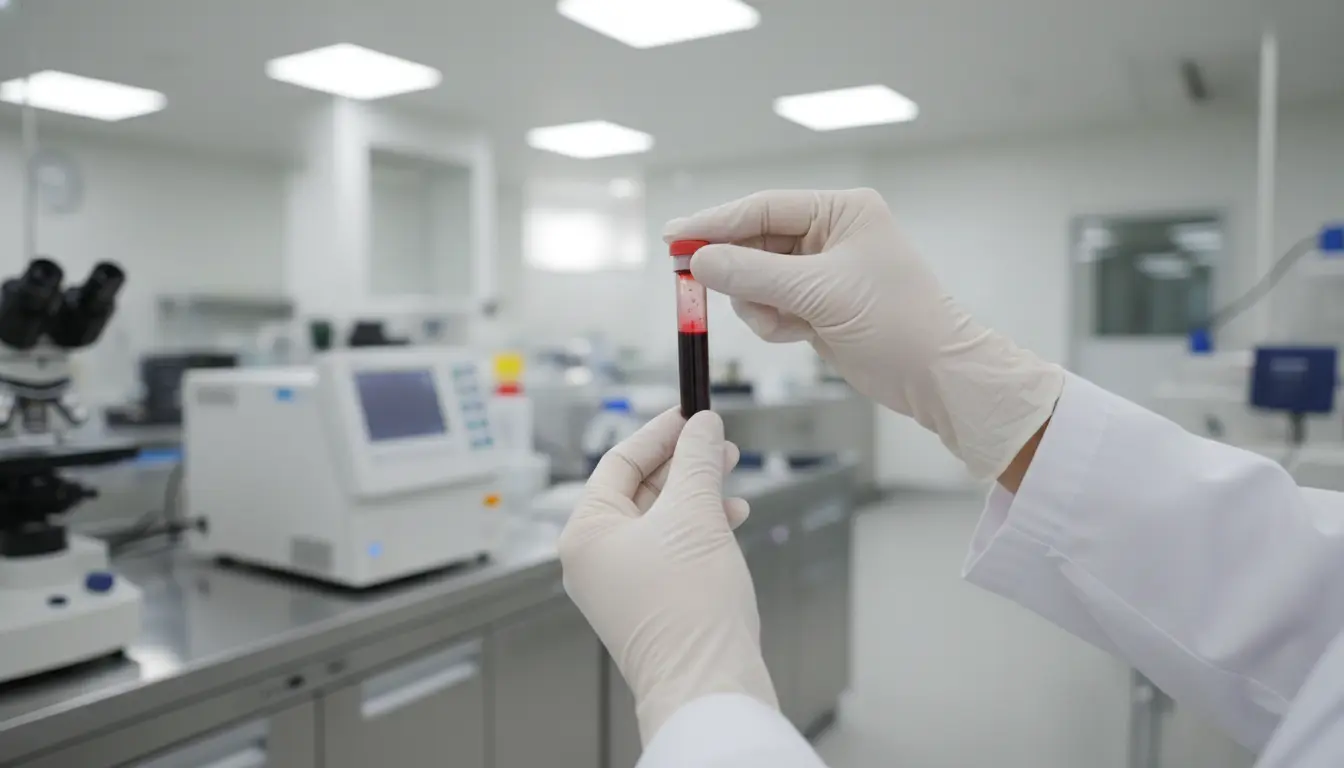
The technology underlying NIPPT is based on the discovery of "cell-free fetal DNA (cffDNA) in maternal blood," first reported by Dennis Lo and colleagues in 1997 [ref:7]. During pregnancy, small amounts of fetal-derived DNA fragments circulate in the mother's blood via the placenta. This fetal-derived DNA increases as pregnancy progresses, and generally a sufficient amount for testing is available from around the 7th week of pregnancy [ref:3].
In NIPPT, this cffDNA in maternal blood is compared and analyzed against the DNA of the presumed father (collected via a buccal swab, for example). Specifically, thousands to tens of thousands of DNA markers, such as SNPs (single nucleotide polymorphisms) and STRs (short tandem repeats), are analyzed, and paternity is determined statistically. This comprehensive analytical approach achieves an extremely high accuracy of over 99.9% [ref:1].
What matters most is that this test is completed using only a maternal blood sample. Because no instrument needs to be inserted into the uterus, there is no risk of miscarriage or infection, ensuring maximum safety for both mother and fetus. Services that allow easy sample collection at home using a kit are also becoming more widespread [ref:4].
Why Is Prenatal Paternity Testing Necessary?

Prenatal paternity testing is not simply about satisfying curiosity. It carries very important meaning for those involved. Below, we explain the main reasons from four perspectives.
1. For Emotional Reassurance and Preparation
One of the biggest reasons is to gain emotional peace of mind. In cases of unplanned pregnancy or relationships with multiple men, uncertainty about who the father is can be a huge emotional burden for the pregnant woman.
Stress and anxiety during pregnancy have been shown to raise maternal cortisol (stress hormone) levels, which may negatively affect fetal development [ref:8]. By clarifying the parent-child relationship during pregnancy, the mother can approach childbirth with peace of mind and mentally prepare for raising the child.
For the partner as well, certainty about being the father is essential for fostering love for and a sense of responsibility toward the child. When paternity is scientifically confirmed, it is not uncommon for the father to become actively involved in preparing for childcare from during the pregnancy.
2. Prenatal Discussion and Building a Cooperative Relationship
Once the father is confirmed, specific discussions about raising the child and child support can begin before birth. By making arrangements in advance—such as whether to co-parent, how child support will be handled, and so on—a smooth cooperative relationship can be built.
Especially for couples who are not married, arrangements made in advance regarding the sharing of birth expenses, preparation of items needed for childcare, deciding the child's name, and post-birth living plans have the effect of preventing trouble after the birth. The postpartum recovery period is the most delicate time for the mother, and adding further stress during this period is not desirable for the health of mother and child.
3. Clarifying Legal Rights and Obligations
The results of paternity testing are directly linked to clarifying legal rights and obligations. Under Japanese law, a child born to a married couple is subject to the presumption of legitimacy, but if the parents are not married, the father must legally acknowledge the child. Confirming paternity through testing during pregnancy is a great help in smoothly carrying out the following legal procedures [ref:5].
- Filing for acknowledgment: The results of paternity testing serve as powerful evidence for a legal acknowledgment claim. In particular, in compulsory acknowledgment lawsuits, DNA test results are treated as decisive evidence.
- Family register entry: Birth notifications must be submitted within 14 days of birth, but if testing is completed during pregnancy, the process can proceed smoothly.
- Arrangements for child support and visitation: Once the father is confirmed, a legal basis is established for claiming child support and making specific arrangements regarding visitation.
4. Avoiding Confusion After Birth
If a child is born without certainty about who the father is, trouble regarding the parent-child relationship may arise after birth. The psychological damage when paternity is denied after birth can be immeasurable. In cases where a man who had already been interacting with the child as the father later learns he is not actually the biological father, everyone involved suffers deep emotional wounds.
By completing testing during pregnancy, confusion and unnecessary stress after birth can be avoided, allowing both parent and child to make a calm start. Being able to build the parent-child bond from immediately after birth on a foundation of confirmed paternity is also extremely important for the child's healthy development [ref:5].
The Process of Prenatal Paternity Testing
Prenatal paternity testing (NIPPT) proceeds through the following steps. We explain each step so that those considering the test for the first time can easily understand the process.
- Consultation/Inquiry: First, contact a trustworthy testing institution to confirm the details of the test, the cost, and the requirements. If you have any concerns, ask the specialist staff at this stage.
- Receiving the test kit: The testing institution sends a kit for sample collection. Detailed instructions for collecting the presumed father's DNA (such as a buccal swab) are also included.
- Collecting and sending samples: The pregnant woman has blood drawn at a designated medical institution, and the presumed father collects a buccal swab at home. The collected samples are sent to the testing institution.
- DNA analysis: At the testing institution's lab, the cffDNA (fetal-derived DNA) in the maternal blood is compared and analyzed against the presumed father's DNA. Highly precise analysis using SNP markers and similar tools is performed.
- Notification of results: The test results arrive as a report. Results are typically available within 1–2 weeks after the samples arrive. You can also consult with specialist staff about any questions regarding the results or how to proceed.
Points to Consider When Thinking About Prenatal Paternity Testing
Prenatal paternity testing is extremely useful, but there are several points to keep in mind when considering it [ref:2].
- Timing of the test: NIPPT is available from the 6th week of pregnancy onward, but since the amount of fetal-derived DNA increases as pregnancy progresses, testing from around the 7th–8th week onward is generally considered to yield more stable results.
- Choosing a trustworthy institution: It is essential to choose a testing institution with a proven track record and high reliability. International quality standards such as ISO certification, acquisition of a Privacy Mark, and the aftercare system provided after testing are all important criteria for selection.
- Cost: Compare costs across multiple institutions, but it's important to make a comprehensive judgment that considers not just low cost but also testing accuracy, reliability, and support systems.
- Emotional preparation for the results: Test results can sometimes be unexpected. It's also important to prepare yourself mentally to accept whatever result comes out. Consider using psychological counseling if needed.
- Whether the results can be used legally: If you want to use the test results for legal procedures, you need to choose a testing plan that supports legal testing. Because sample handling and identity verification procedures differ between private and legal testing, clarify your purpose in advance and consult with the institution [ref:5].
Comparison With Postnatal Paternity Testing
Prenatal paternity testing and postnatal paternity testing each have their own characteristics. Let's check the main differences in the table below.
| Comparison item | During pregnancy (NIPPT) | After birth |
|---|---|---|
| When testing is possible | From the 6th week of pregnancy | Immediately after birth |
| Sample collection method | Maternal blood draw + presumed father's buccal swab | Child's and presumed father's buccal swab |
| Risk to fetus/child | None (non-invasive) | None |
Neither test poses a physical risk to the child, but the greatest advantage of testing during pregnancy is that "the results are known before birth." By clarifying paternity before birth, you can prepare for legal procedures, formulate a childcare plan, and secure emotional stability. This is a time and emotional advantage that cannot be obtained through postnatal testing [ref:4].
Summary
Prenatal paternity testing brings many benefits to the pregnant woman, her partner, and the child to be born. It resolves uncertainty about who the father is and provides emotional reassurance. It allows discussion about childcare after birth and the building of a cooperative relationship in advance. And it secures the child's legal rights and ensures future stability. All of these are reasons why prenatal paternity testing is meaningful.
Especially with recent advances in NIPPT technology, it has become possible to determine paternity from as early as the 6th week of pregnancy, with over 99.9% accuracy, without posing any physical risk to the mother or fetus [ref:1]. This technological innovation has made prenatal paternity testing safer and more accessible.
If you are currently worried about paternity during pregnancy, we strongly recommend not struggling alone but consulting a trustworthy specialist institution. Getting the right information and making the best choice will be the first step toward building a bright future for you and your child.
\Find out who your baby's father is during pregnancy/
 Apply / Purchase Kit
Frequently Asked Questions
Q1. From how many weeks of pregnancy can prenatal paternity testing (NIPPT) be done?
A. NIPPT is generally available from the 6th week of pregnancy onward. However, because the amount of fetal-derived DNA (cffDNA) increases as pregnancy progresses, some institutions recommend testing from the 7th–8th week onward for more stable results. Please check with the testing institution you are considering for the specific timing available.
Q2. Does NIPPT have any adverse effects on the fetus?
A. Since NIPPT is a non-invasive test performed using only a blood draw from the pregnant woman's arm, there is no physical risk to the fetus. Unlike conventional amniocentesis or chorionic villus sampling, which require inserting a needle into the uterus, there is no risk of miscarriage or infection, and the test can be performed safely.
Q3. How accurate is the test?
A. NIPPT is extremely accurate, with paternity determined correctly with over 99.9% probability. This high accuracy is achieved through the use of cutting-edge technology that comprehensively analyzes thousands to tens of thousands of DNA markers.
Q4. Can the test results be used for legal procedures?
A. If you want to use the test results for legal procedures such as an acknowledgment claim or child support claim, you need to choose a testing plan that supports legal testing. In legal testing, identity verification at the time of sample collection, third-party witnessing, and evidence preservation procedures are strictly carried out. Since the results of private testing may not have legal effect, choose the appropriate plan based on your purpose.
Q5. Is testing possible even if there are multiple presumed fathers?
A. Yes, it is possible. Even if there are multiple presumed fathers, submitting a DNA sample (such as a buccal swab) from each individual allows determination of which person is the biological father. Please consult the testing institution for detailed testing methods and costs.
Q6. How long does the test take?
A. Generally, it takes about 1–2 weeks from when the sample arrives at the testing institution until the results are available. However, the required time may vary depending on the testing institution and the plan chosen. Some institutions offer express service for urgent cases, so please check in advance.
Q7. What is the difference between NIPPT and conventional amniocentesis?
A. The biggest difference is the invasiveness of the test. Conventional amniocentesis requires inserting a needle into the uterus to collect amniotic fluid, which carries a small risk of miscarriage (approximately 0.1–0.3%). NIPPT, on the other hand, is a non-invasive test completed using only a blood draw from the pregnant woman's arm, posing no physical risk to the mother or fetus. Both offer high accuracy, but NIPPT is far superior in terms of safety.
Reassuring Support From seeDNA Genetic Medicine Research Institute
seeDNA Genetic Medicine Research Institute is a trusted and reliable specialist institution for DNA testing and genetic testing, holding both the international quality standard ISO9001 and the Privacy Mark for privacy protection.
If you are troubled by questions about blood relationships within your family or between parent and child, or about a partner's infidelity, our DNA testing experts are here to provide reassuring support—please feel free to contact us.
[Free Consultation With Specialist Staff]

If you have any questions,
please feel free to contact our toll-free number.
\Open every day, including weekends/
Business hours: Mon–Sun 9:00 AM–6:00 PM
(excluding holidays)
Author
Pharmacist
Takeshi Uenishi
After graduating from the Faculty of Pharmaceutical Sciences at Setsunan University in 2016, he gained extensive clinical experience as a hospital pharmacist.
He later worked in regulatory affairs and quality assurance at a pharmaceutical manufacturer, and currently works at a medical device and in-vitro diagnostics manufacturer.
On a personal basis, he runs a blog sharing information for pharmacy students.