
Rewritten on: March 27, 2025
Urine itself contains no cell nuclei, so DNA testing is generally not possible, but DNA can sometimes be detected from urethral epithelial cells and other material mixed into the urine. The most reliable sample is oral epithelium, and testing is also possible with items such as toothbrushes and hair.
- ・DNA testing with urine is difficult
- ・However, there are cases where DNA can be detected from collected urine
- ・The sample with the highest success rate is "oral epithelium"
- ・Toothbrushes, hair, and cigarette butts can also be tested
- ・The relationship between other bodily fluids and DNA testing
- ・Feel free to contact us
DNA testing with urine is difficult
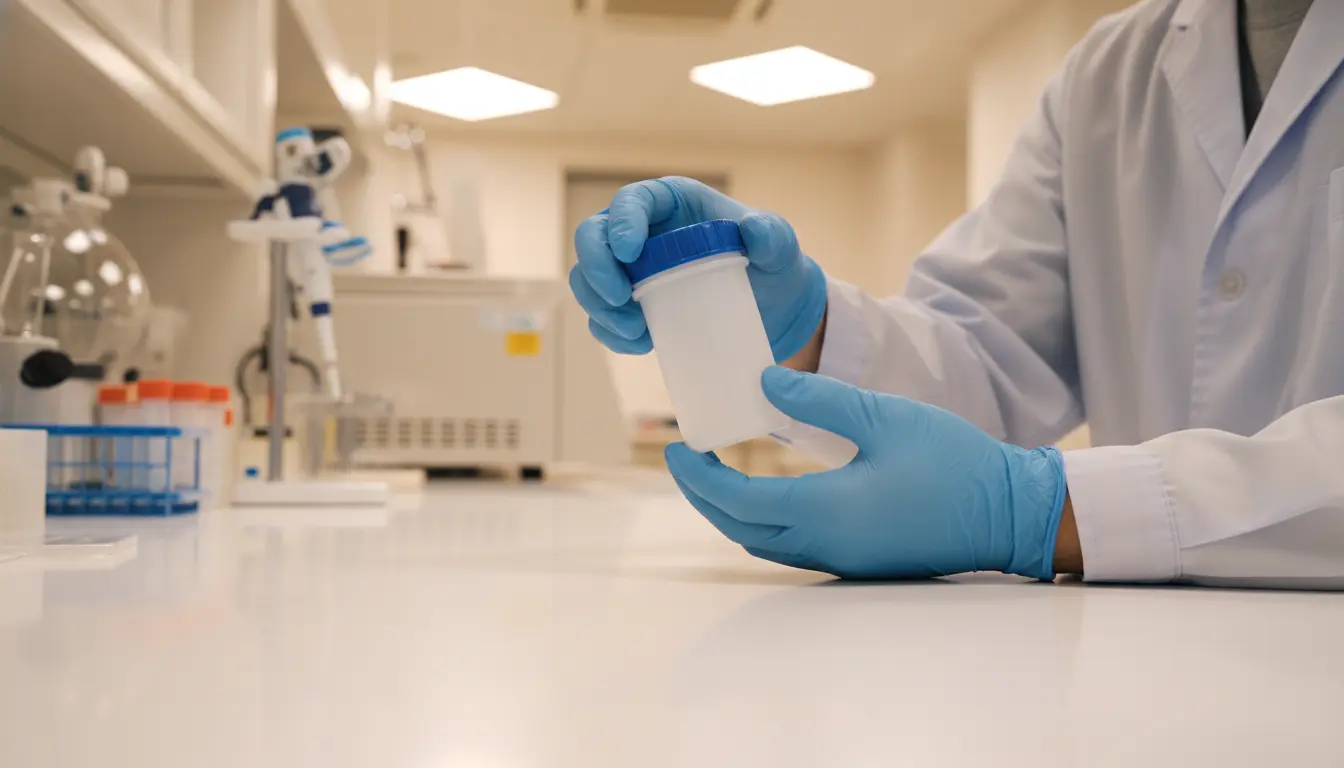 Because of images of urine-based sports doping tests and drug tests in criminal investigations, many people may think that "DNA testing might also be possible with urine." Since TV dramas and movies sometimes depict scenes of identifying individuals from urine samples, this is one of the topics that the general public tends to confuse.
First, it's important to correctly understand the composition of urine. Urine is over 95% water in composition, and also contains urea, uric acid, inorganic salts (sodium, potassium, chlorine, etc.), ammonia, creatinine, urochrome (the pigment responsible for urine's yellow color), and trace amounts of amino acids, hormones, and vitamins [ref:1]. These components are metabolic products and waste, and none of them are cells themselves.
On the other hand, to conduct DNA testing, the sample submitted must generally contain a cell nucleus. This is because human genomic DNA exists within the nucleus of a cell. To be precise, mitochondrial DNA (mtDNA) exists within mitochondria in the cytoplasm, but STR (Short Tandem Repeat) analysis, which is used for personal identification, requires nuclear DNA [ref:2].
In conclusion, because urine itself contains no cell nucleus, DNA testing cannot be performed on it. Doping tests and drug tests examine the chemical reactions of drugs and their metabolites contained in urine, which is based on an entirely different principle from DNA testing. A urine test detects "traces of substances taken into the body," whereas DNA testing analyzes "a person's unique genetic information." Understanding this fundamental difference is important.
However, there are cases where DNA can be detected from collected urine
This refers to cases where urine contains epithelial cells (skin cells) shed from the urethra, along with trace amounts of blood or other bodily fluids. After urine is produced in the kidneys, it passes through the ureters, bladder, and urethra before being expelled from the body, and during this process, transitional epithelial cells lining the urinary tract can shed and mix into the urine.
Current DNA analysis technology has advanced dramatically, and amplification techniques such as PCR (polymerase chain reaction) make it possible to detect and analyze DNA even from an extremely small number of cell nuclei [ref:3]. In particular, real-time PCR and Next Generation Sequencing, technologies that have become widespread in recent years, have extremely high sensitivity, and in theory it is possible to obtain a DNA profile from just a few cells.
However, extracting DNA from urine is still only a "possibility," and is heavily influenced by conditions such as the following.
- The time elapsed and storage conditions between urine collection and DNA extraction: the more time passes, the more DNA degrades, making detection more difficult.
- The amount of epithelial cells contained in the urine: this varies greatly depending on individual differences and the timing of collection.
- The state of bacterial growth: bacteria multiply rapidly in urine left at room temperature, accelerating DNA degradation.
- The technical capability of the testing institution: analyzing trace samples requires advanced technology and equipment.
As such, DNA testing using urine as a sample is by no means impossible, but because the success rate is low and uncertain, it is strongly recommended to choose a different sample type if you want to reliably carry out DNA testing.
The sample with the highest success rate is "oral epithelium"
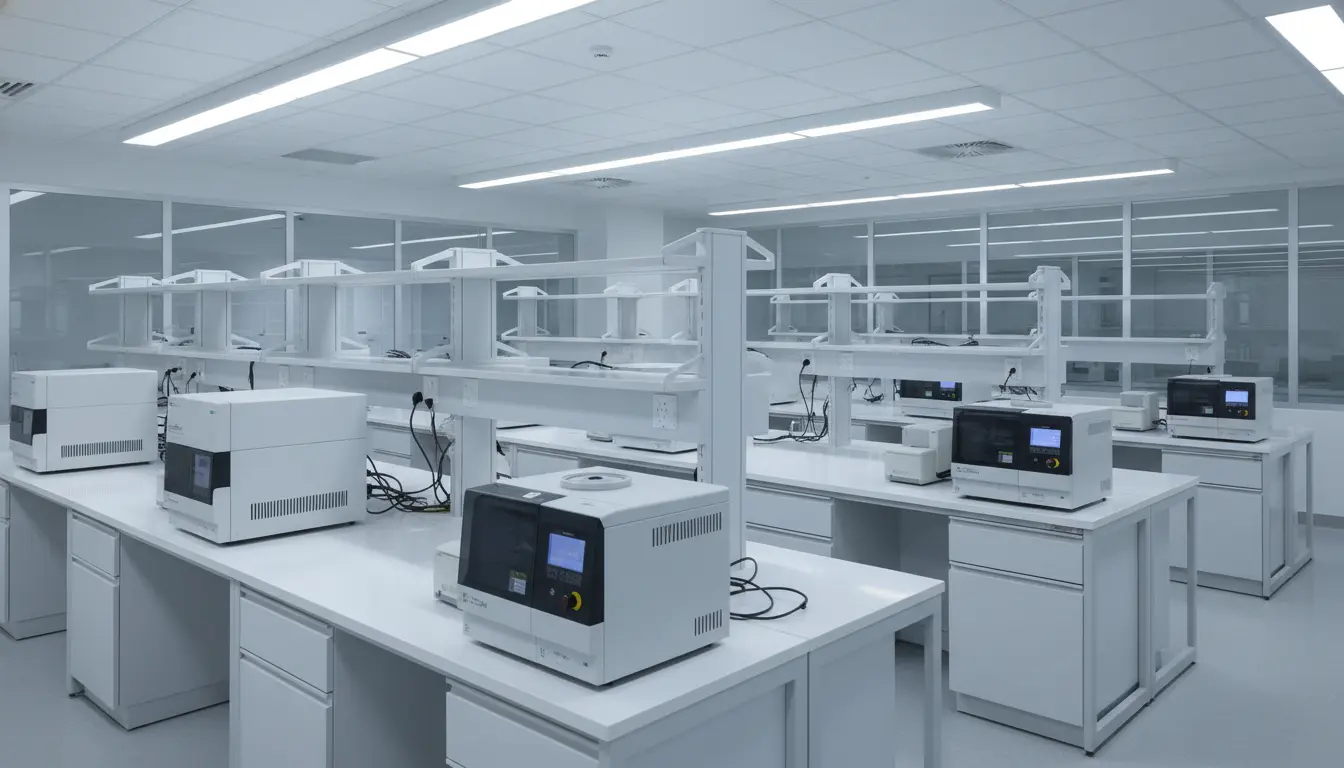 The sample with the highest success rate for DNA testing is "oral epithelium (buccal swab)", the mucosal cells inside the mouth. A very simple method of lightly swabbing the inside of the mouth with a dedicated swab is enough to collect a sufficient amount of DNA, and DNA testing is possible with almost complete certainty. Because it is painless, it can be safely and easily collected even from newborn babies [ref:4].
The reasons oral epithelium is optimal for DNA testing are as follows.
- Abundance of cells: The oral mucosa has an active metabolism, so a large number of epithelial cells can be collected simply by lightly swabbing.
- DNA quality: The DNA contained in freshly collected oral epithelial cells has undergone little degradation and remains in high quality.
- Non-invasiveness: Unlike blood collection, there is no burden on the body at all, so samples can be collected regardless of age or health condition.
- Ease of collection: No specialized medical equipment is needed, and samples can be easily collected and mailed even from home.
Please refer to the video below for guidance on collecting an oral epithelium sample.
Toothbrushes, hair, and cigarette butts can also be tested
Besides oral epithelium, there is a wide range of samples that can be used for DNA testing. Anything that may have cells attached to it can generally be used for DNA testing, including a toothbrush that has been used multiple times, hair with the root attached, cigarette butts, and semen.
The important point here is "whether a cell nucleus is present." For example, in the case of hair, the hair shaft alone contains almost no nuclear DNA, so hair with the root (hair bulb) attached is needed. On the other hand, toothbrushes and cigarette butts often have oral mucosal cells attached to them, making it highly likely that DNA can be extracted from them.
Below is a summary of representative sample types and their approximate DNA testing success rates.
| Sample type | Approximate success rate | Notes |
|---|---|---|
| Oral epithelium (swab) | Very high | Most recommended sample |
| Toothbrush | High | Should be used multiple times |
| Hair with root | Medium to high | Root must be present |
For more information on samples that can be tested, please also refer to the page below.
The relationship between other bodily fluids and DNA testing
Here is some supplementary information on the relationship between bodily fluids other than urine and DNA testing. Blood contains white blood cells, which have nuclei and are therefore suitable samples for DNA testing. Saliva also contains numerous oral epithelial cells, so DNA can sometimes be detected from things like the glued flap of an envelope or the rim of a cup [ref:5].
Sweat, like urine, contains almost no cell nuclei, making it unsuitable for DNA testing. However, sweat stains on clothing sometimes contain mixed-in epidermal cells shed from the skin, from which DNA can occasionally be detected.
As shown above, whether DNA testing is possible and its success rate vary greatly depending on the type of bodily fluid. When considering DNA testing, it is important to consult a specialized institution about what kind of sample you have on hand and choose the best method.
Feel free to contact us
Our company (seeDNA Forensic Science Laboratory) provides customer support every day, Monday through Sunday, so we can help customers who have concerns. If you find yourself wondering, "What should I do if urine is the only sample I have?" or "Is DNA testing possible even in a case like this?", please feel free to contact us first. Our specialized staff will respond to you carefully.
Frequently Asked Questions
Q1. Can DNA testing be done with urine?
A. Urine itself is over 95% water and contains no cell nuclei, so in principle DNA testing cannot be performed on it. However, if epithelial cells shed from the urethra are mixed into the urine, it may be possible to detect trace amounts of DNA. If you want reliable results, we recommend other samples such as oral epithelium.
Q2. Why can a drug test be done with urine but not a DNA test?
A. Drug tests (such as doping tests) examine the chemical reaction of drugs or their metabolites dissolved in urine, and do not require a cell nucleus. DNA testing, on the other hand, requires a cell nucleus, where DNA is stored, because it analyzes a person's genetic information. Since the underlying principles of these tests are completely different, a drug test can be conducted with urine even though DNA testing is difficult.
Q3. What sample has the highest success rate for DNA testing?
A. The sample with the highest success rate is "oral epithelium (buccal swab)." A sufficient amount of DNA can be collected simply by lightly swabbing the inside of the mouth with a dedicated swab, and because it is painless, it can be used by a wide range of people from newborns to adults.
Q4. What kind of hair is needed for DNA testing with hair?
A. To perform DNA testing with hair, the hair must have the root (hair bulb) attached. Cut hair (shaft only) contains almost no nuclear DNA, making testing difficult. Hair that has fallen out naturally, or hair that has been pulled out with a visible root, is suitable.
Q5. Can DNA testing be done with bodily fluids other than urine, such as sweat or tears?
A. Sweat and tears themselves contain almost no cell nuclei, making them unsuitable for DNA testing. However, clothing soaked with sweat sometimes has epidermal skin cells attached, from which DNA can be detected in some cases. Blood and saliva contain cells (white blood cells and oral epithelial cells respectively), making them bodily fluids that are easier to use for DNA testing.
Q6. Can I request DNA testing by collecting a sample at home and mailing it in?
A. Yes, this is possible. We provide a dedicated collection kit delivered to your home, and after you collect a sample such as oral epithelium yourself, you can mail it back to us. Detailed instructions are available in the enclosed instruction sheet and in videos on our website.
seeDNA Genetic Medicine Research Institute's Trusted Support
seeDNA Genetic Medicine Research Institute is a trusted and reliable specialized institution for DNA testing and genetic testing, certified with the international quality standard ISO9001 and the Privacy Mark for privacy protection.
If you are troubled by questions about family or parent-child relationships, or a partner's infidelity, our DNA testing experts will provide you with reliable support, so please feel free to contact us.
[Free consultation with specialized staff]

If you have any questions,
please feel free to contact our toll-free number.
/Open on weekends too/
Business hours: Monday–Sunday 9:00-18:00
(excluding public holidays)
 Author
Dr. Kihan Tomikane, M.D.
Graduated from the University of Tsukuba Graduate School, Master's/Doctoral Program in Biosystem Studies and Molecular Medicine
In 2017, developed prenatal DNA testing(Patent 7331325) using Japan's first trace DNA analysis technology(Patent 7121440)