
Rewritten on: August 5, 2024
To obtain accurate DNA testing results, the method of collecting and storing samples is extremely important. This article explains three key points: fully drying buccal epithelial cells, taking care with eating and drinking before collection, and preventing contamination from other people's samples.
- ・What You Need for DNA Testing and Sample Collection Methods to Improve Success Rates
- ・The Difference Between Legal DNA Testing and Private DNA Testing
- ・What Happens If There Is a Problem with the Sample
- ・Three Key Points to Improve Sample Collection Success Rates
- └ 1. Always Store the Sample in a Completely Dry State
- └ 2. Be Careful About Eating and Drinking Before Collection
- └ 3. Prevent Contamination from Other People's Samples
- ・Why Buccal Epithelial Cells Are an Excellent Sample
- ・Precautions When Returning the Sample
- ・Your Cooperation Is Essential for Accurate Results
What You Need for DNA Testing and Sample Collection Methods to Improve Success Rates
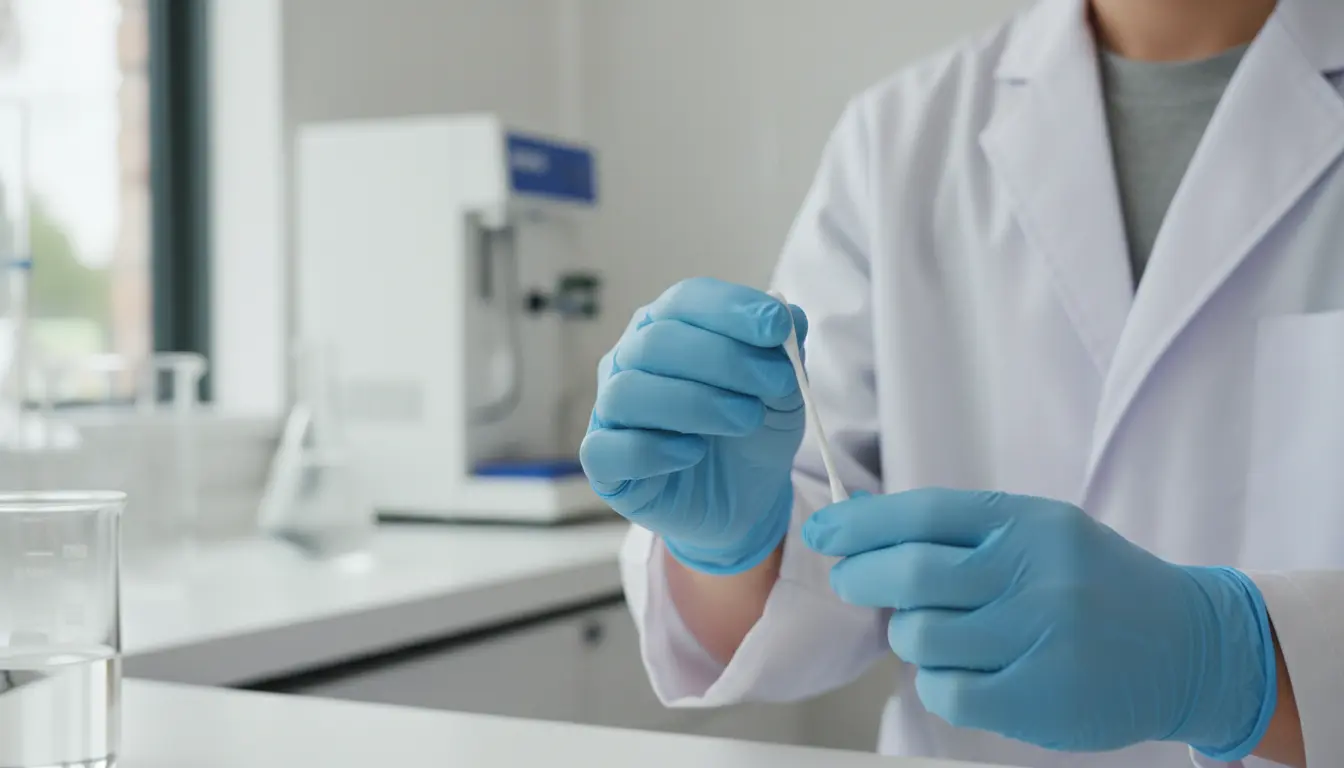 DNA testing is an important analytical method used in various situations, such as confirming parent-child relationships or as evidence in court proceedings. However, no matter how precise the analysis technology is, accurate results cannot be obtained if the quality of the sample itself is poor. The accuracy and reliability of DNA testing are greatly affected by the sample collection method, storage condition, and submission method [ref:1]. This article explains in detail the importance of sample collection in DNA testing and specific precautions to take.
The Difference Between Legal DNA Testing and Private DNA Testing
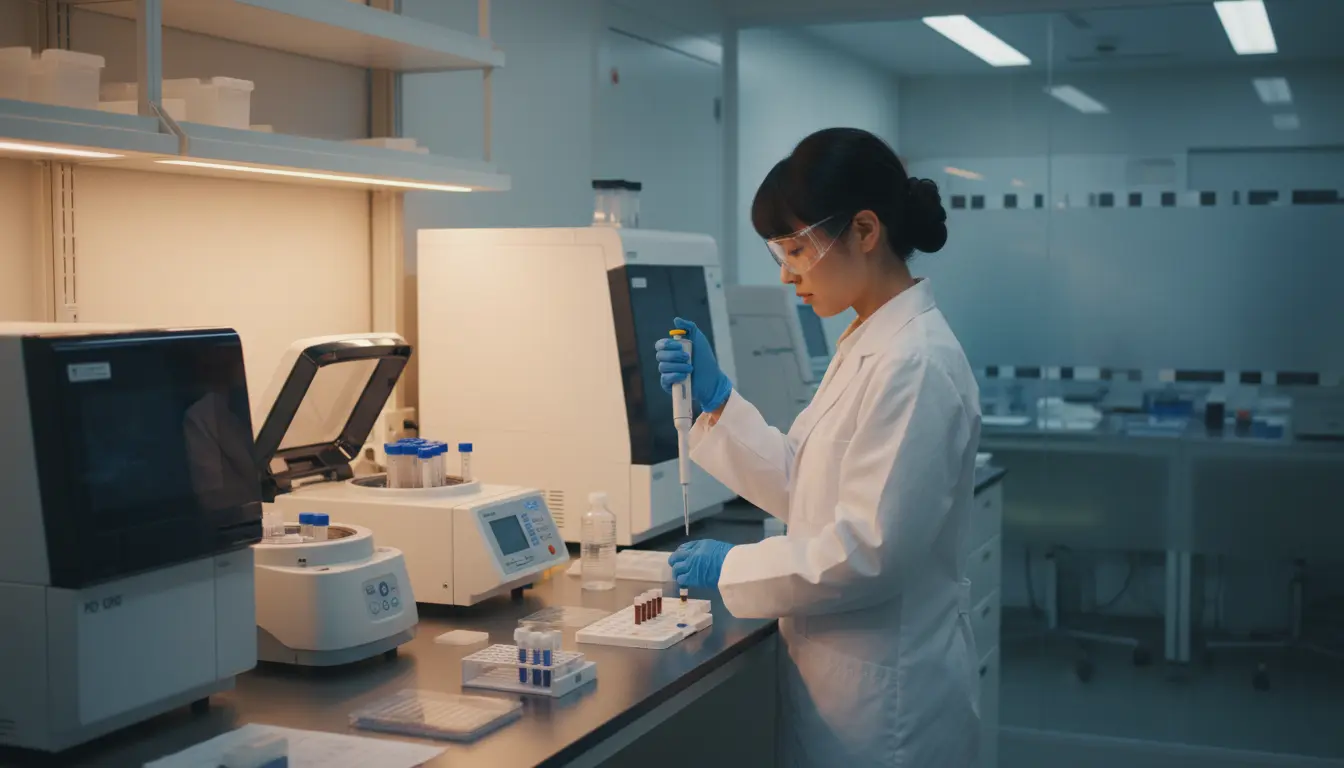 DNA testing is broadly divided into two types: "legal DNA testing" and "private DNA testing." For legal DNA testing submitted to public institutions such as courts or immigration authorities, photo ID for all subjects is required. A driver's license or passport qualifies, but if the only ID available is a health insurance card without a photo, two forms of identification, such as a resident registration card, are required.
Unlike private DNA testing, in legal DNA testing subjects cannot collect their own samples at home. From sample collection through document preparation, everything is carried out under the supervision of trained staff. The samples that can be used are also limited to buccal epithelial cells (mucosal cells from the inside of the mouth) — everyday samples such as a toothbrush or hair cannot be used [ref:2]. This is a strict procedure to legally guarantee the identity and authenticity of the sample.
Private DNA testing, on the other hand, allows subjects to collect their own samples at home, making it much easier to carry out. However, precisely because it is so convenient, it becomes all the more important to follow the correct procedures to ensure sample quality.
What Happens If There Is a Problem with the Sample
 In the unlikely event that a sample you send us is contaminated or does not yield the necessary amount of DNA, we will promptly notify you of the situation. We will then conduct the test again once you submit a new sample. As long as the sample you provide is a buccal epithelial sample, retesting is free of charge no matter how many times it is needed, so please rest assured.
Also, if you collect the sample exactly as described in our sample collection kit instructions, even a single swab (buccal epithelial cells) can yield enough DNA for dozens of tests. Human oral mucosal cells have very active metabolism, and a sufficient amount of cells can be collected simply by lightly rubbing the swab [ref:3]. Be sure to follow the instructions of the DNA testing kit and check the following three points.
Three Key Points to Improve Sample Collection Success Rates
1. Always Store the Sample in a Completely Dry State
The swab included with our DNA testing kit is a sterilized medical-grade swab, so it is safe to put in the mouth. It can be used safely even on a newborn baby.
However, what is extremely important here is drying after collection. The human oral cavity contains more than 100 times as many microorganisms as the water pooled in a toilet bowl [ref:4]. If even a small amount of moisture remains, microorganisms will rapidly multiply using the saliva on the swab as a food source, and will end up breaking down the subject's DNA as well. Microorganisms can break down human cells and DNA in as little as a day, which greatly increases the risk of failing to obtain a result.
DNA degradation is mainly caused by an enzyme called DNase (deoxyribonuclease). When these enzymes, produced by microorganisms, become active in a moist environment, the DNA that was so carefully collected rapidly deteriorates [ref:5]. Therefore, be sure to let the collected swab fully air-dry naturally in a well-ventilated place before placing it in the included envelope or container for storage and return shipping. Never place a swab that is still damp into a sealed plastic bag.
2. Be Careful About Eating and Drinking Before Collection
Eating or drinking before collecting a sample does not change the DNA itself. No matter what you eat or drink, your own DNA sequence will never change. However, special care is needed in the case of babies. If a baby drinks breast milk immediately before sample collection, there is a risk that the mother's DNA will get mixed into the baby's oral cavity.
Breast milk is known to contain cells derived from the mother (such as white blood cells), and if the DNA from these cells contaminates the sample, it could affect the test results [ref:3]. To avoid this risk, we recommend collecting the sample at least one hour after the baby has breastfed. After about an hour, the baby's saliva and the oral cavity's self-cleaning action will wash away most of the cells derived from breast milk.
Also, even for adults, consuming coffee or heavily colored foods and drinks right before collection can make the swab visibly dirty, so it is a good idea to rinse your mouth lightly with water before collecting. However, do not collect immediately after rinsing — wait a few minutes so that enough oral mucosal cells adhere to the swab.
3. Prevent Contamination from Other People's Samples
DNA testing is such a sensitive technology that it can detect and analyze even extremely tiny amounts of DNA. Because the PCR (polymerase chain reaction) method is used to amplify the DNA, even slight contamination can seriously affect the results [ref:6]. If cells or germs from another person get mixed into the sample, correct results cannot be obtained.
When collecting a sample, please pay close attention to the following points.
- Make sure no one other than the subject ever touches the tip of the swab
- If helping a child collect a sample, be sure to clean your hands first
- Never put different people's swabs in the same envelope
- Always store each subject's swab in a separate envelope
- Wearing gloves during collection is recommended (especially for legal testing)
In particular, in situations where samples are collected from multiple people at the same time, there have been rare reports of swabs accidentally being mixed up or placed in the same envelope. Be sure to fully complete the process for one person before moving on to collecting from the next subject.
Why Buccal Epithelial Cells Are an Excellent Sample
Buccal epithelial cells (mucosal cells from the inside of the cheek) are the most widely used sample in DNA testing. There are many reasons for this. First, the oral mucosa is a tissue with extremely active cell turnover, constantly producing new cells, so a large number of cells can be collected non-invasively simply by lightly rubbing with a swab. Because it does not involve pain like a blood draw, samples can be safely obtained from people of any age, including newborns and infants [ref:1].
In addition, the DNA extracted from buccal epithelial cells is of high quality, providing sufficient quantity and quality for standard DNA testing methods such as STR (Short Tandem Repeat) analysis. This is why, if you collect the sample as instructed in our sample collection kit, even a single swab can yield a sufficient amount of DNA.
Precautions When Returning the Sample
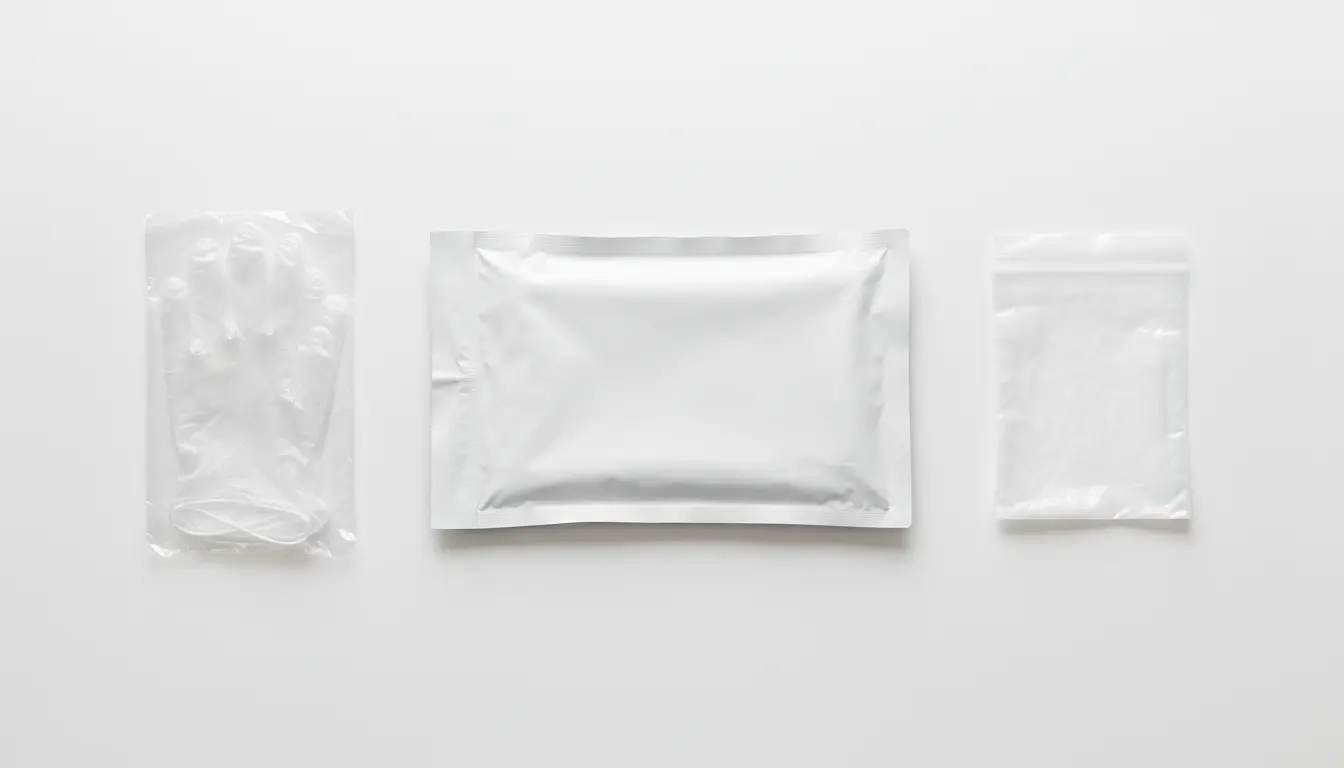
There are also several important precautions when returning a collected sample. Please place the fully dried swab in the included paper envelope for return shipping. Sealing it in a plastic bag or plastic container can trap moisture inside, potentially leading to microbial growth and DNA degradation. Paper envelopes are breathable, making them suitable for maintaining a dry condition.
It is also important to avoid storing and mailing the sample in direct sunlight or in hot, humid conditions. DNA is relatively stable against heat and ultraviolet light, but prolonged exposure to high temperatures and humidity can accelerate DNA degradation [ref:5]. We recommend returning the sample as promptly as possible after collection.
Your Cooperation Is Essential for Accurate Results
The accuracy of DNA testing depends not only on the technical capability of the testing institution, but also greatly on the customer collecting an accurate sample and returning it properly. We conduct testing using state-of-the-art analytical equipment under a strict quality control system, but in order to make full use of that analytical capability, a good-quality sample is essential.
For more details on how to collect a sample using the DNA testing kit, please also see our How DNA Testing Works page. By collecting and storing the sample using the correct method, we can deliver fast and accurate test results.
Frequently Asked Questions
Q1. What is the difference in required documents between legal DNA testing and private DNA testing?
A. Legal DNA testing requires photo ID (such as a driver's license or passport) for all subjects. If the only ID available is a health insurance card without a photo, two forms of identification, such as a resident registration card, are required. In addition, sample collection and document preparation are conducted under the supervision of trained staff. With private DNA testing, you can collect the sample yourself at home, and these documents are not required.
Q2. If sample collection fails, is there an additional fee?
A. As long as it is a buccal epithelial sample (collected with a swab), retesting is free of charge no matter how many times it is needed. If the sample is contaminated or does not yield the necessary amount of DNA, we will contact you promptly, and once you resubmit a new sample, we will conduct the retest at no additional cost.
Q3. What happens if the swab is not dried sufficiently?
A. If moisture remains on the swab, microorganisms in the oral cavity will rapidly multiply using the saliva as a food source, breaking down the subject's DNA. In the worst case, the DNA can be degraded within a day, making testing impossible. After collection, be sure to let it fully air-dry naturally in a well-ventilated place before placing it in the envelope.
Q4. Is it safe to collect a sample from a baby's mouth?
A. Yes, it is safe. The swab included in our DNA testing kit is a sterilized medical-grade swab, so it can be used safely even on a newborn baby. However, because there is a risk of the mother's DNA getting mixed in immediately after breastfeeding, we recommend collecting the sample at least one hour after breastfeeding.
Q5. Can hair or a toothbrush be used for legal DNA testing?
A. In legal DNA testing, only buccal epithelial cells can be used as a sample in order to guarantee the authenticity and identity of the sample. Everyday samples such as hair or a toothbrush may be usable for private DNA testing, but they cannot be used for legal testing. This is because it must be proven that the sample was reliably collected from the person themselves under the supervision of trained staff.
Q6. Is special packaging required when mailing a sample?
A. Please place the fully dried swab in the paper envelope included with the kit before mailing it. Avoid sealing it in a plastic bag or plastic container, as this traps moisture. Also, avoid direct sunlight and hot, humid conditions, and we recommend returning the sample as promptly as possible after collection.
seeDNA Genetic Medical Institute's Reassuring Support
The seeDNA Genetic Medical Institute is a trusted and reliable specialized institution for DNA testing and genetic testing, holding the international quality standard ISO9001 and the Privacy Mark for personal information protection.
If you are troubled by questions about family or parent-child blood relationships, or a partner's infidelity, our DNA testing experts are here to provide reassuring support, so please feel free to contact us.
[Free Consultation by Specialized Staff]
If you have any questions,
please feel free to contact our toll-free number.
/Open every day, including weekends/
Business hours: Mon-Sun 9:00 AM-6:00 PM
(except public holidays)
 Author
Dr. Yoshinori Tomikane, M.D., Ph.D.
Graduated from the Master's/Doctoral program in Biological Regulation and Molecular Informatics Medicine, Graduate School of Comprehensive Human Sciences, University of Tsukuba
In 2017, developed Japan's first prenatal DNA testing(Patent 7331325) using a trace-DNA analysis technology(Patent 7121440)