
Last updated: February 1, 2025
This article explains the rapid development of DNA testing technology since the completion of the Human Genome Project. We cover the evolution from the Sanger method to next-generation sequencers, the co-evolution with computer technology, and the future technology of DNA storage, introducing the history and outlook of DNA analysis.
- ・What Is the Human Genome Project?
- ・An Older Analysis Method — The Achievements and Limits of the Sanger Method
- ・Next-Generation DNA Analysis — The Revolution Brought by NGS
- ・Comparing the Sanger Method and Next-Generation Sequencers
- ・Storing Data in DNA!? — The Future Technology of DNA Storage
- ・The Social Impact of Advances in DNA Testing Technology
- ・Computer Technology and DNA Testing — An Inseparable History of Co-Evolution
What Is the Human Genome Project?
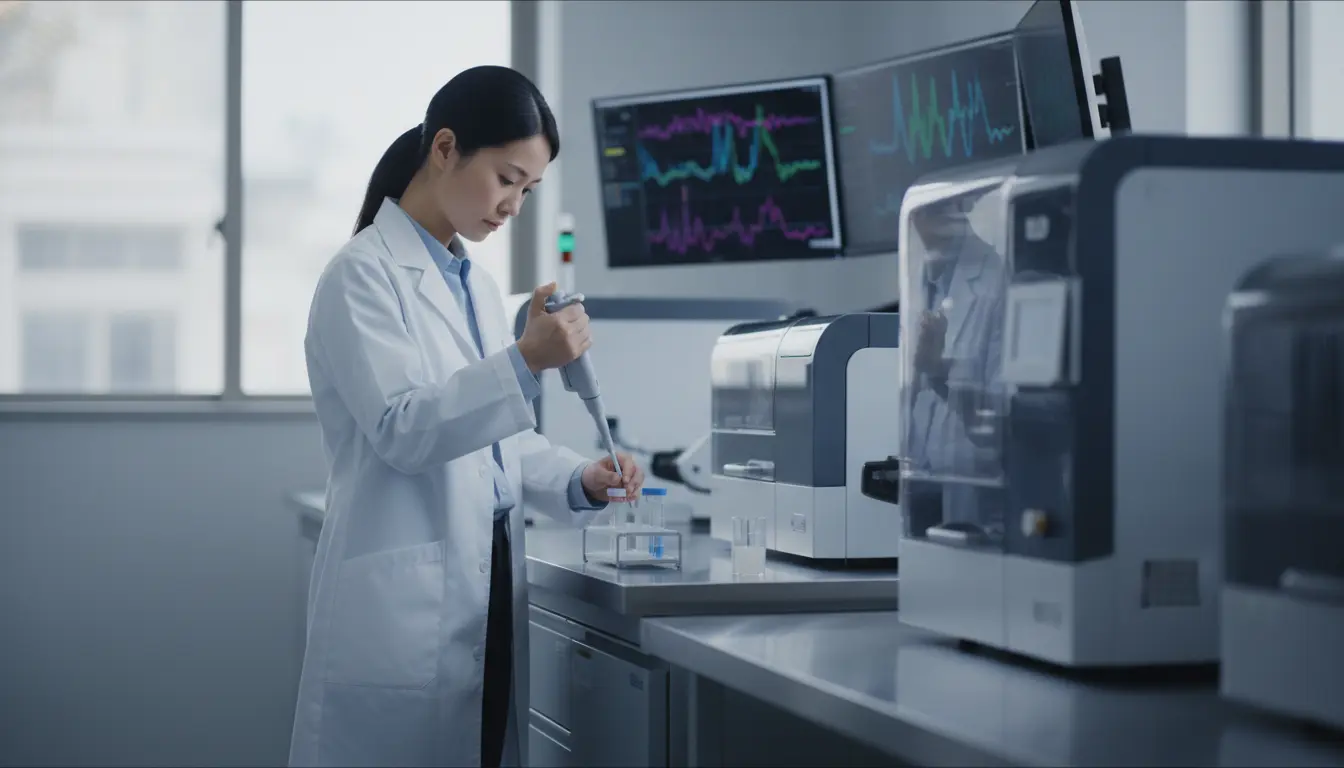 In April 2003, one of the most ambitious projects in the history of science, the "Human Genome Project," was finally completed. The Human Genome Project was a grand international project formally launched in 1990 by the U.S. Department of Energy (DOE) and the National Institutes of Health (NIH) to sequence the entire base sequence of the human genome (human genetic information). Research institutions from around the world—not only the United States but also the United Kingdom, Japan, France, Germany, China, and others—participated, making it truly an international collaborative research effort. [ref:1]
The data obtained from the project is still widely used today as a reference genome—a model of the human genome's base sequence. However, completing it took 13 long years and cost approximately $3 billion. The human genome consists of about 3 billion base pairs, and accurately reading each one required an enormous amount of labor and time given the technology available at the time. [ref:2]
Because analyzing DNA data involves massive computational processing, the development of the computer technology that supports that processing has become an essential element in the progress of DNA analysis. In a previous article titled "The History of Deciphering the DNA Code," we discussed the discovery of the DNA double helix structure by James Watson and Francis Crick, through the history of the race to decipher the genetic code. This time, as a continuation of that story, we will discuss in detail the history of DNA testing, which advanced rapidly once the personal computer emerged as the catalyst.
An Older Analysis Method — The Achievements and Limits of the Sanger Method
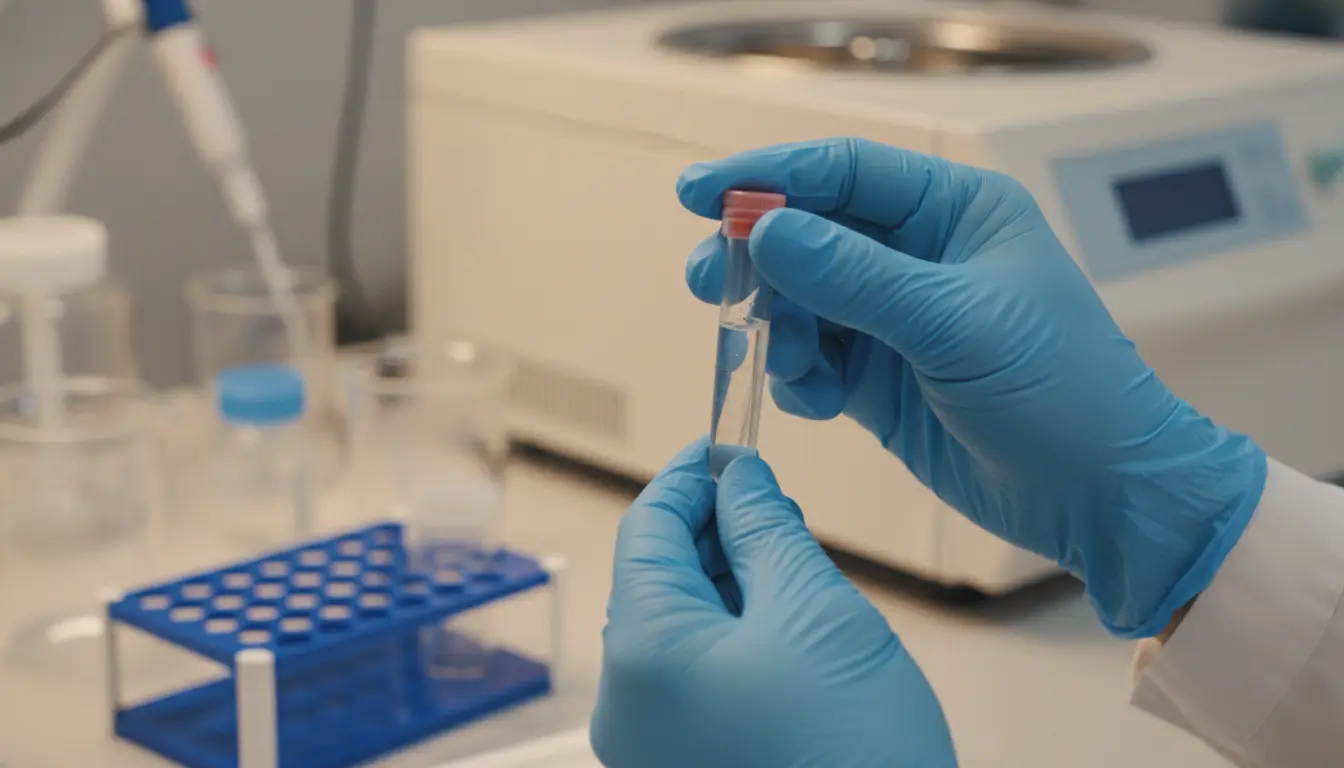 The method mainly used in the Human Genome Project was a DNA base-sequencing technique called the "Sanger method" (the dideoxy method). The Sanger method was published in 1977 by the British biochemist Frederick Sanger. Sanger received the Nobel Prize in Chemistry in 1980 for this achievement—his second Nobel Prize—and the Sanger method has supported research laboratories for many years as a foundational technology for DNA analysis. [ref:3]
The principle of the Sanger method is to incorporate modified bases called dideoxynucleotides (ddNTPs) during DNA replication, which randomly halts the elongation of the DNA strand. The resulting DNA fragments of various lengths are then separated by electrophoresis to read out the base sequence. While this method is highly accurate, the length of DNA fragments that could be read at one time was limited to roughly 500 to 1,000 bases. As a result, decoding a massive genome like the human genome, with its 3 billion base pairs, required the mind-numbing task of individually reading an enormous number of DNA fragments and then reconstructing the whole picture on a computer at the end.
Since its publication, the Sanger method has undergone numerous improvements, including the introduction of fluorescent labeling and the development of capillary electrophoresis devices. However, its fundamental processing-speed limitations remained, and this was one of the major reasons the Human Genome Project took 13 years to complete. Note that the Sanger method is still used today for accurate sequence confirmation of short regions and for final confirmation of mutation analysis, so it has not entirely finished its role. [ref:7]
Next-Generation DNA Analysis — The Revolution Brought by NGS
 "Next-Generation Sequencing" (NGS), which emerged around 2005, brought a revolution to the world of DNA analysis. NGS uses a technique called "massively parallel sequencing," which processes a huge number of fragmented DNA pieces simultaneously, achieving decoding speeds incomparably faster than the Sanger method. [ref:4]
Next-generation sequencers are still widely used today and can detect roughly 15,000 times more data per day than the Sanger method. This dramatic speedup means that genome analysis, which once took years, can now be completed in just a few days. Furthermore, analysis costs have plummeted—the roughly $3 billion it cost to sequence a single human genome at the time of the Human Genome Project has now fallen to under $1,000. [ref:5]
However, even with the ability to rapidly detect vast amounts of data, accurately analyzing all that data depends critically on computer performance. The differences between computers at the time the Human Genome Project was completed in 2003 and computers today can be summarized in the following key points.
- Dramatic improvement in processing speed: Thanks to improved CPU performance and the development of multi-core processing technology, large-scale computational processing of genomic data can now be completed in a short amount of time.
- A major increase in storage capacity: It is now possible to store the enormous amounts of information—on the order of terabytes (1 terabyte = 1,000 gigabytes)—generated by genome sequencing, safely and efficiently.
- The spread of cloud computing: Individual research institutions no longer need to own supercomputers to access high-performance analysis environments in the cloud, greatly expanding the scope of research.
Thanks to improved computer processing speed, DNA analysis that once took years with the Sanger method can now be completed in just a few days with next-generation sequencers. Furthermore, increased storage capacity has made it possible to build large-scale genomic databases. In recent years, AI (artificial intelligence) and machine learning technologies have also been introduced into genomic analysis, further improving the accuracy of mutation detection and analysis speed. [ref:8]
Comparing the Sanger Method and Next-Generation Sequencers
| Comparison Item | Sanger Method | Next-Generation Sequencer (NGS) |
|---|---|---|
| Introduced | 1977 | Around 2005 |
| Processing speed | Slow (a few thousand bases per day) | Extremely fast (billions of bases or more per day) |
| Cost | High cost | Dramatically lower cost |
As is clear from the comparison above, the emergence of NGS dramatically improved both the speed and cost of DNA analysis. However, because the Sanger method offers extremely high read accuracy, it is still used today to verify results obtained from NGS and to precisely analyze short target regions. The two are not competing technologies but rather complementary ones, used according to purpose.
Storing Data in DNA!? — The Future Technology of DNA Storage
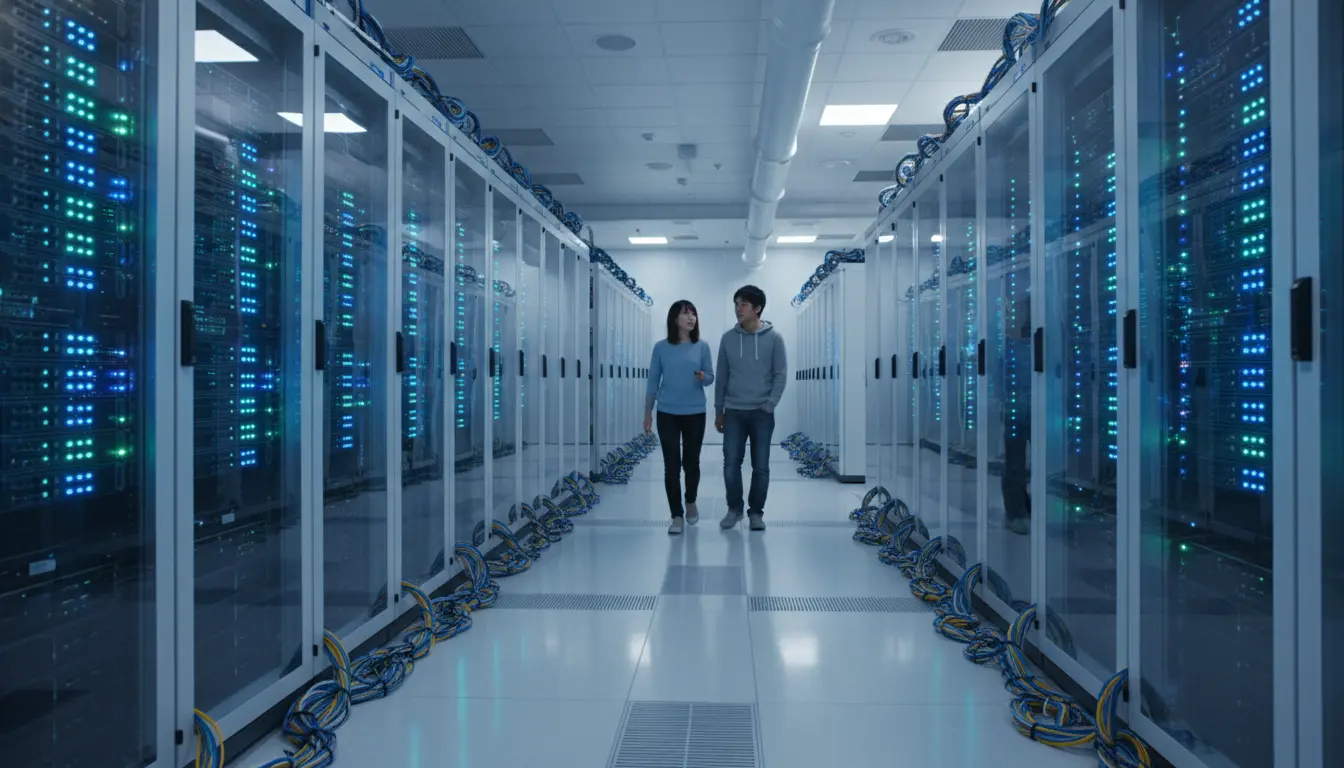
Now that next-generation sequencers have become the mainstream, further advances in DNA testing depend heavily on computer processing speed and storage capacity. And when it comes to storage capacity, researchers and companies around the world are focusing on a groundbreaking method: "storing data in DNA." [ref:6]
This technology, known as DNA storage, converts digital data (binary information of 0s and 1s) into DNA's four bases (A, T, G, and C), writes it into synthesized DNA, and stores it. Remarkably, it is theoretically possible to store 215 petabytes of data (1 petabyte = 1 million gigabytes) in just one gram of DNA. Moreover, under the right conditions, DNA can stably retain information for thousands of years, giving it a long-term storage capability far beyond that of current electronic storage media such as hard disks and SSDs. [ref:9]
Major IT companies, including Microsoft, along with biotechnology firms, are actively pursuing research and development toward the practical application of DNA storage, and expectations are high that it could fundamentally transform the future of data storage. The current challenges lie in the speed and cost of reading and writing data, but as the technology advances, these barriers are steadily coming down.
The Social Impact of Advances in DNA Testing Technology
The rapid evolution of DNA testing technology has had a major impact not only on the field of scientific research but also on our social lives. Below is a summary of the main areas of application made possible by the development of DNA testing technology.
- Forensic science and criminal investigation: DNA testing has become the most reliable method of personal identification in criminal investigations, contributing significantly to overturning wrongful convictions and solving unsolved cases. [ref:4]
- Paternity testing: Confirming parent-child relationships through DNA typing is used as important evidence in legal proceedings. Today, it is possible to make determinations with extremely high accuracy.
- Medicine and diagnostics: Personalized medicine (precision medicine) based on genetic testing is rapidly spreading, being used in areas such as cancer genomic medicine and screening for hereditary diseases.
- Agriculture and food: DNA analysis technology has become an indispensable tool in agriculture and the food industry, used for tasks such as crop breeding and detecting mislabeling of food origin or variety.
- Anthropology and evolutionary research: Advances in ancient DNA analysis technology are shedding light on the history of human evolution and the migratory paths of various peoples.
Computer Technology and DNA Testing — An Inseparable History of Co-Evolution
As shown above, DNA testing and computer technology are inextricably linked. Over the past 20 years, the accuracy and speed of DNA testing have advanced dramatically in step with the evolution of computers. The fact that we can now receive affordable, highly advanced DNA testing is truly a fruit of the development of computer technology.
And now, extending the history in which the development of computer technology has supported the development of DNA testing, an entirely new era is dawning in which DNA itself supports the development of computer technology (data storage). This phenomenon, in which science and technology evolve in a spiral, mutually influencing one another, is truly a fascinating story of co-evolution reminiscent of life's own double helix structure.
Going forward, the seeDNA Genetic Medical Research Institute will continue to incorporate the latest DNA analysis technologies to provide our clients with accurate and reliable testing services. If you have any questions or concerns regarding DNA testing, please feel free to contact us.
Frequently Asked Questions
Q1. What is the Human Genome Project?
A. The Human Genome Project was an international research project that began in 1990, led primarily by the United States, with the goal of sequencing the entire human genetic code (approximately 3 billion base pairs). It was completed in 2003 after 13 years and an enormous expenditure of funds. [ref:1]
Q2. What kind of analysis method is the Sanger method?
A. The Sanger method is a DNA base-sequencing method developed by Frederick Sanger in 1977. It uses dideoxynucleotides to halt the elongation of DNA strands, then separates the resulting DNA fragments of different lengths by electrophoresis to read the sequence. While highly accurate, it had the limitation that only small fragments could be read at a time, making the process time-consuming. [ref:3]
Q3. How does next-generation sequencing (NGS) differ from the Sanger method?
A. Next-generation sequencers use a technology called "massively parallel sequencing," which processes a large number of DNA fragments simultaneously. Compared to the Sanger method, they can detect roughly 15,000 times more data per day, dramatically reducing the time and cost required for genome analysis. [ref:5]
Q4. What is DNA storage? Is it being put into practical use?
A. DNA storage is a technology that converts digital data into DNA base sequences for storage. It is said that just one gram of DNA can store as much as 215 petabytes of data for thousands of years. Companies such as Microsoft are pursuing research and development toward practical application, but challenges remain in terms of cost and read/write speed.[ref:6]
Q5. How much has the accuracy of DNA testing improved?
A. Thanks to advances in computer technology and next-generation sequencers, the accuracy and speed of DNA testing have improved dramatically over the past 20 years. Whereas genome sequencing once required 13 years and about $3 billion, a single person's genome can now be sequenced in a matter of days for under $1,000. Extremely high accuracy is also possible in paternity testing and forensic testing.
Q6. In what fields is DNA testing used?
A. DNA testing is used in an extremely wide range of fields, including criminal investigation (forensic science), paternity testing, medicine (genetic testing and personalized medicine), agriculture and food (variety identification and mislabeling detection), and anthropology and evolutionary research (ancient DNA analysis).
The Reassuring Support of seeDNA Genetic Medical Research Institute
seeDNA Genetic Medical Research Institute is a trusted and reliable DNA testing and genetic testing institution that has obtained the international quality standard ISO 9001 and the Privacy Mark for privacy protection.
If you have concerns about family or parent-child blood relationships, or a partner's infidelity, our DNA testing experts are here to provide reassuring support, so please feel free to contact us.
[Free Consultation with Specialized Staff]

If you have any questions,
please feel free to contact our toll-free line.
/Open every day, including weekends/
Business hours: Monday–Sunday 9:00 AM–6:00 PM
(except holidays)
 Author
Dr. Kihan Tomikane, M.D., Ph.D.
Graduated from the master's/doctoral program in Biosystem Studies, Molecular and Genetic Medicine, Graduate School of Comprehensive Human Sciences, University of Tsukuba
In 2017, developed Japan's first prenatal DNA testing(Patent No. 7331325) using trace-DNA analysis technology(Patent No. 7121440)
[References]
(2) Wikipedia
(3) Journal of the Society for Biotechnology, Japan, 2011
(4) Nat Rev Genet, January 2010
(5) History, Current Status, and Issues of Personal Identification by DNA Typing, National Diet Library, February 1999
(6) Sci Rep, April 2019
(7) Redirect Notice
(8) Nat Microbiol, April 2021