
Rewritten on: October 22, 2024
This article explains the correct way to handle semen samples in DNA testing. From an examiner's perspective, we detail the collection methods that carry a high risk of contamination and the optimal storage and shipping methods for preventing re-testing.
- ・The Correct Way to Handle Semen Samples - From the Perspective of a seeDNA Examiner -
- ・Samples That Tend to Require Re-testing, and Why
- └ The Mechanism Behind Contamination (DNA Mixing)
- └ Why ③ Is Best Suited for Testing
- ・Key Points for Correctly Handling Semen Samples
- ・Risk Comparison by Sample Type
- ・Improving the Reliability of DNA Testing
The Correct Way to Handle Semen Samples - From the Perspective of a seeDNA Examiner -
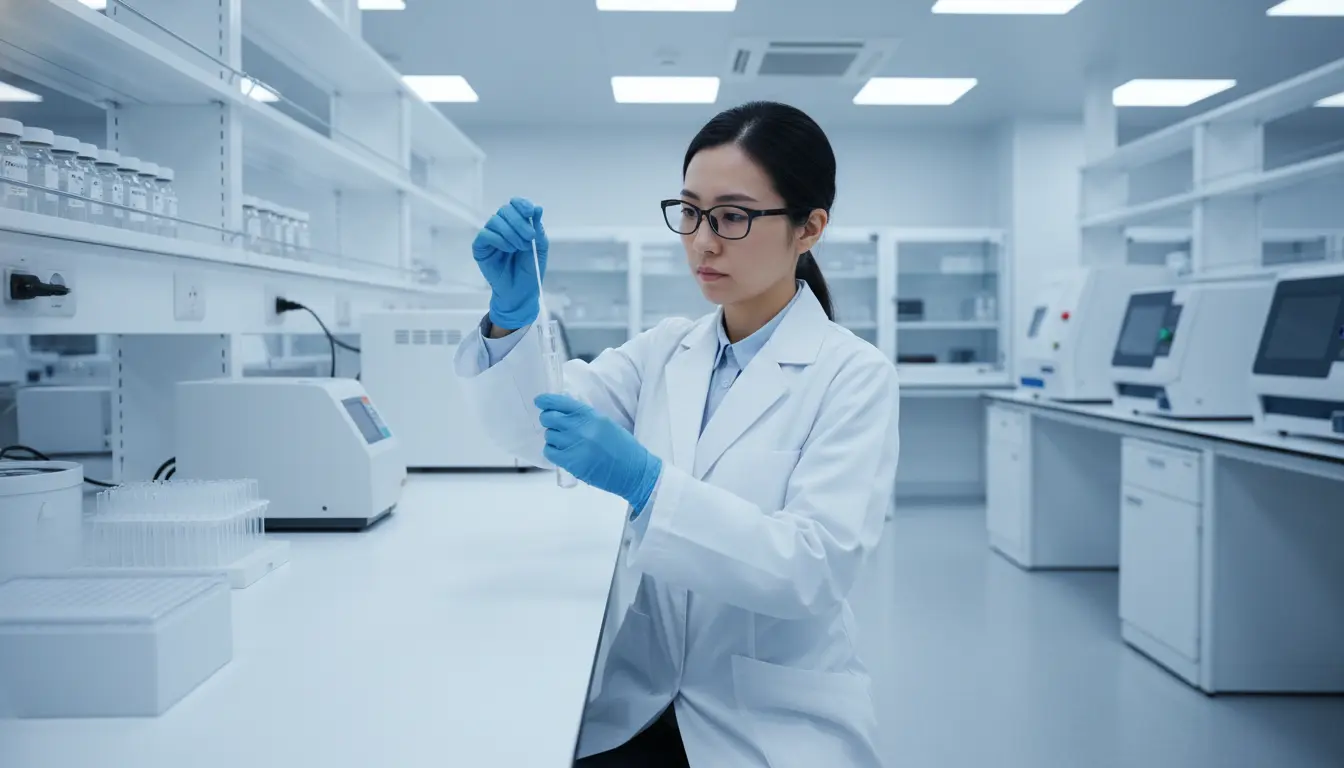 Last time, I spoke from an examiner's perspective about how to correctly handle blood samples. This time, I'd like to talk about the correct way to handle semen samples used in DNA testing.
Aside from cotton swabs, semen samples are among the most frequently chosen sample types we handle. Because they originate as a liquid, they arrive at our facility in a wide variety of conditions and states. In DNA testing, sample quality is directly linked to the reliability of the results, so proper handling is required at every stage of collecting, storing, and shipping a semen sample [ref:1].
Specifically, samples are often sent to us in the following forms.
- Semen ejaculated into the mouth, absorbed onto tissue paper
- Semen on the skin, wiped off with tissue paper
- Semen ejaculated into a condom, wiped with our specified cotton swab and dried
All of these can be used for DNA testing, but the success rate of testing varies greatly depending on the collection method and storage condition. Sperm cells contained in semen carry a person's genetic information (genomic DNA), and if handled properly, high-quality DNA can be extracted from them [ref:3]. However, if other people's DNA becomes mixed in during collection, accurate kinship testing can become difficult.
Samples That Tend to Require Re-testing, and Why
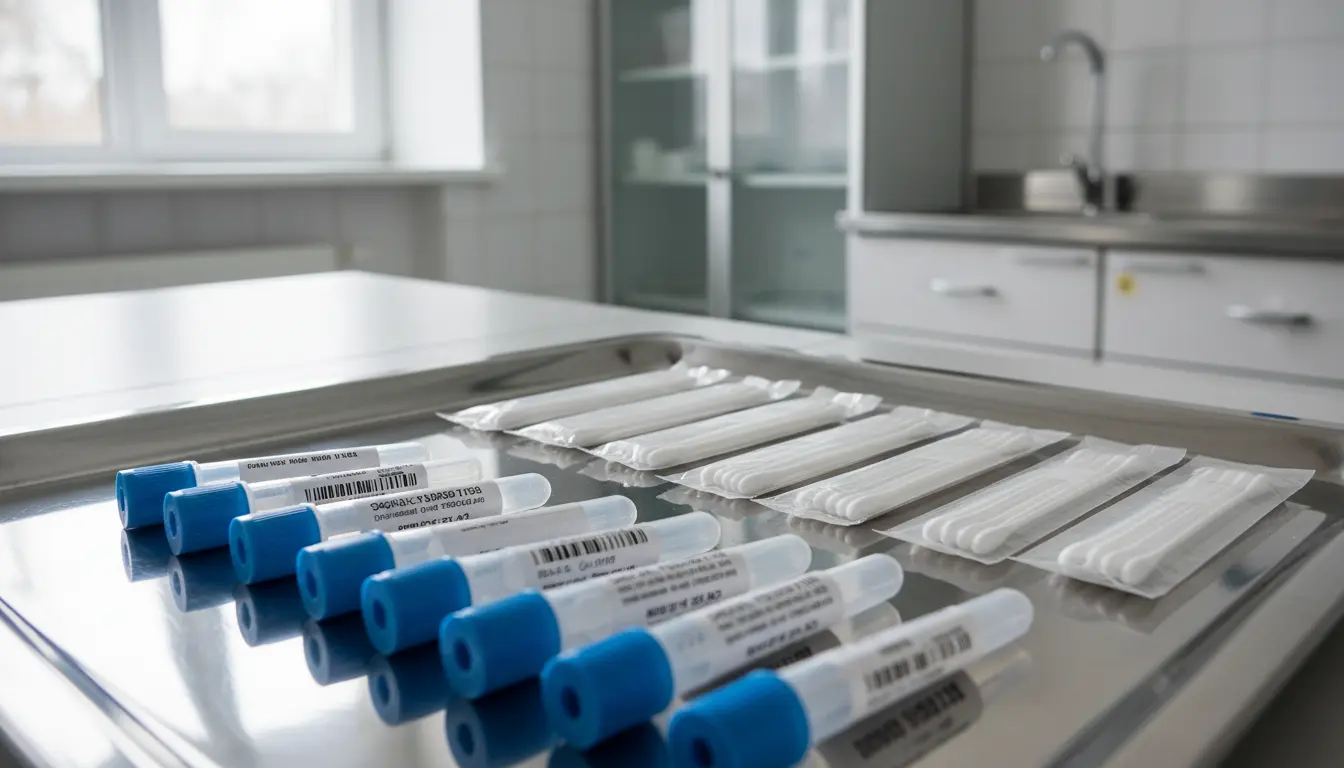 Now, which of the three methods above do you think is most likely to require re-testing?
In my experience, ① is most likely to require re-testing, followed by ②, while ③ almost always yields enough DNA for testing in a single attempt, barring exceptional circumstances.
The Mechanism Behind Contamination (DNA Mixing)
Methods ① and ② also generally yield enough DNA to conduct testing, but subsequent analysis often reveals that DNA from someone other than the man is mixed in (contamination), making it impossible to render a kinship determination.
Contamination refers to the phenomenon in which genetic material other than the target DNA becomes mixed into a sample. In forensic DNA testing, even a trace amount of contamination can affect the results, so sample purity is an extremely important factor [ref:4].
Method ① in particular (semen ejaculated into the mouth and absorbed onto tissue) tends to require re-testing due to contamination, because oral mucosal epithelial cells, which themselves make good DNA samples, are present in saliva. Oral mucosal epithelial cells contain an abundance of DNA, and when mixed with sperm DNA from semen, it becomes difficult to determine which DNA profile originates from the semen.
Method ② (semen on the skin, wiped off with tissue) can also be affected, since skin epithelial cells are always present on the surface of the skin. When wiping, these cells can adhere to the tissue along with the semen, causing contamination. However, compared to oral mucosa, fewer cells tend to be shed from the skin, so the risk of re-testing is considered somewhat lower than with method ①.
Why ③ Is Best Suited for Testing
Conversely, with method ③ (semen ejaculated into a condom, wiped with a cotton swab, and dried), the man's pure DNA is preserved in a dried state, which reduces contamination risk and often allows testing to be completed in a single attempt.
Semen collected inside a condom has almost no opportunity to come into contact with other people's bodily fluids or cells, so it can be treated as a pure sample containing only the man's own DNA. Furthermore, after wiping it up with our specified cotton swab and allowing it to air-dry thoroughly, DNA degradation is suppressed, resulting in a high-quality sample that can withstand long-term storage [ref:5].
Key Points for Correctly Handling Semen Samples
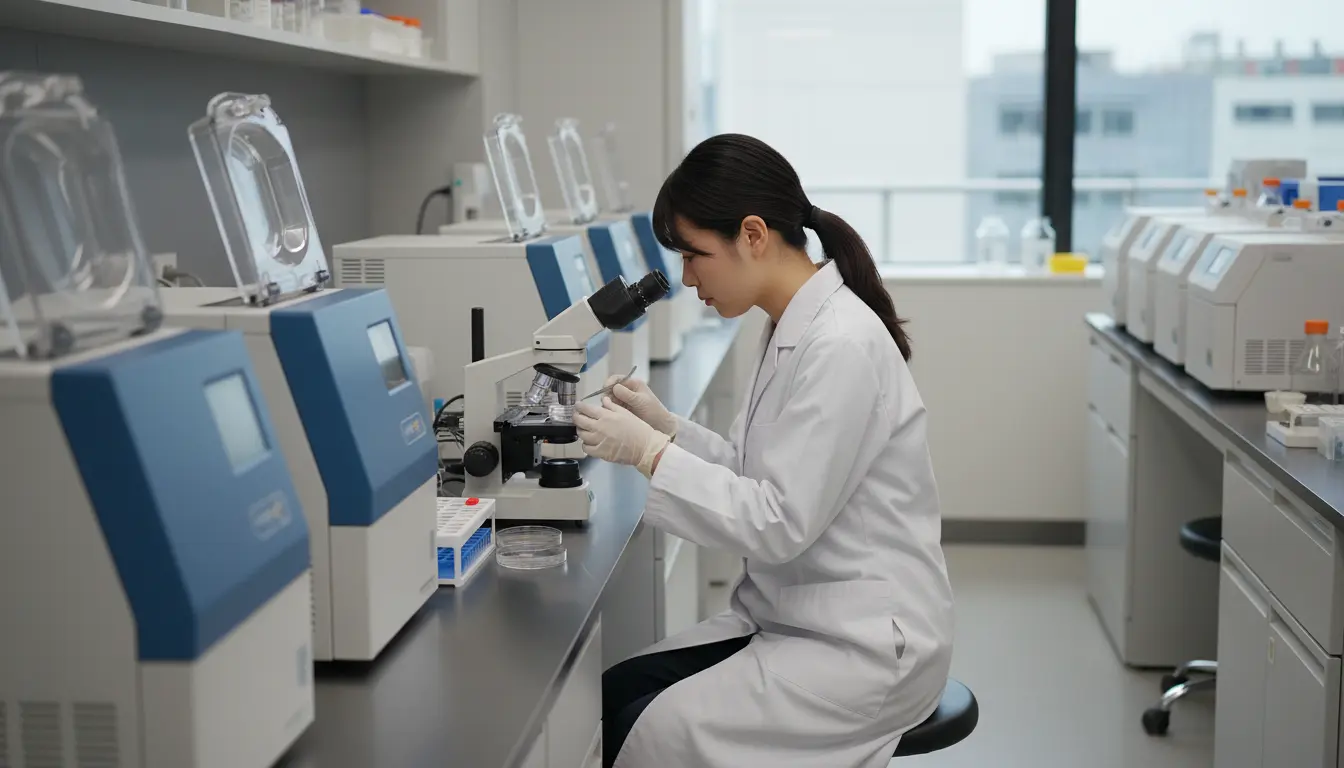 To achieve successful DNA testing from semen samples, it's important to keep the following points in mind.
- Ensure the sample is stored dry: If left in liquid form, semen becomes prone to DNA degradation due to bacterial growth. After collection, allow it to air-dry promptly at room temperature, and store it away from direct sunlight and high heat/humidity.
- Minimize contamination from other people's DNA: Be careful not to touch the sample with bare hands, and wear disposable gloves while working. Using our specified cotton swab rather than tissue paper can greatly reduce the risk of contamination.
- Ship in a sealed container: Once dried, place the sample in a clean paper envelope or a breathable container before shipping. Placing a still-damp sample in a tightly sealed container such as a plastic bag can lead to mold and bacterial growth, degrading the DNA.
- Ship as soon as possible after collection: Because DNA degrades over time, it is recommended to send the sample to the testing facility as promptly as possible after collection.
- Accurately communicate the collection details: Providing as much detail as possible when requesting testing — such as how the sample was collected and how much time has passed since collection — allows our examiners to choose the optimal testing protocol.
Risk Comparison by Sample Type
Below is a brief summary of the characteristics of each semen sample collection method.
| Collection Method | Contamination Risk | Frequency of Re-testing |
|---|---|---|
| ① Mouth → tissue | High | Relatively common |
| ② Skin → tissue | Moderate | Somewhat common |
| ③ Condom → cotton swab (dried) | Low | Almost none |
As this table shows, method ③ - collecting with a cotton swab from a condom and drying it - is the most recommended approach for maximizing testing accuracy. Even if you must use method ① or ② out of necessity, it's important to understand the contamination risk and take as much care as possible to prevent other people's DNA from mixing in.
Improving the Reliability of DNA Testing
DNA testing is a technology that identifies individuals by analyzing specific regions of the genome (STR: Short Tandem Repeat) [ref:6]. While this technology is highly precise, if a sample contains DNA from multiple people, it becomes difficult to accurately separate and determine each individual's profile. In kinship testing especially, since the alleles at each genetic locus must be read accurately to determine parent-child relationships, the effects of contamination can be critical.
At our company, if contamination is detected, we have a system in place to request a new sample be sent and to carry out re-testing. However, re-testing requires additional time, so ensuring proper sample collection and storage from the start is the fastest path to a smooth completion of testing.
There are likely various other ways to collect semen samples, so if you have any questions, please feel free to contact our office.
< Question Form >
Email:support@seedna.org
Phone number: 0120-919-097 (toll-free)
Frequently Asked Questions
Q1. How much semen is needed for DNA testing?
A. DNA testing is possible even with a very small amount of semen. In most cases, even a thin trace on a cotton swab can be analyzed using PCR amplification technology. However, if the collected amount is extremely small or has significantly degraded, re-testing may be necessary, so we recommend collecting as much sample as possible.
Q2. What happens to the testing if contamination (DNA mixing) occurs?
A. If contamination is detected, an accurate kinship determination cannot be made, so we will ask for a new sample to be sent and carry out re-testing. Re-testing requires additional time, but it is a necessary step to provide accurate results. Collecting the sample with a cotton swab from a condom and drying it is the most effective way to prevent contamination.
Q3. Will it cause problems for testing if I send a semen sample without drying it?
A. If sent in a damp state inside a sealed container, bacteria and mold can grow, causing DNA degradation to progress. As a result, an insufficient amount of DNA may be obtained, which can require re-testing. After collection, be sure to air-dry the sample at room temperature before placing it in a breathable container (such as a paper envelope) for shipping.
Q4. Is it okay to collect semen using something other than tissue paper?
A. Yes, using our specified cotton swab for collection is the most recommended method. Testing is also possible with tissue paper, but chemicals or fluorescent whitening agents contained in the fibers can sometimes affect DNA extraction. Cotton swabs make it easier to maintain sample purity and carry a lower contamination risk, making them optimal from the standpoint of testing accuracy.
Q5. How much time can pass between collecting and shipping a semen sample and still allow testing?
A. If properly dried and stored, DNA testing is possible even for samples that are several days to several weeks old. However, since DNA degrades over time, it is best to ship the sample as soon as possible after collection. Avoid environments with high heat and humidity, and store the sample in a cool, dark place.
The Trusted Support of seeDNA Genetic Medical Laboratory
seeDNA Genetic Medical Laboratory is a trusted and reliable specialist institution for DNA testing and genetic testing, certified with the international quality standard ISO9001 and the Privacy Mark for personal information protection.
If you have concerns about family or parent-child blood relationships, or a partner's infidelity, our DNA testing specialists are here to support you with the reassurance you need, so please feel free to contact us.
[Free Consultation with Specialist Staff]

If you have any questions,
please feel free to contact our toll-free number.
/Open every day, including weekends/
Business hours: Mon-Sun 9:00 AM - 6:00 PM
(excluding holidays)
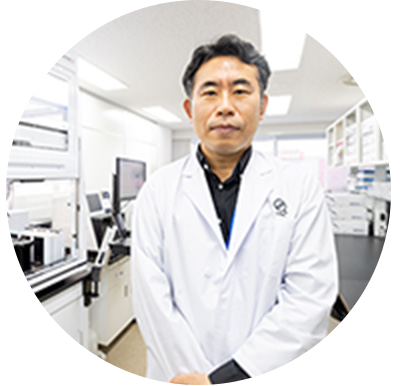 Author
Kihan Tomikane, Ph.D.
Graduated from the University of Tsukuba Graduate School, Master's/Doctoral Program in Biosystem Studies and Molecular Information Medicine
In 2017, developed Japan's first trace DNA analysis technology(Patent 7121440), using it for prenatal DNA testing(Patent 7331325)