
Revised: October 19, 2024
This article explains, from the perspective of a seeDNA examiner, how the quality of blood samples used in prenatal paternity testing affects the test results. We cover the half-life of fetal DNA, the design of blood collection tubes, the relationship with gestational week, and the correct way to handle samples.
- ・How the condition of a sample affects the test
- ・Prenatal paternity testing and fetal DNA in maternal blood
- └ Why does the gestational week differ from other companies?
- ・Individual differences in fetal DNA quantity and the retesting policy
- └ Other cases where sufficient fetal DNA cannot be obtained
- ・The half-life of fetal DNA and what it means
- └ Measures seeDNA takes against the decline in DNA quantity
- ・How to correctly handle blood samples
- ・Summary: The quality of the blood sample is the key to prenatal paternity testing
How the condition of a sample affects the test
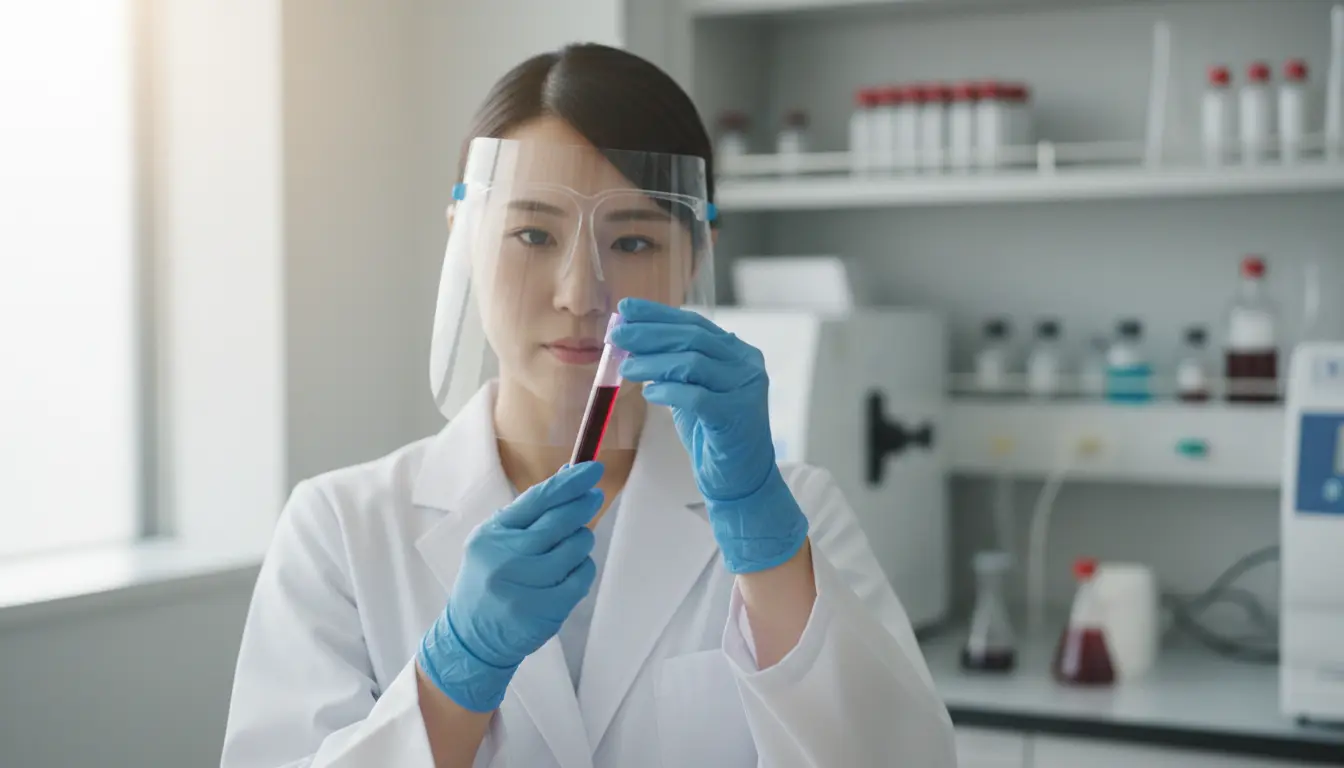 Buccal (mucosal) epithelial cells are generally considered the best sample for DNA testing, but at seeDNA we also handle a wide variety of other sample types, including blood, semen, toothbrushes, and cigarette butts [ref:1]. Because DNA testing depends heavily on the quality and quantity of DNA extracted from the sample, managing the condition of the sample is an extremely important factor that determines the reliability of the test result.
See here for a list of testable sample types other than cotton swabs
In this article, we will introduce, in a series of several installments, "how the condition of a sample affects the test" as experienced firsthand by the examiners who actually perform the testing. In this first installment, we focus on blood samples used in prenatal paternity testing and other tests, and explain in detail the precautions for handling them and their relationship to testing accuracy.
Prenatal paternity testing and fetal DNA in maternal blood
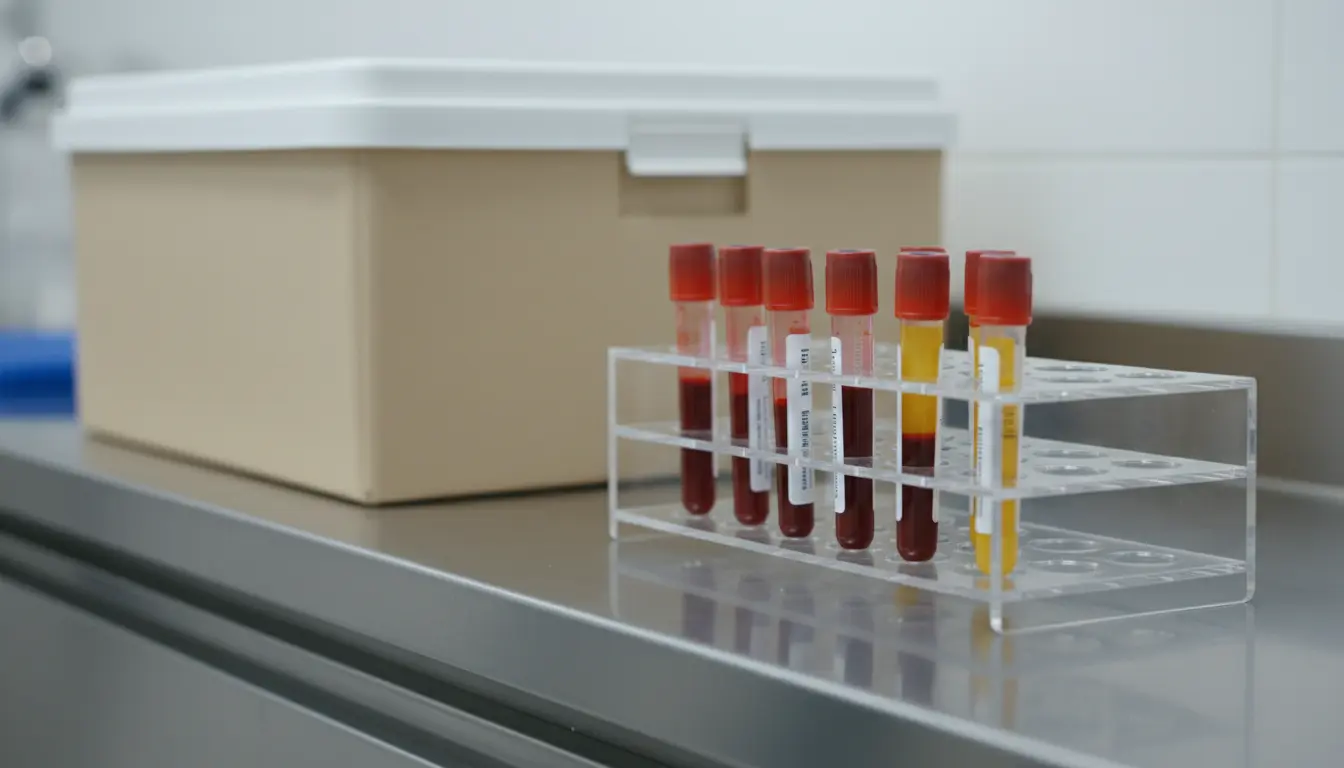 Prenatal paternity testing is a test that uses the blood of an expectant mother to confirm the biological relationship between the fetus and the presumed father. Advances in molecular biology research in recent years have revealed that cell-free fetal DNA (cffDNA) derived from the fetus circulates in the mother's blood during pregnancy [ref:2]. This cffDNA is released into the maternal blood mainly through the process of apoptosis (cell death) of trophoblast cells in the placenta, and its quantity gradually increases as the pregnancy progresses.
Fetal DNA begins to flow into the mother's blood from around the 6th week of pregnancy, and from the 7th week of pregnancy onward, a quantity of fetal DNA sufficient for testing at our company can be obtained. This is an exceptionally early stage for accepting tests, even by global standards. For reference, companies performing similar testing in the United States and Australia accept samples from the 10th and 12th weeks of pregnancy, respectively.
Why does the gestational week differ from other companies?
This difference in the gestational week at which testing is accepted is due to differences in the sensitivity of the testing method. At seeDNA, we use our own proprietary testing method, which improves the sensitivity of existing methods by approximately three times. This allows us to ensure sufficient analytical accuracy for testing even at 7 weeks of pregnancy, when the concentration of fetal DNA in maternal blood is still relatively low [ref:1].
Individual differences in fetal DNA quantity and the retesting policy
 While our company can accurately confirm biological relationships from an early stage of pregnancy, there are individual differences in the amount of fetal DNA obtained. For this reason, particularly with blood samples taken at 8-9 weeks of pregnancy, there are cases where a sufficient amount of fetal DNA for analysis cannot be obtained.
The proportion of cffDNA in maternal blood is only a few percent of the total cell-free DNA in early pregnancy, and it increases as the pregnancy progresses [ref:3]. However, even at the same gestational week, the fetal DNA concentration varies due to individual factors such as the mother's body size (BMI), placental condition, and blood volume. In individuals with a larger body size, the proportion of maternally derived DNA tends to be relatively higher, which can make detecting fetal DNA somewhat more difficult.
If a sufficient amount of fetal DNA cannot be obtained from the mother's blood, we offer one free retest. This policy takes into account the individual differences in fetal DNA quantity described above. However, please note that blood drawn before the 7th week of pregnancy is not eligible for a free retest, so please have your obstetrician confirm the correct gestational week before testing.
Other cases where sufficient fetal DNA cannot be obtained
In addition to gestational week and individual differences, the following situations are commonly seen as cases where sufficient fetal DNA cannot be obtained.
- The blood was not returned on the day it was drawn, and was sent to us after time had passed since collection
- Poor storage conditions between sample collection and shipping (such as being left in a high-temperature environment)
- Improper handling of the blood collection tube resulting in hemolysis (destruction of red blood cells)
- The amount of blood collected did not meet the required quantity
All of these factors lead to a decrease in the concentration of fetal DNA in the sample or accelerate DNA degradation. In particular, the time elapsed after blood collection is the point requiring the most attention, due to the issue of the fetal DNA half-life described below.
The half-life of fetal DNA and what it means
Fetal DNA (cffDNA) is said to make up only about 2.5% of the total cell-free DNA in the mother's blood. Even more importantly, its half-life (the time it takes for the initial amount to be reduced by half) is said to be about 20 minutes [ref:4].
This means that the amount of fetal DNA is halved 20 minutes after blood collection, and after another 20 minutes it drops to a quarter of the original amount, and after another 20 minutes to an eighth—in other words, the amount of fetal DNA decreases exponentially the more time passes. For this reason, shortening the time between blood collection and DNA extraction at the testing laboratory as much as possible is extremely important for increasing the success rate of prenatal paternity testing.
Measures seeDNA takes against the decline in DNA quantity
To prevent the rapid degradation of fetal DNA, we take several measures, including the following.
- Use of dedicated blood collection tubes: The blood collection tubes we use contain a special stabilizing reagent that significantly delays the half-life of cell-free DNA. This suppresses DNA degradation in the sample compared to standard blood collection tubes.
- Rapid processing at our own in-house laboratory in Japan: Because testing is performed at our own laboratory within Japan, there is no time lag of outsourcing and shipping samples overseas, unlike other companies. This allows us to minimize the time between blood collection and DNA extraction.
- Adoption of highly sensitive testing technology: As mentioned above, our proprietary technology, which is about three times more sensitive than existing methods, enables accurate analysis even for samples with a somewhat lower fetal DNA quantity.
How to correctly handle blood samples
As described above, we pay the utmost attention to maintaining sample quality, but part of the process from blood collection to return shipping is left up to the customer. To increase the success rate of testing, please keep the following points in mind.
- Return shipping on the day of blood collection: Please ship the sample on the same day it was drawn. Shipping the following day or later increases the risk of a decline in DNA quantity.
- Proper storage temperature: After blood collection, avoid direct sunlight and store at room temperature (approximately 15-25°C). Never freeze the sample.
- Handling of the blood collection tube: Do not shake the tube vigorously; gently invert it several times to mix. Excessive shaking can cause hemolysis.
- Confirming the correct gestational week: Have your obstetrician confirm the exact gestational week via ultrasound, and have blood drawn from the 7th week of pregnancy onward.
- Following the packaging instructions: Please follow the instructions included with the dedicated kit we send, and securely protect the blood collection tube with cushioning material when packaging.
We hope you will take a moment, before having your blood drawn, to consider the timing of collection and shipping, as well as the storage conditions prior to sending the sample. Correctly handling the sample leads to a more accurate and prompt test result [ref:5].
Summary: The quality of the blood sample is the key to prenatal paternity testing
In prenatal paternity testing, the quality of the blood sample is one of the most important factors determining the success of the test. Since fetal DNA (cffDNA) in maternal blood makes up only about 2.5% of the total and has an extremely short half-life of about 20 minutes, proper handling after blood collection is essential.
At seeDNA, we combine dedicated blood collection tubes containing a stabilizing reagent, rapid processing at our own in-house laboratory in Japan, and testing technology approximately three times more sensitive than conventional methods, to achieve accurate testing from the 7th week of pregnancy—an exceptionally early stage even by global standards. Even in the rare case that a sufficient amount of fetal DNA cannot be obtained, we offer a policy of one free retest, so you can use our service with peace of mind.
Next time, we will introduce the handling of semen samples [ref:6]. Knowing the correct way to handle each type of sample leads to more accurate test results. If you have any questions, please feel free to contact us.
Frequently Asked Questions
Q1. From what week of pregnancy can prenatal paternity testing be performed?
A. At seeDNA, we accept testing from the 7th week of pregnancy onward. This is because we use our own proprietary technology, which improves the sensitivity of existing testing methods by approximately three times, allowing testing at an earlier stage compared to competitors in the United States (from 10 weeks) and Australia (from 12 weeks). However, an accurate confirmation of the gestational week by an obstetrician is required.
Q2. I heard that the half-life of fetal DNA is about 20 minutes. How soon after blood collection should I send the sample?
A. The half-life of fetal DNA (cffDNA) is said to be about 20 minutes, but our blood collection tubes contain a stabilizing reagent that delays this half-life. Even so, since a decrease in DNA quantity over time cannot be avoided, we strongly recommend returning the sample on the same day it was drawn.
Q3. If a sufficient amount of fetal DNA cannot be obtained, is a retest possible?
A. Yes, it is possible. If a sufficient amount of fetal DNA cannot be obtained from the mother's blood, we offer one free retest. However, please note that blood samples drawn before the 7th week of pregnancy are not eligible for a free retest.
Q4. How should a blood sample be stored after collection?
A. After blood collection, please store the sample away from direct sunlight at room temperature (approximately 15-25°C). Never freeze the sample. Also, shaking the blood collection tube vigorously can cause hemolysis (destruction of red blood cells), which may adversely affect DNA extraction, so please handle it gently.
Q5. Why does seeDNA test in-house in Japan rather than sending samples overseas?
A. Because the half-life of fetal DNA in maternal blood is extremely short, shipping samples overseas creates a time lag of several days, during which there is a risk of a significant decrease in DNA quantity. By performing testing at our own in-house laboratory within Japan, we minimize the time between blood collection and DNA extraction, which helps improve testing accuracy.
Q6. Can prenatal paternity testing be performed using samples other than blood?
A. For prenatal paternity testing, maternal blood is the only non-invasive sample available. For the presumed father's sample, various types can be used, including buccal epithelial cells (cotton swab), blood, nails, and hair. Please refer to our list of testable sample types for details.
Reassuring support from the seeDNA Genetic Medical Research Institute
The seeDNA Genetic Medical Research Institute is a trusted and reliable DNA testing and genetic testing institution that holds the international quality standard ISO 9001 and the Privacy Mark (P Mark) for privacy protection.
If you are concerned about family or parent-child biological relationships, or a partner's infidelity, our DNA testing experts will provide thorough support to give you peace of mind, so please feel free to contact us.
[Free consultation with specialist staff]

If you have any questions,
please feel free to contact our toll-free number.
/Open every day, including weekends/
Business hours: Mon-Sun 9:00-18:00
(excluding public holidays)
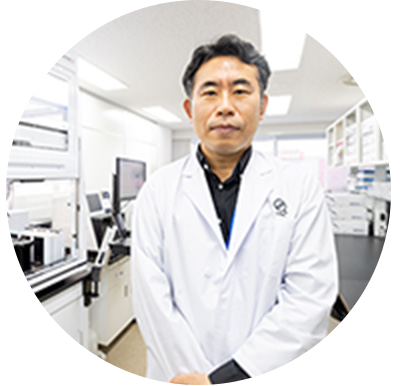 Author
Dr. Yoshinori Tomikane, M.D., Ph.D.
Graduated from the master's/doctoral program in Biosystems and Molecular Medicine at the University of Tsukuba Graduate School
In 2017, developed Japan's first prenatal DNA testing(Patent 7331325) using a trace DNA analysis technology(Patent 7121440)