
Last rewritten: July 9, 2024
This article explains that DNA testing is possible from a wooden popsicle stick. It offers an extraction success rate comparable to a toothbrush, making it a viable option as a sample besides a cotton swab. We also cover proper sample storage methods and compare extraction success rates across different sample types.
- ・Can a popsicle stick be used for DNA testing? An unexpected sample possibility
- ・Comparing DNA extraction success rates by sample type
- └ Summary of each sample's characteristics
- └ Comparison table of DNA extraction success rates
- ・Storage and drying methods when submitting a popsicle stick as a sample
- └ Precautions when using semen or hair as a sample
- ・Why does DNA remain so easily on wooden sticks? The material and cell-adhesion mechanism
- ・The risk of sample contamination in DNA testing and how to prevent it
- ・Considering a wooden popsicle stick if you're unsure which non-swab sample to choose
Can a popsicle stick be used for DNA testing? An unexpected sample possibility
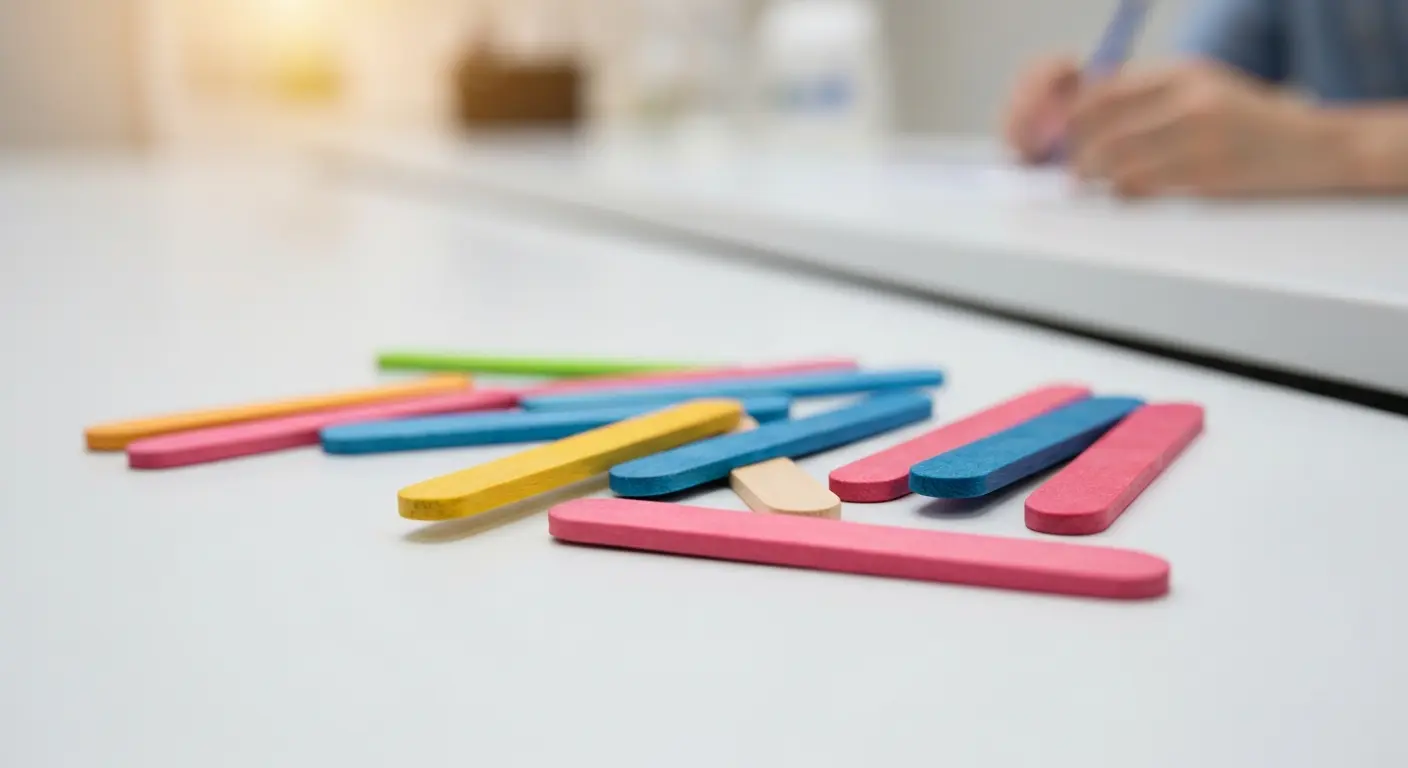 As the hot days continue, many people find that an ice pop after work becomes a moment of pure bliss. This investigation began when we noticed the wooden stick left over after finishing a popsicle and wondered, "Could this popsicle stick actually be used for DNA testing?"
When it comes to DNA testing, the most widely known method is generally submitting oral epithelial cells—collected by rubbing the inside of the cheek with a sterile cotton swab—as the sample. The oral mucosa is rich in epithelial cells, and because the collection method is simple, it is positioned as a standard sample even in forensic settings(1). However, there are many cases where collecting oral epithelium proves difficult for various reasons. Examples include when the subject is an infant who won't open their mouth, when a sample needs to be obtained without the subject's knowledge, or when the subject lives far away and exchanging a swab kit is difficult.
In such cases, seeDNA can also accept samples other than swabs, such as toothbrushes or cigarette butts(1). However, the probability of successfully extracting DNA varies depending on the type of sample. So, what is the success rate for DNA extraction from a wooden popsicle stick? DNA testing is a method that determines whether a blood relationship exists by analyzing STRs (Short Tandem Repeats), repetitive sequences that differ from person to person(2). While the amount of DNA needed for this analysis is extremely minute, the quality and quantity of the sample still greatly affects the accuracy of the results, making sample selection an extremely important factor in a successful test.
Comparing DNA extraction success rates by sample type
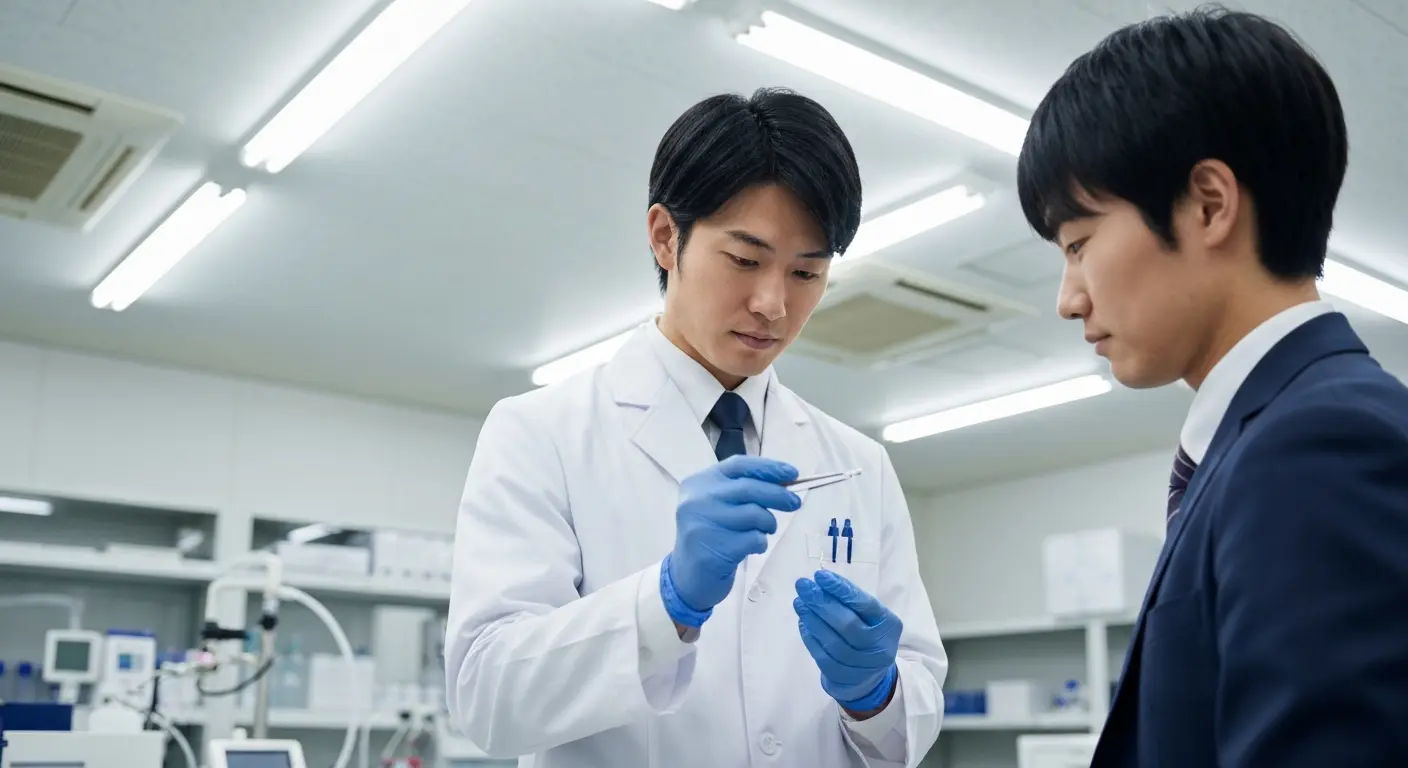 A wide variety of samples can be used for DNA testing, but the success rate of DNA extraction differs clearly depending on the sample type. Generally, the DNA extraction probability for each sample type follows roughly this order.
Oral epithelium > Semen*Note 1 ≧ Hair with root*Note 2 > Toothbrush > Cigarette butt
Oral epithelium has the highest success rate because the inner cheek mucosa contains numerous epithelial cells, from which stable, high-quality DNA can be reliably obtained. The epithelial cells of the oral mucosa turn over on a roughly 3–5 day cycle, with fresh cells constantly being supplied, so even lightly rubbing with a cotton swab can secure a sufficient amount of DNA(1).
Semen and hair with the root attached also allow DNA extraction with relatively high probability, but each requires careful handling. Semen contains a large number of sperm cells, with a single ejaculation said to contain tens of millions to hundreds of millions of sperm. Meanwhile, hair follicles contain hair matrix cells, from which nuclear DNA can be extracted. Toothbrushes and cigarette butts may have a smaller amount of attached cells, and tend to have a lower success rate compared to oral epithelium. With a toothbrush, oral epithelial cells are held in place tangled among the bristle tips, but there is a risk of DNA degradation depending on how much time has passed since use and the storage conditions. With cigarette butts, lip epithelial cells and saliva adhere to the filter portion, but because it may be affected by the high heat of burning, it is a somewhat unstable sample.
So where does a wooden popsicle stick fall in this ranking? When seeDNA actually tested it, we found that a wooden popsicle stick allows DNA extraction at a rate comparable to a toothbrush. The surface of a wooden stick has microscopic irregularities, and when it is licked or bitten in the mouth, saliva and oral cells easily become lodged in the gaps between the fibers, allowing a certain amount of DNA to be retained.
On the other hand, with plastic popsicle sticks, the smooth surface makes it difficult for cells to adhere, and the results show that DNA extraction is extremely difficult. Plastic's molecular structure is highly hydrophobic, meaning moisture and organic matter don't tend to stay on the surface. As a result, cells in saliva get washed away, making it difficult to recover a sufficient amount of DNA. When using a popsicle stick as a sample, it is essential to choose one made of wood.
Summary of each sample's characteristics
- Oral epithelium: Allows the most stable DNA extraction and is the standard sample for testing
- Semen: High DNA extraction rate, but care is needed to prevent contact from anyone other than the subject
- Hair with root: If the root is not visible to the naked eye, at least 3 strands should be submitted
- Toothbrush: Highly convenient since a sample can be obtained from an item used daily
- Wooden popsicle stick: DNA extraction rate comparable to a toothbrush, and an easy-to-obtain sample
- Cigarette butt: Extraction probability is somewhat lower but usable as a sample
- Plastic popsicle stick: DNA extraction is extremely difficult due to the smooth surface
Comparison table of DNA extraction success rates
| Sample type | DNA extraction success rate | Notes |
|---|---|---|
| Oral epithelium (swab) | Very high | Standard sample. Stable quality |
| Semen | High | Care needed to avoid contamination by others' DNA |
| Hair with root | High | If root is unclear, 3+ strands recommended |
| Sample type | DNA extraction success rate | Notes |
|---|---|---|
| Toothbrush | Moderate | Readily available in daily life |
| Wooden popsicle stick | Moderate | Equivalent to toothbrush. Complete drying essential |
| Cigarette butt | Somewhat low | May be affected by burning |
Storage and drying methods when submitting a popsicle stick as a sample
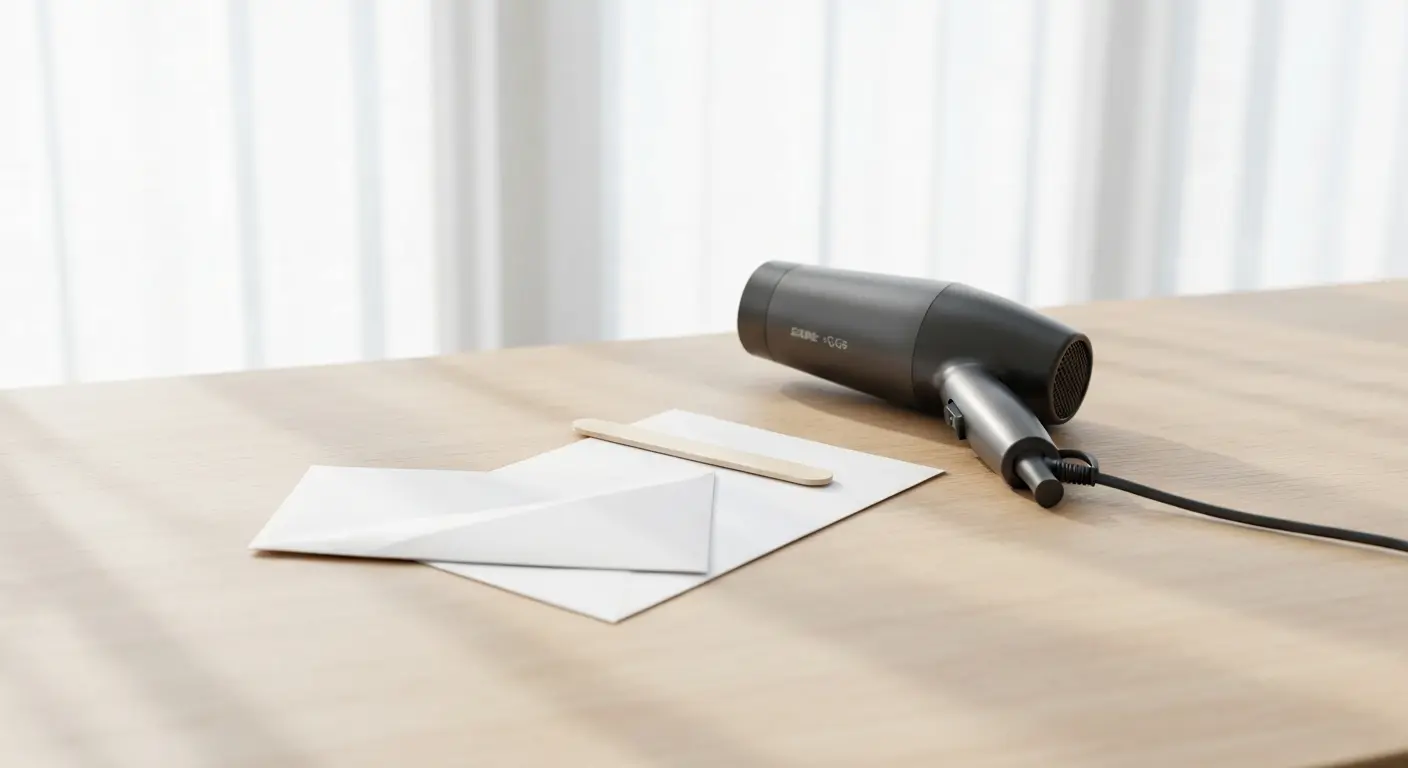 When submitting a wooden popsicle stick as a DNA testing sample, the most important thing to be careful about is DNA degradation caused by bacterial growth. This is a concern common to all samples other than blood and hair, but the risk is especially high in hot summer months when bacteria multiply rapidly, significantly raising the danger of destroying the target DNA. DNA is a high-molecular compound with a double helix structure, but it can easily be fragmented by nucleases (nucleic acid-degrading enzymes) produced by bacteria(3). For this reason, it is essential that the sample be submitted in a completely dry state.
The specific steps for properly preserving a popsicle stick as a sample are as follows.
- Once you finish eating the popsicle, begin the drying process as quickly as possible
- Use a hair dryer's warm air setting and dry thoroughly for about 5 minutes (the most recommended method)
- If a hair dryer isn't available, air-dry naturally for about half a day indoors, in a well-ventilated place away from direct sunlight
- Once dry, store in a clean paper envelope or paper bag (avoid plastic bags, as they trap moisture)
- Send to the DNA testing organization as soon as possible
If the stick is placed in a sealed container without being fully dried, the moisture remaining inside will allow bacteria and mold to grow, breaking down the DNA that had adhered. Popsicle sticks in particular tend to have sugary residue attached, creating an environment even more prone to bacterial growth than other samples. Since sugar is an ideal nutrient source for bacteria, explosive bacterial growth can occur within just a few hours in a hot, humid environment. Quick and thorough drying is the key to a successful test.
The reason warm air from a hair dryer is recommended for drying is that DNA denaturation is unlikely to occur at the typical warm-air temperature of a hair dryer (around 60–80°C). The temperature at which the DNA double helix fully dissociates is usually 90°C or higher(3), so warm air from a hair dryer can remove moisture quickly while maintaining DNA quality. However, be careful to distribute the airflow evenly over the entire stick, as continuously blowing warm air on the same spot for a long time can cause localized high temperatures.
Key points for storage
The reason to use a paper envelope is that paper material absorbs excess internal moisture and maintains breathability, preventing condensation. Sealed containers such as plastic bags or zip-lock bags, on the other hand, tend to trap water vapor inside, risking that a sample you worked hard to dry will become damp again. Please always use a paper container to preserve sample quality.
Precautions when using semen or hair as a sample
For those considering samples other than swabs besides a popsicle stick, here are some important precautions regarding semen and hair as well.
Regarding semen (*Note 1): When using semen as a sample, it is essential that no one other than the subject comes into contact with it. If DNA from someone other than the subject is mixed in, it becomes impossible to accurately determine the biological relationship, potentially requiring a retest. If someone other than the subject is performing the collection, precautions to avoid mixing in others' cells are essential, such as collecting semen ejaculated inside a condom using a sterile cotton swab. Since sperm cells in semen have nuclei, nuclear DNA analysis is possible, but seminal plasma (the fluid component of semen) is also prone to contamination with other people's bodily fluids, so utmost care must be taken throughout the process from collection to storage.
Regarding hair (*Note 2): When conducting DNA testing using hair, the root is generally essential. For hair where the root is not visible to the naked eye, there is a high likelihood that the amount of DNA needed to determine biological relationship cannot be obtained, so at least 3 strands of hair must be submitted. The hair root contains abundant nucleated cells such as hair matrix cells and dermal papilla cells, from which a sufficient amount of nuclear DNA can be obtained. The hair shaft (the part of the hair extending from the scalp), on the other hand, is composed mainly of keratin protein and contains almost no nuclear DNA(2). Note that the only way to determine biological relationship from DNA without a hair root is through maternal lineage testing only, using mitochondrial DNA. Mitochondrial DNA is also present in the hair shaft, but since it is inherited only from the mother's side, it comes with the limitation that it cannot be used for paternity testing.
Why does DNA remain so easily on wooden sticks? The material and cell-adhesion mechanism
The reason a wooden popsicle stick is effective as a sample is deeply related to the unique physical and chemical properties of wood as a material. Wood is composed mainly of three components—cellulose, hemicellulose, and lignin—and its surface has microscopic fiber structures (such as cross-sections of vessels and tracheids) that are difficult to see with the naked eye. This fiber structure functions as a "trap" that physically captures the oral epithelial cells contained in saliva.
When we eat a popsicle, we hold the stick in our mouth for several minutes to over ten minutes, repeatedly licking and biting it. During this time, epithelial cells shed from the inner cheek and tongue surface, along with saliva, get lodged in the gaps of the wood fibers. Because wood fibers are highly hydrophilic, they readily absorb moisture (saliva), and cells get drawn deep into the fibers along with it(4). This is the decisive difference from plastic sticks, whose surface is smooth and hydrophobic.
Furthermore, since a wooden stick continues to hold cells within its fibers even after drying, if properly dried and stored, it may be possible to extract DNA even from a sample that has been sitting for several days to several weeks. However, since the risk of DNA degradation increases the more time passes, it is recommended to dry the sample as soon as possible after finishing the popsicle and send it promptly to the testing organization.
In the field of forensic science, technology for analyzing trace DNA from everyday items ("touch DNA" samples) has advanced rapidly in recent years(1). The trace DNA analysis technology developed by seeDNA is also positioned within this trend of technological advancement, making it possible to extract and analyze DNA from samples that were previously considered too difficult to test. A wooden popsicle stick is another example of a sample that has become practically usable thanks to this kind of technological innovation.
The risk of sample contamination in DNA testing and how to prevent it
When submitting a sample other than a swab, preventing sample contamination is just as important as drying. Contamination refers to the phenomenon in which DNA from someone other than the intended subject gets mixed into the sample. DNA testing identifies individuals through STR analysis, but when a sample contains a mixture of DNA from multiple people, the profiles of each person can overlap, making an accurate determination difficult(2).
The main contamination risks and countermeasures to be aware of when using a wooden popsicle stick as a sample are as follows.
- Avoid sharing with others: If the same popsicle was shared among multiple people, the stick may have DNA from more than one person attached to it. Be sure to secure a stick from a popsicle eaten only by the subject themselves
- Minimize bare-hand contact: When retrieving the stick after eating, DNA from the collector's own fingers may adhere to it. If possible, use disposable plastic gloves, or hold only the end of the stick that the mouth did not touch
- Dry and store in a clean environment: It is best to dry the sample in a clean location to prevent surrounding dust or other people's skin flakes from adhering during drying. Once dry, seal it in a paper envelope immediately and store it away from contact with other items
- Be careful around pets: If a dog, cat, or other pet licks the sample, animal DNA may become mixed in. Dry and store the sample somewhere pets cannot reach
By following these basic precautions, you can keep sample quality high and maximize the success rate of DNA testing. If you suspect contamination may have occurred, we recommend consulting with the testing organization in advance.
Considering a wooden popsicle stick if you're unsure which non-swab sample to choose
As we head into the height of summer, some of you may be wondering which non-swab sample to submit. A wooden popsicle stick has the major advantage of offering a DNA extraction success rate comparable to a toothbrush, while also being relatively easy to obtain in daily life. With a toothbrush, there can be concerns about whether it's shared with other family members, and with a cigarette butt, whether someone other than the subject may have smoked it—both raising questions about sample reliability. With a popsicle stick, however, it is often possible to reliably secure one that only the subject has eaten.
A wooden popsicle stick is also excellent in terms of how naturally it can be obtained. In summer, eating a popsicle is a completely everyday activity, which means the act of collecting the sample itself is unlikely to draw attention. For example, casually retrieving the stick after your child finishes a popsicle is a situation where you can obtain a sample without arousing any suspicion.
That said, to reiterate, the prerequisites for a successful test are that it must be a wooden popsicle stick rather than a plastic one, and that it must be dried completely and promptly after eating. In recent years, plastic sticks have been declining due to environmental concerns, and more popsicles are being made with wooden sticks, but we recommend checking the material before purchasing.
If you keep these points in mind, a wooden popsicle stick can be a highly effective alternative sample. If you're struggling to choose a sample for DNA testing, please consider this as one of your options. seeDNA Genetic Medical Research Institute also welcomes consultations regarding sample types and storage methods, so please feel free to contact us with any questions.
Frequently Asked Questions
Q1. Can DNA testing really be done from a wooden popsicle stick?
A. Yes, DNA can be extracted from a wooden popsicle stick at a rate comparable to a toothbrush. The surface of a wooden stick has microscopic irregularities that make it easy for oral cells to become lodged in the gaps between the fibers. However, please note that plastic sticks have a smooth surface, making DNA extraction extremely difficult.
Q2. How should I store a popsicle stick when submitting it as a sample?
A. After eating, dry it as soon as possible using a hair dryer's warm air for about 5 minutes, or air-dry it naturally for about half a day indoors in a well-ventilated place away from direct sunlight. If drying is insufficient, bacteria may grow and destroy the DNA. After drying, store it in a clean paper envelope and send it to the testing organization promptly. Do not use plastic bags, as they trap moisture.
Q3. Besides oral epithelium, which sample has the highest DNA extraction success rate?
A. After oral epithelium, semen has the highest DNA extraction success rate. However, great care must be taken to prevent DNA from anyone other than the subject from being mixed in. It is followed, in order, by hair with root, toothbrush (a wooden popsicle stick is comparable), and cigarette butt.
Q4. Is DNA testing impossible with a plastic popsicle stick?
A. DNA extraction from a plastic popsicle stick is extremely difficult. Because the plastic surface is smooth and highly hydrophobic, oral epithelial cells in saliva have difficulty adhering, making it impossible to secure a sufficient amount of DNA. If you plan to use a popsicle stick for DNA testing, be sure to choose a wooden one.
Q5. How soon after finishing a popsicle should the stick be dried?
A. We recommend beginning the drying process as soon as possible after eating, ideally within 30 minutes. Especially in hot summer weather, bacteria multiply extremely quickly, and a popsicle stick with sugar residue provides a nutrient-rich environment for bacteria. The longer time passes, the higher the risk of DNA degradation, so a prompt response is key to a successful test.
Q6. Can a popsicle stick that someone else touched still be used as a sample?
A. If DNA from another person gets mixed in, contamination may prevent an accurate test result from being obtained. Use only a popsicle stick eaten by the subject themselves as the sample, and avoid touching it with bare hands as much as possible when retrieving it. If possible, use disposable gloves, or hold only the end of the stick that the mouth did not touch.
seeDNA Genetic Medical Research Institute's Trusted Support
seeDNA Genetic Medical Research Institute is a trusted and reliable DNA testing and genetic testing specialist organization that has obtained the international quality standard ISO 9001 and the Privacy Mark for privacy protection.
If you're troubled by questions about family or parent-child biological relationships, or a partner's infidelity, our DNA testing experts are here to support you with the reassurance you need—please feel free to contact us.
【Free consultation with our specialist staff】

If you have any questions,
please feel free to contact our toll-free number.
/Open every day, including weekends/
Business hours: Monday–Sunday 9:00-18:00
(except public holidays)
 Author
Dr. Yoshinori Tomikane, M.D., Ph.D.
Graduated from the master's/doctoral program in Biosystem Studies at the University of Tsukuba
In 2017, developed prenatal DNA testing(Patent 7331325) using Japan's first trace DNA analysis technology(Patent 7121440)