
Rewritten on: June 27, 2024
This article introduces the overview and original-source background of the drama "Spiral Labyrinth: DNA Forensic Investigation" starring Kei Tanaka, while offering expert coverage of the fundamentals, history, and latest technologies of DNA testing and its importance in forensic investigation. It serves as a comprehensive guide to deepening your understanding of forensic testing.
During the period when the COVID-19 pandemic was raging worldwide and profoundly affecting our daily lives, many people likely felt a growing sense of unease each time they saw news of severe outbreaks in Western countries, thinking "that could be us tomorrow." Amid the constant stream of grim news, no doubt many were looking for something lighter to help take their minds off things, even briefly. Against this backdrop, a notable drama centered on DNA testing began airing, becoming an opportunity for many to take an interest in forensic science and DNA testing.
DNA testing is a technology most often discussed in the context of criminal investigations, but it is actually deeply connected to our everyday lives as well—used to confirm parent-child relationships, identify victims in disasters, and even support the diagnosis of hereditary diseases. In this article, we'll cover the highlights of the drama "Spiral Labyrinth: DNA Forensic Investigation," along with a broad, expert look at everything from the basics of DNA testing to the latest technologies.
- ・What Is "Spiral Labyrinth: DNA Forensic Investigation"? An Overview of the Drama and Its Source Material
- ・Fundamentals of DNA Testing and Its Importance in Forensic Investigation
- └ The Evolution and History of DNA Testing Technology
- └ The General Process Behind DNA Testing
- └ The Reliability and Challenges of DNA Testing in Forensic Investigation
- ・Applications of DNA Testing—Uses Beyond Criminal Investigation
- ・Let the Drama Be a Starting Point for Deepening Your Understanding of DNA Testing
What Is "Spiral Labyrinth: DNA Forensic Investigation"? An Overview of the Drama and Its Source Material
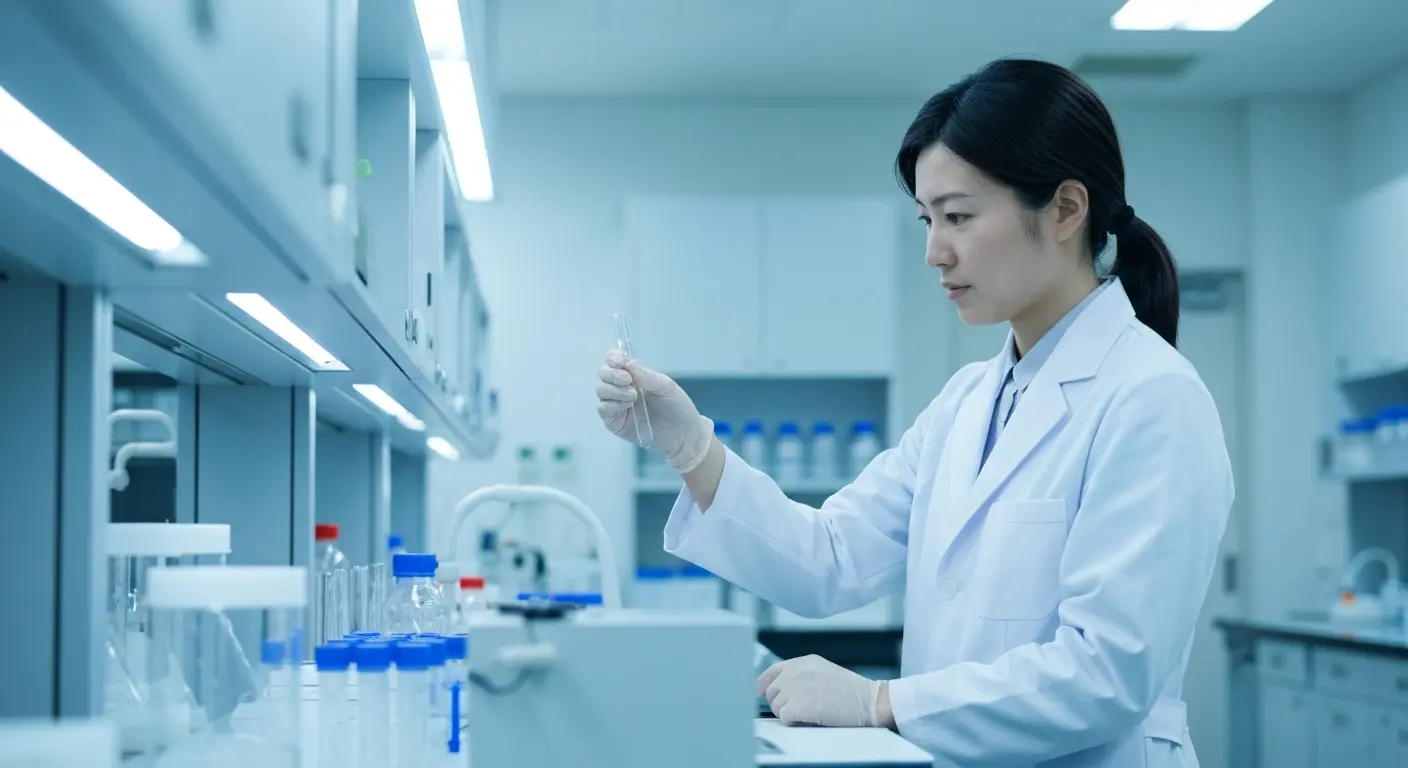 One of the most talked-about dramas of the spring 2020 season was "Spiral Labyrinth: DNA Forensic Investigation," starring Kei Tanaka. The drama is based on a manga serialized in Shogakukan's Big Comic Special magazine from 2012 to 2015. The original work was written by Midori Natsu and illustrated by Hiroyuki Kikuta, and it skillfully turns the highly specialized subject of DNA forensic investigation into compelling entertainment(1).
The protagonist is a genius geneticist with the catchphrase "DNA never lies," said to memorize genetic sequences running into the hundreds of millions of digits. This brilliant scientist teams up with a passionate detective and a beautiful forensic scientist from the crime lab to tackle baffling cases and long-unsolved mysteries that conventional investigation methods couldn't crack. Rather than being a simple mystery, the story delves deeply into the human "karma" and complex relationships that surface through genetic investigation—an approach that earned high praise from fans of the original manga.
Having actually read a bit of the original manga, given that it was serialized between 2012 and 2015, the DNA testing methods depicted in the story are based on somewhat older technology. For example, at the time STR (short tandem repeat) analysis was still the mainstream method, and large-scale genetic analysis using next-generation sequencers (NGS), as is common today, had not yet become widespread. However, DNA testing technology continues to advance rapidly day by day, so it's reasonable to expect that the drama adaptation would incorporate the latest testing techniques. Even if the drama were to faithfully follow the testing methods depicted in the original manga, it would still be highly educational in terms of understanding the historical evolution of DNA testing technology—so either way, the broadcast is something to look forward to.
It's also worth noting that this drama's popularity reflects the steadily growing social interest in DNA testing technology within Japan. In recent years, there has been an increase in cases where DNA testing has been re-examined during retrial requests in wrongful conviction cases, significantly shifting public awareness of the reliability of forensic investigation(2). In the sense that an entertainment work can contribute to raising scientific literacy, this drama carries considerable significance.
Fundamentals of DNA Testing and Its Importance in Forensic Investigation
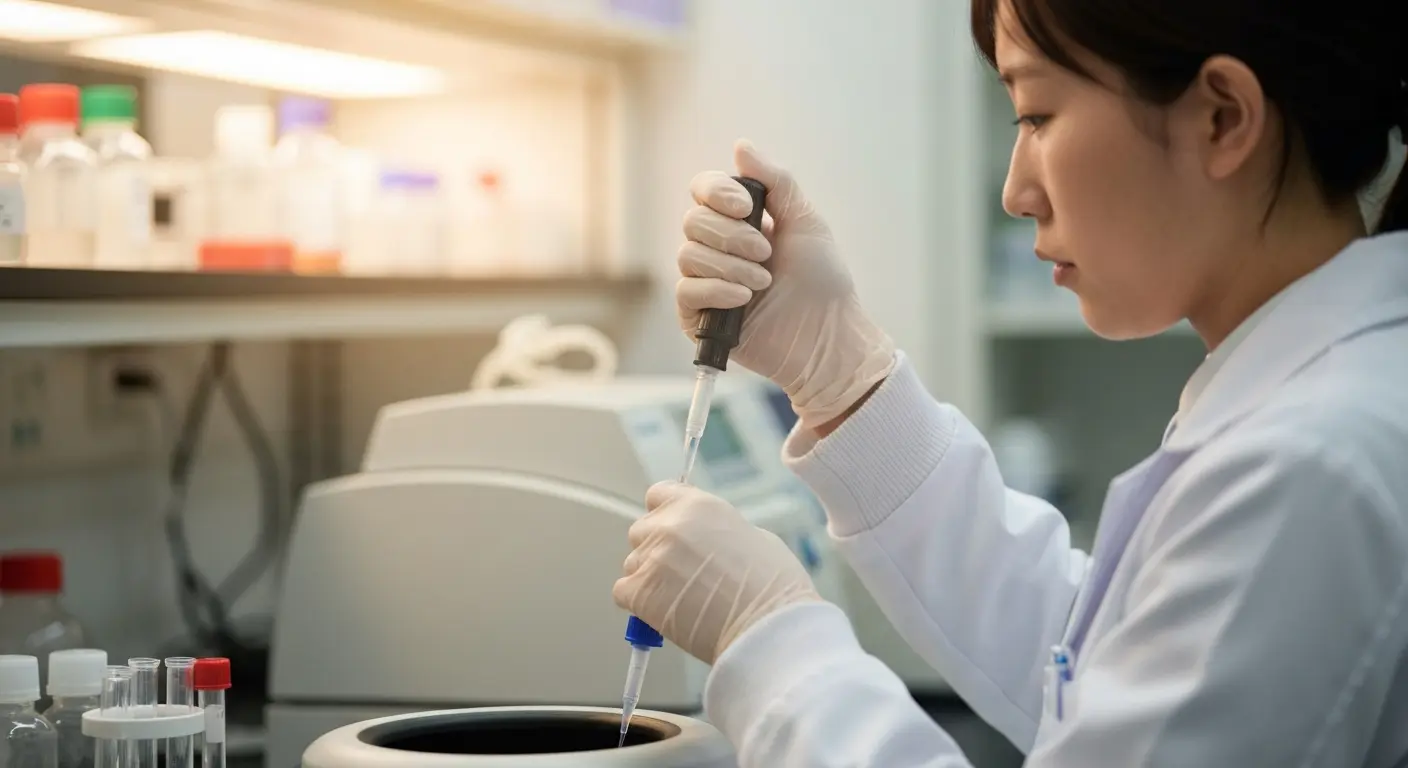 Scenes involving DNA testing are certainly not rare in crime dramas, but works like "Spiral Labyrinth" in which DNA testing itself forms the very core of the story are few and far between. DNA testing is a vital technology used not only in criminal investigations but also in confirming parent-child relationships, identifying missing persons, and confirming the identities of the deceased in disasters, among many other applications.
To begin with, DNA (deoxyribonucleic acid) is the physical carrier of genetic information present in the cells of every living organism. Human DNA is made up of roughly 3 billion base pairs, and by analyzing the sequences that differ between individuals (polymorphic sites), it becomes possible to identify a person with extremely high probability. Except in the case of identical twins, every person on Earth is said to have a distinct DNA sequence, and this "uniqueness" is what underpins the reliability of DNA testing(3).
The Evolution and History of DNA Testing Technology
DNA testing has undergone remarkable advances since it was first developed in 1984 by Dr. Alec Jeffreys in the United Kingdom(4). Early DNA testing relied on the RFLP (restriction fragment length polymorphism) method, which required large amounts of DNA sample. This method involved cutting DNA with restriction enzymes and separating the fragments via electrophoresis to compare patterns; because it required high-quality, large-volume DNA, it was often difficult to apply to the trace amounts of sample typically found at crime scenes.
When Kary Mullis developed the PCR (polymerase chain reaction) method in 1985, the world of DNA testing underwent a revolutionary change. PCR made it possible to amplify a specific region of DNA millions of times over, even from an extremely small sample, enabling DNA profiles to be obtained from evidence—such as a single strand of hair or tableware with traces of saliva—that had previously been impossible to test. Mullis received the Nobel Prize in Chemistry in 1993 for this achievement.
From the late 1990s onward, STR (short tandem repeat) analysis became the mainstream method in criminal investigation. STR analysis focuses on regions of DNA where a sequence of 2 to 6 base pairs repeats (repeat sequences), using individual differences in the number of repetitions to identify a person. Japan's current forensic investigation methods use multiplex PCR kits that simultaneously analyze 15 to 20 or more STR loci, achieving a theoretical probability of individual identification on the order of one in several hundred trillion.
In recent years, analysis techniques using next-generation sequencers (NGS) have become practical, enabling even more precise and rapid testing. NGS can simultaneously detect not only STR analysis but also multiple different markers in a single run—including SNP (single nucleotide polymorphism) analysis, Y-chromosome haplotype analysis, and mitochondrial DNA analysis—making it highly effective even for mixed or degraded samples.
As DNA testing technology has advanced, it has brought about the following benefits:
- Highly accurate testing is now possible even from extremely small DNA samples (a single strand of hair, tableware with traces of saliva, etc.)
- STR (short tandem repeat) analysis has dramatically improved the precision of individual identification
- Even mixed DNA samples can now be separated and analyzed to reveal the profiles of multiple individuals
- Test results can increasingly be obtained even from degraded DNA or old pieces of evidence
- This technology greatly contributes to preventing wrongful convictions and solving long-unresolved cases
- The spread of next-generation sequencers has simultaneously lowered analysis costs and increased processing speed
The General Process Behind DNA Testing
DNA testing is often depicted in dramas and movies as producing instant results, but in reality several important steps are required to reach a conclusion. Strict quality control is required at each stage, and work is commonly carried out in a dedicated clean room to prevent contamination of samples. Below is the general process for DNA testing.
- Collect and preserve evidence or samples (blood, saliva, hair, skin fragments, etc.)
- Extract DNA from the collected sample and check its purity and quantity (quantified using a UV-visible spectrophotometer or real-time PCR)
- Amplify specific regions of the DNA (such as STR loci) using the PCR method
- Create a DNA profile (genotype) using STR analysis or other techniques
- Compare and match the resulting profile against a database (in Japan, the DNA type database system) or reference samples
- Perform statistical calculations (such as likelihood ratios or random match probabilities) to determine the probability of a match and compile the test results
Because DNA testing follows a rigorous process grounded in scientific evidence in this way, its results carry very strong evidentiary weight even in court. In Japan's courts as well, the results of DNA testing are treated as important "scientific evidence," and the Supreme Court has issued rulings recognizing its evidentiary value. How this scientific process is portrayed in the drama "Spiral Labyrinth" is also one of its noteworthy aspects.
The Reliability and Challenges of DNA Testing in Forensic Investigation
DNA testing boasts extremely high identification accuracy, but it is not infallible. Several important challenges have been identified in forensic investigation.
First, there is the risk of contamination (sample cross-contamination). From the collection of evidence at a crime scene to laboratory analysis, it is not easy to completely eliminate the possibility of external DNA getting mixed in. For this reason, it is essential to strictly manage the "chain of custody" for evidence and to include negative controls at every stage.
Next, there is the issue of analyzing mixed samples. At crime scenes, samples often contain a mixture of DNA from both the victim and the perpetrator, and accurately separating and analyzing the profile of each individual from such mixed samples requires advanced technique and experience. In recent years, analysis methods using software known as probabilistic genotyping have been introduced, greatly improving the accuracy of mixed-sample analysis.
In addition, when analyzing low copy number (LCN) DNA, there is a risk of artifacts (false signals) arising from amplification bias, so results must be interpreted with care. The International Society for Forensic Genetics (ISFG) has published guidelines on low copy number DNA analysis, and testing laboratories are recommended to build quality control systems that comply with them.
Applications of DNA Testing—Uses Beyond Criminal Investigation
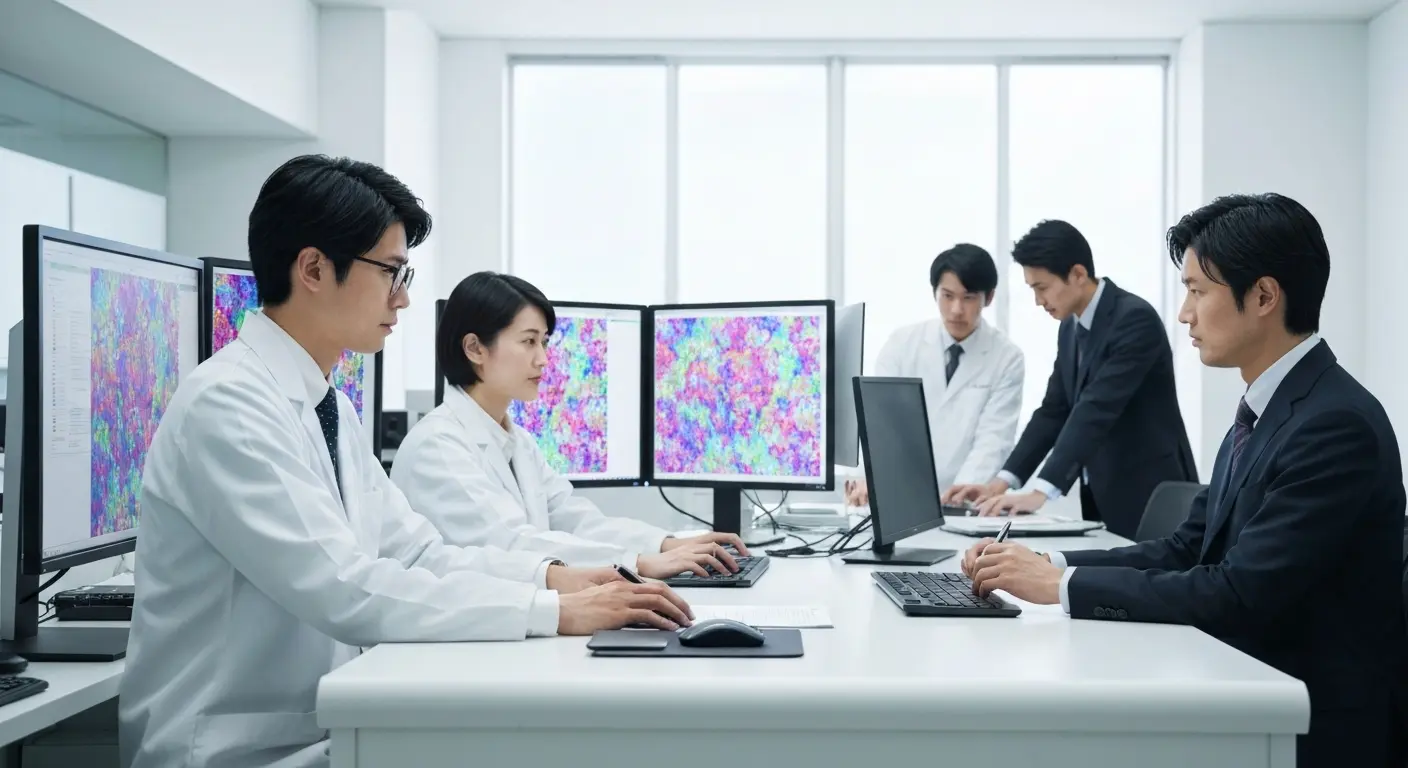 When people hear "DNA testing," they may strongly associate it with criminal investigation, but in fact its range of applications is extremely broad, and it is used in many different areas of our daily lives.
Paternity Testing (DNA Parent-Child Testing)
Confirming parent-child relationships is one of the areas of highest demand for DNA testing. It is used whenever a parent-child relationship must be scientifically proven in a legal proceeding (paternity acknowledgment claims, inheritance disputes, immigration procedures, etc.). Using current STR analysis technology, the accuracy of paternity testing is said to exceed 99.99%, giving it strong legal evidentiary weight as well. seeDNA Genetic Medical Institute also provides highly accurate DNA paternity testing services under an ISO 9001 quality management system.
Identity Confirmation in Disasters
In situations such as large-scale disasters or aircraft accidents, where conventional means of identification (fingerprints, dental records, etc.) are difficult to apply, DNA testing plays an extremely important role. In the aftermath of the 2011 Great East Japan Earthquake as well, DNA testing greatly contributed to identifying the remains of victims. Even for severely degraded or damaged samples, combining mitochondrial DNA analysis with SNP analysis makes it possible to identify individuals with high probability.
Genetic Testing and Diagnosis of Hereditary Diseases
In the medical field, the use of genetic testing is expanding ever further, including in the assessment of cancer risk, the diagnosis of hereditary diseases, and the prediction of drug sensitivity. By analyzing an individual's DNA information, it is becoming possible to identify future disease risk in advance and connect that knowledge to preventive medical intervention. This development of "genomic medicine" is inseparably linked to advances in DNA analysis technology.
Let the Drama Be a Starting Point for Deepening Your Understanding of DNA Testing
As someone involved in DNA testing, it brings me great joy to see works like "Spiral Labyrinth: DNA Forensic Investigation" reach a wide audience, spreading accurate knowledge about DNA testing and sparking interest among more people. DNA testing is by no means confined to the world of drama—it is a technology that plays a genuinely important role in our society.
For example, confirming parent-child relationships (DNA paternity testing) plays a vital role in legal proceedings and confirming family relationships. In the field of genetic testing, applications in medicine—such as assessing cancer risk and diagnosing hereditary diseases—continue to expand as well. Furthermore, an emerging technique known as "forensic genetic genealogy" cross-references crime-scene DNA against genetic databases to trace a suspect's family lineage, and in the United States there have been reported cases where this method has helped solve cases that had remained unsolved for decades.
Nothing would make me happier than if this drama sparked an interest in the world of DNA testing in even a single person, inspiring them to pursue a future career as a researcher. The field of DNA forensic investigation is expected to see further technological innovation, and the opportunities for young researchers to make their mark continue to expand. In particular, the fusion of AI and machine learning technology with DNA analysis techniques has the potential to bring about major transformation in forensic investigation going forward.
If, after watching a crime drama like "Spiral Labyrinth: DNA Forensic Investigation," you find yourself with questions about DNA testing or forensic examination, please feel free to reach out to us. seeDNA Genetic Medical Institute welcomes all kinds of questions and consultations regarding DNA testing. Our specialized staff will be happy to answer your questions in detail, so please don't hesitate to contact us.
*This article was written based on the personal views of our testing staff and is not intended as promotional content.
Frequently Asked Questions
Q1. What kind of work is "Spiral Labyrinth: DNA Forensic Investigation"?
A. It is a mystery drama starring Kei Tanaka in which a genius geneticist, working alongside a passionate detective and a beautiful forensic scientist from the crime lab, uses DNA testing to solve difficult and long-unresolved cases. The source material is a manga written by Midori Natsu and illustrated by Hiroyuki Kikuta, serialized in Shogakukan's Big Comic Special from 2012 to 2015. It is distinguished by a unique storytelling style that fuses the scientific process of DNA testing with rich human drama.
Q2. How is DNA testing actually used in real criminal investigations?
A. DNA testing is used to identify individuals from trace biological samples—such as blood, saliva, and hair—left at crime scenes. Techniques such as STR analysis enable identification of individuals with extremely high precision, contributing significantly to identifying suspects, preventing wrongful convictions, and solving previously unresolved cases. In Japan, the police also operate a nationwide DNA type database, which helps in the swift resolution of crimes spanning wide areas.
Q3. How accurate is DNA testing?
A. Current STR analysis technology simultaneously analyzes 15 to 20 or more genetic loci, achieving a theoretical probability of individual identification of one in several hundred trillion or higher. In the case of paternity testing as well, parent-child relationships can be determined with an accuracy of 99.99% or higher. However, because identical twins have nearly identical DNA sequences, conventional STR analysis alone makes it difficult to distinguish between them.
Q4. How long does DNA testing take?
A. The time required varies depending on the type of sample and the nature of the test, but for a typical DNA paternity test, results are generally available within a few days to about two weeks from the arrival of the sample. Forensic testing used in criminal investigations may take longer due to additional quality control and rigorous verification steps for the evidence. seeDNA Genetic Medical Institute is able to accommodate urgent cases flexibly, so please feel free to consult with us.
Q5. What should I do if I'd like to consult about DNA testing?
A. seeDNA Genetic Medical Institute welcomes all kinds of questions and consultations regarding DNA testing. If you have any questions about paternity testing, forensic examination, or DNA testing in general, please feel free to contact us by phone (0120-919-097), email, or our web contact form. Under an ISO 9001 quality management system, our specialized staff will respond to you with care.
The Reassuring Support of seeDNA Genetic Medical Institute
seeDNA Genetic Medical Institute is a trusted specialist institution for DNA testing and genetic testing, holding the international quality standard ISO 9001 certification and the Privacy Mark for personal information protection.
If you're concerned about family or parent-child blood relationships, or a partner's infidelity, our DNA testing specialists are here to provide the support you need for peace of mind—please feel free to contact us.
[Free Consultation with Specialized Staff]

If you have any questions,
please feel free to contact our toll-free number.
/Open every day, including weekends/
Business hours: Monday–Sunday 9:00 AM–6:00 PM
(Except public holidays)
 Author
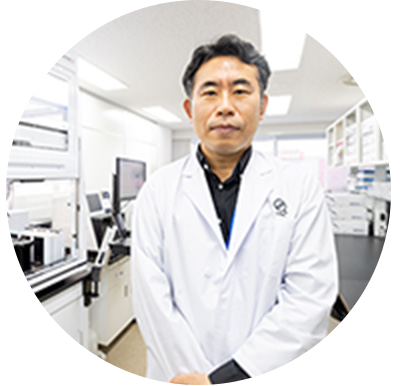
Kihan Tomikane, Ph.D. (Medicine)
Graduated from the University of Tsukuba, Master's/Doctoral Program in Biosystem Studies and Molecular Medical Sciences
In 2017, developed Japan's first prenatal DNA testing method(Patent No. 7331325) using a trace DNA analysis technique(Patent No. 7121440)