
Rewritten on: August 8, 2024
The genetic information handled in DNA typing is the ultimate personal information. This article explains the medical applications of genetic information and the risks of data leaks, and introduces seeDNA's thorough security management system in detail.
- ・DNA testing and personal information — why is genetic information called the "ultimate personal information"?
- ・Medical advances made possible by genetic information
- ・Social problems caused by genetic information leaks
- └ Specific risks caused by genetic information leaks
- ・Our efforts at seeDNA
- └ seeDNA's information protection system
- ・International trends in the protection of genetic information
DNA testing and personal information — why is genetic information called the "ultimate personal information"?
 DNA testing analyzes the DNA types a person carries in order to confirm blood relationships, and in doing so it handles extremely important "personal information." When most people hear "personal information," they probably think of things like an address, date of birth, or phone number. However, the DNA information used in DNA testing is truly the ultimate form of "personal information," in the sense that it cannot be changed and remains the same throughout a person's entire life [ref:1].
An address or phone number can be changed when you move or switch contracts, but genetic information never changes over the course of a lifetime. Moreover, genetic information affects not only the individual but also blood relatives and descendants. In other words, if one person's genetic information leaks, it can threaten the privacy of the entire extended family, not just that individual [ref:2]. For this reason, handling genetic information requires a level of care that is on an entirely different dimension from ordinary personal information such as an address or name.
Medical advances made possible by genetic information
 The image below may look like a repeating sequence of the four letters A, T, G, and C, but it actually shows a person'sNote 1 gene DNA sequence.
By analyzing a gene's DNA sequence — in other words, a person's "blueprint" — we can learn information about the probability of developing certain diseases and about physical constitution. In genomic medicine, which has been advancing rapidly in recent years, this genetic information is being used to realize "precision medicine," in which treatment is optimized for each individual patient [ref:3].
For example, in the field of cancer treatment, there are not a few cases in which patients die not from the cancer itself but from severe side effects of anticancer drugs. However, by analyzing each patient's individual genetic information, it is becoming possible to determine which treatment will minimize side effects while maximizing effectiveness. This field is known as "pharmacogenomics," a discipline that optimizes the type and dosage of medication based on specific genetic mutations [ref:4].
An era is approaching in which ultimate personalized medical care — capable of dramatically improving the treatment of difficult diseases such as cancer — will become possible. Since the completion of the Human Genome Project in 2003, the cost of whole-genome sequencing has fallen dramatically, and genome-based medicine is moving from the research stage into clinical application [ref:5].
Social problems caused by genetic information leaks
 On the other hand, as the use of genetic information spreads, the social risks that arise when such information leaks are also becoming more serious. For example, if DNA information reveals that someone is "roughly twice as likely as average to develop lung cancer" or has "a 95% or greater probability of developing cancer by age 80," it is entirely conceivable that this could make it difficult for them to obtain insurance or find employment [ref:6].
This kind of problem is known as "genetic discrimination," and it is recognized internationally as a major social issue. In the United States, the Genetic Information Nondiscrimination Act (GINA) was enacted in 2008, establishing a legal framework that prohibits discrimination based on genetic information in employment and health insurance [ref:3]. However, certain areas such as life insurance and disability insurance fall outside the scope of GINA, so it cannot be said that complete protection has been achieved.
In Japan as well, as the practical application of genome-based medicine advances, discussion of the proper management of genetic information and the prevention of discrimination is becoming more active. The Ministry of Health, Labour and Welfare's Task Force for Promoting the Practical Application of Medicine Using Genomic Information continues to discuss the need for guidelines and legislation regarding the handling of genetic information [ref:7].
Specific risks caused by genetic information leaks
- Denial of insurance coverage or unfair increases in premiums
- Disadvantage in hiring or employment due to genetic profiling
- Privacy violations affecting all blood relatives
- Occurrence of social prejudice or stigma
- Misuse in criminal investigations or identity determination
Given these risks, it is clear that organizations handling genetic information must maintain security measures at a level even higher than that required for ordinary personal information protection.
Our efforts at seeDNA
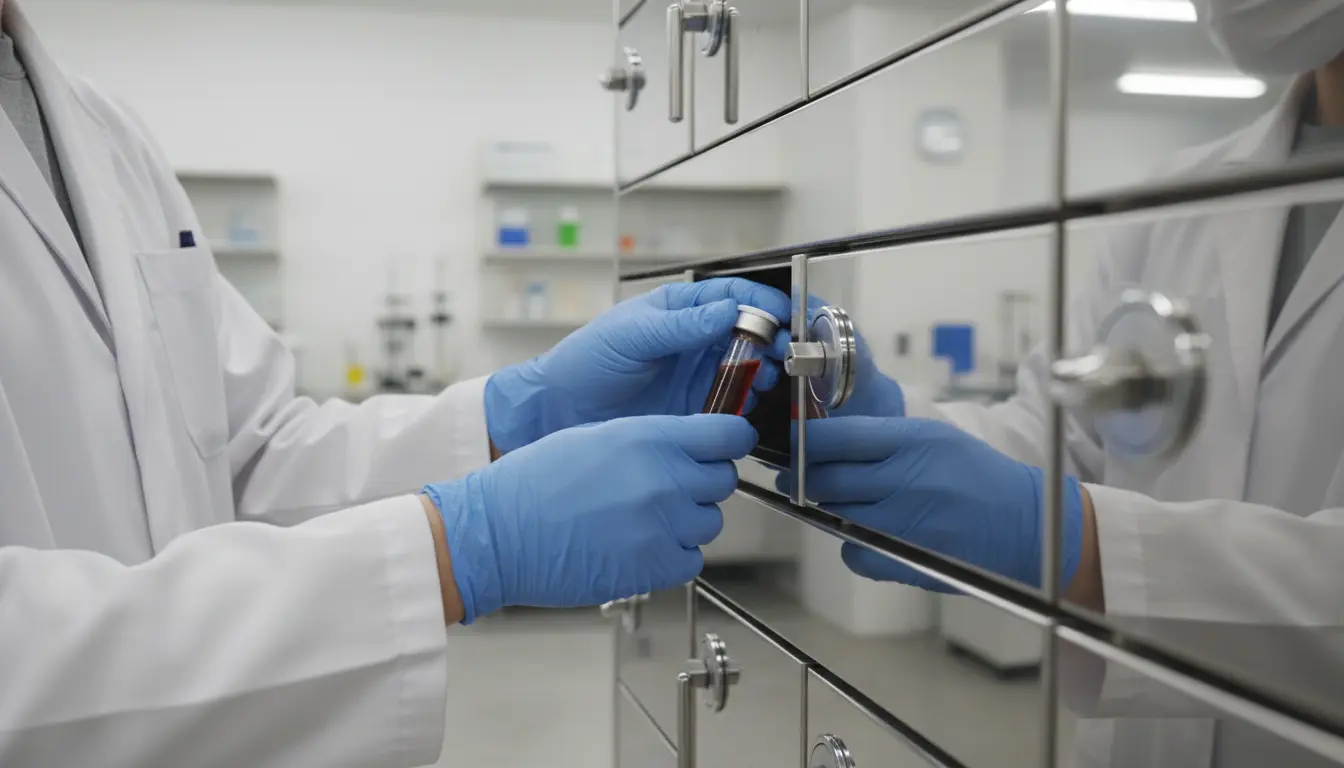
The genetic testing conducted by us at seeDNA (seeDNA Forensic Science Laboratory) handles DNA — this ultimate form of "personal information" — under the oversight of a dedicated customer information manager, with thorough security management in place.
seeDNA's information protection system
- Samples are processed under a strict management protocol from receipt through disposal
- A dedicated customer information manager is appointed, and information is managed with restricted access privileges
- After testing is complete, samples and data are safely disposed of following an appropriate retention period
- Test results are communicated only through the method specified by the requester, with thorough prevention of disclosure to third parties
- All staff regularly undergo training on personal information protection
As a result, you can undergo DNA testing without anyone around you finding out. For those considering a DNA test, the concern that "information might leak" or "others might find out" can be a significant source of anxiety. At seeDNA, we have built a consistent privacy protection system spanning everything from sample handling to reporting results, in order to relieve this anxiety.
Please feel free to request our services with confidence.
International trends in the protection of genetic information
The protection of genetic information has become an important theme worldwide, not only in DNA testing but also as the genetic testing business rapidly expands. With the spread of direct-to-consumer (DTC) genetic testing, genetic information for tens of millions of people has come to be accumulated in databases [ref:8]. If such data is not properly managed, there is a risk of large-scale genetic information leaks occurring through cyberattacks or internal misconduct.
UNESCO adopted the "Universal Declaration on the Human Genome and Human Rights" in 1997, setting forth as international principles the prohibition of discrimination based on genetic information and the protection of the confidentiality of genetic data. In addition, the EU's General Data Protection Regulation (GDPR) classifies genetic data as a "special category of personal data," imposing strict conditions on its processing [ref:5].
In Japan as well, amendments to the Act on the Protection of Personal Information and the development of related guidelines have strengthened regulations on the handling of "special care-required personal information," which includes genetic information. When requesting a DNA test, it is important to confirm whether the provider has established an information management system that complies with such laws and guidelines.
Note 1: Sequence of the human gene (GATA1) involved in hematopoiesis (from the National Center for Biotechnology Information database)
Frequently Asked Questions
Q1. Why is the genetic information handled in DNA testing called the "ultimate personal information"?
A. Unlike an address or phone number, which can be changed, genetic information never changes throughout a person's entire life, and it also affects all of that person's blood relatives. In that once it leaks it can never be undone, it is fundamentally different from other kinds of personal information.
Q2. What specific risks arise if genetic information leaks?
A. Possible risks include denial of insurance coverage, disadvantage in job hunting, privacy violations affecting the entire extended family, and the emergence of social prejudice. Once a genetic disease risk becomes known, there is a possibility of facing discriminatory treatment.
Q3. How does seeDNA manage personal information?
A. Under the oversight of a dedicated customer information manager, we process samples according to a strict management protocol from receipt through disposal. We have built a multilayered protection system that includes restricted access privileges, regular staff training, and secure methods for notifying test results.
Q4. Could a third party find out about the results of a DNA test?
A. At seeDNA, test results are communicated only through the method specified by the requester, and we thoroughly prevent disclosure to third parties. It is possible to undergo DNA testing without anyone around you finding out.
Q5. What are the benefits of using genetic information in medicine?
A. By analyzing an individual patient's genetic information, it becomes possible to select the optimal treatment while minimizing side effects. In cancer treatment in particular, precision medicine that makes use of pharmacogenomics is expected to significantly improve treatment outcomes.
Q6. Does Japan have a law prohibiting genetic discrimination?
A. Currently, Japan does not have a comprehensive law directly prohibiting genetic discrimination like GINA in the United States. However, under the Act on the Protection of Personal Information, genetic information is classified as "special care-required personal information," and strict restrictions are imposed on its acquisition and use.
Reassuring support from the seeDNA Institute of Genetic Medicine
The seeDNA Institute of Genetic Medicine is a trusted, reliable specialist institution for DNA and genetic testing, certified with the international quality standard ISO 9001 and the Privacy Mark for personal information protection.
If you are troubled by questions about family or parent-child blood relationships, or a partner's infidelity, our DNA testing experts will provide the support you need for complete peace of mind, so please feel free to contact us.
【Free consultation with specialist staff】

If you have any questions,
please feel free to contact our toll-free number.
/Open every day including weekends/
Business hours: Monday - Sunday 9:00-18:00
(excluding public holidays)
 Author
Dr. Tomikane Kihan, M.D., Ph.D.
Completed his master's and doctoral studies in Biosystem Control and Molecular Information Medicine at the University of Tsukuba Graduate School
In 2017, developed Japan's first prenatal DNA testing(Patent 7331325) using trace-DNA analysis technology(Patent 7121440)