
Rewritten on: January 20, 2025
DnaNudge, a device from London, is an innovative wristband that judges the suitability of foods based on a person's DNA (SNP) information. This article explains in detail how it works, how it's used, and the future outlook for SNP analysis.
- ・Do you pay attention to nutritional balance and portion size at mealtimes?
- ・What Is DnaNudge? — A Wearable Device That Supports Food Choices Using DNA Information
- ・How DnaNudge Works — From DNA Collection to Food Judgment
- └ What Is a SNP (Single Nucleotide Polymorphism)?
- └ An Intelligent Feature That Changes Its Judgment Depending on the Time of Day
- ・The Significance of Personalized Nutrition
- ・Expectations for Future Businesses Using SNP Analysis
- └ Diverse Applications of SNP Analysis
- ・Summary — How DNA Is Changing the Future of Eating
Do you pay attention to nutritional balance and portion size at mealtimes?
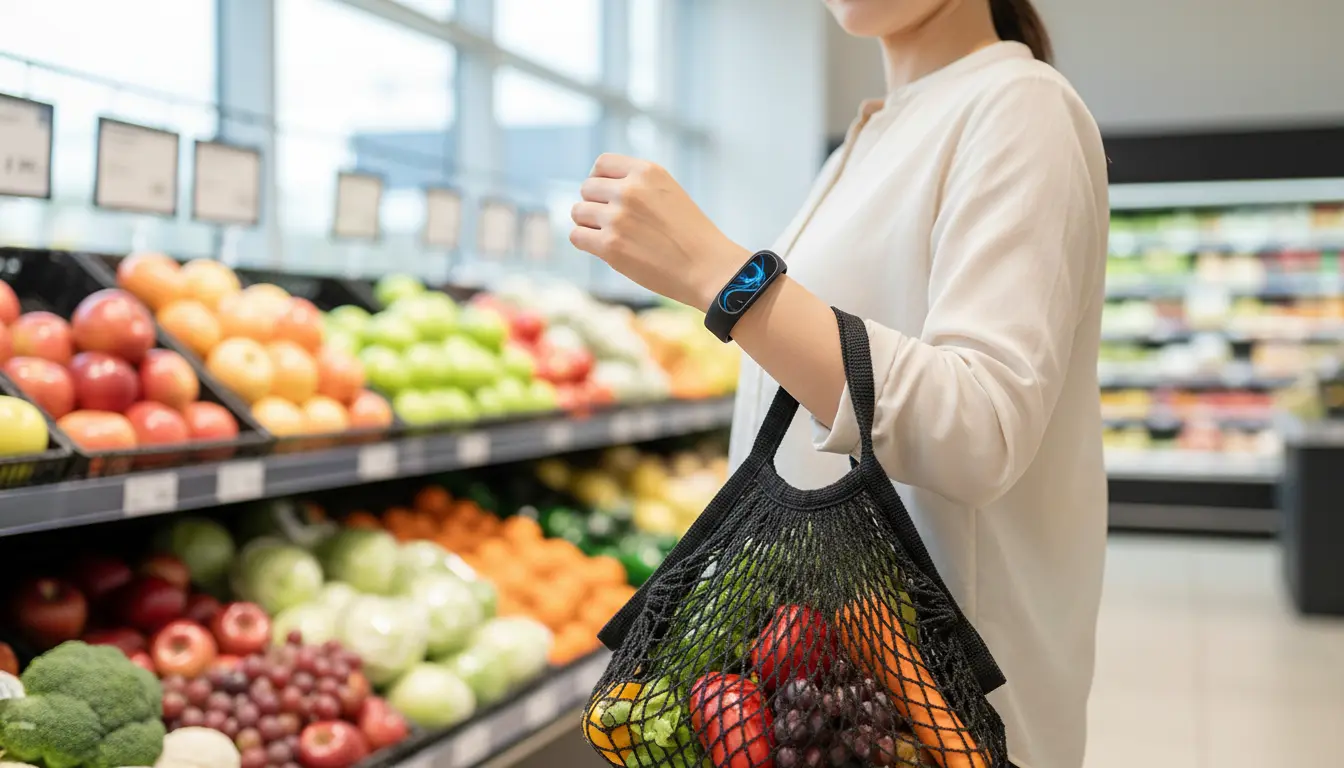 Do you pay attention to nutritional balance and portion size at mealtimes? There may well be quite a few people who "eat whatever they want, as much as they want." That said, interest in healthy eating tends to grow as we get older. Even so, the internet overflows with information on "foods you shouldn't eat too much of" and "what to eat and when," to the point where it can be genuinely confusing to know what to believe.
Japan's Ministry of Health, Labour and Welfare's "Dietary Reference Intakes for Japanese" also lays out detailed recommended nutrient amounts based on age, sex, and activity level, but these are ultimately average indicators at the population level. In reality, even among people of the same age and sex, the nutrients—and the amounts—that each individual actually needs can differ due to genetic constitution. The concept of "personalized nutrition" has been gaining rapid attention in recent years [ref:1], and one product at the forefront of this movement is a DNA-enabled wristband developed by the London-based company DnaNudge.
What Is DnaNudge? — A Wearable Device That Supports Food Choices Using DNA Information
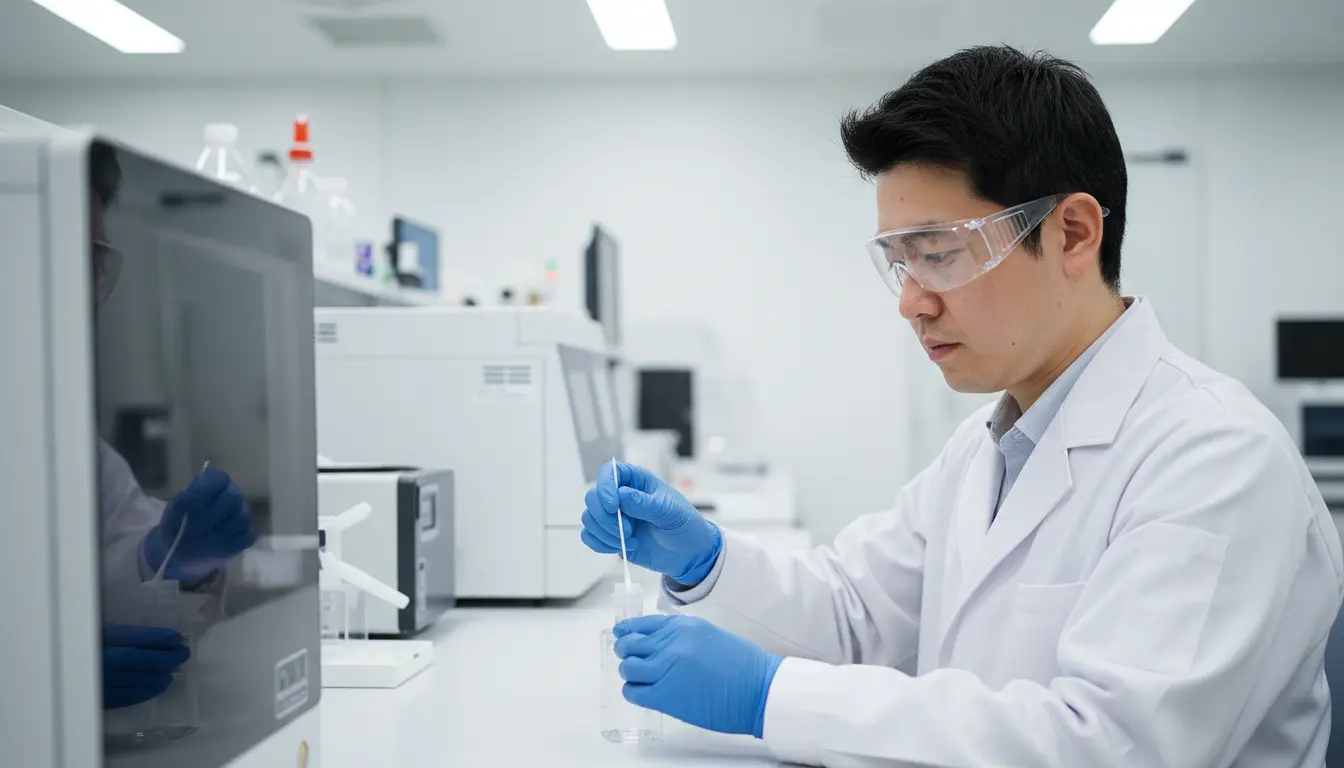 DnaNudge is a startup born out of research at Imperial College London. It has developed a wristband-type device that instantly judges whether a given food or drink is optimal for a person's body, based on that person's own DNA information [ref:2]. What makes this product groundbreaking is that, rather than simply offering advice based on generic nutritional guidelines, it uses a user's own genetic information to deliver personalized food recommendations.
How DnaNudge Works — From DNA Collection to Food Judgment
 The process of using DnaNudge is designed to be extremely simple and scientifically sound.
- Purchase a DNA Collection Kit: You purchase a DNA collection kit either at a store in the UK or online.
- Collect Cheek Cells: Using the included swab, you rub the inside of your cheek (buccal epithelium) to collect cells. This method is painless and takes only a short time.
- Seal the Sample in a Dedicated Cartridge: You place the used swab into a dedicated cartridge.
- Analysis in the DNA Extraction and Analysis Box: When the cartridge is inserted into the DNA extraction and analysis box, your DNA information is loaded onto a capsule attached to the box.
- Sharing with the Smartphone App and Wristband: The loaded genetic information is automatically shared with your smartphone app and the wristband.
- Food Judgment via Barcode Scanning: When you go shopping, scanning a product's barcode with your phone or wristband intuitively shows you, by color, whether that product is optimal for your body.
What Is a SNP (Single Nucleotide Polymorphism)?
The core technology behind DnaNudge lies in the analysis of SNPs (Single Nucleotide Polymorphisms). A SNP is a location in the DNA sequence where a single base (A, T, G, or C) differs between individuals, and there are estimated to be roughly 4 to 5 million such locations across the entire human genome [ref:3]. Recent research in nutritional genomics has shown that these SNP differences influence how efficiently nutrients are metabolized, sensitivity to specific nutrients, and how the body responds to various food components.
Representative examples include SNPs in the CYP1A2 gene, which is involved in caffeine metabolism speed; SNPs in the LCT gene, associated with lactose intolerance; and SNPs in the APOE gene, which affects lipid metabolism. By examining multiple SNPs related to nutrition and health, DnaNudge doesn't just suggest generically necessary nutrients—it identifies foods containing the nutrients each individual truly needs.
An Intelligent Feature That Changes Its Judgment Depending on the Time of Day
One fascinating feature of DnaNudge is that the same product can be judged differently depending on when its barcode is scanned. For example, when scanning the barcode of a cookie, it might be judged "optimal" during the daytime (when activity levels are higher) but "not suitable" late at night (when activity is low and it's close to bedtime). This design takes the body's metabolic rhythm (circadian rhythm) into account, showing that a sophisticated algorithm—not a mere comparison of nutritional content—is built into the system.
The Significance of Personalized Nutrition
Traditional nutrition science has been based on "dietary guidelines common to everyone," but recent large-scale studies have shown that even when people eat the same meal, how much their blood sugar rises and how much fat accumulates can differ greatly from person to person. One factor behind these individual differences is genetic background, and personalized nutrition based on SNP analysis is expected to be a powerful approach to addressing this issue.
- Enables food choices suited to your genetic constitution: For example, people whose lipid metabolism is slower can limit high-fat foods, making it possible to choose foods based on scientific evidence.
- Contributes to preventing lifestyle diseases: Knowing the nutritional balance that suits you may help reduce the risk of obesity, diabetes, high blood pressure, and other conditions.
- Makes shopping more efficient: Being able to instantly identify which of many foods suits you can shorten shopping time.
- Reduces stress around eating: It eases the mental burden of worrying about "what should I eat," allowing you to manage your health while still enjoying your meals.
Expectations for Future Businesses Using SNP Analysis
When a product like DnaNudge presents the foods best suited to each individual, it not only spares people the trouble of agonizing over a huge array of food choices, but can also be expected to help them lead healthier lives. That said, it's worth keeping in mind, for your own peace of mind, that while this product shows what is optimal for you, it is not something you are absolutely obligated to follow. Genetic information only indicates a "tendency," and actual health outcomes are also heavily influenced by lifestyle habits and environmental factors.
At present, DnaNudge operates its service mainly within the UK, but there is hope that it will one day become available in Japan as well. Within Japan, health services that make use of DNA testing are gradually spreading, with offerings such as supplement recommendations based on genetic testing and diet programs tailored to individual constitution beginning to appear [ref:4].
Diverse Applications of SNP Analysis
The SNPs that DnaNudge examines relate to nutrition and health, but the scope of SNP analysis applications extends far beyond that. In our company's (seeDNA Inc.'s) prenatal testing, we analyze the portions of SNPs that are useful for personal identification. Beyond these, SNPs contain a wide range of other information, including the following.
| Application area of SNP analysis | Overview |
|---|---|
| Disease risk prediction | Estimating susceptibility to conditions such as cancer, heart disease, and diabetes |
| Drug sensitivity | Understanding in advance how well a particular drug will work and the risk of side effects |
| Allergic tendencies | Estimating the likelihood of allergic constitutions such as food allergies or hay fever |
As SNP analysis technology continues to advance in this way, we can expect a growing variety of businesses and services that make use of genetic information to emerge across many fields. Beyond food selection, SNP data is poised to become a key factor in improving quality of life—optimizing exercise programs, selecting skincare products, and even supporting mental health management [ref:5].
Summary — How DNA Is Changing the Future of Eating
The emergence of DnaNudge symbolizes the dawn of a new lifestyle in which genetic information is used directly in everyday food choices. This technology—which grasps a person's genetic constitution through SNP analysis and uses it to judge, in real time, which foods are optimal—is opening up the future of personalized nutrition. In a modern society overflowing with nutrition information, support for making food choices grounded in scientific evidence stands to contribute greatly to the health of many people. We can look forward with great anticipation to further technological progress and global expansion of such services.
Frequently Asked Questions
Q1. Can the DnaNudge wristband be purchased in Japan?
A. As of this writing (January 2025), DnaNudge operates its service mainly within the UK, and it is not yet generally sold in Japan. That said, technologies and services related to personalized nutrition are spreading globally, and expansion into Japan is anticipated in the future.
Q2. Is SNP (single nucleotide polymorphism) testing painful?
A. Many SNP tests, including DnaNudge's, collect DNA simply by rubbing a swab against the inside of the cheek (buccal epithelium), so there is virtually no pain involved. A key advantage is that no blood draw is needed and the test can easily be done at home.
Q3. Why does the judgment result for the same product change depending on the time of day?
A. The human body has a circadian rhythm, and metabolic activity and hormone secretion change depending on the time of day. DnaNudge takes this internal rhythm into account, delivering different judgments during the daytime, when activity levels are high, versus at night, when metabolism slows—resulting in more accurate food recommendations.
Q4. How does SNP analysis differ from general DNA testing?
A. SNP analysis is a method of estimating constitution and disease risk by examining single-base differences in the DNA sequence. General DNA testing (such as paternity testing or personal identification), on the other hand, analyzes STRs (Short Tandem Repeats) or the portions of SNPs useful for personal identification. The DNA regions analyzed differ depending on the purpose.
Q5. Do I have to follow DnaNudge's judgment results without exception?
A. No. The information DnaNudge provides is merely a "recommendation" based on genetic tendencies, not an absolute directive. Actual health status is influenced not only by genetics but also by many other factors, including lifestyle habits, environmental factors, and stress. We recommend using it as reference information while consulting a doctor or registered dietitian as needed.
Q6. Does seeDNA Inc. also perform SNP analysis?
A. Our company (seeDNA Inc.) uses SNP analysis in our DNA testing services, including prenatal testing. We have strong expertise in analyzing the SNP sites useful for personal identification in particular, and we provide accurate, highly reliable test results.
Reassuring Support from the seeDNA Genetic Medicine Research Institute
The seeDNA Genetic Medicine Research Institute is a trusted, reliable specialist institution for DNA testing and genetic testing, certified under the international quality standard ISO 9001 and holding Japan's Privacy Mark for personal information protection.
If you're troubled by questions of family or parent-child blood relationships, or a partner's infidelity, our DNA testing experts are here to support you and put your mind at ease—please feel free to contact us.
[Free Consultation with Specialist Staff]

If you have any questions,
please feel free to contact our toll-free number.
/Open every day, including weekends/
Business hours: Mon–Sun 9:00 AM–6:00 PM
(excluding holidays)
 Author
Dr. Kihan Tomikane, M.D., Ph.D.
Completed a master's/doctoral program in Biological System Regulation and Molecular Medical Science at the University of Tsukuba Graduate School.
In 2017, developed Japan's first prenatal DNA testing(Patent 7331325) using a trace-DNA analysis technology(Patent 7121440)