
Rewritten: July 16, 2025
A detailed explanation of the misuse of DNA profiling and police investigation problems in the Ashikaga Incident. We provide an expert explanation of the technological limitations at the time, the dramatic improvement in precision to 1 in 21 trillion today, and the correct understanding of a 99.99% probability of paternity.
Revision date: July 16, 2025
Original article date: February 1, 2025
DNA profiling is a powerful scientific method used across a wide range of fields, from criminal investigations to paternity testing. However, there was an incident in Japan that cast serious doubt on the reliability of DNA profiling: the "Ashikaga Incident." The Ashikaga Incident is a classic example in which flaws in investigative methods and procedures — not defects in DNA profiling itself — led to a wrongful conviction. This article looks back in detail at the Ashikaga Incident and its problems, and provides expert commentary on how dramatically DNA profiling technology has advanced since then.
- ・The Ashikaga Incident and DNA Profiling
- ・Problems with the Police Investigation in the Ashikaga Incident
- └ Sample Collection Without a Warrant
- └ Inadequate Sample Identification and Storage
- └ Technological Constraints at the Time
- ・Was There a Problem with the Accuracy of the DNA Profiling?
- └ A Wrongful Conviction Caused by Misinterpreted Statistics
- ・The Accuracy of DNA Profiling Today Has Improved Dramatically
- ・What a 99.99% Probability of Paternity Really Means
- ・Recent Misconduct Cases Involving DNA Profiling and Their Lessons
- ・Making Proper Use of DNA Profiling
The Ashikaga Incident and DNA Profiling
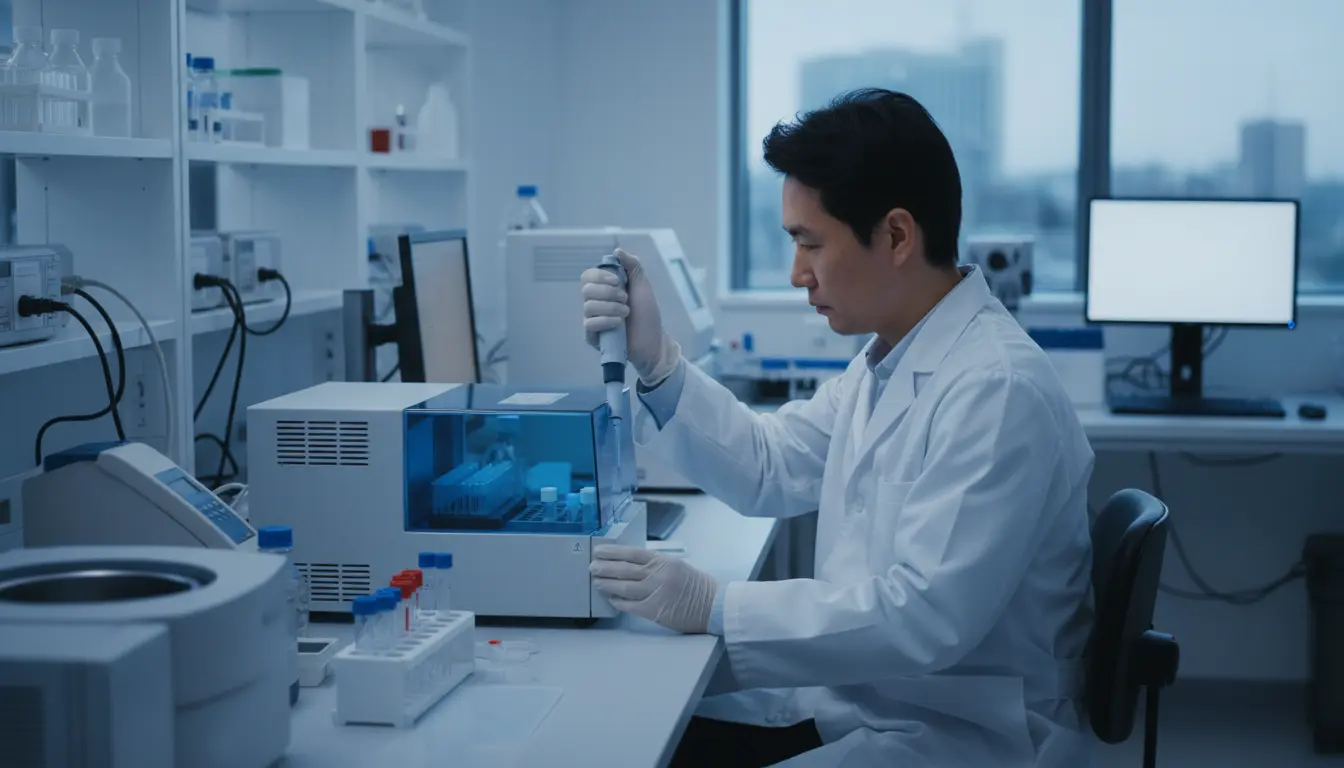 The Ashikaga Incident was the abduction and murder of a young girl that occurred in 1990 in the city of Ashikaga, Tochigi Prefecture, and it is widely known in Japan as a symbolic case of wrongful arrest and conviction. Mr. Toshikazu Sugaya, who was arrested and prosecuted in connection with this case, was forced to serve more than 17 years in prison despite being innocent. The grounds for Mr. Sugaya's conviction were the results of DNA profiling, which was cutting-edge technology at the time.
Media coverage of the case at the time led many people to become suspicious of whether DNA profiling could be trusted at all. However, the fundamental problem in this case lay not in the DNA profiling technology itself, but in how the investigating authorities operated, handled, and interpreted the testing [ref:1]. To understand the Ashikaga Incident correctly, it is necessary to separate the technological constraints of the time from the problems in the investigative process.
Problems with the Police Investigation in the Ashikaga Incident
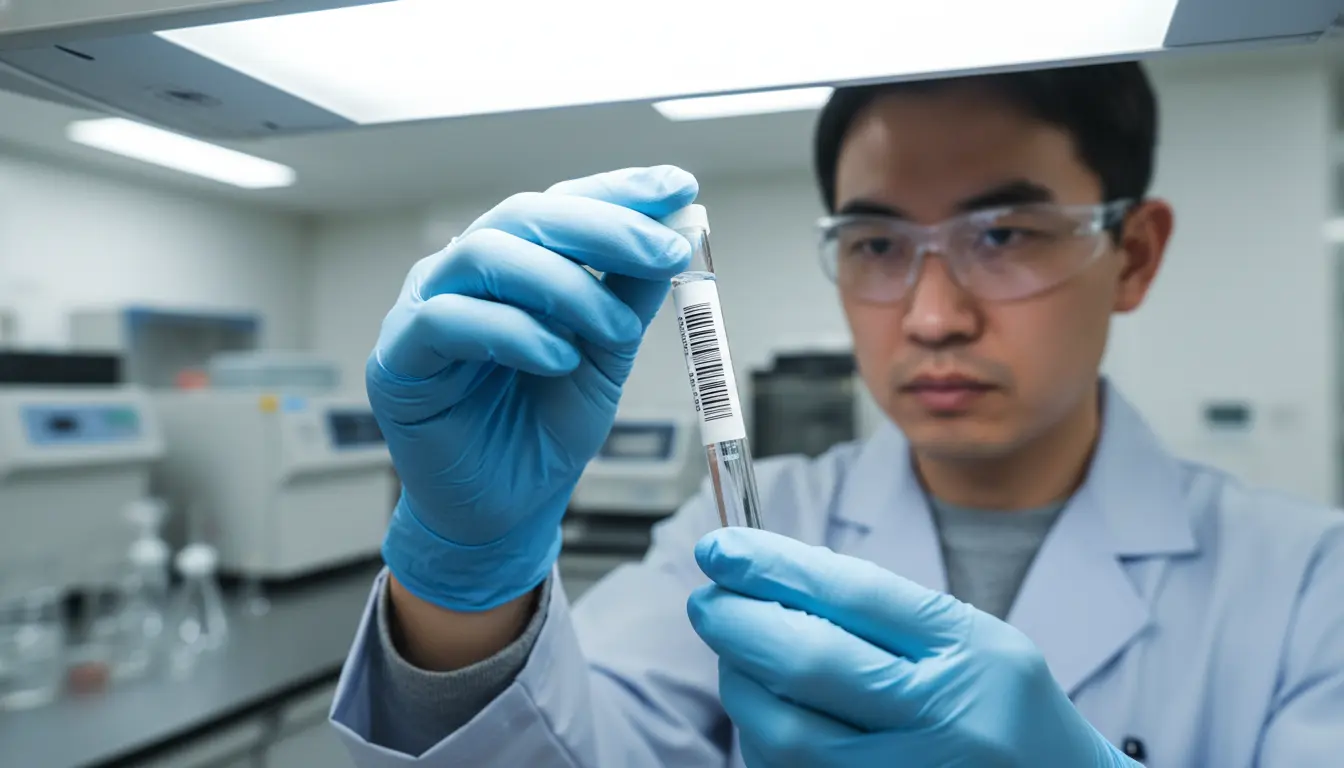 In the Ashikaga Incident, several serious problems were identified in the police's investigative methods. These problems fundamentally undermined the reliability of the DNA profiling and became a direct cause of the wrongful conviction.
Sample Collection Without a Warrant
One of the most serious problems was that the police seized the defendant's discarded waste without a warrant and collected a sample for DNA profiling from it. Under Japan's Code of Criminal Procedure, investigative authorities are, in principle, required to obtain a court warrant when collecting evidence. This investigative act, which disregarded legal procedure, is a serious violation that could undermine the very legality of the evidence.
Inadequate Sample Identification and Storage
Compounding the problem further, the identification of the collected sample was insufficient, and it was not stored properly. In DNA testing, "chain of custody" — ensuring the identity of the sample — is an essential element for guaranteeing the reliability of the test results. If this management is sloppy, then even the most advanced technology cannot legitimately produce a result that qualifies as legal evidence.
Technological Constraints at the Time
The DNA profiling method used at the time of the Ashikaga Incident was called the "MCT118 method (DQ-alpha method)," and its precision was extremely low compared to today's technology. This method could distinguish only a limited number of DNA patterns, making the probability of a coincidental match far higher. Treating this method as if it provided "decisive evidence," without properly recognizing its technological limitations, was one of the factors that led to the wrongful conviction [ref:1].
- Collecting evidence without a warrant constitutes a violation of legal procedure
- The sample storage and management system was inadequate
- The testing technology of the time had limited precision for individual identification
- The DNA profiling results were overtrusted, and verification against other evidence was insufficient
- The investigating authorities did not accurately understand the statistical meaning of the test results
Was There a Problem with the Accuracy of the DNA Profiling?
 The DNA profiling at the time of the Ashikaga Incident produced a figure stating "a 1.244 in 1,000 probability of being the perpetrator." By today's standards, this probability represents extremely low discriminating power, and is insufficient to identify an individual.
A Wrongful Conviction Caused by Misinterpreted Statistics
What matters is correctly understanding the statistical meaning of this "1 in 1,000" figure. If the suspect pool had first been sufficiently narrowed down through investigation before DNA profiling was carried out, this level of precision could have served as strong corroborating evidence. However, when DNA profiling alone is relied upon without narrowing down from a broad population, the actual probability of having identified the true perpetrator drops sharply.
For example, considering the adult male population around the city of Ashikaga, it was entirely possible that multiple people shared the same DNA type. Ignoring this statistical limitation and treating the DNA profiling result as "decisive evidence" was the direct cause of the wrongful conviction.
For DNA profiling to serve as the deciding factor in an investigation, the police needed to correctly understand its statistical limitations and make a comprehensive judgment together with other evidence, such as physical evidence, eyewitness testimony, and alibi verification. DNA profiling is not an all-powerful tool, and it is essential to position it appropriately as one piece of scientific evidence among others.
The Accuracy of DNA Profiling Today Has Improved Dramatically
Compared with the time of the Ashikaga Incident, DNA profiling technology has advanced beyond comparison. The original testing precision was around 1 in 2,000, but today's testing technology, centered on the STR (Short Tandem Repeat) method, has reached an astonishing precision of 1 in 21,000,000,000,000 (21 trillion) [ref:1].
- Early DNA profiling (late 1980s to early 1990s): Testing using the MCT118 method. Precision was around 1 in 2,000, and individual identification capability was limited.
- Introduction of PCR (mid-1990s): Amplification and analysis became possible even from trace amounts of DNA, greatly easing constraints on samples.
- Establishment of the STR method (2000s to present): Multiplex STR methods that analyze multiple genetic loci simultaneously became standardized, dramatically improving discrimination precision.
- Application of next-generation sequencing (NGS): Even higher precision and sensitivity analysis has become possible, yielding useful results even from mixed or degraded samples.
Thanks to this dramatic technological progress, testing results with a probability of paternity of 99.9999% or higher can now be obtained. Today's DNA profiling is recognized around the world as the most reliable method of individual identification in the field of forensic science. Some people may feel uneasy because of past cases like the Ashikaga Incident, but it is important to correctly understand that the cause of the wrongful conviction was not the testing technology itself, but the investigative methods and how the technology was applied at the time.
What a 99.99% Probability of Paternity Really Means
DNA profiling is used not only in criminal investigations but also widely in confirming parent-child relationships (paternity testing). It is important to correctly understand the "probability of paternity" figure shown in paternity test results.
A "99.99% probability of paternity" tends to be conceptually interpreted as "there is a 99.99% probability of a biological parent-child relationship," but more precisely it means "there is a probability extremely close to 100% that a parent-child relationship exists." In other words, it indicates that "the probability of there being no parent-child relationship is extremely low (less than 0.01%)," meaning that, in practical terms, denying the parent-child relationship becomes very difficult.
However, when some testing providers briefly explain this as simply "a 99.99% probability," it can create the misunderstanding that "there is a 0.01% chance the relationship doesn't exist." In reality, this figure arises from the constraints of statistical expression, and a result of 99.99% or higher probability of paternity obtained with modern DNA profiling technology is effectively equivalent to a confirmed result.
At seeDNA, we conduct DNA profiling at the highest level of precision available in Japan, and we also take care to carefully explain the accurate interpretation of figures like these.
About the Precision of Our DNA Profiling
Recent Misconduct Cases Involving DNA Profiling and Their Lessons
Even now, roughly 30 years after the Ashikaga Incident, problems with the operation of DNA profiling have not been completely resolved. The DNA profiling misconduct case at the Saga Prefectural Police Forensic Science Laboratory, which came to light in 2024, once again raised questions about the management systems for DNA testing within investigative authorities [ref:2] [ref:3].
In this case, it was revealed that a former staff member had engaged in misconduct in approximately 130 DNA profiling cases over a seven-year period. Falsification of test results and omission of procedures were pointed out, raising concerns about the impact on the investigations of related criminal cases [ref:4]. The National Police Agency conducted a special inspection and began working to determine the cause and formulate measures to prevent recurrence [ref:3].
This case shows that the reliability of DNA profiling depends not only on the precision of the technology, but also heavily on the quality management system, ethical standards, and third-party auditing of the organization conducting the testing. At seeDNA, a private testing organization, we conduct testing under a quality management system that complies with ISO certification, following strict procedures.
Making Proper Use of DNA Profiling
The most important lesson to be learned from the Ashikaga Incident and the Saga Prefectural Police misconduct case is that the value of the scientific technology of DNA profiling is greatly affected by the people and organizations that operate it. Today's DNA profiling technology boasts an overwhelming precision of 1 in 21 trillion, and its reliability as a scientific method is at an extremely high level.
However, no matter how high the precision, if proper procedures are not followed at every stage — sample collection, management, analysis, and reporting — the evidentiary value of the results will be undermined. When requesting DNA profiling, it is important to check the following points.
- Whether the testing organization complies with international quality standards (such as ISO)
- Whether the process from sample collection to testing is transparent and traceable
- Whether you receive an accurate and careful explanation of the statistical meaning of the test results
- Whether a system of third-party auditing and quality control is in place
- Whether the examiners have sufficient qualifications and experience
seeDNA Inc. provides testing services, from forensic testing to paternity testing, based on the latest technology and strict quality control. If you have any questions or concerns about DNA profiling, please feel free to contact us [ref:5].
Frequently Asked Questions
Q1. What was the Ashikaga Incident?
A. The Ashikaga Incident was the abduction and murder of a young girl that occurred in 1990 in the city of Ashikaga, Tochigi Prefecture, and it is a symbolic case of wrongful arrest and conviction in Japan. Because the DNA profiling of the time was applied improperly, an innocent man, Mr. Toshikazu Sugaya, was forced to serve more than 17 years in prison. The essence of the case lies not in defects in the testing technology itself, but in problems with the police's investigative methods and their interpretation of the test results.
Q2. How much has the precision of DNA profiling improved?
A. At the time of the Ashikaga Incident, DNA profiling had a precision of around 1 in 2,000, but today's testing technology using the STR method has reached a precision of 1 in 21,000,000,000,000 (21 trillion). This has made it possible to obtain results with a probability of paternity of 99.9999% or higher, dramatically improving reliability in individual identification.
Q3. What does a 99.99% probability of paternity mean?
A. A 99.99% probability of paternity means "there is a probability extremely close to 100% that a biological parent-child relationship exists." Due to the constraints of statistical expression, it is not displayed as 100%, but when this figure is obtained, it is effectively impossible to deny the parent-child relationship. The 0.01% of "uncertainty" is a theoretical figure, and it can practically be regarded as equivalent to a confirmed result.
Q4. How should the police make use of DNA profiling?
A. DNA profiling is not an all-powerful piece of evidence, and it must be judged comprehensively together with other physical evidence, eyewitness testimony, alibi verification, and the like. It is essential to lawfully collect samples, ensure chain of custody, and accurately understand the statistical meaning of the test results. Additionally, as shown by the Saga Prefectural Police misconduct case, the quality management system of the testing organization and mechanisms for third-party auditing are also important.
Q5. In what situations is DNA profiling used today?
A. Today, DNA profiling is used in a wide range of fields, including individual identification in criminal investigations, legal evidence in court, confirmation of parent-child relationships (paternity testing), identification of unidentified remains, and identifying victims after disasters. seeDNA provides testing services based on the latest technology and strict quality control, ranging from forensic testing to paternity testing for individuals.
Q6. Are there any points to consider when choosing a testing organization for DNA profiling?
A. When requesting DNA profiling, it is important to check: ① compliance with international quality standards (such as ISO), ② transparency and traceability of sample management, ③ careful explanation of the test results, ④ whether a third-party auditing system is in place, and ⑤ the qualifications and experience of the examiners. Choosing a trustworthy testing organization is fundamental to obtaining results that are accurate and legally valid.
Reliable Support from seeDNA Genetic Medicine Research Institute
seeDNA Genetic Medicine Research Institute is a trusted and reliable specialist organization for DNA testing and genetic testing, certified with the international quality standard ISO 9001 and the Privacy Mark for personal information protection.
If you are troubled by questions about family or parent-child blood relationships, or a partner's infidelity, our DNA testing experts are here to provide you with reassuring support, so please feel free to contact us.
[Free Consultation with Our Specialist Staff]

If you have any questions,
please feel free to contact our toll-free number.
/Open every day, including weekends/
Business hours: Monday–Sunday 9:00 AM–6:00 PM
(except public holidays)
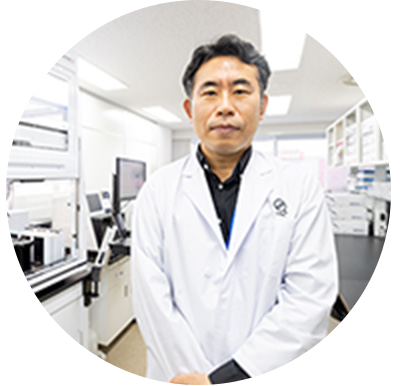 Author
Yoshinori Tomikane, M.D., Ph.D.
Graduated from the Master's/Doctoral program in Biosystem Studies and Molecular Informative Medicine, Graduate School of the University of Tsukuba
In 2017, developed Japan's first prenatal DNA testing(Patent No. 7331325) using trace-amount DNA analysis technology(Patent No. 7121440)