
Last revised: June 24, 2024
DNA, genes, and chromosomes are often confused, but each is a distinct concept. DNA is a macromolecule made of nucleotides, a gene is a specific region on DNA that carries genetic information, and a chromosome is a structure that stably stores DNA. In this article, an expert thoroughly explains the differences and relationships among these three terms.
- ・Are "DNA" and "Genes" the Same Thing? Clearing Up a Common Confusion
- ・The Structure of DNA and the Precise Definition of a "Gene"
- ・The Role of Non-Coding Regions — Is "Junk DNA" Really Unnecessary?
- ・Understanding the Relationship Between DNA and Chromosomes Correctly
- └ 3 Steps to Organize the Relationship Between DNA, Genes, and Chromosomes
- └ Why Precise Use of Terminology Matters
- ・Situations Where Understanding Terminology Is Required in DNA Testing and Genomic Medicine
- ・Epigenetics and Gene Expression — The Mechanisms of Heredity That DNA Alone Cannot Explain
- ・The Difference Between Genome and DNA — Another Easily Confused Concept
- ・Mitochondrial DNA — Another Form of Genetic Information Distinct from Nuclear DNA
- ・Summary: Correctly Distinguish and Make Use of the Three Concepts
Are "DNA" and "Genes" the Same Thing? Clearing Up a Common Confusion
 Working in the field of DNA testing, I am constantly reminded of how many people confuse the terms "DNA" and "gene." It is not unusual, even in everyday conversation and news reports, for DNA and genes to be used almost as synonyms. Phrases like "this child has inherited their father's DNA" or "they're similar at the genetic level" show how both terms have become widely used, in a vague sense, to refer to "innate characteristics."
However, aside from those who have studied the subject professionally, not many people can accurately explain the meaning of these terms. And when the term "chromosome" is added to the mix, the confusion deepens even further. In fact, even general dictionaries and encyclopedias sometimes define DNA and genes ambiguously, which is one factor that fuels this confusion. [ref:1]
Part of the reason for this confusion lies in the nuance of the Japanese word for "gene" (遺伝子), which literally reads as "something that is inherited," giving the impression that it broadly refers to "anything related to heredity." As a result, people tend to use it loosely to mean DNA as a whole, or even chromosomes. In English too, "gene" and "DNA" are sometimes confused in everyday usage, but in Japanese the characters that make up the word for "gene" themselves seem to further invite this confusion.
This confusion has also been pointed out in educational settings. Multiple studies on science education have reported that many high school students fail to correctly distinguish between the concepts of DNA, genes, genomes, and chromosomes. In particular, it has been noted that the oversimplified equations "DNA = gene" and "gene = chromosome" tend to become fixed in learners' minds, hindering more advanced understanding of genetics later on. These misunderstandings are also routinely reproduced in media coverage, making it increasingly important to have accurate knowledge. [ref:9]
Here, we will carefully sort out the three important concepts of DNA, genes, and chromosomes one by one, clarifying their differences and relationships. Accurately understanding these three terms is essential not only for correctly interpreting the results of DNA testing, but also for properly evaluating information related to genomic medicine and genetic testing, which have become increasingly widespread in recent years.
The Structure of DNA and the Precise Definition of a "Gene"
 DNA is the abbreviation for "deoxyribonucleic acid," a macromolecule formed by many nucleotides — each composed of deoxyribose (a sugar), a phosphate group, and a base — linked together. The elucidation of its double-helix structure by James Watson and Francis Crick in 1953 is widely regarded as one of the greatest discoveries in the history of life science. DNA is made up of four types of bases: adenine (A), thymine (T), guanine (G), and cytosine (C), and genetic information is recorded through the specific order in which these bases are arranged. [ref:2] [ref:3] [ref:4]
In this double-helix structure, adenine (A) always pairs with thymine (T), and guanine (G) always pairs with cytosine (C) via hydrogen bonds. It is this mechanism of "complementary base pairing" that allows DNA to be accurately replicated and genetic information to be faithfully passed on to daughter cells with every cell division. Because two hydrogen bonds form between A and T, while three form between G and C, regions with a higher GC content tend to be more thermally stable. This principle of complementarity underpins DNA analysis technologies such as PCR (polymerase chain reaction), and is also the scientific basis for the high accuracy achieved in DNA testing. [ref:3]
Here is a very important point: not all of the base sequence in DNA functions as genetic information. The human genome (the entire DNA sequence) consists of approximately 3 billion base pairs, but the portion that actually codes for protein — that is, the portion that functions as genes — makes up only about 1.5 to 2% of the total. This figure may come as a surprise to many people. In other words, of the vast amount of DNA in our bodies, only a tiny fraction actually functions directly as a "blueprint."[ref:5]
The remainder is called non-coding regions, and was once referred to as "junk DNA." However, recent research has revealed that much of this region plays important roles, such as regulating gene expression. The results of the ENCODE (Encyclopedia of DNA Elements) project, published in 2012, suggested that more than about 80% of the human genome has some kind of biochemical function. [ref:5] [ref:6]
The Human Genome Project, completed in 2003, revealed that the number of human genes is far smaller — approximately 20,000 to 25,000 — than had previously been predicted (around 100,000). This result came as a great shock to the scientific community at the time. The number of human genes is not much different from that of the roundworm (C. elegans), which has about 20,000 genes, giving rise to a new paradigm: the complexity of an organism is determined not simply by the number of genes, but by the complexity of gene expression regulation and protein interaction networks. [ref:10]
In other words, DNA contains both portions that carry genetic information and portions that do not, and the portion of DNA that carries this genetic information is called a "gene." DNA is therefore the substance that holds genes (genetic information), which is why it is often called the "carrier of genes" or the "carrier of genetic information."
The process by which a gene produces a protein is called the "central dogma," and proceeds through the flow of information DNA → RNA → protein. Specifically, the gene region of DNA is first "transcribed" into mRNA (messenger RNA), and that mRNA is then "translated" by ribosomes to synthesize a protein. In eukaryotes, gene regions consist of alternating protein-coding "exons" and non-coding "introns," and after transcription, a process called "splicing" removes the introns to produce mature mRNA. Through "alternative splicing," a single gene can produce multiple different proteins, and it is thought that the roughly 20,000 human genes give rise to an estimated 100,000 or more different proteins. This complexity itself shows why DNA and genes cannot simply be treated as identical.
This relationship can be summarized as follows.
- DNA is a macromolecule formed by a chain of nucleotides made of deoxyribose, phosphate, and bases
- The order (sequence) of the bases functions as genetic information, but not every sequence constitutes genetic information
- A gene refers to a specific region on DNA that carries genetic information
- In humans, the regions that function as genes make up only about 1.5 to 2% of the entire DNA sequence
- DNA is the substance referred to as the "carrier of genes" or the "carrier of genetic information"
- The total number of human genes is estimated at approximately 20,000 to 25,000
- The flow of information from gene to protein (the central dogma) proceeds in the order DNA → RNA → protein
- Through alternative splicing, a single gene can give rise to multiple types of proteins
The Role of Non-Coding Regions — Is "Junk DNA" Really Unnecessary?
 As mentioned earlier, only about 1.5 to 2% of human DNA consists of protein-coding gene regions. So is the remaining roughly 98% completely functionless "junk"? Many researchers once thought so, calling this region "junk DNA." However, large-scale genome analysis projects since the 21st century have revealed one important function after another within these non-coding regions. [ref:5]
Within non-coding regions are numerous regulatory sequences called promoters and enhancers, which control gene expression. Promoters are located upstream of genes and function as a "landing site" where RNA polymerase begins transcription. Enhancers can be located tens of thousands to hundreds of thousands of base pairs away from a gene, and act remotely to boost a gene's transcriptional activity through three-dimensional looping structures in chromatin. These regulatory sequences issue "instructions" about when, where, and how much of a protein should be produced, and are essential for an organism's development and cell differentiation. [ref:6]
Non-coding DNA also contains regions that code for RNA molecules known as non-coding RNAs (ncRNAs), which are known to be involved in fine-tuning gene expression and maintaining chromatin structure. Representative examples include microRNA (miRNA) and long non-coding RNA (lncRNA), which are also thought to be deeply involved in regulating cell proliferation and in the mechanisms of cancer development. miRNAs negatively regulate gene expression by binding to target mRNAs and suppressing their translation or promoting their degradation, while lncRNAs serve a variety of functions, such as acting as guides for chromatin-modifying complexes.
Furthermore, STRs (Short Tandem Repeats), which are used in DNA testing, are also found in these non-coding regions. STRs are regions where a short sequence of about 2 to 6 bases repeats consecutively, and because the number of repeats differs from person to person, they serve as extremely useful markers for personal identification and paternity testing. For example, a 4-base repeat such as "GATA" might repeat 8 times in one person and 12 times in another, and by analyzing multiple STR regions simultaneously, an individual can be identified with near certainty. [ref:5]
Non-coding regions also contain large numbers of sequences called transposons (transposable elements). Transposons are DNA sequences that have the ability to change position within the genome, and are estimated to make up about 45% of the human genome. Representative examples include LINEs (Long Interspersed Nuclear Elements) and SINEs (Short Interspersed Nuclear Elements), particularly Alu sequences. Once regarded as merely "parasitic sequences," they are now understood to have served as a driving force in generating new gene regulatory sequences over the course of evolution, and are believed to have made important contributions to genomic diversity and evolution. Numerous cases have been reported in which transposon insertions gave rise to new enhancers or promoters, or altered the function of existing genes. [ref:11]
In addition, telomeres — repetitive sequences (in humans, repeats of TTAGGG) that protect the ends of chromosomes — and centromeres — repetitive sequences located at the center of chromosomes — are also classified as non-coding regions. Telomeres shorten with every cell division, and their relationship to cellular aging and carcinogenesis has drawn attention. Centromeres function as the site where the spindle apparatus attaches during cell division, playing an essential role in the accurate distribution of chromosomes.
In this way, far from being "unnecessary regions," non-coding regions play important roles in a wide range of areas, from maintaining and regulating life processes to forensic science. The term "junk DNA" is a concept that scientific progress has thoroughly overturned.
Understanding the Relationship Between DNA and Chromosomes Correctly
Now that we understand the difference between DNA and genes, let's also clarify another commonly confused term: "chromosome." A chromosome refers to the structure that stably holds DNA within a cell. However, its form varies greatly depending on the type of organism.
In prokaryotes such as E. coli (organisms without a nuclear membrane), a single circular DNA molecule is typically present in the cell. In prokaryotes, this circular DNA itself is called the chromosome. In eukaryotes such as humans (organisms with a nuclear membrane), however, the situation is entirely different. Eukaryotic DNA is compactly folded by wrapping around proteins called histones, existing as fibrous structures within the nucleus. In eukaryotes, this structure is called a chromosome, and the number varies depending on the species. Humans, for example, have 23 pairs, or 46 chromosomes in total. [ref:7]
If all the DNA in a human body were stretched out, it is said to reach a length of about 2 meters. Storing such an enormous molecule within a cell nucleus only a few micrometers in size (1 micrometer = 1/1000 of a millimeter) requires a highly sophisticated folding mechanism. The structure formed when DNA wraps approximately 1.7 times around an octamer of histone proteins (a histone octamer) is called a nucleosome, which is further coiled into chromatin fiber, ultimately taking the condensed X-shaped or I-shaped form observed as a "chromosome" during cell division. In this way, a chromosome is a highly organized structure for efficiently storing and managing DNA.
The folding of chromosomes is not merely a matter of physical storage. Recent research has revealed that the three-dimensional structure of chromosomes (the higher-order structure of chromatin) is deeply involved in regulating gene expression. There exist units of chromatin structure called TADs (Topologically Associating Domains), within which enhancers and promoters preferentially interact with one another, enabling precise regulation of gene expression.
Chromosome structure is also deeply connected to gene expression. In regions of densely condensed chromatin called "heterochromatin," gene transcription is suppressed, whereas in the more open structure of "euchromatin," transcription is active. In other words, the physical state of how DNA is folded to form chromosome structure is an important factor determining whether a gene actually functions.
Of the human's 23 pairs (46 total) of chromosomes, 22 pairs (44 chromosomes) are called autosomes, and the remaining pair (2 chromosomes) is called the sex chromosomes. The sex chromosomes consist of the X chromosome and the Y chromosome, with females having an XX combination and males an XY combination. This chromosomal makeup is deeply involved in determining an individual's biological sex. Each chromosome carries a specific set of genes; for example, when chromosome 21 is present in three copies (trisomy 21), Down syndrome results — illustrating how numerical chromosomal abnormalities can have serious clinical consequences. Structural chromosomal abnormalities are also known, including translocation (a segment of one chromosome attaches to another chromosome), deletion (a segment of a chromosome is lost), inversion (a segment of a chromosome is reversed), and duplication (a segment of a chromosome is present two or more times), each of which can cause its own characteristic clinical symptoms.
3 Steps to Organize the Relationship Between DNA, Genes, and Chromosomes
Let's organize the relationship among these three concepts step by step, using the following approach.
- Understand DNA: First, grasp that DNA is a substance made of a chain of nucleotides (sugar, phosphate, and base). Information is recorded in the sequence patterns of the four types of bases (A, T, G, C). It takes a double-helix structure, in which A pairs complementarily with T, and G with C, forming a stable double strand. Human DNA consists of approximately 3 billion base pairs, and if fully stretched out would measure about 2 meters in length.
- Understand genes: Of the entire DNA base sequence, the functional portions that carry instructions for protein synthesis or information for RNA molecules are called "genes." DNA is the name for the substance as a whole, while a gene refers to a specific functional region within it. Humans are estimated to have approximately 20,000 to 25,000 genes. The process from gene to protein involves multiple steps: transcription, splicing, and translation.
- Understand chromosomes: A "chromosome" is the structure that an extremely long DNA molecule takes in order to exist stably within a cell. In eukaryotes, DNA wraps around histone proteins and is highly folded, while in prokaryotes, the circular DNA itself is called the chromosome. Humans have 23 pairs, or 46 chromosomes in total, one pair of which is the sex chromosomes (X and Y). Chromosome structure also affects gene expression.
To put the relationship among these three concepts simply: a "gene" is a functional region that exists on top of the substance called "DNA," and a "chromosome" is the structure that stores this lengthy "DNA." To use a book as an analogy, DNA is the paper and ink (the physical substance), a gene is the meaningful text written on the paper (the information), and a chromosome is the bound book itself that gathers the pages together.
| Term | Definition | Specific Example (Humans) |
|---|---|---|
| DNA | A macromolecule formed by a chain of nucleotides | A genome of approximately 3 billion base pairs |
| Gene | A functional region on DNA that carries genetic information | Approximately 20,000 to 25,000 |
| Chromosome | A structure that stores DNA | 23 pairs, 46 total |
Why Precise Use of Terminology Matters
It is common to see documents that treat DNA, genes, and chromosomes as nearly synonymous. In everyday communication, this may not cause much of a problem. However, in the fields of medicine and biology — particularly in DNA testing and genetic medicine — it is extremely important to use each term precisely and correctly.
For example, DNA testing mainly involves analyzing short repeating base sequences (STRs: Short Tandem Repeats) located in non-coding regions of DNA that do not function as genes. This means the process is not "examining genes," but rather "analyzing a specific region on DNA." If one mistakenly believes that "DNA testing = examining genes," it becomes difficult to correctly understand how testing works and what its results mean.
Confusing these terms can also cause serious problems in clinical settings. For instance, "chromosomal abnormality" and "genetic mutation" are entirely different concepts. A chromosomal abnormality refers to a condition in which the number or structure of chromosomes is abnormal, as in Down syndrome (trisomy 21), while a genetic mutation refers to a change in the base sequence of a specific gene. The methods used to detect them also differ: chromosomal abnormalities are detected through karyotype analysis or microarray analysis, while genetic mutations are identified through sequencing (decoding the base sequence). Confusing these can lead to misunderstanding a doctor's explanation or misinterpreting test results.
Furthermore, in recent years, direct-to-consumer (DTC) services calling themselves "genetic testing" have also increased. Some of these services estimate disease risk or physical traits based on the analysis of single nucleotide polymorphisms (SNPs), but in reality they examine only a very small portion of SNP sites within the entire genome. Understanding the differences between DNA, genes, and genomes is important for correctly grasping the content and limitations of such services. Over- or under-evaluating the results of DTC genetic testing can lead to unnecessary anxiety or false reassurance.
Situations Where Understanding Terminology Is Required in DNA Testing and Genomic Medicine
In genomic medicine, which has been advancing rapidly in recent years, correctly understanding the differences between DNA, genes, and chromosomes is essential for properly interpreting information related to one's own health. For example, in cancer genomic medicine, an approach is spreading in which the DNA of tumor tissue is analyzed to identify specific gene mutations in order to select the optimal treatment drug. In Japan, the "cancer gene panel test," which became covered by insurance in June 2019, analyzes hundreds of gene regions at once to search for mutations that could serve as treatment targets. In this case, the subject of analysis is not "DNA" as a whole, but specific "gene" regions related to cancer.
Prenatal testing (NIPT: Non-Invasive Prenatal Testing) analyzes cell-free DNA (cfDNA) derived from the fetus that is present in the mother's blood, in order to screen for numerical abnormalities (such as trisomy) in the fetus's "chromosomes." Here, "DNA" is used as the material to estimate abnormalities in "chromosomes," rather than directly analyzing a specific "gene." NIPT technology has been made possible by advances in next-generation sequencing (NGS), which enables highly accurate detection of numerical chromosomal abnormalities by statistically analyzing the chromosome-of-origin ratios of cfDNA fragments in maternal blood. In this way, accurately understanding testing and medical care requires being able to clearly distinguish among these three terms. [ref:1]
In the field of DNA testing, in addition to paternity and kinship testing, there are many applications such as forensic personal identification and criminal investigation evidence analysis. Current standard DNA testing uses "multiplex STR analysis," which simultaneously analyzes about 20 to 30 STR loci, achieving a theoretical individual identification accuracy of more than one in several trillion. In every case, the object of analysis is "a specific region of DNA (such as STRs)," not "the gene itself" — an understanding that is important to keep in mind. With this basic understanding, terms like "allele" and "locus" that appear in test reports also become more intuitively understandable. [ref:8]
In recent years, in addition to STR analysis, analysis using SNPs (single nucleotide polymorphisms) and large-scale parallel analysis using next-generation sequencing (NGS) are also being introduced, dramatically improving the accuracy of analysis from minute or mixed samples. Particularly in the field of forensic science, there is growing demand for technology to identify individuals from extremely small amounts of DNA left at a scene, and advanced techniques such as low-copy-number DNA analysis and mitochondrial DNA analysis are increasingly being used.
Additionally, in the field of pharmacogenomics, it is known that mutations in specific genes cause differences in how quickly drugs are metabolized, and drug selection and dosage adjustment based on individual genotypes are being advanced. For example, polymorphisms in the CYP2D6 and CYP2C19 genes are known to cause significant individual differences in the metabolic rate of antidepressants and antiplatelet drugs. In this way, understanding the distinction between genes and DNA forms the foundation for properly making use of genomic medicine, which will become increasingly familiar in the future.
Epigenetics and Gene Expression — The Mechanisms of Heredity That DNA Alone Cannot Explain
Having understood the differences between DNA, genes, and chromosomes, another important concept worth knowing is "epigenetics." Epigenetics refers to the phenomenon in which patterns of gene expression change without any change to the DNA base sequence itself. Representative mechanisms include DNA methylation (a chemical modification in which a methyl group is added to a cytosine base) and histone modification (such as acetylation or methylation of histone proteins). [ref:2]
For example, identical twins share the same DNA base sequence, but as they grow, they may develop different diseases or show different physical traits. This is thought to be because differences in environmental factors and lifestyle cause changes in epigenetic modification patterns, resulting in differences in the on/off state or expression level of the same genes. Indeed, large-scale epidemiological studies of identical twins have shown that epigenetic differences widen as they age, a phenomenon known as "epigenetic drift."
DNA methylation plays a particularly important role in regions called CpG islands, where CG dinucleotides are densely clustered. When a CpG island in a gene's promoter region becomes methylated, transcription of that gene tends to be suppressed. This mechanism is essential for establishing tissue-specific gene expression patterns during normal development, but abnormal methylation patterns are also known to be involved in the onset of various diseases, including cancer.
This means that looking only at the DNA base sequence is not enough to fully understand "heredity." Chromatin structure on chromosomes (the distribution of euchromatin and heterochromatin) is also part of epigenetics, illustrating just how closely the three concepts of DNA, genes, and chromosomes are interconnected. Insights from epigenetics not only deepen our understanding of genetics, but have also led to the development of epigenetic drugs for cancer treatment, such as DNA demethylating agents and HDAC inhibitors.
The Difference Between Genome and DNA — Another Easily Confused Concept
In addition to DNA, genes, and chromosomes, the term "genome" is also often confused. A genome refers to the entirety of the genetic information possessed by an organism — specifically, the complete base sequence information contained in DNA within one set of that organism's chromosomes. It is a coined term combining "gene" and "-ome" (a suffix denoting a whole), proposed in the 1920s by the German botanist Hans Winkler.
The human genome consists of approximately 3 billion base pairs of DNA sequence, containing approximately 20,000 to 25,000 genes. In other words, a genome is "the complete set of all genetic information contained in an organism's entire DNA," which is distinct from DNA as a physical substance. It may help to think of DNA as "the substance that records information" and the genome as "the overall picture of the information recorded on that substance." [ref:10]
The Human Genome Project, completed in 2003, was a grand international collaborative research effort to decode the entire human genome sequence. This achievement revealed, for the first time, the complete picture of the human genome, laying the foundation for the subsequent dramatic advances in genomic medicine, genetic testing, and DNA testing technology. Today, thanks to advances in NGS technology, the cost of whole genome sequencing for an individual has dropped significantly, and its use in clinical settings is rapidly expanding.
Mitochondrial DNA — Another Form of Genetic Information Distinct from Nuclear DNA
Another important topic worth touching on to understand the relationship between DNA, genes, and chromosomes is mitochondrial DNA (mtDNA). The DNA discussed so far has mainly been nuclear DNA (nDNA), located in the cell's "nucleus," but a distinct form of DNA also exists within the organelle called the mitochondrion.
Human mitochondrial DNA is a circular, double-stranded DNA molecule consisting of approximately 16,569 base pairs, encoding 37 genes (13 protein-coding genes, 22 tRNA genes, and 2 rRNA genes). Unlike nuclear DNA, mitochondrial DNA has the characteristic of being inherited only from the mother, known as "maternal inheritance." This is because the sperm's mitochondria are almost completely broken down at the time of fertilization. [ref:11]
Mitochondrial DNA also plays an important role in forensic DNA testing. Even from highly degraded samples for which nuclear DNA analysis is difficult (such as old bone fragments or hair shafts), analysis is sometimes possible because mitochondrial DNA is present in hundreds to thousands of copies per cell. It is also a useful tool for confirming maternal lineage relationships.
Furthermore, mutations in mitochondrial DNA are known to cause various hereditary diseases (mitochondrial diseases), with MELAS (mitochondrial encephalomyopathy, lactic acidosis, and stroke-like episodes) and LHON (Leber hereditary optic neuropathy) being representative examples. In this way, understanding the existence of mitochondrial DNA is important for grasping just how multilayered the concept of DNA truly is.
Summary: Correctly Distinguish and Make Use of the Three Concepts
DNA, genes, and chromosomes — these three terms are among the most fundamental concepts in life science, yet each refers to something clearly distinct. DNA is the physical substance that records genetic information, a gene is a specific region on that DNA that carries a function, and a chromosome is the structure that stably stores DNA.
Not only for medical professionals and researchers, but also for the general public, it is highly worthwhile to know the differences between these fundamental terms. Whether interpreting the results of DNA testing, reading a genetic testing report, or receiving an explanation of chromosome testing from a doctor — in any of these situations, having the knowledge to accurately distinguish among the three concepts will enable a deeper understanding and more appropriate decision-making.
In particular, as the cost of whole genome sequencing continues to fall and liquid biopsy becomes more widespread, opportunities for the general public to encounter information related to DNA, genes, and chromosomes will only increase going forward. With the advancement of genomic medicine, an era of precision medicine based on individual DNA information is approaching. Having correct foundational knowledge will make it possible to make calm, scientifically grounded judgments, without feeling excessive anxiety or, conversely, placing too much confidence in such information.
In DNA testing as well, various technologies — such as STR analysis, SNP analysis, and mitochondrial DNA analysis — make use of different regions and aspects of DNA to achieve personal identification and proof of kinship. To correctly understand and make use of these technologies, it is essential to thoroughly understand the differences between DNA, genes, and chromosomes, and to use these terms accurately. We hope this article has helped deepen your knowledge of genetics and DNA testing.
Frequently Asked Questions
Q1. What is the difference between DNA and genes?
A. DNA is the name of the macromolecule formed by a chain of nucleotides made of deoxyribose (a sugar), phosphate, and bases. A gene, on the other hand, refers to a specific portion of the DNA base sequence that carries genetic information, such as instructions for protein synthesis. In other words, genes exist within the substance called DNA. In humans, the regions that function as genes make up only about 1.5 to 2% of the entire DNA sequence.
Q2. What is the relationship between chromosomes and DNA?
A. A chromosome is a structure for stably holding a very long DNA molecule within a cell. In eukaryotes such as humans, DNA exists within the nucleus in a highly folded form, wrapped around proteins called histones, and this is referred to as a chromosome. Humans have 23 pairs, or 46 chromosomes in total. Chromosome structure is not merely about storing DNA — it is also deeply involved in regulating gene expression.
Q3. Does DNA testing examine genes?
A. DNA testing mainly analyzes short repeating base sequences (STRs) located in non-coding regions of DNA that do not function as genes. Strictly speaking, therefore, this is not "examining genes" but rather "analyzing a specific region on DNA." This is another reason why it is important to accurately distinguish between DNA and genes.
Q4. How many genes do humans have in total?
A. According to the Human Genome Project and subsequent research, the total number of human genes is estimated at approximately 20,000 to 25,000. This corresponds to only about 1.5 to 2% of the entire human DNA (approximately 3 billion base pairs). It was once predicted that there were more than 100,000 genes, but it turned out that there are far fewer, drawing attention to the importance of non-coding regions outside of genes.
Q5. What is "junk DNA"? Is it really an unnecessary region?
A. "Junk DNA" was once the term given to non-coding regions that do not code for protein, viewed as "unnecessary clutter." However, recent research (particularly the 2012 ENCODE project) has revealed that much of the non-coding region has important functions, such as regulating gene expression and maintaining chromatin structure. The STR regions used in DNA testing are also found in non-coding regions, so they can by no means be called "unnecessary."
Q6. Are "genome" and DNA the same thing?
A. Genome and DNA are not synonymous. A genome refers to the entirety of the genetic information possessed by an organism. Specifically, it refers to the complete base sequence information contained in the DNA within one set of that organism's chromosomes. DNA, on the other hand, refers to the physical substance that records genetic information. It may help to think of a genome as "the overall picture of the information" and DNA as "the substance" that records that information.
Q7. What is epigenetics, and how does it relate to differences in DNA?
A. Epigenetics refers to the phenomenon in which patterns of gene expression change without any change to the DNA base sequence. Representative mechanisms include DNA methylation and histone modification. Even identical twins who share the same DNA sequence can show different epigenetic modifications due to environmental factors, resulting in different phenotypes. In other words, understanding the mechanisms of heredity requires considering not just the DNA sequence, but also the mechanisms that regulate its expression.
The Trusted Support of seeDNA Genetic Medicine Research Institute
The seeDNA Genetic Medicine Research Institute is a trusted and reliable specialized institution for DNA testing and genetic testing, holding the international quality standard ISO 9001 and the Privacy Mark for privacy protection.
If you have concerns about family or parent-child kinship, or a partner's infidelity, our DNA testing specialists are here to provide the support you need for peace of mind, so please feel free to contact us.
[Free Consultation with Our Specialist Staff]

If you have any questions,
please feel free to contact our toll-free number.
/Open every day, including weekends/
Business hours: Monday–Sunday 9:00 AM–6:00 PM
(excluding holidays)
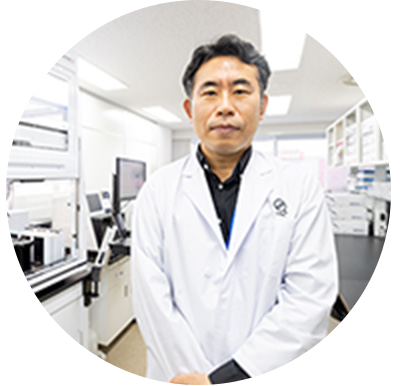 Author
Dr. Yoshinori Tomikane, M.D.
Graduate of the master's/doctoral program in Biosystem Studies at the University of Tsukuba
In 2017, developed prenatal DNA testing(Patent 7331325) using Japan's first trace-DNA analysis technology(Patent 7121440)
[References]
(2) Nature, February 2001
(3) Nature, September 2012
(4) Nature, April 1953
(5) Genequest
(6) Genome.gov, March 2019
(7) Learn Science at Scitable
(8) Science, February 2001
(9) Nat Genet, October 1999
(10) Water and Soil Contamination Surveys and Workplace Environment Measurement, Testing Institute in Nagoya, Aichi Prefecture, February 2022
(11) Org Lett, November 2001