
Rewritten: September 28, 2024
Technically, falsifying a DNA test is nearly impossible, but human-driven fraud such as sample tampering can occur in reality. seeDNA works to prevent fraud through partnerships with law firms and a retesting system.
DNA testing is a scientific technique widely used for everything from confirming parent-child relationships to criminal investigations, and it is known for its extremely high accuracy. Even so, many people wonder: "Can a DNA test be faked?" To answer directly, the answer is "technically impossible, but it can happen in reality." In this article, we explain in detail, from an expert's standpoint, why falsifying a DNA test is technically so difficult, what real-world risks nevertheless exist, and what anti-fraud measures seeDNA Inc. has put in place.
Falsifying a DNA test is technically impossible
 DNA (deoxyribonucleic acid) is the genetic information contained in each of our cells, and apart from identical twins, no two people on Earth carry exactly the same DNA sequence. This individual uniqueness is precisely why DNA testing is regarded as the most reliable method of personal identification in forensic science [ref:1].
Our application form includes a question asking whether the test subject has received a bone marrow transplant. This is because cells contained in bone marrow transplanted from another person can proliferate within the recipient's body and end up being collected as the test sample. It is known that people who have received a bone marrow transplant can develop a phenomenon called "chimerism," in which the white blood cell DNA in their blood is replaced by the donor's DNA [ref:2]. However, since DNA can be accurately obtained from the test subject's own tissue by collecting samples from sources other than blood, such as oral mucosa or hair roots, the chance of this affecting the test result is essentially zero.
So is it possible to intentionally falsify a DNA test? Theoretically conceivable methods include the following.
- Transplanting another person's skin tissue onto the area used for sample collection to alter one's own DNA
- Infecting the oral epithelium or other sample-collection sites with a virus carrying another person's DNA
- Mixing artificially synthesized DNA into the sample
However, none of these methods can completely replace a person's own DNA. The human body is made up of roughly 37 trillion cells, and replacing the DNA in every single one of them with someone else's is simply not achievable with current medical and scientific technology. Even if a skin graft were performed, the graft and the original tissue would coexist, so a DNA test would reveal a chimeric state (in which multiple DNA profiles are detected). The same applies to infecting oral epithelium with a virus: because viral DNA and host human DNA differ completely in structure, current testing methods using PCR (polymerase chain reaction) can easily distinguish between them.
In 2009, an Israeli research team made headlines by announcing that it was theoretically possible to artificially synthesize DNA and plant it at a crime scene. However, real-world testing involves multiple checks to verify sample authenticity, making it extremely difficult for such a method to actually deceive an examination [ref:3].
Supposedly impossible, yet possible in reality?
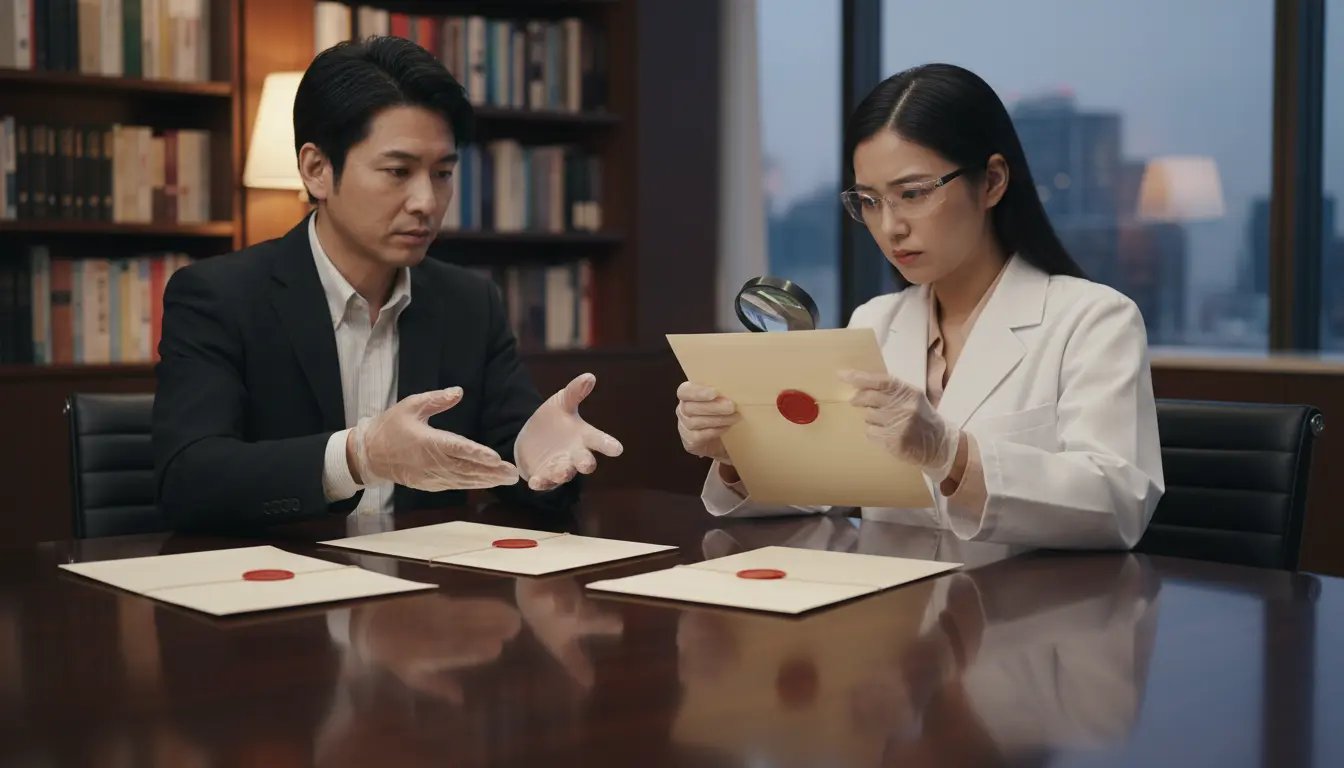 Even though it is nearly impossible to falsify the DNA itself through technical means, the risk of a DNA test result being fraudulently manipulated is unfortunately not zero. The biggest factor behind this is the human act of "sample tampering."
Private testing exists solely for individuals to confirm a blood relationship, so there is no real incentive to commit fraud in the first place. Court-use testing, however, can determine outcomes worth tens of millions to hundreds of millions of yen. Cases involving inheritance, paternity suits, or the determination of a parent-child relationship in divorce proceedings are not uncommon, and in such cases the DNA test result can determine who receives a vast fortune.
TV dramas often depict scenes in which someone bribes a testing company's staff member who is present as a witness during sample collection, swapping the sample for someone else's. This is a serious crime, but there have been actual cases where staff sent to collect a sample were bribed.
Indeed, fraud-related issues concerning DNA testing have been reported within Japan, with cases highlighting how "loose" testing procedures had become a problem [ref:4]. To ensure the reliability of a test, it is essential to strictly manage not just the scientific accuracy of the analysis, but the entire chain of custody — from sample collection through transport, storage, and analysis [ref:5].
If a sample is swapped, the DNA that gets analyzed is still "genuine human DNA," making it practically impossible to detect the fraud at the laboratory analysis stage. Therefore, the core of preventing fraud in DNA testing lies in strict identity verification and management at the point of sample collection.
Our efforts to prevent DNA test fraud
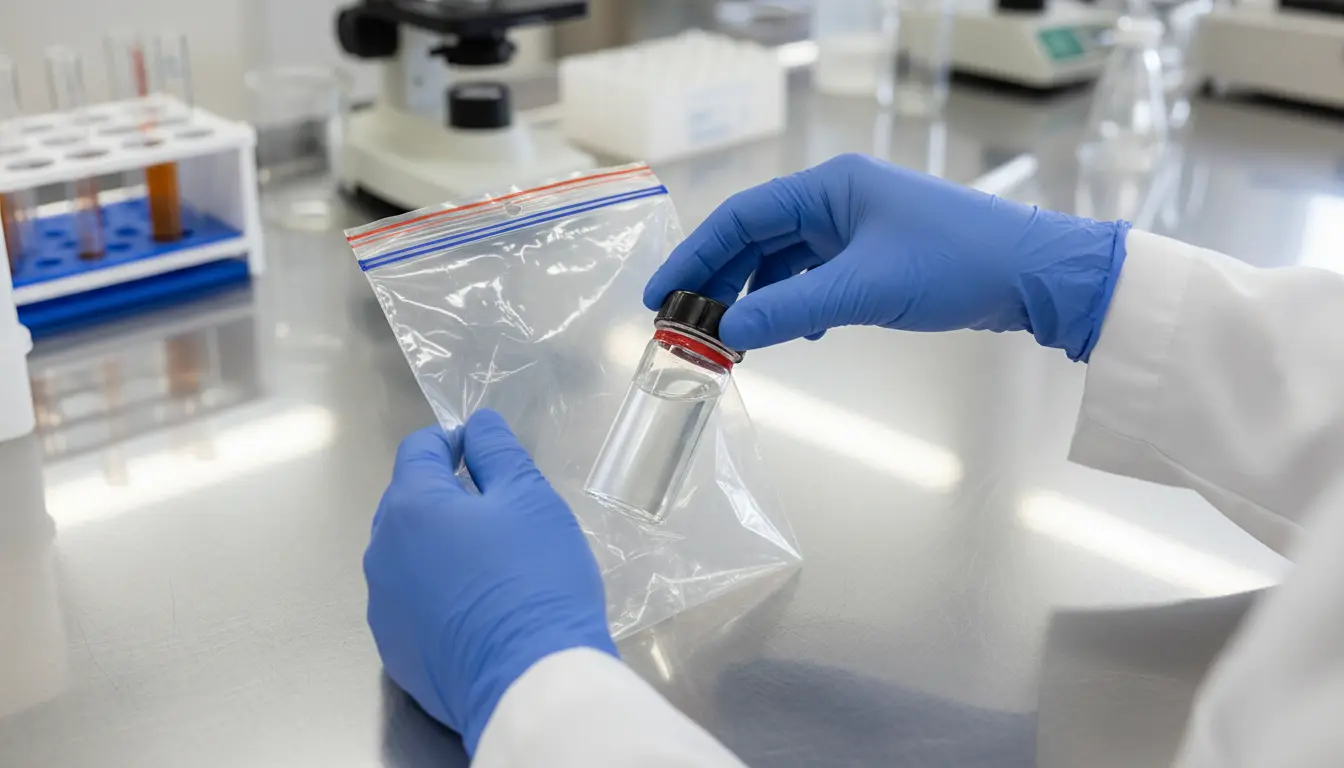 To prevent this kind of fraud, seeDNA Inc. has implemented multiple layers of anti-fraud measures. Below are the specific steps we take.
- Third-party witnessing through partnerships with law firms: Through partnerships with local law firms, specialized staff act as witnesses to certify that sample collection was carried out properly. The witness oversees everything from sample collection to document preparation and fingerprinting.
- Strict identity verification: At the time of sample collection, we thoroughly verify identity using a photo ID and keep a photographic record of the test subject's face.
- Maintaining chain of custody: Samples are sealed immediately after collection and stored in special containers that show visible tamper evidence if opened. The location and custodian of each sample are recorded throughout transport and analysis.
- Retesting when results are negative: If a parent-child relationship is denied, we conduct the test again to rule out human error such as sample mix-ups.
By combining these measures, we minimize the risk of fraud and human error, such as sample tampering or mix-ups. While the scientific accuracy of the analysis tends to draw the most attention in DNA testing, it is actually the rigor of the collection and management process that truly underpins the reliability of the result.
Key points for understanding the risk of DNA test fraud
To help you correctly understand the risks related to DNA test fraud, we have summarized the key points in the table below.
| Type of risk | Likelihood | Countermeasure |
|---|---|---|
| Artificial synthesis or alteration of DNA itself | Extremely low | Detected as abnormal via PCR analysis |
| Sample tampering | Moderate without countermeasures | Third-party witnessing, identity verification |
| Human error (mix-ups) | Low | Retesting, sealed sample management |
As shown above, the biggest risk in DNA testing is not technical falsification but human-driven sample tampering. That is precisely why choosing a trustworthy testing organization matters more than anything else. When choosing a testing provider, be sure to check whether they offer third-party witnessing, how they manage chain of custody, and what their retesting policy is.
seeDNA Inc. provides reliable DNA testing services tailored to your needs, from private testing to legal testing for court use. If you have any questions or concerns about DNA testing, please feel free to contact us.
Frequently Asked Questions
Q1. Can DNA test results be falsified?
A. Artificially altering the DNA itself to falsify a test result is, with current scientific technology, effectively impossible. The human body contains about 37 trillion cells, and it is not possible to replace the DNA in all of them with someone else's. That said, there is a risk of human-driven fraud in the form of sample tampering, so choosing a trustworthy testing organization is important.
Q2. Does a bone marrow transplant affect DNA testing?
A. People who have received a bone marrow transplant may experience "chimerism," in which the white blood cell DNA in their blood changes to the donor's. However, DNA can be accurately analyzed from the test subject's own tissue by collecting samples from sources other than blood, such as oral mucosa or hair roots. We check for a history of bone marrow transplant on our application form and select the appropriate collection method accordingly.
Q3. How is sample tampering prevented?
A. seeDNA Inc. partners with local law firms so that specialized staff can be present as witnesses during sample collection. We manage everything consistently from collection to document preparation and fingerprinting, ensuring chain of custody (a documented chain for evidence management) to eliminate the risk of tampering.
Q4. What is the difference between court-use DNA testing and private testing?
A. Private testing is conducted for individuals to confirm a blood relationship and carries no legal effect. Court-use legal testing, on the other hand, involves sample collection under third-party witness, along with strict procedures for identity verification and evidence management, producing a report that can be admitted as evidence in court.
Q5. What happens if a parent-child relationship is denied?
A. If a parent-child relationship is denied, we conduct the test again to rule out the possibility of human error, such as a sample mix-up. This provides a double layer of assurance for the accuracy of the result, giving customers peace of mind.
Reliable support from the seeDNA Genetic Medicine Research Institute
The seeDNA Genetic Medicine Research Institute is a trusted DNA testing and genetic testing organization that has obtained ISO9001 international quality certification and the Privacy Mark for personal information protection.
If you have concerns about family or parent-child relationships, or a partner's infidelity, our DNA testing experts are here to support you and put your mind at ease, so please feel free to contact us.
[Free consultation with specialized staff]

If you have any questions,
please feel free to contact our toll-free number.
/Open every day, including weekends/
Business hours: Monday-Sunday 9:00-18:00
(excluding holidays)
 Author
Dr. Tomikane Kihan, Doctor of Medical Science
Completed the master's/doctoral program in Biosystem Control and Molecular Informatics Medicine at the University of Tsukuba Graduate School
In 2017, developed Japan's first prenatal DNA testing(Patent 7331325) using trace-DNA analysis technology(Patent 7121440)