
Rewritten on: January 23, 2025
This article explains in detail the mechanism behind a DNA matching service that uses genetic testing, along with the scientific basis for partner compatibility diagnosis through analysis of 1,528 DNA regions related to disease risk, talent, and ability.
- ・Genetic Testing and DNA Matching — A New Era in Partner Selection Pioneered by Science
- ・What Is DNA Matching? — A Cutting-Edge Service Analyzing 1,528 DNA Regions
- └ Key Items Analyzed by DNA Matching
- ・Disease Risk — The Importance of Knowing Genetic Factors in Advance
- └ The Balance Between Genetic and Environmental Factors
- └ Analysis Targets by Disease Category
- └ The Value of Genetic Testing as "Preventive Medicine"
- ・Differences from Conventional DNA Matching Services — The Limitations of HLA Genetic Testing
- └ Comparison Between Conventional Services and Our Service
- └ Using Polygenic Risk Scores (PRS)
- ・Partner Selection for a New Era — The Significance of Understanding Compatibility at the Genetic Level
Genetic Testing and DNA Matching — A New Era in Partner Selection Pioneered by Science
 PCR testing, a type of genetic test used as one method for diagnosing COVID-19, has become widely known. PCR (Polymerase Chain Reaction) is a technology that amplifies and detects trace amounts of DNA, and it is used not only for diagnosing viral infections but also in a wide range of other fields [ref:1].
Genetic testing is not limited to diagnosing viral infections — it can also analyze the genetic information we are born with, with high precision. In recent years, it has even become possible to scientifically evaluate compatibility between men and women by testing both partners' genes. This genetic information is now being applied in matchmaking services such as marriage agencies and matchmaking parties [ref:2].
This article explains in detail, based on scientific evidence, the mechanism behind "DNA matching" using genetic testing, the genetic evaluation of disease risk, the significance of genetic analysis related to talent and ability, and how this differs from conventional DNA matching services.
What Is DNA Matching? — A Cutting-Edge Service Analyzing 1,528 DNA Regions
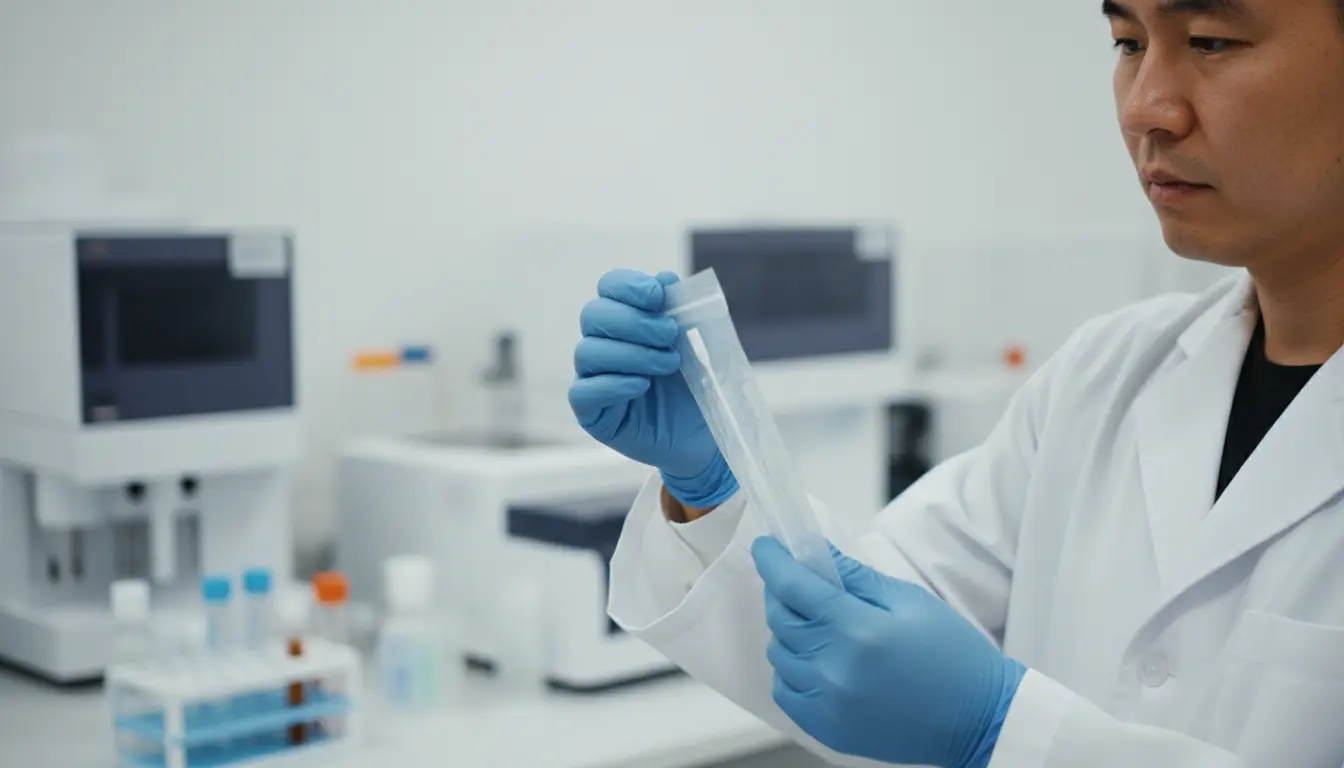
Our new service, "DNA Matching," analyzes 1,528 DNA regions related to disease risk, talent, and ability with over 99.9% accuracy, and evaluates a DNA rank (where you stand as a percentile among the Japanese population by category).
Based on this DNA rank evaluation, the service calculates genetic compatibility with a partner, revealing the probability that each partner's superior genes will be passed on to a child — a service grounded entirely in scientific evidence.
Key Items Analyzed by DNA Matching
DNA Matching comprehensively analyzes numerous genetic variants related to disease susceptibility and constitution, focusing primarily on single nucleotide polymorphisms (SNPs) in the human genome. An SNP is a variation in which a single base in a DNA sequence is replaced by another base, and it is a key factor generating individual differences [ref:3].
- Disease risk (cardiovascular, respiratory, metabolic, immune, cancer risk, etc.)
- Constitution and physical characteristics (tendency to build muscle, obesity risk, alcohol metabolism capacity, etc.)
- Talent and ability tendencies (genetic predispositions related to cognitive function, athletic ability, artistic sensibility)
- Genetic compatibility with a partner (calculating the probability of passing superior genes on to a child)
- Carrier risk for genetic disorders (carrier screening for autosomal recessive diseases)
The human genome contains approximately 3 billion base pairs, of which about 0.1% (roughly 3 million sites) differ between individuals. Of these individual differences, DNA Matching carefully selects and analyzes 1,528 sites that have been scientifically proven to have a particularly strong association with disease and ability.
Disease Risk — The Importance of Knowing Genetic Factors in Advance

The disease risks that can be analyzed with DNA Matching span a wide range of categories, including cardiovascular, respiratory, urinary, skeletal, neurological, endocrine, metabolic, hematopoietic, immune, and oncological systems.
The Balance Between Genetic and Environmental Factors
The ratio of genetic to environmental factors varies by disease, but it is generally said that genetic factors account for about 30% and environmental factors for about 70% of disease onset [ref:4]. This "roughly 30%" genetic component — that is, the part determined by our genes — cannot be changed through willpower or effort alone.
But what if you could know your own genetic information in advance? If you are genetically predisposed to conditions such as hypertension or diabetes, which are closely linked to future cardiovascular disease and other lifestyle-related illnesses, you could proactively improve your environment and lifestyle habits. It also becomes possible to minimize genetic disease risk in children who would otherwise be born without any such knowledge.
Analysis Targets by Disease Category
| Category | Representative Disease Examples | Examples of Related Genes |
|---|---|---|
| Cardiovascular | Hypertension, coronary artery disease, atrial fibrillation | ACE gene, AGT gene |
| Metabolic | Type 2 diabetes, dyslipidemia, obesity | TCF7L2 gene, FTO gene |
| Cancer/Tumor | Breast cancer, colorectal cancer, lung cancer | BRCA1/2 genes, APC gene |
The above are merely representative examples. DNA Matching achieves a more comprehensive risk assessment by cross-analyzing 1,528 genetic variants.
The Value of Genetic Testing as "Preventive Medicine"
Understanding disease risk through genetic testing holds an important place in modern preventive medicine. By learning about genetic predispositions before a disease develops, you can take concrete actions such as the following.
- Identify high-risk disease categories through genetic testing
- Review lifestyle habits (diet, exercise, sleep) effective for preventing the relevant diseases
- Determine priorities for regular checkups and screenings at medical institutions
- Factor in genetic compatibility with a partner to assess the future genetic disease risk for children
- Receive genetic counseling and expert advice as needed
In this way, when choosing a partner with a genuine focus on the future rather than a fleeting encounter, genetic compatibility — taking disease, talent, and ability into account — becomes an important factor to consider. While income and family background matter in choosing a marriage partner, when you consider health and your future children, DNA Matching is also an important criterion to weigh.
Differences from Conventional DNA Matching Services — The Limitations of HLA Genetic Testing
Many of the DNA matching services that have become popular until now use a gene related to the immune system called HLA (Human Leukocyte Antigen) to sort all 6.5 billion people into just five types and assess compatibility — essentially, a test more akin to fortune-telling [ref:5].
HLA genes play an important role in the immune system, functioning to distinguish "self" from "non-self." Some studies report that partners with different HLA types are more compatible at the level of body odor, but relying on HLA type alone provides overwhelmingly insufficient information to determine overall genetic compatibility with a partner [ref:6].
Comparison Between Conventional Services and Our Service
| Comparison Item | Conventional DNA Matching | Our DNA Matching |
|---|---|---|
| Number of regions analyzed | HLA genes only (a few sites) | 1,528 sites |
| Classification precision | Sorted into 5 types | Detailed individual evaluation |
| Disease risk assessment | Not supported | Supports 10+ systems |
This is no different from blood-type fortune-telling, which sorts people into just four types — A, B, AB, and O — to test compatibility. Conventional services cannot tell you your or your partner's disease risk, talent, or ability, what genes might be passed on to a child, or what the risk of genetic disease might be.
Using Polygenic Risk Scores (PRS)
In recent genomic science, a method called the "Polygenic Risk Score (PRS)" — which comprehensively evaluates the combined effect of numerous SNPs rather than a single genetic variant — has been rapidly developing. PRS is a method for quantifying an individual's genetic predisposition, allowing more accurate prediction of disease onset risk [ref:3].
Our DNA Matching applies this PRS concept, performing comprehensive analysis across 1,528 DNA regions, achieving a level of scientific precision that sets it apart from conventional simple tests that examine HLA genotype alone.
Partner Selection for a New Era — The Significance of Understanding Compatibility at the Genetic Level
In marriage and partner selection, physical preferences and personality compatibility are of course important. However, when considering the health of children who will be born to a partner with whom you will share a long life together, genetic compatibility is a factor that cannot be ignored.
For example, in autosomal recessive diseases (such as cystic fibrosis or phenylketonuria), if both parents are carriers of the same disease, there is a 25% chance the child will develop that disease. Carrier screening in advance through DNA Matching makes it possible to understand such risks and consider appropriate medical responses [ref:7].
In addition, considerable knowledge has accumulated in recent research regarding genetic predispositions related to talent and ability. It has become clear that many traits — cognitive ability, athletic performance, musical talent, and more — are influenced by combinations of multiple genes. By cross-referencing the genetic information of both partners, it becomes possible to scientifically estimate the genetic potential a future child may have.
Our new service, "DNA Matching," can accurately evaluate your genes based on scientific evidence. If you want to choose a partner in the truest sense of the word, we invite you to try our new service, "DNA Matching."
Frequently Asked Questions
Q1. How is the DNA Matching test performed?
A. Using a dedicated collection kit, you can collect a sample simply by swabbing the mucous membrane cells inside your mouth with a cotton swab. There is no pain at all, and it can be done easily at home. Once you send the collected sample to our lab, we will analyze 1,528 DNA regions with over 99.9% accuracy and deliver the results.
Q2. How is this different from conventional compatibility diagnosis using the HLA gene?
A. Conventional DNA matchmaking services only analyzed the immune-related HLA gene, classifying people into just 5 types. Our DNA Matching comprehensively analyzes 1,528 DNA regions, allowing us to scientifically evaluate overall genetic compatibility, including disease risk, talent, and ability.
Q3. Does a genetic test result confirm a disease diagnosis?
A. No. What genetic testing reveals is merely the "level of risk," not a definitive disease diagnosis. It is generally said that genetic factors account for about 30% and environmental factors about 70% of disease onset, and lifestyle improvements and regular checkups can help reduce risk.
Q4. Do I need to take the test together with my partner?
A. You can take the test alone to learn about your own genetic traits and DNA rank. However, to calculate genetic compatibility with a partner and the probability of passing superior genes on to a future child, samples from both partners are required.
Q5. Is my personal information and genetic data managed securely?
A. Yes. We comply with the Act on the Protection of Personal Information and guidelines regarding the handling of genetic information, and we manage genetic data under a strict information management system. Samples and analysis data are anonymized, and we never provide them to any third party.
Q6. Does DNA Matching constitute a medical procedure?
A. DNA Matching is not a medical procedure — it is a compatibility diagnosis service based on genetic information. If you need to make medical decisions or receive treatment based on the test results, please be sure to consult a specialized medical institution or a genetic counselor.
The Reassuring Support of the seeDNA Institute of Genetic Medicine
The seeDNA Institute of Genetic Medicine is a trusted and reliable specialized DNA testing and genetic testing institution that holds the international quality standard ISO9001 and the Privacy Mark for privacy protection.
If you are concerned about family or parent-child blood relationships, or a partner's infidelity, our DNA testing specialists are here to provide the support you need for peace of mind — please feel free to contact us.
【Free Consultation with Specialized Staff】

If you have any questions,
please feel free to contact our toll-free number.
/Open every day, including weekends/
Business hours: Monday–Sunday 9:00 AM–6:00 PM
(excluding holidays)
 Author
Kihan Tomikane, M.D., Ph.D.
Completed a master's/doctoral program in Biosystems Control and Molecular Informatics Medicine at the University of Tsukuba Graduate School
In 2017, developed Japan's first prenatal DNA testing method(Patent No. 7331325) using a trace-DNA analysis technology(Patent No. 7121440)