
Rewritten: April 8, 2025
This article explains how to use genetic testing to find the diet that suits you. It introduces genes related to food preferences, such as FGF21 and ALDH2, and genes related to disease risk, such as FTO and ANK1, and how they relate to your diet.
- ・Healthy eating habits through genetic testing — finding the diet that's right for you
- ・Learning your genetically driven food preference tendencies
- └ The FGF21 gene and tendency toward carbohydrate and sweet intake
- └ The ALDH2 gene and alcohol consumption tendency
- ・Learning your potential genetic disease risk and reassessing your diet
- └ The FTO gene and obesity risk
- └ The ANK1 and NKX6-3 genes and diabetes risk
- └ The BCL11B gene and high blood pressure risk
- ・Steps to improving your diet using genetic testing
- ・Summary — know your genes, optimize your diet
Healthy eating habits through genetic testing — finding the diet that's right for you
 In recent years, the spread of convenience stores, fast food restaurants, and instant foods has made it easy to enjoy meals with minimal effort. For busy modern people, these foods are extremely convenient. However, they can also throw off the nutritional balance of a diet, contributing to lifestyle diseases such as diabetes, high blood pressure, and dyslipidemia [ref:8]. The National Health and Nutrition Survey published by Japan's Ministry of Health, Labour and Welfare has repeatedly pointed out rising salt intake and fat-derived energy ratios among Japanese people, along with insufficient vegetable intake, making dietary improvement a national concern.
To maintain health in such an environment, it's essential to correctly identify the combination of nutrients that works best for you and reflect that in your daily food choices. However, knowing scientifically "what diet is optimal for me" is not easy. This is where the approach of personalized nutrition using genetic testing has been gaining attention [ref:9].
In this article, we'll explain in detail whether genetic testing can reveal the foods that suit your body, based on the relationship between genes and diet. There are broadly two ways to apply genetic test results to your diet.
Learning your genetically driven food preference tendencies
 The first approach is learning your genetically driven food preference tendencies. Recent research has revealed that our food preferences are heavily influenced not only by the environment and cultural background we grew up in, but also by our genes. Knowing the foods you tend to consume more of can serve as a benchmark for figuring out the right amount for your health.
The FGF21 gene and tendency toward carbohydrate and sweet intake
The gene FGF21 (fibroblast growth factor 21) is deeply involved in how much carbohydrate (including sweets) a person consumes. FGF21 is a hormone secreted mainly by the liver and plays an important role in regulating glucose metabolism and energy homeostasis. Multiple large-scale genomic studies have shown that people with certain FGF21 genotypes (variants) tend to consume more carbohydrates [ref:1] [ref:2].
Specifically, single nucleotide polymorphisms (SNPs) in the FGF21 gene, such as rs838133 and rs838145, are thought to influence sweet-taste preference and the proportion of carbohydrates in the diet. People with these genotypes tend to unconsciously choose foods high in carbohydrates, such as bread, rice, and sweets.
When nutrient intake becomes skewed toward carbohydrates, the following risks can arise.
- Increased risk of developing diabetes: Repeated sharp rises and falls in blood sugar levels exhaust insulin-secreting function
- Decline in organ and immune function: Protein deficiency slows organ repair and the production of immune cells
- Loss of muscle mass: A lack of the amino acids needed for muscle protein synthesis raises the risk of sarcopenia (age-related muscle loss)
- Skin problems: Insufficient intake of vitamins and minerals can lead to rough or dry skin
The ALDH2 gene and alcohol consumption tendency
The gene ALDH2 (aldehyde dehydrogenase 2) is related to alcohol consumption. ALDH2 encodes an enzyme that converts acetaldehyde—a harmful substance produced as alcohol is broken down in the body—into harmless acetic acid. About 40–45% of East Asians, including Japanese people, carry a genotype with reduced ALDH2 activity (ALDH2*2), which causes the facial flushing reaction after drinking [ref:3].
On the other hand, people with a normally active ALDH2 genotype can break down acetaldehyde efficiently, so they experience fewer unpleasant symptoms and, as a result, tend to drink more alcohol. Habitually heavy drinking raises the following health risks.
- Liver damage: Risk of progression from alcoholic fatty liver to cirrhosis and liver cancer
- High blood pressure: Blood vessel constriction and sympathetic nervous system activation from chronic drinking
- Stroke: Combined with high blood pressure, increased risk of cerebrovascular disorders
- Ischemic heart disease: Increased risk of coronary artery disease from accelerated arteriosclerosis
In either case, objectively understanding your food and alcohol preference tendencies from your genetic type can serve as a trigger for being mindful of an appropriate intake level.
Learning your potential genetic disease risk and reassessing your diet
 The second approach is learning your potential genetic disease risk and using that to reassess your diet. If genetic testing reveals a genetic predisposition to a particular disease, adjusting your diet preventively may help reduce the risk of developing it.
The FTO gene and obesity risk
The gene FTO (Fat mass and Obesity associated) is related to obesity risk. Since its link to obesity was first reported in a large-scale genome-wide association study (GWAS) in 2007, the FTO gene has been one of the most extensively studied obesity-related genes. It's known that people with certain FTO genotypes (risk alleles) tend to have a higher risk of obesity [ref:4].
One mechanism behind this risk is abnormal secretion of ghrelin, the hormone that stimulates appetite. People carrying the FTO risk allele often have poorly regulated ghrelin secretion, which makes them prefer high-calorie foods and feel hungry again soon after eating. This tends to make chronic overconsumption of energy more likely [ref:5].
The following measures are effective for properly controlling ghrelin secretion and avoiding the risk of obesity.
- Regular aerobic exercise: Aerobic exercise such as running, walking, and swimming has been reported to suppress ghrelin secretion
- Strength training: Building muscle mass raises your basal metabolic rate and increases energy expenditure
- High-protein meals: Protein promotes the secretion of hormones that sustain feelings of fullness (such as GLP-1 and PYY), which helps suppress ghrelin secretion
- Adequate sleep: Lack of sleep is known to increase ghrelin secretion and decrease the secretion of leptin (the appetite-suppressing hormone)
The ANK1 and NKX6-3 genes and diabetes risk
The genes ANK1 (ankyrin 1) and NKX6-3 are related to diabetes risk. The ANK1 gene encodes a protein involved in the red blood cell cytoskeleton, but recent research has shown it is also linked to the function of insulin-secreting pancreatic beta cells. People carrying certain genotypes of the ANK1 and NKX6-3 genes tend to have a higher risk of developing type 2 diabetes [ref:6].
Avoiding diabetes risk requires a diet that does not cause sharp spikes in blood sugar. Specific measures include the following.
- Reduce foods high in carbohydrates and sugar, and increase whole grains and vegetables rich in dietary fiber
- Adjust the order in which you eat—vegetables, then protein, then carbohydrates ("vegetables first")—to prevent sharp spikes in blood sugar
- Choose low glycemic index (GI) foods, such as replacing white rice with brown rice or mixed-grain rice
- Use exercise to efficiently burn off the energy from the carbohydrates you consume
- Do light exercise (such as walking) within 30 minutes to an hour after eating to reduce the post-meal blood sugar peak
The BCL11B gene and high blood pressure risk
The gene BCL11B is related to high blood pressure risk. BCL11B encodes a transcription factor involved in immune cell differentiation, and research by the Tohoku Medical Megabank Organization at Tohoku University has revealed its link to salt-sensitive hypertension in the Japanese population. People carrying certain BCL11B genotypes tend to have a higher risk of high blood pressure from excessive salt intake [ref:7].
Salt intake among Japanese people is high by global standards, far exceeding the WHO's (World Health Organization's) recommended limit of under 5g per day. People carrying the BCL11B risk allele in particular may be able to avoid rising blood pressure by consciously reducing their salt intake. Practical steps include cutting back on miso soup, limiting pickles and processed foods, using dashi stock to reduce the need for added salt, and actively eating potassium-rich foods (such as bananas and spinach).
Steps to improving your diet using genetic testing
By learning your disease risk from genetic testing and working backward to choose foods and meals accordingly, you can increase your chances of avoiding the onset of disease. Below are the steps for applying genetic test results to your diet.
- Undergo genetic testing: Get tested at a reliable testing institution to check your genotypes related to food preferences and disease risk
- Correctly understand the results: Understand that genetic test results indicate a "risk tendency," not a "definitive diagnosis," and avoid excessive anxiety
- Reassess your diet: Adjust your nutrient balance and food choices according to your own risk profile
- Introduce an exercise habit: Combine diet with moderate exercise to reduce the impact of genetic risk
- Regular health checkups: Get regular blood tests and health checkups to monitor the effect of your dietary improvements
More restaurants are now displaying calorie, carbohydrate, and salt content on their menus, making it easier to choose foods that suit you [ref:10].
Summary — know your genes, optimize your diet
In this article, we explained whether genetic testing can reveal the diet that suits you, drawing on specific links between genes and diet. Because the foods that suit a given person are related to their genes, genetic test results can serve as a scientific reference point for maintaining a healthy diet.
That said, genes only indicate a "tendency" of your constitution—your actual health is shaped by many factors, including daily food choices, exercise habits, sleep, and stress management. Correctly understanding your genetic test results and incorporating them into your daily diet without overdoing it is the first step toward long-term health.
Frequently Asked Questions
Q1. Can genetic testing tell me specifically which foods suit me?
A. Genetic testing can examine genotypes related to carbohydrate preference, alcohol metabolism ability, obesity risk, diabetes risk, and high blood pressure risk. This allows you to scientifically understand tendencies such as "which nutrients should I limit" and "which eating habits should I be careful about." However, it does not pinpoint specific food names—it only provides reference information indicating a general direction for improving your diet.
Q2. The FGF21 gene is said to be linked to a sweet tooth—does having this genotype mean I will definitely develop diabetes?
A. No. Having a certain variant of the FGF21 gene does not mean you will definitely develop diabetes. Genes indicate a "risk tendency," and actual onset of disease depends on many environmental factors, including diet, exercise habits, sleep, and stress. It's important to be mindful of eating a balanced diet once you know you tend to prefer carbohydrates.
Q3. If ALDH2 genetic testing shows I have low alcohol tolerance, should I stop drinking completely?
A. People with the low-activity ALDH2 genotype (ALDH2*2) are known to have reduced ability to break down acetaldehyde, so even small amounts of alcohol can burden the body. Whether complete abstinence is advisable depends on your individual health condition, but you should avoid forcing yourself to drink, and if you do drink, it's recommended to keep it to a small amount. Please consult your doctor.
Q4. Do genetic test results ever change over a lifetime?
A. No, the DNA sequence itself does not change throughout your life. That means once you've had a genetic test, you don't need to be retested for the same genes again. However, gene expression (how much a gene actually functions) can change due to acquired factors such as diet, exercise, and living environment (epigenetics). Therefore, using your genetic test results to improve your lifestyle habits is highly meaningful.
Q5. Is it okay to decide my diet based solely on genetic test results?
A. Genetic testing is simply a tool for learning the "tendencies" of your constitution. Deciding on a diet should also take into account your current health status, blood test results, any allergies, and any existing conditions. We recommend using your genetic test results as a reference while consulting with professionals such as a registered dietitian or physician to build your meal plan.
Q6. Can the disease risks revealed by genetic testing be prevented through diet alone?
A. Diet is an important factor in disease prevention, but it can't eliminate all risk on its own. Comprehensive health management—including moderate exercise, adequate sleep, stress management, and regular health checkups—is also necessary. In particular, for obesity risk linked to the FTO gene, an approach combining both diet and exercise is considered effective.
Reliable support from the seeDNA Genetic Medicine Research Institute
The seeDNA Genetic Medicine Research Institute is a trusted DNA and genetic testing specialist that has obtained the international quality standard ISO9001 and the Privacy Mark for personal information protection.
If you're concerned about family or parent-child biological relationships, or a partner's infidelity, our DNA testing specialists are here to support you with peace of mind—please feel free to contact us.
[Free consultation with our specialist staff]

If you have any questions,
please feel free to contact our toll-free number.
/Open every day, including weekends/
Hours: Monday–Sunday 9:00 AM–6:00 PM
(excluding holidays)
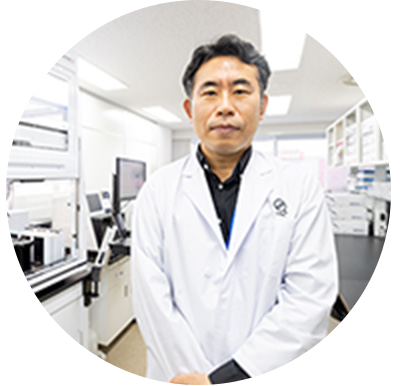 Author
Yoshinori Tomikane, M.D., Ph.D.
Completed his master's and doctoral studies in Biosystem Regulation and Molecular Medicine at the University of Tsukuba Graduate School
In 2017, developed Japan's first prenatal DNA testing(Patent 7331325) using a trace-DNA analysis technology(Patent 7121440)
[References]
(2) note
(3) Hum Mol Genet, May 2013
(4) Cell Metab, May 2017
(5) Alcohol Clin Exp Res, July 2005
(6) Science, May 2007
(7) Japan Agency for Medical Research and Development, May 2020
(8) Tohoku Medical Megabank Organization
(9) J Exp Med, September 2018