
Rewritten on: June 22, 2025
DNA testing can be performed at any age, from newborns to elderly adults, with no age restrictions. Even for a fetus during pregnancy, paternity testing can be safely done using the mother's blood. Sample collection is safe and painless using an oral swab.
- ・Can DNA Testing Be Done on Babies? Age and Safety of DNA Testing
- ・From What Age Can DNA Testing Be Done?
- └ The Scientific Reason DNA Never Changes Throughout Life
- └ Paternity DNA Testing Is Possible Even Before Birth, on a Fetus
- ・Can Samples for a Child's DNA Test Be Collected Safely?
- └ Why the Oral Swab Method Is Safe
- └ The Specific Steps for Sample Collection
- ・What Kinds of Samples Can Be Used for a Child's DNA Test?
- └ Examples of Samples Specific to Babies and Children
- ・Accuracy and Reliability of DNA Testing
- ・Special Paternity DNA Testing
- ・Summary: A Baby's DNA Test Can Be Done Safely and Accurately
Can DNA Testing Be Done on Babies? Age and Safety of DNA Testing
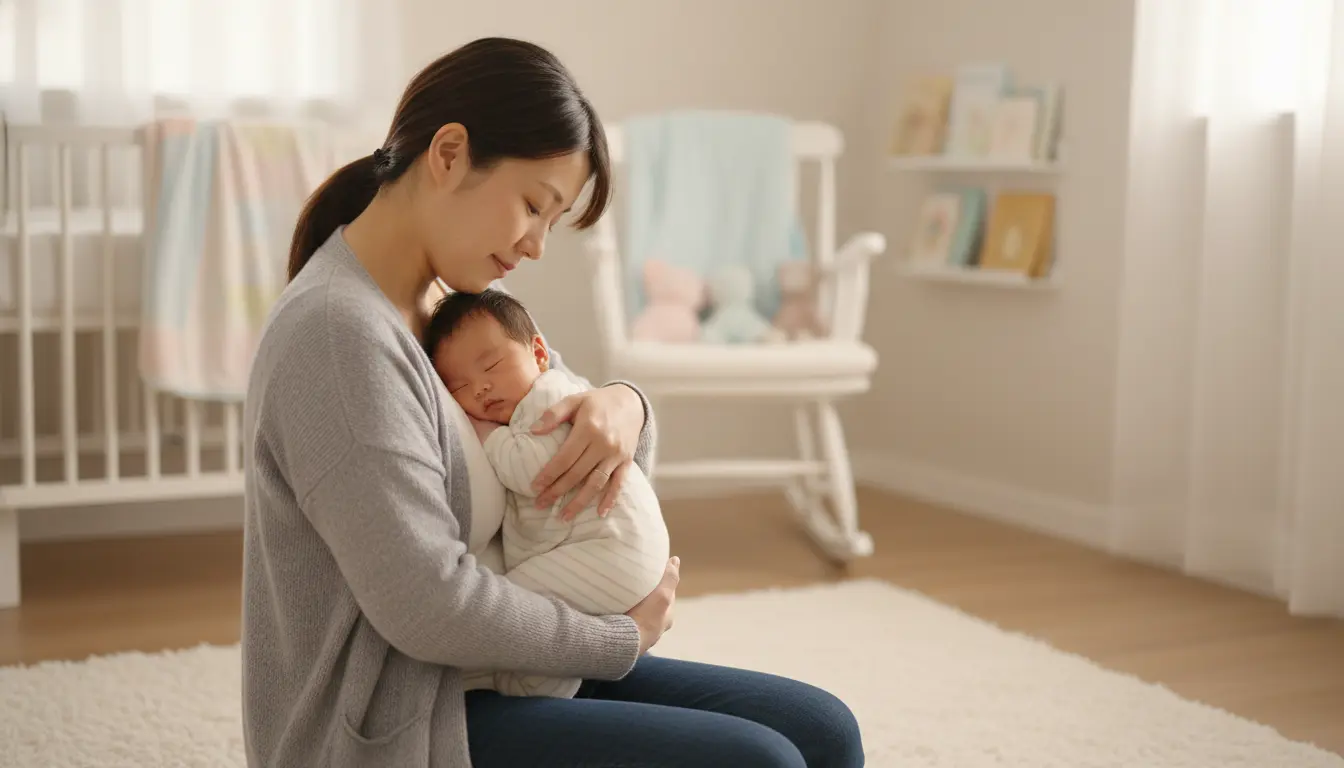 Most DNA testing is done to confirm a biological parent-child relationship. More and more people are considering DNA testing for various reasons, such as "I want to confirm whether my child is truly my biological child" or "I need proof of a parent-child relationship for legal procedures."
This time, we'll explain in detail the questions we often receive from customers about collecting a child's DNA sample for such purposes: "From what age can it be done?" and "Can the sample be collected safely?" — along with the mechanisms of DNA testing and the scientific basis behind it.
From What Age Can DNA Testing Be Done?
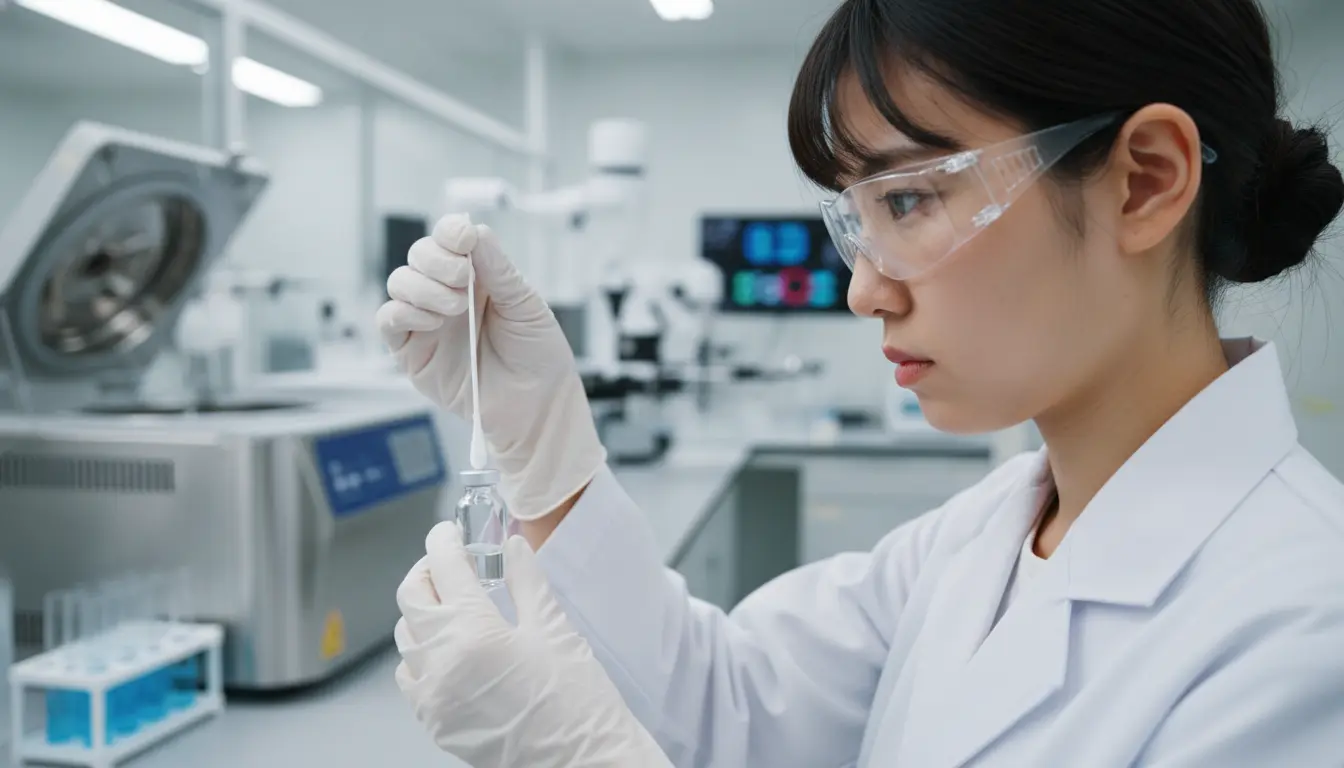 "Paternity DNA testing can be done at any age."
There is no age limit for paternity testing based on DNA type, and it can be done even for a newborn baby just after birth. This is because a child's DNA is inherited half from the father and half from the mother, and it never changes throughout life. [ref:1]
Human DNA is determined at the moment of fertilization and never changes throughout a person's life afterward. This is a fundamental principle of genetics: the DNA base sequence (the arrangement of A, T, G, and C) is identical whether in a newborn, an adult, or an elderly person. That is why the parent-child biological relationship can be confirmed by analyzing DNA regardless of age. [ref:2]
The Scientific Reason DNA Never Changes Throughout Life
DNA is accurately copied each time a cell divides. The human body has about 37 trillion cells, and all of them carry the same DNA sequence. Even as old cells are replaced by new ones through cellular metabolism, the DNA base sequence itself does not change. It is precisely because of this principle that DNA collected from a baby who is only days old and DNA collected decades later produce exactly the same test result. [ref:3]
Paternity DNA testing generally uses a technique called "STR (Short Tandem Repeat) analysis." This method analyzes multiple specific regions of DNA where repeating sequences occur, and examines the pattern match of DNA between parent and child. Because a child's STR type is always a combination of one type inherited from the father and one from the mother, this comparison allows for highly accurate paternity determination. [ref:4] STR analysis is also a standard method used in the field of forensic science, and its reliability is well established at testing institutions worldwide. [ref:6]
Resolve concerns about a parent-child relationship in as little as 2 days
Paternity DNA Testing Is Possible Even Before Birth, on a Fetus
"Paternity DNA testing is possible even on a fetus before birth."
Paternity DNA testing can be performed even on a fetus before birth. The DNA inherited from both parents does not change whether before or after birth. A fetus's DNA is already fixed at the fertilized-egg stage, and its sequence does not change during the course of pregnancy.
In the past, fetal cells contained in the amniotic fluid of a pregnant woman were used as the sample, which required inserting a needle into the mother's abdomen to collect amniotic fluid — carrying the risk of injuring the fetus or causing a miscarriage. The miscarriage risk from amniocentesis is said to be about 0.1-0.3%, which was a major source of anxiety for expectant mothers. [ref:5]
However, the discovery that a tiny amount of fetal DNA (cell-free fetal DNA) begins circulating in the mother's blood from around the 6th week of pregnancy, together with the development of testing technology that can analyze this minute amount of DNA, has made it possible to perform DNA testing using the mother's blood during pregnancy. The fragments of fetus-derived DNA contained in maternal blood are called "cell-free fetal DNA (cffDNA)" and enter the mother's bloodstream through the placenta. [ref:7]
This technology has made it possible to safely perform paternity DNA testing during pregnancy without harming either the mother or the fetus. Because the blood draw is done the same way as a routine blood test, it places almost no physical burden on the expectant mother.
seeDNA is the pioneering company that developed Japan's first "prenatal fetal DNA testing" in 2016. Our "prenatal fetal DNA testing" uses our proprietary patented "trace DNA analysis technology" to accurately identify the father of a fetus from as early as the 7th week of pregnancy.
Find out who the father of the baby is while you're still pregnant
Can Samples for a Child's DNA Test Be Collected Safely?
 "Yes, samples can be collected safely and painlessly."
A child's sample is collected using a testing swab. Rather than a painful method like a blood draw, a soft swab is gently pressed against the inside of the cheek and moved up and down and side to side for about 10 seconds to collect oral epithelial cells, so it can be safely collected even from a newborn baby. [ref:1]
Why the Oral Swab Method Is Safe
The oral swab method (buccal swab method) is the standard sample collection method used by DNA testing institutions around the world. [ref:8] This method is especially well suited to babies and small children for the following reasons.
- No needle is inserted as with a blood draw, so there is no pain at all
- A dedicated, sterilized swab is used, making it hygienic
- Collection takes only about 10 seconds — a very short time
- Samples can even be collected while the baby is asleep
- Oral mucosal cells have strong regenerative ability and recover quickly after collection
- Since a parent can perform it at home, there's no need to visit a hospital
Oral epithelial cells contain a sufficient amount of DNA, so even simple swab collection allows for highly accurate testing. There is no difference in accuracy compared to a blood sample. [ref:2]
The Specific Steps for Sample Collection
Actual sample collection can be done easily by following these steps.
- Take out the dedicated swab included in the testing kit sent by seeDNA
- Gently press the swab against the inside of the baby's cheek
- Slowly move the swab up and down and side to side inside the cheek for about 10 seconds
- Place the collected swab into the dedicated storage container and seal it
- Return the testing kit using the enclosed return envelope
For babies, since breast milk or formula residue may remain in the mouth right after feeding, it is recommended to collect the sample about 30 minutes after feeding. Also, having the baby drink a small amount of water beforehand to lightly rinse the mouth can help produce a cleaner sample.
What Kinds of Samples Can Be Used for a Child's DNA Test?
"Anything with DNA on it can be used."
Any sample can be used for DNA testing as long as it has DNA on it. We have a track record of conducting tests using a wide variety of items, including toothbrushes, umbilical cords, disposable chopsticks, popsicle sticks, and paper cups. [ref:1]
Examples of Samples Specific to Babies and Children
For babies and small children, in addition to an oral swab, the following items can also be used as DNA samples.
| Sample Type | Ease of Collection | Notes |
|---|---|---|
| Oral swab | ★★★★★ | The most recommended, standard method |
| Umbilical cord | ★★★★☆ | Usable if it has been kept |
| Used baby bottle | ★★★☆☆ | One with saliva on it |
Other items such as a pacifier, baby tooth, nails, and hair (with root attached) can also sometimes be used as samples. However, since collection with an oral swab produces the most stable DNA quantity and the highest success rate for testing, we recommend swab collection whenever possible. [ref:3]
Accuracy and Reliability of DNA Testing
Not a few people feel uneasy about the accuracy of DNA testing. In particular, some may wonder whether truly accurate results can really be obtained from DNA collected from such a small body as a baby's.
In conclusion, the testing accuracy is exactly the same whether the DNA is collected from a baby or from an adult. The amount of DNA contained in cells collected with an oral swab is sufficient for testing, and there is no difference due to age. seeDNA's high-precision paternity DNA testing reports results with an extremely high accuracy of a paternity probability of 99.99% or higher. [ref:1]
In modern DNA testing technology, combining STR analysis with SNP (single nucleotide polymorphism) analysis achieves even higher accuracy. In particular, seeDNA's proprietary trace DNA analysis technology makes it possible to derive accurate test results even from a very small amount of DNA.
Special Paternity DNA Testing
seeDNA also offers "special paternity DNA testing," which uses the same trace DNA analysis technology employed in prenatal fetal DNA testing. Special paternity DNA testing can report results with a paternity probability of 99.9999999% or higher, and it can accurately confirm a biological relationship even from samples that have been stored for a long time or DNA that has been damaged by drugs or ultraviolet light. [ref:1]
Even for degraded or damaged DNA samples that are difficult to analyze with standard DNA testing, this special technology allows testing to be performed with a high success rate. For example, DNA can be extracted from a long-stored umbilical cord or hair that has degraded over the years, allowing accurate determination of a parent-child relationship.
Summary: A Baby's DNA Test Can Be Done Safely and Accurately
To summarize, here are the key points from this article.
- A child's DNA test can be done at any age, and it can be performed on a newborn without any problem
- Because DNA is fixed at the moment of fertilization and never changes throughout life, there is no difference in testing accuracy due to age
- The oral swab method using a dedicated swab allows painless and safe sample collection
- Even before a baby is born, paternity DNA testing can be safely performed using the mother's blood during pregnancy
- As long as an item has DNA on it, testing is possible using a variety of samples besides a swab
If you have any questions or concerns about biological parent-child relationships or DNA testing, our specialized staff will provide thorough support, so please feel free to contact us.
Frequently Asked Questions
Q1. From how many days after birth can DNA testing be done?
A. There is no age limit for DNA testing, and it can be performed even on a newborn on day 0 after birth. Because DNA is determined at the moment of fertilization and never changes throughout life, the same result is obtained no matter when the sample is collected. Using the safe oral swab method, a sample can be collected painlessly even from a newborn baby.
Q2. Is collecting a baby's DNA sample painful? Is it safe?
A. Collecting a baby's DNA sample is a simple procedure that involves pressing a soft, dedicated swab against the inside of the cheek and moving it up and down and side to side for about 10 seconds. Since there is no needle-based procedure like a blood draw, there is absolutely no pain. It can even be collected while the baby is asleep, and a parent can do it at home.
Q3. Can DNA testing be done during pregnancy? Are there any risks?
A. Yes, DNA testing is possible from the 7th week of pregnancy. In the past, amniocentesis was required, but now testing can be performed with just a routine blood draw, using technology that analyzes the tiny amount of fetal DNA (cell-free fetal DNA) contained in the mother's blood. It is non-invasive for both the mother and the fetus, and there is no risk of miscarriage.
Q4. Can a baby's DNA test be done using something other than a swab?
A. Yes, any item with DNA on it can be used as a sample. We have a track record of conducting tests using items such as umbilical cords, used baby bottles, pacifiers, baby teeth, and nails. However, since collection with an oral swab produces the most stable DNA quantity and the highest testing success rate, we recommend swab collection whenever possible.
Q5. Does testing accuracy change for DNA collected from a baby?
A. Testing accuracy does not change at all. Because the DNA base sequence does not change with age, testing can be performed with the same accuracy whether the DNA is collected from a baby or from an adult. seeDNA's paternity DNA testing provides highly accurate results with a paternity probability of 99.99% or higher.
Q6. How long does it take to receive DNA testing results?
A. seeDNA's high-precision paternity DNA testing can deliver results in as little as 2 days after the sample arrives. We have a system in place to accommodate customers who need results urgently, so please feel free to contact us for details.
seeDNA Genetic Medicine Research Institute's Trusted Support
seeDNA Genetic Medicine Research Institute is a trusted specialist institution for DNA testing and genetic testing, holding both the international quality standard ISO9001 certification and the Privacy Mark for personal information protection.
If you have concerns about biological relationships between family members or parents and children, or about a partner's infidelity, our DNA testing experts will provide thorough support to put your mind at ease, so please feel free to contact us.
[Free Consultation with Specialized Staff]

If you have any questions,
please feel free to contact our toll-free number.
/Open every day, including weekends/
Hours: Mon-Sun 9:00 AM-6:00 PM
(except public holidays)
 Author
Dr. Kihan Tomikane, M.D., Ph.D.
Graduated from the University of Tsukuba Graduate School, Master's/Doctoral Program in Biological Regulation and Molecular Medicine
In 2017, developed Japan's first prenatal DNA testing(Patent No. 7331325) using trace DNA analysis technology(Patent No. 7121440)