
Last revised: February 19, 2025
NIPT is a non-invasive prenatal test that examines fetal chromosomal abnormalities from a pregnant woman's blood. It can detect trisomy 13, 18, and 21, and this article explains in detail the current situation and challenges facing certified and non-certified facilities, along with future prospects.
What is Non-Invasive Prenatal Testing (NIPT) Using Maternal Blood?
 NIPT (Non-Invasive Prenatal Testing) is a non-invasive prenatal genetic test that can check for fetal chromosomal abnormalities simply by collecting a blood sample from the pregnant woman. Also known as "new-generation prenatal diagnosis," it has spread rapidly in recent years because it places extremely little physical burden on the mother.
Small fragments of DNA released from cells (cell-free DNA: cfDNA) are always circulating in trace amounts in human blood. In pregnant women, fragments of fetus-derived DNA (cell-free fetal DNA: cffDNA) enter the mother's bloodstream via the placenta. This cffDNA becomes detectable from around week 6 of pregnancy, and by week 10 or later there is a sufficient amount present in the blood for testing [ref:1]. NIPT takes advantage of this mechanism, making it an innovative testing method that can analyze the fetus's chromosomal information from just a small blood sample taken from the mother.
NIPT is an extremely accurate testing method, but its analytical principle is shared with the PCR (Polymerase Chain Reaction) method that became widely known through coronavirus testing. Specifically, the cfDNA contained in maternal blood is copied in large quantities, and a next-generation sequencer (NGS) is used to statistically analyze the relative amounts of DNA fragments derived from each chromosome, determining whether a particular chromosome is present in greater quantity than normal (i.e., whether trisomy is present). For this reason, as with PCR testing, there remains a non-zero possibility of false positives (testing positive when actually negative) or false negatives (testing negative when actually positive) [ref:1]. Therefore, if an NIPT result is positive, it is essential to undergo an additional confirmatory test such as amniocentesis or chorionic villus sampling. It is important to correctly understand that NIPT is merely a "screening test" and not a definitive diagnosis.
Conditions That Can Be Detected by NIPT
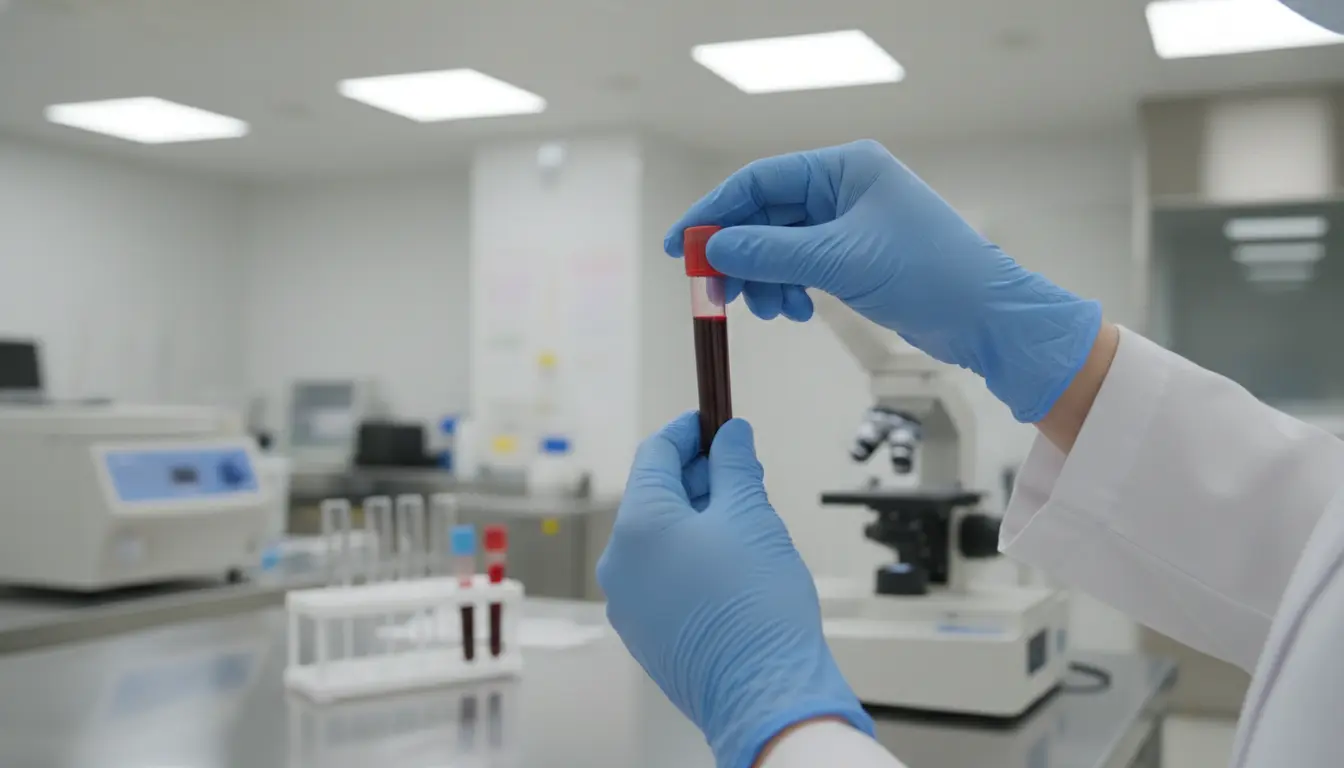 Currently, the three conditions that NIPT can standardly detect are trisomy 13 (Patau syndrome), trisomy 18 (Edwards syndrome), and trisomy 21 (Down syndrome). Trisomy refers to a chromosomal number abnormality in which a chromosome that is normally present as a pair of two exists as three copies instead.
The clinical characteristics of each trisomy are as follows.
- Trisomy 13 (Patau syndrome): Accompanied by multiple malformations including severe intellectual disability, cardiac malformations, and cleft lip/palate; more than 90% of affected infants are said to die within their first year of life [ref:2].
- Trisomy 18 (Edwards syndrome): Presents with growth impairment, cardiac malformations, and characteristic limb findings; as with trisomy 13, more than 90% are said to die within their first year of life [ref:2].
- Trisomy 21 (Down syndrome): The most common chromosomal abnormality, known to be accompanied by a characteristic facial appearance, delayed intellectual development, and congenital heart disease. The life prognosis is more favorable compared to trisomy 13 and 18, and with appropriate medical support many individuals grow into adulthood [ref:3].
Looking at congenital conditions overall, chromosomal abnormalities are considered to account for roughly one quarter (about 25%) of all cases. Of these chromosomal abnormalities, approximately 70% are caused by the three trisomies described above. In other words, the conditions covered by NIPT represent less than 20% of all congenital conditions. It is important to recognize that even a "negative" NIPT result does not rule out all congenital conditions.
NIPT Certified Facilities
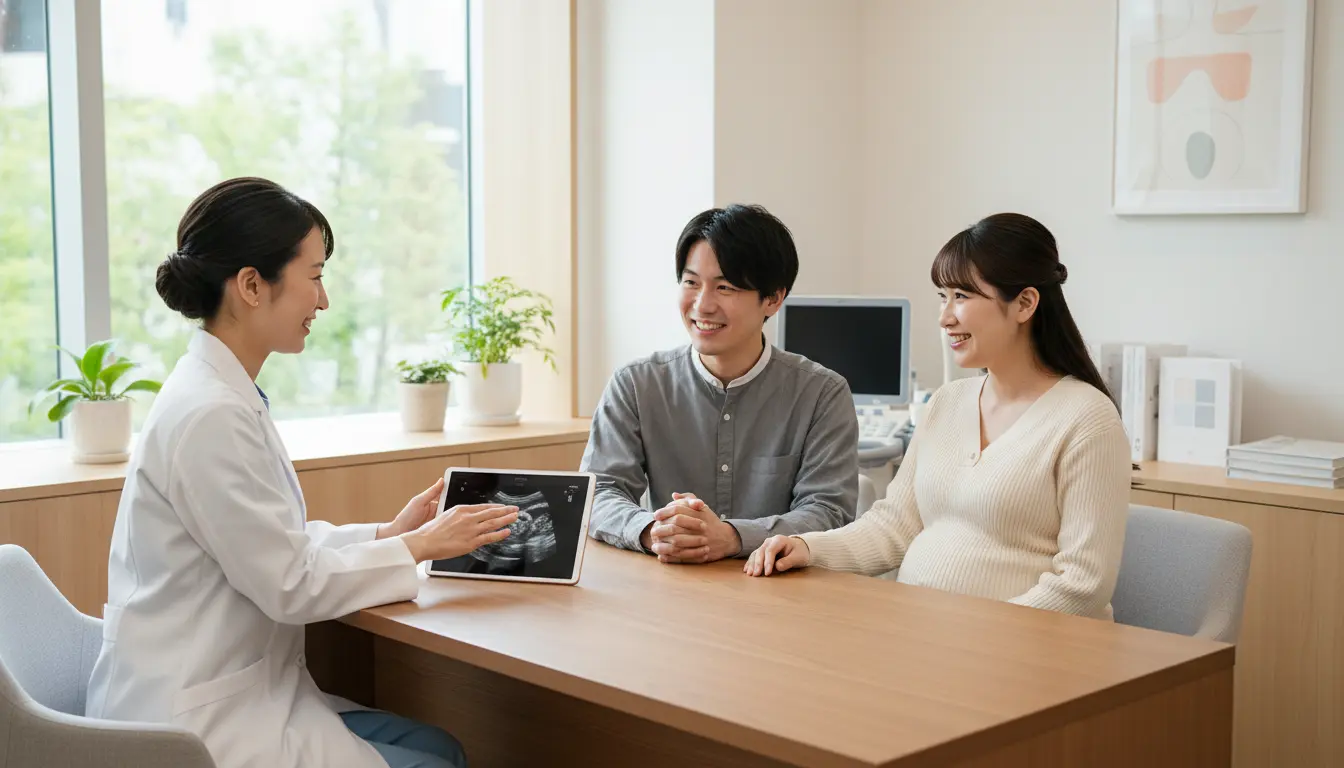 As mentioned above, NIPT is a technology that analyzes cfDNA in maternal blood to detect chromosomal abnormalities. For this reason, even if an NIPT result comes back positive, it is not possible at that stage to predict the future severity of any condition or to determine a specific treatment plan. In addition, since NIPT is based on the PCR method, advanced technology and quality control are essential to ensure testing accuracy.
Against this backdrop, the Japan Society of Obstetrics and Gynecology established guidelines in 2013 to build an appropriate implementation framework for "Non-Invasive Prenatal Genetic Testing (NIPT) Using Maternal Blood." Following this, a certification and registration system for NIPT was launched, and as of August 2020 there were 109 certified facilities nationwide [ref:2].
There is an important characteristic of certified facilities that is worth understanding. Certified facilities essentially serve as the reception point for NIPT, and the actual testing (DNA analysis) is not conducted at the facility itself. After reception is completed at a certified facility, the collected sample is sent to a designated testing institution, where DNA analysis is carried out in the form of clinical research. In other words, a certified facility is "a reception point equipped with an appropriate counseling framework and genetic medicine specialists," not an entity that itself possesses the testing technology.
The Current State and Challenges of Non-Certified NIPT Facilities
While the NIPT certification and registration system has been established, many non-certified facilities also exist, and numerous cases of testing at such facilities have been reported. According to survey materials published on the website of the Ministry of Health, Labour and Welfare, the number of non-certified facilities is comparable to or greater than the number of certified facilities, and in fact non-certified facilities are noted to conduct a larger number of tests [ref:1] [ref:4].
Detailed surveys have already been conducted on the actual state of testing at these non-certified facilities, and the following problems have been pointed out.
- Testing conducted by physicians outside the relevant specialty: Cases have been confirmed in which NIPT is performed by physicians who are not specialists in obstetrics/gynecology or genetic medicine.
- Lack of prior explanation or counseling: There are cases in which testing is carried out without sufficient explanation of the test's significance, its limitations, or how to respond to a positive result.
- Test results communicated by email only: Cases have been reported in which test results — including positive results — are communicated only by email rather than in person. For a pregnant woman who receives a positive result, the absence of in-person follow-up can be a significant psychological burden.
- Testing conducted on women under 35 without conditions: Because the positive predictive value varies greatly depending on maternal age, the Japan Society of Obstetrics and Gynecology originally targeted the test mainly at pregnant women aged 35 and older, but some non-certified facilities conduct testing without any age restriction [ref:5].
These issues heighten the risk that pregnant women will be forced to make major decisions without a correct understanding of NIPT results. Because NIPT is a screening test, a positive result does not necessarily mean the fetus has a chromosomal abnormality. In particular, the positive predictive value (PPV) tends to be lower among younger pregnant women, which relatively increases the risk of false positives, making support from a genetic counselor or physician with specialized knowledge essential for interpreting the results.
A Correct Understanding of NIPT Test Accuracy
Three important indicators for understanding NIPT test accuracy are "sensitivity," "specificity," and "positive predictive value." NIPT shows extremely high figures for trisomy 21 (Down syndrome), with a sensitivity of over 99% and a specificity of over 99.9% [ref:3]. However, the positive predictive value is greatly affected by maternal age and the prevalence of the target condition.
For example, for a 35-year-old pregnant woman, the positive predictive value of a positive NIPT result for trisomy 21 is said to be around 80–90%, whereas for a 25-year-old woman it can fall below 50%. This is because the younger the maternal age, the lower the incidence of Down syndrome, which relatively increases the proportion of false positives. It is extremely important for pregnant women themselves to properly understand these characteristics of the test before undergoing it.
Future Prospects for NIPT
Currently, the conditions that NIPT standardly targets are limited to the three trisomies described above — 13, 18, and 21. However, the next-generation sequencing technology that underpins NIPT is advancing rapidly, and research is progressing on its application to other chromosomal abnormalities, microdeletion/microduplication syndromes, and even single-gene disorders (deletions, duplications, and point mutations in genetic information). In the future, it is expected that the range of conditions covered by NIPT will expand substantially [ref:6].
NIPT is a testing method with the major advantage of being low-burden and highly accurate, but on the other hand, its proper implementation requires highly trained testing facilities and laboratory technicians. In this respect, whether a facility is certified or non-certified, as long as the laboratory actually conducting the DNA analysis has reliable testing technology, there is no essential difference in testing accuracy itself. The key question for non-certified facilities is whether appropriate counseling by a genetics specialist or certified genetic counselor is being properly provided before and after the test [ref:5].
At present, certified facilities alone are unable to meet the needs of all pregnant women who have concerns about their pregnancy. Certified facilities face access-related challenges such as difficulty in securing appointments, regional imbalances, and restrictions on the gestational weeks during which testing can be performed. Non-certified facilities, on the other hand, offer good accessibility and flexible response, but as noted above, their inadequate counseling framework is a concern.
Going forward, it will be necessary for certified and non-certified facilities to complement each other's roles by leveraging their respective strengths, building a system in which every pregnant woman can receive NIPT alongside high-quality genetic counseling. Improving the design and operation of the NIPT system so that as many pregnant women as possible can feel secure about their pregnancy is an important challenge for obstetric care as a whole.
Frequently Asked Questions
Q1. From when can I take NIPT?
A. Fetus-derived DNA (cffDNA) begins to be detectable in maternal blood from around week 6 of pregnancy, but a sufficient amount for testing is only secured from week 10 onward. For this reason, many medical facilities perform NIPT from week 10 of pregnancy onward. Please consult your attending physician or the testing facility regarding the timing of the test.
Q2. What should I do if my NIPT result comes back positive?
A. NIPT is a screening test, not a definitive diagnosis. If you receive a positive result, you must undergo a confirmatory test such as amniocentesis or chorionic villus sampling. Since false positives are possible, it is important not to judge based on the result alone, but to consult a genetics specialist or certified genetic counselor.
Q3. Does a negative NIPT result rule out all congenital conditions?
A. No. NIPT covers only the three conditions of trisomy 13, 18, and 21, representing less than 20% of all congenital conditions. Even a negative NIPT result does not rule out the possibility of other chromosomal abnormalities, genetic disorders, or structural congenital anomalies.
Q4. Is there a difference in testing accuracy between certified and non-certified facilities?
A. If the laboratory actually performing the DNA analysis has equivalent technical capability, there is no essential difference in testing accuracy itself. However, it has been pointed out that some non-certified facilities have an inadequate counseling framework involving genetics specialists. Since the quality of pre- and post-test counseling varies greatly by facility, we recommend confirming this in advance.
Q5. Does NIPT have any adverse effects on the mother or the fetus?
A. NIPT is a non-invasive test that can be performed simply by collecting a small blood sample from the pregnant woman's arm, and the physical burden on the mother is comparable to an ordinary blood draw. Because it does not require inserting a needle into the uterus as with amniocentesis or chorionic villus sampling, there is no increased risk of miscarriage, and there is no direct adverse effect on the fetus.
Q6. Can women under 35 still take NIPT?
A. Certified facilities under the Japan Society of Obstetrics and Gynecology originally targeted the test mainly at pregnant women aged 35 and older, but since the system review in 2022, the age restriction has been trending toward relaxation. Non-certified facilities may allow testing without age restriction, but because the positive predictive value is lower in younger pregnant women, a thorough understanding of the risk of false positives is necessary.
Reassuring Support from the seeDNA Genetic Medicine Research Institute
The seeDNA Genetic Medicine Research Institute is a trusted specialist institution for DNA testing and genetic testing, certified under the international quality standard ISO9001 and the Privacy Mark for personal information protection.
If you have concerns about family or parent-child biological relationships, or a partner's infidelity, our DNA testing specialists are here to support you with peace of mind, so please feel free to contact us.
[Free Consultation with Specialist Staff]

If you have any questions,
please feel free to contact our toll-free number.
/Open every day, including weekends/
Business hours: Mon–Sun 9:00 AM–6:00 PM
(excluding holidays)
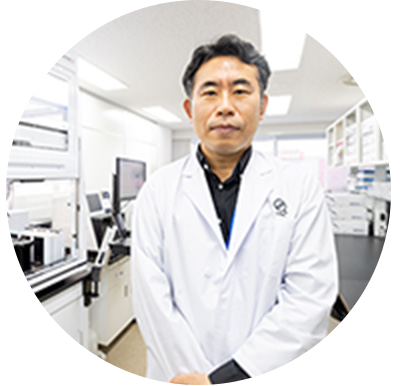 Author
Dr. Yoshinori Tomikane, M.D., Ph.D.
Completed the master's/doctoral program in Biosystems and Molecular Medicine at the University of Tsukuba Graduate School
In 2017, developed Japan's first prenatal DNA testing(Patent 7331325) using a trace DNA analysis technology(Patent 7121440)
[References]
(2) Ministry of Health, Labour and Welfare — Materials on NIPT Certified Facilities
(3) Fertility and Sterility, August 2015
(4) Facility Survey Report on the Actual Status of NIPT Testing in Japan
(5) Journal of Neuroscience, August 2018