
Last updated: February 14, 2026
Aging is now attracting attention as a phenomenon that could potentially be treated. Existing drugs such as metformin, rapamycin, and GLP-1 receptor agonists are being studied for their anti-aging effects. This article provides a detailed look at the latest findings and future outlook, including the removal of senescent cells through senolytics.
- ・Can aging be treated?
- ・What are anti-aging drugs?
- ・Three representative anti-aging drugs
- ・How they work (mechanisms)
- ・The frontline of senescent cell-clearing drugs (senolytics)
- ・The relationship between genes and aging—what a DNA score can reveal
- ・How many people are actually taking these drugs?
- ・The current state and future outlook of anti-aging drugs
Can aging be treated?

Recent research has led to aging increasingly being viewed not as an irreversible natural phenomenon but as "a condition that could potentially be treated." This is because the biological mechanisms of aging (the hallmarks of aging) are gradually being elucidated at the molecular level [ref:1].
A groundbreaking paper published in 2013 systematically organized nine hallmarks that characterize aging (genomic instability, telomere attrition, epigenetic alterations, loss of proteostasis, deregulated nutrient sensing, mitochondrial dysfunction, cellular senescence, stem cell exhaustion, and altered intercellular communication) [ref:1]. This revealed that aging is not merely "wear and tear" but a process regulated by specific molecular pathways, rapidly popularizing the idea that interventions targeting each of these pathways could theoretically be possible.
Historically, because aging was categorized as a "natural process" rather than a "disease," there was an institutional barrier making it difficult to gain drug approval. In recent years, however, moves to medically address aging itself have accelerated worldwide, such as the World Health Organization (WHO) creating a new "aging-related" code in the International Classification of Diseases (ICD-11) [ref:6]. Against this backdrop, research into drugs with the potential to delay or reverse aging has become increasingly active.
What are anti-aging drugs?

Most of the anti-aging drugs currently being studied are not new compounds but rather "existing drugs" already approved for other conditions. These are being reevaluated as evidence suggests they may also slow the aging process itself as a secondary effect.
The approach of repurposing existing drugs for aging—known as "drug repositioning"—offers major advantages. First, because these drugs already have decades of prescribing history, their safety profiles are well established. Second, clinical trial costs and timelines can be substantially reduced compared with developing entirely new drugs. Third, since generic versions are often available, the drugs are inexpensive, meaning that if anti-aging effects are proven, many people could benefit.
At the same time, there are important caveats. These drugs have not currently been approved with "anti-aging" as an indication—the findings remain at the research stage. Taking them on one's own judgment carries risk, so any consideration of use must be done under the guidance of a physician.
Three representative anti-aging drugs
 The following three drugs are currently attracting particular attention in aging research. Each is being examined for its potential to intervene in the aging process through a different mechanism.
- Metformin—a drug that activates cellular repair functions
Metformin is an inexpensive drug used worldwide to treat type 2 diabetes. It has a long history, having been prescribed since the 1950s. In recent years, large-scale epidemiological studies of diabetic patients have reported the surprising finding that diabetic patients taking metformin have lower rates of cardiovascular disease and cancer even compared with healthy non-diabetic individuals. In response to this finding, a large-scale clinical trial called "TAME (Targeting Aging with Metformin)" is currently underway in the United States. The TAME trial is examining whether metformin can delay the onset of multiple age-related diseases (heart disease, cancer, dementia, etc.) in approximately 3,000 people aged 65 to 80 [ref:2]. Metformin is thought to activate AMPK (AMP-activated protein kinase), a cellular energy sensor, thereby enhancing the repair function of aged cells through improved mitochondrial function and increased autophagy (cellular self-digestion). - Rapamycin—a drug that suppresses cell growth signaling
Rapamycin (sirolimus) is used as an immunosuppressant to prevent rejection after organ transplantation. This drug came into the spotlight in aging research following the results of the NIA (National Institute on Aging) "Interventions Testing Program (ITP)" published in 2009. This study reported that when genetically diverse mice were given rapamycin, lifespan increased by about 14% in females and about 9% in males [ref:3]. Rapamycin suppresses the mTOR (mammalian target of rapamycin) signaling pathway, which controls cell growth and proliferation. The mTOR pathway is activated when nutrients are abundant and promotes cell growth, but its sustained long-term activation accelerates cellular aging. By moderately suppressing this signal, rapamycin is thought to produce longevity effects similar to those of caloric restriction, and it is positioned as one of the drugs with the strongest evidence in the field of longevity research. - GLP-1 receptor agonists (such as semaglutide)—the anti-aging effects of a weight-loss drug
GLP-1 receptor agonists were originally developed as treatments for type 2 diabetes and obesity. However, results from the latest large-scale clinical trial, the "SELECT trial," published in 2023, showed that in patients with obesity and a history of cardiovascular disease, semaglutide reduced the risk of major cardiovascular events (heart attack, stroke, cardiovascular death) by 20% [ref:4]. This effect was too large to be explained by weight loss alone, suggesting that a direct action suppressing chronic systemic inflammation is also involved. Because chronic low-grade inflammation ("inflammaging") is one of the main drivers of aging, expectations are rising that GLP-1 receptor agonists may offer anti-aging and anti-inflammatory benefits that go beyond simple weight loss.
What these three drugs have in common is that each has an effect of "suppressing systemic chronic inflammation associated with aging." Aging is not merely a decline in outward appearance—it is also a process in which persistent inflammation quietly progresses within the body, damaging organs and tissues. By addressing this underlying inflammation, anti-aging drugs may hold the potential to simultaneously prevent multiple age-related diseases.
\Discover your health risks and your "longevity tendencies" at the same time/
How they work (mechanisms)
What anti-aging drugs commonly target is the "senescent cells" that accumulate in the body. Senescent cells are cells that have stopped proliferating due to stress, DNA damage, or similar triggers. In a young body, the immune system promptly removes these cells, but as immune function declines with age, senescent cells accumulate in organs and tissues.
Accumulated senescent cells release inflammatory substances into their surroundings, a phenomenon known as "SASP (Senescence-Associated Secretory Phenotype)." This induces even neighboring normal cells to become senescent, creating a vicious cycle that accelerates the decline of tissue function overall. This "chain of inflammation" is considered to be one of the fundamental causes common to many age-related diseases, including cardiovascular disease, diabetes, Alzheimer's disease, and cancer [ref:5].
The frontline of senescent cell-clearing drugs (senolytics)
A new category of drugs called "senolytics" aims to selectively remove these senescent cells. A well-known representative combination is "dasatinib plus quercetin (D+Q)." Dasatinib is a leukemia treatment, and quercetin is a natural flavonoid found in onions, broccoli, and similar foods; combining them blocks the survival signals on which senescent cells depend, inducing apoptosis (programmed cell death).
In animal studies, administration of senolytics has been observed to reduce the accumulation of senescent cells and improve physical function and extend healthspan [ref:5]. In the first clinical trial in humans, published in 2019, patients with idiopathic pulmonary fibrosis were given dasatinib and quercetin, and a trend toward improved physical function was confirmed [ref:7].
The main target diseases and research status for senolytics currently include the following.
- Osteoarthritis: Clinical trials are underway to reduce inflammation and pain by removing senescent cells within joints
- Idiopathic pulmonary fibrosis: Research has already been reported on removing senescent cells accumulated in the lungs to improve respiratory function
- Diabetic kidney disease: Animal models suggest the possibility of protecting kidney function by removing senescent cells in the kidneys
- Alzheimer's disease: Research is underway into whether removing senescent glial cells in the brain could provide neuroprotection
- Age-related macular degeneration: Exploration has begun into treatments targeting senescent cells in the retina
However, senolytics are still in the early stages of research, and further verification is needed regarding long-term safety and the optimal dosing interval and dosage. At present, self-directed use is not recommended.
The relationship between genes and aging—what a DNA score can reveal
It is known that the pace of aging is influenced not only by environmental factors but also significantly by genetic factors. Twin studies estimate that approximately 20 to 30% of lifespan is genetically determined [ref:8]. In other words, even with the same lifestyle, the degree to which aging progresses and susceptibility to age-related diseases can differ based on genetic differences.
The "DNA Score" offered by the seeDNA Genetic Medicine Research Institute is a service that comprehensively scores health risks, constitutional tendencies, and even genetic tendencies related to longevity based on genetic information. By understanding your own genetic strengths and weaknesses, you can gain concrete insight into areas to improve in your lifestyle, providing valuable information for developing anti-aging strategies in the future as well.
How many people are actually taking these drugs?
There are currently no official statistics on how many people worldwide are taking these drugs specifically for "anti-aging" purposes. However, these drugs are already prescribed to hundreds of millions of people for conditions such as diabetes. Metformin, for example, is one of the most widely used diabetes drugs in the world, with more than 150 million prescriptions issued annually worldwide. Prescriptions of GLP-1 receptor agonists have also expanded rapidly in recent years, and in 2024 sales of semaglutide (Ozempic/Wegovy) reached several trillion yen annually worldwide.
Currently, use for anti-aging purposes is centered on off-label use by a segment of dedicated researchers and wealthy individuals—the so-called "biohackers." It is not uncommon for Silicon Valley entrepreneurs and longevity researchers to publicly disclose that they are serving as their own test subjects, taking low doses of metformin or rapamycin. However, because off-label use carries the risk of unexpected side effects, it is important to make any such decision only after consulting a specialist physician.
In the future, if large-scale clinical trials such as TAME produce results, a day may come when "aging" itself is recognized as a treatable indication. If that happens, anti-aging drugs could become a standard option in preventive medicine, rather than something limited to a handful of pioneers.
The current state and future outlook of anti-aging drugs
Research into anti-aging drugs has made dramatic progress over the past decade. However, many challenges remain to be resolved.
- The endpoint problem: How can "slowing aging" be scientifically proven? Conventional clinical trials use a specific disease as the endpoint, but aging is a phenomenon that spans multiple diseases, making the establishment of an evaluation method an urgent priority.
- Biomarker development: Progress is being made in improving the precision of "aging clocks" (epigenetic clocks) that accurately measure biological age, making objective evaluation of treatment effects increasingly possible.
- Regulatory barriers: Because aging is still not classified as a "disease" in most countries, there are institutional hurdles in the approval process for anti-aging drugs. The TAME trial is also a pioneering effort to get the FDA to recognize "aging" itself as a treatable condition.
- Addressing individual differences: Because the pace of aging varies greatly depending on genetic background and lifestyle, personalized anti-aging strategies based on individual DNA information—rather than uniform prescriptions—will likely become important going forward.
Research into the mechanisms of aging and the development of anti-aging drugs will likely continue to accelerate. What matters most is obtaining accurate information based on the latest scientific evidence. Understanding your own genetic constitution and building a health strategy suited to it is the first step toward healthy longevity in the years ahead.
\Discover your health risks and your "longevity tendencies" at the same time/
 Apply / Purchase Kit
Frequently Asked Questions
Q1. Can anyone start taking anti-aging drugs right now?
A. At present, metformin, rapamycin, and GLP-1 receptor agonists are each approved for specific conditions such as diabetes, organ transplantation, and obesity treatment, respectively. No drug has yet been approved with "anti-aging" as an indication. If you are considering off-label use, please be sure to consult a specialist physician.
Q2. What kinds of side effects does metformin have?
A. The main side effects of metformin include gastrointestinal issues (diarrhea, nausea, abdominal pain). These often lessen with continued use, but in rare cases a serious side effect called lactic acidosis can occur, so people with reduced kidney function need to be especially careful [ref:2].
Q3. Can senolytics (senescent cell-clearing drugs) be purchased as a supplement?
A. Quercetin, one component of senolytics, is sold over the counter as a supplement. However, dasatinib is a prescription drug and is not sold over the counter. In addition, it has not been proven whether quercetin alone as a supplement can achieve a senescent cell-clearing effect equivalent to that seen in clinical trials, so excessive expectations should be avoided [ref:5].
Q4. Is it safe to take rapamycin long-term?
A. Because rapamycin is an immunosuppressant, long-term use may increase the risk of infection. Current longevity research is exploring intermittent, low-dose administration to minimize side effects while still obtaining anti-aging benefits, but long-term safety data in humans is not yet sufficient [ref:3].
Q5. Can a DNA Score be used to check aging-related risk?
A. Yes. The "DNA Score" from the seeDNA Genetic Medicine Research Institute can analyze multiple items, including genetic tendencies related to longevity and risk factors for age-related diseases. Based on genetic information, it can provide reference information to help you develop a health management plan suited to your own constitution.
Q6. When is research into anti-aging drugs expected to reach practical use?
A. Trials such as the TAME trial (metformin) and Phase 2 clinical trials of senolytics are currently underway, and several important results are expected in the late 2020s. However, because approving a drug with "aging" as an indication faces significant regulatory hurdles, it may take considerably longer before such treatments are widely adopted in actual clinical practice.
Reliable Support from the seeDNA Genetic Medicine Research Institute
The seeDNA Genetic Medicine Research Institute is a trusted specialist institution for DNA testing and genetic testing that has obtained the international quality standard ISO 9001 and the Privacy Mark for personal information protection.
If you have concerns about family or parent-child blood relationships, a partner's infidelity, or similar matters, our DNA testing specialists are here to provide reassuring support, so please feel free to contact us.
[Free Consultation with Specialist Staff]

If you have any questions
please feel free to contact our toll-free number.
\Open every day, including weekends/
Business hours: Monday–Sunday 9:00 AM–6:00 PM
(excluding public holidays)
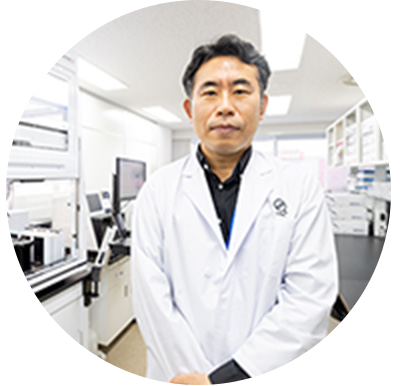 Author
Kihan Tomikane, M.D., Ph.D.
Graduate of the master's/doctoral program in Biosystem Regulation and Molecular Informatics Medicine at the University of Tsukuba
In 2017, developed Japan's first prenatal DNA testing(Patent 7331325) using trace-DNA analysis technology(Patent 7121440)