
 Maintaining working memory function

- Working memory is a brain function that temporarily retains information and processes tasks.and decreases by about 30% after the age of 50.
- GRIN2B gene (DNA region rs3764030)Research shows that this affects the maintenance of working memory function.
- TT or TC types tend to maintain their functions even as they age;CC type tends to declineThere is
Overview Working memory is the ability to temporarily hold information in the brain while simultaneously processing related tasks. For example, you can take notes while listening to a phone number. Working memory can be said to be an essential skill in daily life. However, as we age, working memory function declines, and it is said to decline by approximately 30% after the age of 50. In fact, it is known that the maintenance of working memory function is influenced by DNA as we age. According to a study conducted by a research group at the University of Kentucky in the United States, it has been reported that a specific gene region called GRIN2B influences the maintenance of human working memory function. (Reference link 1) By finding out your own genetic type through genetic testing, you can learn about your genetic tendencies in maintaining working memory function. Why not give it a try? Rationale A study conducted at the University of Kentucky in the United States revealed that specific GRIN2B genotypes have differences in the maintenance of working memory function. The specific region of this gene is called "rs3764030," and there are three genotypes: TT, TC, and CC. People with the TT or TC type can maintain their working memory function regardless of age, whereas people with the CC type tend to have a decline in working memory function as they age. People with TT or TC types find it easier to perform basic tasks in daily life even into old age. On the other hand, CC types may find it difficult to misplace things or perform tasks as they age. (Reference link 2) These symptoms are similar to those in the early stages of dementia, suggesting that there is a high possibility of developing dementia in the future. As a countermeasure, it is effective to organize things by labeling them, getting into the habit of posting plans and appointments in easy-to-see places, and getting into the habit of writing in a diary. In this way, by scientifically confirming genetic tendencies related to working memory, it may be possible to consider measures that are suitable for each person in advance. Mechanism of action The GRIN2B gene is located on chromosome 12 of the 24 human chromosomes, and is highly expressed in the hippocampus of the brain, which is associated with the storage of new memories. This gene is thought to play an important role in learning and memory. (Reference link 1) Furthermore, according to the Pharmaceutical Research Group at the University of Tokyo Graduate School, it has been revealed that hippocampal function is related to efficient working memory necessary for problem solving. Around the world, 62.7% of people with CC type have a higher rate of decline in working memory. For Japanese people, 11.8% are TT type, 45.1% are TC type, and 42.9% are CC type. (Reference links 2, 3) From the above, rs3764030 is one of the noteworthy SNPs related to working memory ability.
What is working memory?
Working memory is a cognitive function that temporarily stores information in the brain while simultaneously processing related tasks.A typical example is taking notes while listening to a phone number.
Why working memory is important
Working memory is an essential ability to perform basic tasks in daily life.
- Conversation understanding:Consider your response while retaining the context of what the other person is saying
- Calculation processing:Perform calculations while memorizing intermediate values
- Decision making:Make decisions by comparing multiple pieces of information
Why does working memory decline?
Working memory function declines with age, decreasing by approximately 30% after the age of 50.It is reported that. Genetic factors play a role in this decline.
By a research group at the University of Kentucky,GRIN2B gene DNA region rs3764030It has been revealed that this affects the maintenance of working memory function (Reference link 1).
Symptoms caused by decreased working memory
When working memory deteriorates, the following symptoms appear:
- More likely to forget things
- Difficulty executing multiple tasks simultaneously
- Easily forget the content of conversations
- Decreased ability to plan and organize
These symptoms areSimilar to early symptoms of dementiaThis suggests that there may be a higher risk of developing dementia in the future.
Comparison of working memory function by gene type
| Genotype (rs3764030) | Functional decline due to aging | Features |
|---|---|---|
| TT type | hard to decline | Easy to perform daily tasks even at older ages |
| TC type | hard to decline | Easy to perform daily tasks even at older ages |
| CC type | easy to decline | More likely to forget things or have difficulty performing tasks |
Measures to maintain working memory
The following measures are effective for people who fall under the CC type.
- Organize things by labeling themget into the habit of doing
- Post plans and appointments in an easy-to-see placeTake advantage of the methods
- the habit of writing a diaryExternalize memory by attaching
By knowing your genetic type through genetic testing, you can consider measures that are suitable for you in advance.
Relationship between genes and maintenance of working memory function
Relationship between DNA region rs3764030 and functional maintenance
Research by Yang Jiang and colleagues at the University of Kentucky (2017) revealed that the DNA region rs3764030 of the GRIN2B gene is associated with the maintenance of working memory function.
- There are three genotypes of rs3764030: TT, TC, and CC.
- TT or TC typeof people can maintain working memory function regardless of age.
- CC typePeople tend to have poorer working memory function as they age.
Genotype distribution in Japanese (rs3764030)
| Genotype | Percentage of Japanese people | percentage of the world |
|---|---|---|
| CC type | 36.1% | 62.7% |
| CT type | 47.9% | 32.9% |
| TT type | 15.9% | 4.3% |
The CC type accounts for 62.7% of people in the world, but the percentage of Japanese people with the CC type is relatively low at 36.1%. A total of 63.8% of Japanese people have the TT or TC type, and compared to the world average (37.2%), there are many people with a genotype that makes it easier to maintain function.
Mechanism of action of GRIN2B gene
The GRIN2B gene is located on chromosome 12 and is expressed in the hippocampus of the brain, which is associated with the storage of new memories.This gene plays an important role in learning and memory (reference link 1).
In a study by the University of Tokyo Graduate School of Pharmaceutical Research Group,Hippocampal function is related to efficient working memory necessary for problem solvingIt is clear that it is.
Rationale for testing
Superficial DNA regions: maintaining working memory function
The gene region that most strongly influences the maintenance of working memory function is rs3764030. The distribution of isomorphic genotypes in Japan is as follows.
- CC
36.1 % - CT
47.9 % - TT
15.9 %
Basis for inspection
Research by Yang Jiang et al. at the University of Kentucky revealed that the rs3764030 region of the GRIN2B gene is associated with maintaining working memory function. There are three genotypes of rs3764030: TT, TC, and CC, and people with the TT or TC type can maintain their working memory function regardless of age, but people with the CC type tend to have lower functioning with age (Reference links 1 and 2).
The DNA region investigated this time
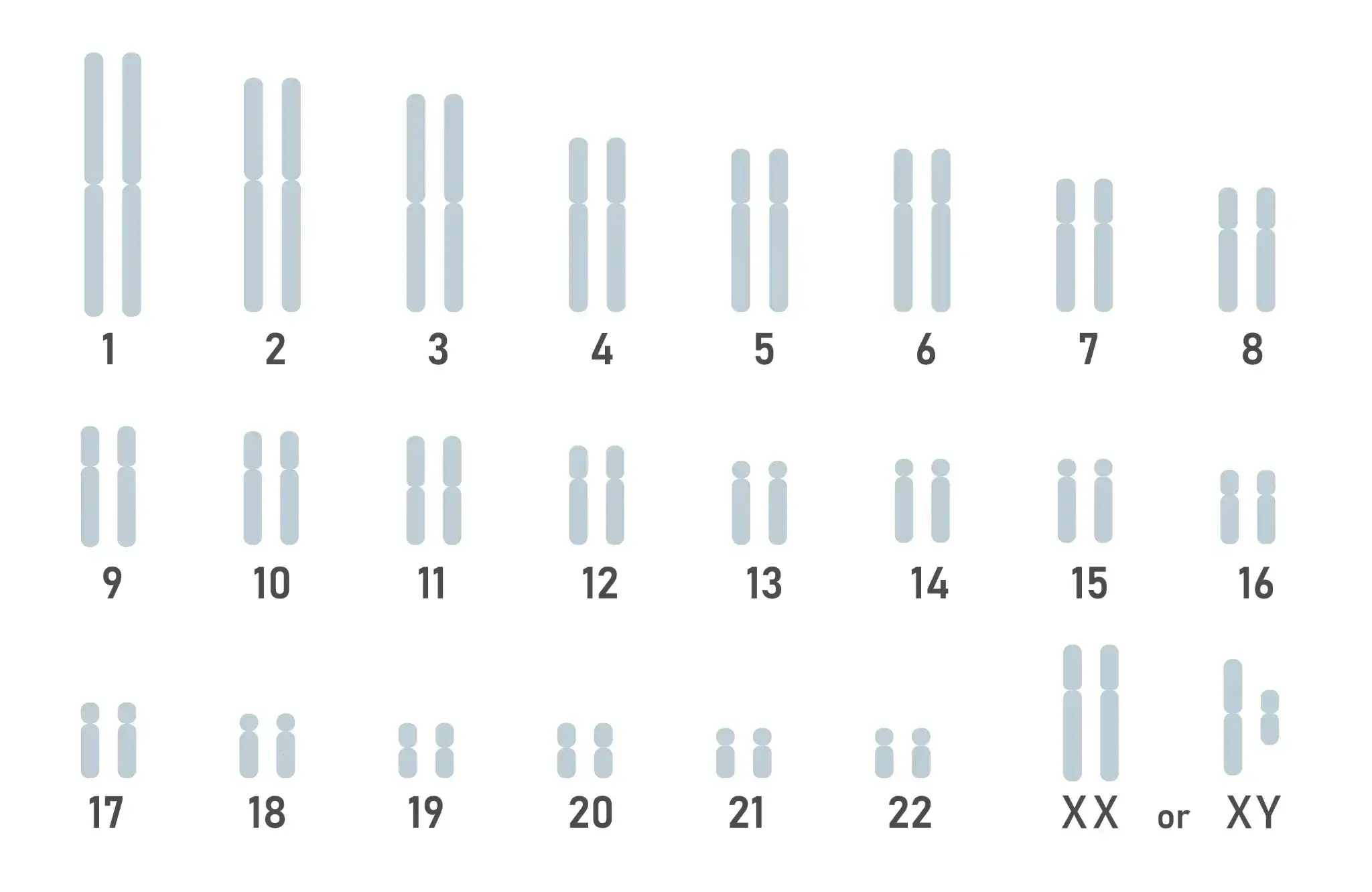
Schematic diagram of DNA map present in cells
- ■
- ■
- ■
- ■
- ■
- ■
- ■
- ■
- ■
Related genes
| Related genes | GRIN2B |
|---|
Frequently asked questions (FAQ)
Q1. What is working memory?
Working memory is a cognitive function that temporarily stores information in the brain while simultaneously processing related tasks.A typical example is taking notes while listening to a phone number, and it is said that this decreases by about 30% after the age of 50.
Q2. What is the relationship between genes and the decline in working memory?
GRIN2B geneDNA region rs3764030 influences maintenance of working memory functionI will. People with the TT or TC type tend to maintain their function regardless of age, while people with the CC type tend to have a decline in function as they age (Reference links 1 and 2).
Q3. What happens when working memory decreases?
You may misplace things or have difficulty completing tasks. These symptoms areSimilar to early symptoms of dementiaThis suggests that there may be a higher risk of developing dementia in the future.
Q4. What measures can be taken to prevent working memory decline?
The habit of organizing things by labeling them, How to post schedules and appointments in easy-to-see places,the habit of writing a diaryis valid. Through genetic testing, you can find out your type and consider measures that suit your individual needs in advance.
References
- Reference link 1: 2017 Apr., Yang Jiang, Aging (Albany NY)
- Reference link 2: 2017 Sep., Lin Han, Medicine
- Reference link 3: Information on DNA region “rs3764030” NIH