
 vitamin D deficiency
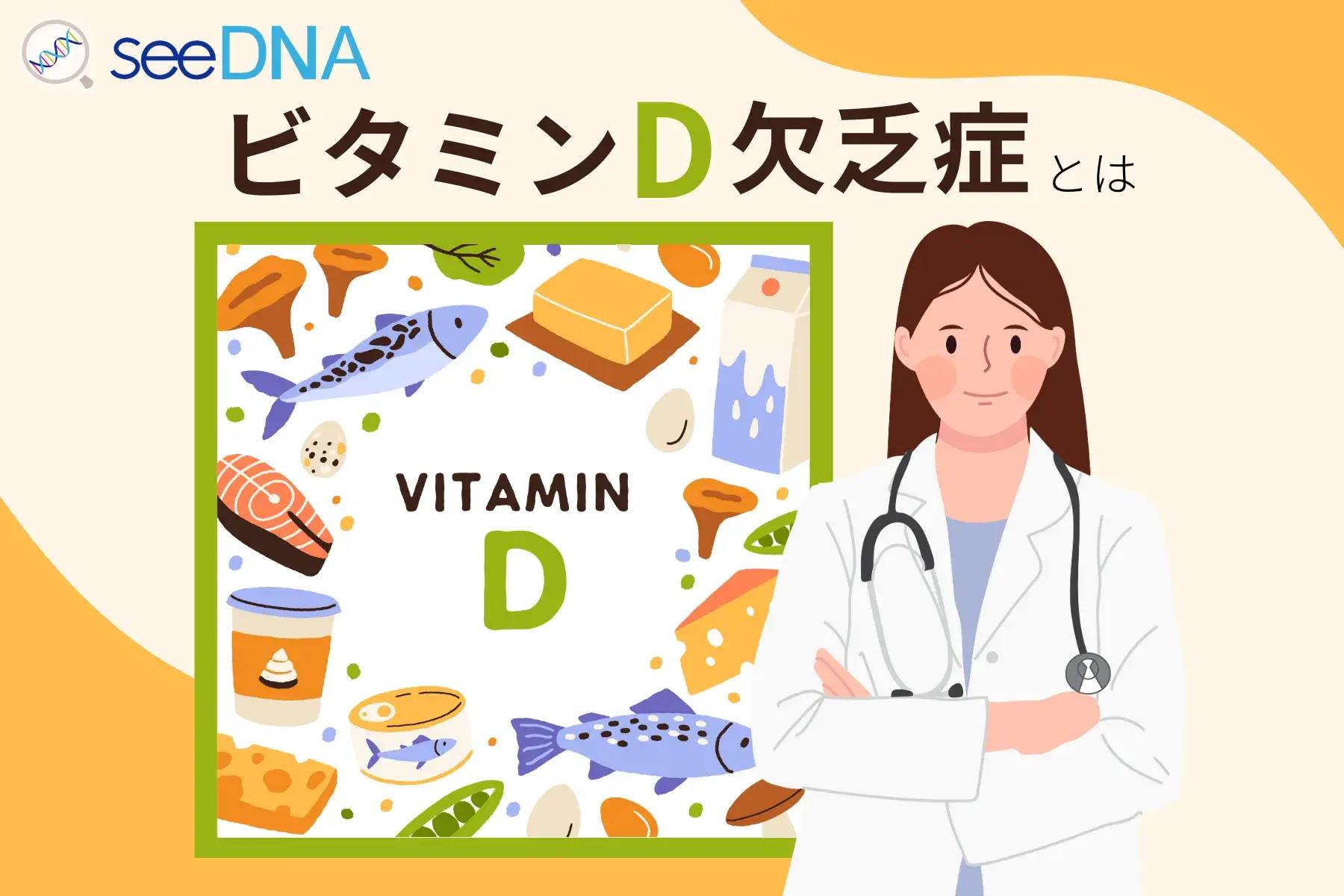
- Vitamin D deficiency is a disease that causes decreased bone density and impaired immune function.and causes osteoporosis in adults and rickets in children.
- T-type mutation in DNA region rs1229984Research shows that people with the disease tend to be at higher risk of developing
- appropriateSunbathing/meals/supplementsHelps maintain vitamin D levels and prevent deficiency
Overview Vitamin D deficiency is caused by insufficient levels of vitamin D in the body, which has a variety of negative effects on bones and the immune system. Vitamin D is an important fat-soluble vitamin that is produced in the body through dietary intake or exposure to sunlight, and plays a role in supporting the absorption of calcium and phosphorus and maintaining bone health. The main causes of vitamin D deficiency include lack of sunlight, inadequate diet, malabsorption, and liver and kidney dysfunction. The skin produces vitamin D when exposed to ultraviolet rays contained in sunlight, but if your skin does not get much exposure to sunlight, the production of vitamin D becomes insufficient. Deficiency can also be caused by not getting enough vitamin D from the diet or by gastrointestinal disorders that prevent vitamin D absorption. Furthermore, when liver and kidney function decline, vitamin D becomes less easily metabolized, which can lead to deficiency. Symptoms of vitamin D deficiency are often related to bones and muscles. Adults are at increased risk of osteoporosis and fractures due to bone pain, muscle weakness, and decreased bone density. In children, vitamin D deficiency can cause rickets, a disease that causes softening and deformation of bones. Vitamin D is also involved in immune function, so deficiency can lead to decreased immunity and resistance to infections. Additionally, some studies suggest that vitamin D deficiency is also associated with cardiovascular disease, diabetes, depression, and decreased cognitive function. A study by Manousaki et al. at McGill University revealed that the risk of developing vitamin D deficiency is associated with a DNA region called rs1229984. There are three genotypes in this DNA region: TT, TC, and CC, and it was found that people with T-type mutations tend to have a higher risk of vitamin D deficiency.
What is vitamin D deficiency?
Vitamin D deficiency is a disease in which insufficient levels of vitamin D in the body negatively impact bones and the immune system.Vitamin D is an important fat-soluble vitamin that helps absorb calcium and phosphorus and maintains bone health.
Causes and mechanisms of vitamin D deficiency
Vitamin D deficiency is caused by four main factors:
- Lack of sunlight:The skin produces vitamin D when exposed to ultraviolet rays, but if you mainly live indoors, the amount produced is insufficient.
- Insufficient dietary intake:Insufficient intake of foods containing vitamin D (salmon, mackerel, mushrooms, egg yolks)
- Malabsorption:Gastrointestinal disorders (such as celiac disease and Crohn's disease) can interfere with vitamin D absorption.
- Liver/kidney dysfunction:Vitamin D activation is inhibited due to decreased function of the organs necessary for vitamin D metabolism.
Main symptoms of vitamin D deficiency
The symptoms areThings related to bones and musclesThe main features are as follows.
- Bone pain/muscle weakness
- Due to decreased bone densityosteoporosis・Increased fracture risk
- In the case of childrenrickets(Diseases accompanied by bone softening and deformation)
- Decreased immunity/resistance to infections
- Feeling of fatigue/feeling depressed
Disease risks associated with vitamin D deficiency
| Related diseases | influence mechanism | degree of risk |
|---|---|---|
| osteoporosis | Decreased bone density due to decreased calcium absorption | expensive |
| Rickets (childhood) | Bone mineralization deficiency | expensive |
| cardiovascular disease | Effects on vascular function and inflammation | medium |
| diabetes | Effect on insulin secretion/sensitivity | medium |
| depression | Involved in serotonin synthesis | medium |
How to prevent vitamin D deficiency
You can prevent vitamin D deficiency by:
- Sunbathing:Take a moderate amount of sunbathing for 15 to 30 minutes a day
- Meal improvement:Actively consume salmon, mackerel, mushrooms, egg yolks, and fortified dairy products.
- Supplements:If your blood 25(OH)D concentration is less than 20ng/mL, consider taking supplements under your doctor's guidance.
- Regular inspection:Measure the 25(OH)D concentration with a blood test and maintain the appropriate value (20-50ng/mL)
The link between genes and vitamin D deficiency
Relationship between DNA region rs1229984 and onset risk
A study by Manousaki et al. from McGill University found that the DNA region rs1229984 is associated with the risk of developing vitamin D deficiency.
- There are three genotypes of rs1229984: TT, TC, and CC.
- Genotype with T-type mutationpeople tend to be at higher risk of vitamin D deficiency
Genotype distribution in the Japanese and the world (rs1229984)
| Genotype | Percentage of Japanese people | percentage of the world |
|---|---|---|
| TT type | 53.4% | 0.2% |
| TC type | 39.3% | 9.2% |
| CC type | 7.2% | 90.4% |
Rationale for testing
Superficial DNA region: Vitamin D deficiency
The gene region most strongly associated with vitamin D deficiency is rs1229984. The distribution of isomorphic genotypes in Japan is as follows.
- TT
53.4 % - TC
39.3 % - CC
7.2 %
Basis for inspection
A study by Manousaki et al. at McGill University revealed that the risk of developing vitamin D deficiency is linked to genes. There is a region called rs1229984 in the human genome, and there are two types of mutations, T and C, in the gene in this region. It was found that people with the T mutation tend to be at higher risk of vitamin D deficiency.
The DNA region investigated this time
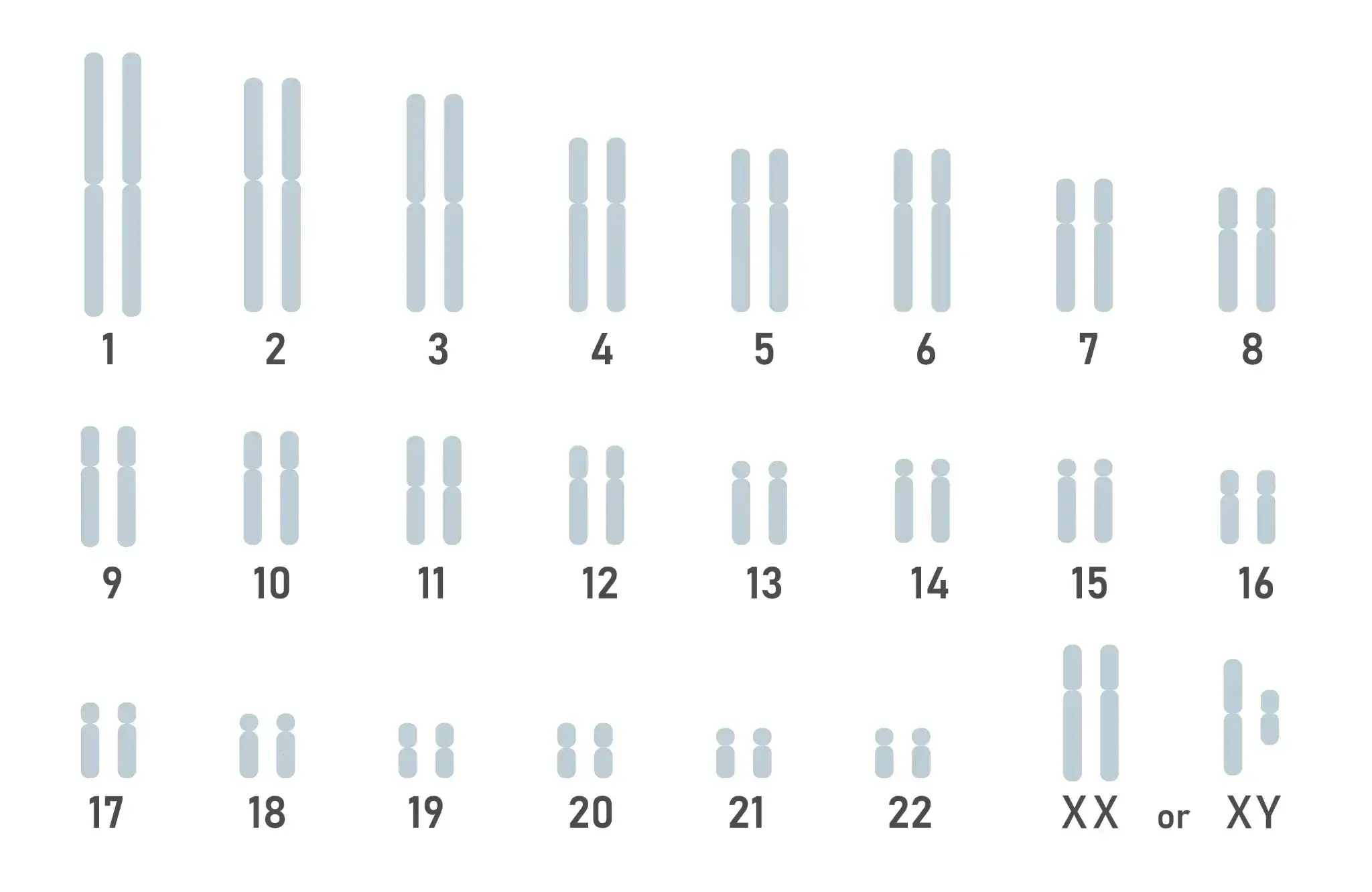
Schematic diagram of DNA map present in cells
- ■
- ■
- ■
- ■
- ■
- ■
- ■
- ■
- ■
Related genes
| Related genes | ADH1B |
|---|
Frequently asked questions (FAQ)
Q1. What is vitamin D deficiency?
Vitamin D deficiency is a disease caused by insufficient levels of vitamin D in the body, leading to decreased bone density and impaired immune function.It can cause osteoporosis and increased risk of fractures in adults, and rickets (softening and deformation of bones) in children.
Q2. What is the cause of vitamin D deficiency?
The main cause isLack of sunlight, insufficient dietary intake, malabsorption due to gastrointestinal disease, decreased liver and kidney functionThere are four. The risk is particularly high for people living in areas with short daylight hours or living indoors.
Q3. What is the relationship between vitamin D deficiency and genes?
According to research by Manousaki et al. at McGill University,T-type mutation in DNA region rs1229984It has been found that people with vitamin D tend to be at higher risk of vitamin D deficiency. TT type accounts for 53.4% of Japanese people.
Q4. How to prevent vitamin D deficiency?
15-30 minutes of sunbathing per day, intake of vitamin D-containing foods (salmon, mackerel, mushrooms, egg yolk), and supplementation as needed are effective preventive measures. It is recommended to maintain blood 25(OH)D concentration above 20ng/mL.
References
- Reference link 1: 2020 Mar., Despoina Manousaki, Am J Hum Genet