
 Vitamin B12 metabolic ability

- Vitamin B12 metabolic ability is associated with the genotype of the DNA region rs2287921However, people with type C mutation tend to have higher metabolic capacity.
- Japanese90.6% are TT type, and the prevalence of type C is lower than the world average (26.6%)
- Vitamin B12 isBrain function, nervous tissue, red blood cells, DNA synthesisis an essential nutrient, and deficiency can cause anemia and neurological disorders.
Overview Vitamin B12 measurement is done to determine the amount of this important nutrient in your blood. This vitamin plays a variety of important roles in the body and is essential for brain function, the health of nervous tissue, and the production of red blood cells and DNA. Vitamin B12 levels are usually analyzed in a laboratory using a blood sample taken from a vein in the arm. Adequate levels of vitamin B12 are very important in maintaining good health. Deficiency can cause symptoms such as fatigue, constipation, and memory loss, and in severe cases can also cause neurological changes and anemia. On the other hand, abnormally high levels of vitamin B12 can indicate certain health problems. These include liver disease and certain myeloproliferative disorders. Therefore, accurately understanding vitamin B12 levels and taking appropriate care is important for the diagnosis, treatment, and prevention of various health conditions. A study by Keene and colleagues at the University of Virginia and East Carolina University revealed that the ability to metabolize vitamin B12 is associated with a DNA region called rs2287921. There are three genotypes in this DNA region: TT, TC, and CC, and it was found that people with the C genotype tend to have a higher ability to metabolize vitamin B12.
What is the metabolic ability of vitamin B12?
Vitamin B12 metabolic ability refers to the physiological function of absorbing, converting, and utilizing vitamin B12 in the body.Vitamin B12 (cobalamin) is a type of water-soluble vitamin and is an essential nutrient for brain function, maintaining the health of nervous tissue, and producing red blood cells and DNA.
Research by Keene et al. at the University of Virginia and East Carolina University has shown that this metabolic abilityDNA region rs2287921It is clear that it is related to. rs2287921 has three genotypes: TT, TC, and CC.People with the type C mutation tend to have a higher ability to metabolize vitamin B12.It is located in
Role and importance of vitamin B12
Vitamin B12 plays the following important roles in the body:
- Protection of the nervous system:Essential for the formation and maintenance of myelin sheaths (protective membranes that cover nerves)
- Production of red blood cells:Required for normal red blood cell maturation in the bone marrow
- DNA synthesis:Functions as a coenzyme for DNA synthesis necessary for cell division
- Homocysteine metabolism:Protects blood vessels by converting harmful homocysteine into methionine
What happens if you lack vitamin B12?
Symptoms of vitamin B12 deficiency appear in stages.
| stage | Main symptoms | severity |
|---|---|---|
| early stage | Fatigue, loss of appetite, constipation | Mild |
| middle period | Decreased memory, decreased concentration, canker sores | Moderate |
| Late period | Megaloblastic anemia, peripheral neuropathy, numbness in the hands and feet | severe |
Causes of abnormally high vitamin B12 levels
If vitamin B12 levels are higher than the normal range, the following diseases are suspected:
- Liver disease:B12 accumulated in the liver due to hepatitis and cirrhosis is released into the blood.
- Myeloproliferative diseases:B12-binding protein is overproduced by white blood cells in cases such as polycythemia vera.
- Renal dysfunction:Decreased excretion of B12 metabolites by the kidneys
How to test for vitamin B12
UsuallyBlood sample taken from a vein in the armis used to analyze the concentration of vitamin B12 in the laboratory. The normal range of blood vitamin B12 is233〜914 pg/mLIt is. Less than 200 pg/mL is considered a deficiency, and 200-300 pg/mL is borderline.
Relationship between genes and vitamin B12 metabolic ability
Relationship between DNA region rs2287921 and metabolic ability
A study by Keene and colleagues at the University of Virginia and East Carolina University found that the ability to metabolize vitamin B12 is associated with the DNA region rs2287921.
- There are three genotypes of rs2287921: TT, TC, and CC.
- People with type C mutation (CC type/TC type)tend to have a high ability to metabolize vitamin B12
- TT types tend to have relatively low metabolic ability.
Comparison of characteristics by genotype
| Genotype | Percentage of Japanese people | percentage of the world | Trends in metabolic capacity |
|---|---|---|---|
| TT type | 90.6% | 26.6% | standard |
| TC type | 9.1% | 49.9% | somewhat expensive |
| CC type | 0.2% | 23.3% | expensive |
In Japan, TT type is overwhelmingly prevalent at 90.6%, and the prevalence of type C mutation is low compared to the world average.
Rationale for testing
Surface DNA region: ability to metabolize vitamin B12
The gene region that most strongly influences the ability to metabolize vitamin B12 is rs2287921. The distribution of isomorphic genotypes in Japan is as follows.
- TT
90.6 % - TC
9.1 % - CC
0.2 %
Basis for inspection
A study by Keene and colleagues at the University of Virginia and East Carolina University revealed that the ability to metabolize vitamin B12 is linked to genes. There is a region called rs2287921 in the human genome, and there are two types of mutations, T and C, in the gene in this region.People with the type C mutation tend to have a higher ability to metabolize vitamin B12.I found out that there is. Among Japanese people, 90.6% have type TT, 9.1% have type TC, and 0.2% have type CC, and the prevalence of type C is significantly lower than the world average.
The DNA region investigated this time
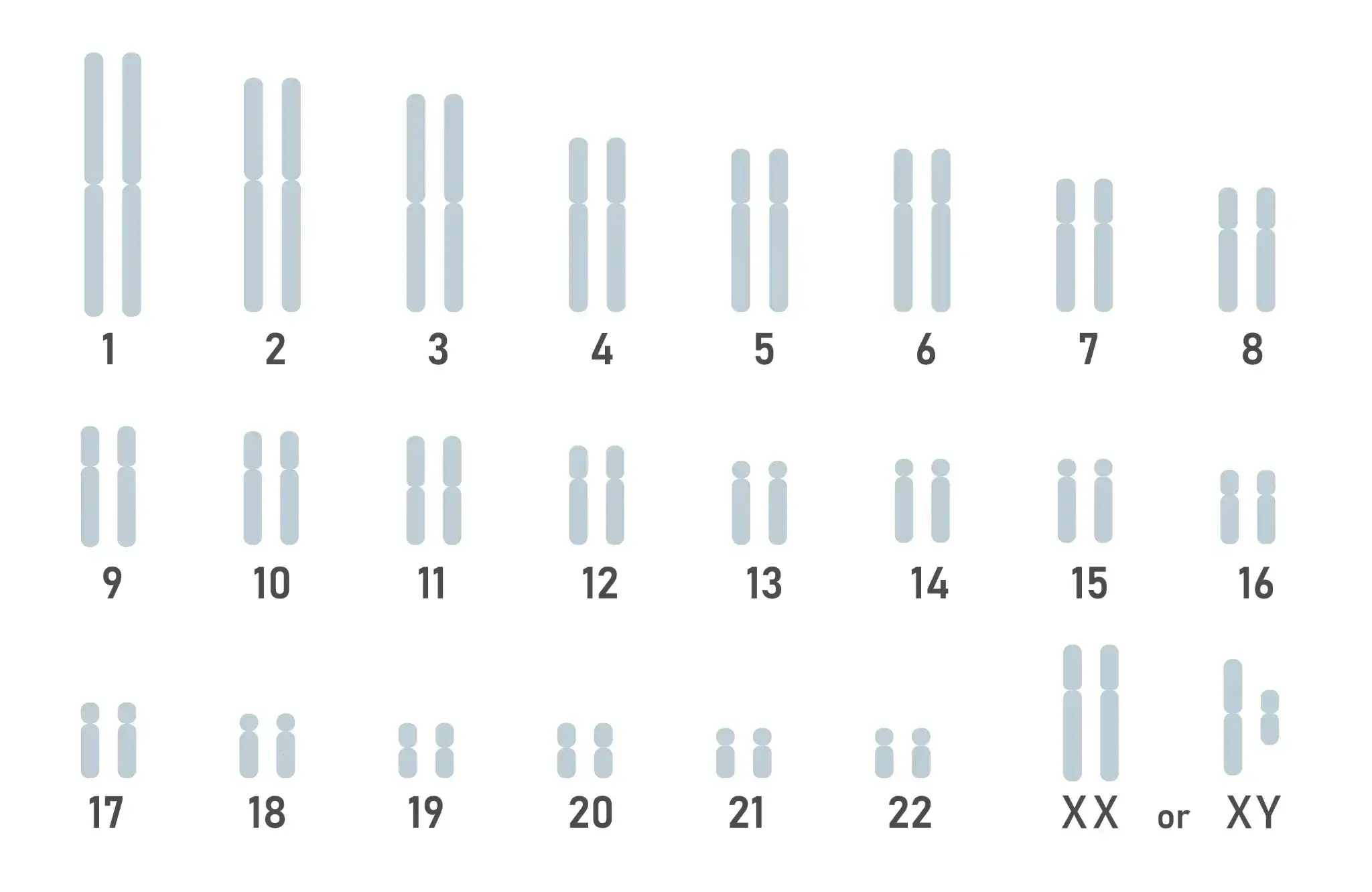
Schematic diagram of DNA map present in cells
- ■
- ■
- ■
- ■
- ■
- ■
- ■
- ■
- ■
Related genes
| Related genes | RASIP1 |
|---|
Frequently asked questions (FAQ)
Q1. What is the metabolic ability of vitamin B12?
Vitamin B12 metabolic ability refers to the physiological function of absorbing, converting, and utilizing vitamin B12 in the body.This ability varies from person to person depending on the genotype of the DNA region rs2287921, and people with type C mutation tend to have higher metabolic ability. Vitamin B12 is an essential nutrient for brain function, the health of nervous tissue, and the production of red blood cells and DNA.
Q2. What happens if there is a lack of vitamin B12?
If you lack vitamin B12,Fatigue, constipation, memory loss, loss of appetiteSymptoms such as: In severe casesmegaloblastic anemiaYaperipheral neuropathyThis can lead to numbness in the limbs and difficulty walking.
Q3. Can a genetic test determine my ability to metabolize vitamin B12?
By examining the genotype of the DNA region rs2287921,Understand trends in vitamin B12 metabolic abilityYou can. There are three genotypes: TT, TC, and CC, and people with the C mutation tend to have higher metabolic ability. The majority of Japanese people are TT type, accounting for 90.6%.
Q4. What is the normal value of vitamin B12?
The normal range of blood vitamin B12 is233〜914 pg/mLIt is. Less than 200 pg/mL is considered a deficiency, and 200-300 pg/mL is borderline. Blood is drawn from a vein in your arm and its concentration is measured in a laboratory.
Q5. What does it mean if my vitamin B12 is abnormally high?
If your vitamin B12 level is abnormally high,liver disease(hepatitis/cirrhosis),polycythemia veramyeloproliferative disorders such as, orRenal dysfunctionis suspected. Taking too many supplements can also lead to high levels.
References
- Reference link 1: 2014 Aug., Keith L Keene, Front Public Health