
 Upper respiratory system diseases
- Upper respiratory diseases are respiratory diseases that affect the nasal cavity, pharynx, larynx, and sinuses.Typical cases include colds and influenza.
- T-type mutation in DNA region rs9542155Research shows that people with the disease tend to be at higher risk of developing
- Washing hands, gargling, maintaining immunityIt is possible to reduce the risk of developing the disease through daily preventive measures such as
Overview Upper respiratory tract diseases are diseases that affect the nasal cavity, pharynx (throat), larynx (vocal cords), and sinuses. These diseases can interfere with breathing, cause pain, and cause symptoms that greatly impact quality of life. Common symptoms include runny nose, stuffy nose, sore throat, cough, and nasal congestion. Sneezing, headaches, facial pressure, hoarseness, and a decreased sense of smell and taste may also occur. In some cases, severe symptoms such as high fever, difficulty swallowing, and severe fatigue appear. These symptoms can be caused by a variety of things, including viral infections such as colds and flu, bacterial infections, allergies, environmental irritants (air pollution and smoking), and structural problems in the upper respiratory tract. Upper respiratory illnesses not only cause physical discomfort, but also disrupt sleep, reduce productivity, and interfere with daily activities. Additionally, it can worsen underlying health conditions such as asthma, which can lead to serious health complications if not treated properly. Treatment includes lifestyle changes, medications to relieve symptoms, and sometimes surgery. A study by Saarentaus et al. at the University of Helsinki revealed that the risk of upper respiratory tract diseases is associated with the DNA region rs9542155. There are three genotypes in this DNA region: TT, TC, and CC, and it was found that people with the T genotype tend to have a higher risk of upper respiratory system diseases.
What is upper respiratory tract disease?
Upper respiratory tract disease is a general term for respiratory diseases that affect the nasal cavity, pharynx (throat), larynx (vocal cords), and sinuses.It obstructs breathing, causes pain, and reduces quality of life (QOL).
What are the main causes of upper respiratory tract diseases?
The causes of upper respiratory tract diseases are mainly classified into five categories.
- Viral infection:Rhinoviruses, influenza viruses, etc. account for approximately 70-80% of the total.
- Bacterial infection:Streptococcus, pneumococcus, etc. develop as a secondary infection.
- Allergic reaction:Caused by allergens such as pollen, dust mites, and house dust
- Environmental irritants:Air pollution, smoking, and dry air irritate mucous membranes
- Structural issues:Anatomical factors such as deviated nasal septum and enlarged adenoids
Main symptoms of upper respiratory tract diseases
Symptoms range from mild to severe.
- Runny nose/stuffy nose (nasal congestion)
- Sore throat/discomfort when swallowing
- cough/sneeze
- Headache/facial pressure
- Hoarseness of voice (hoarseness)
- Decreased sense of smell and taste
- High fever and severe fatigue (in severe cases)
Difference between upper and lower respiratory tract diseases
| Comparison items | upper respiratory tract disease | lower respiratory tract disease |
|---|---|---|
| Affected area | Nasal cavity, pharynx, larynx, sinuses | Bronchus, bronchioles, lungs |
| Typical diseases | Cold, pharyngitis, sinusitis | Bronchitis/pneumonia/asthma |
| severity | Mainly relatively mild symptoms | High risk of severe illness |
| Main cause | Viral infection (approximately 70-80%) | Viral/bacterial infection |
| treatment method | Mainly symptomatic treatment | Antibiotics and hospitalization treatment may be required |
Risk of complications from upper respiratory tract diseases
Without proper treatment, the following complications may occur:
- Worsening asthma:Airway inflammation spreads to the lower airways and triggers asthma attacks
- Otitis media:Infection spreads to the middle ear through the Eustachian tube
- Chronic sinusitis:Acute inflammation becomes prolonged and progresses to chronic inflammation of the sinuses.
- Bronchitis/pneumonia:The infection progresses to the lower respiratory tract and becomes severe.
Prevention of upper respiratory tract diseases
Daily preventive measures can reduce the risk of developing the disease.
- Hand washing/gargling(After returning home and before meals)
- 7-8 hours a dayenough sleepensuring
- Contains vitamin C and zincbalanced diet
- 150 minutes or more per weekmoderate exercisemaintain immunity by
- when dryUsing a humidifier(Maintain indoor humidity 40-60%)
- Smoking/passive smokingavoidance of
Relationship between genes and upper respiratory tract diseases
Relationship between DNA region rs9542155 and onset risk
A study by Saarentaus et al. (1) from the University of Helsinki revealed that the DNA region rs9542155 is associated with the risk of upper respiratory tract diseases.
- There are three genotypes of rs9542155: TT, TC, and CC.
- Genotype with T-type mutationpeople tend to be at higher risk of upper respiratory tract disease
Genotype distribution in Japanese (rs9542155)
| Genotype | Percentage of Japanese people | percentage of the world |
|---|---|---|
| TT type | 28.9% | 10.9% |
| TC type | 49.7% | 44.3% |
| CC type | 21.3% | 44.6% |
The proportion of Japanese people with type TT is approximately 2.7 times higher (28.9%) than the world average (10.9%), so there is a tendency for many people to have a genetic risk for upper respiratory tract disease.
Rationale for testing
Surface DNA region: upper respiratory system diseases
The gene region that most strongly affects upper respiratory system diseases is rs9542155. The distribution of isomorphic genotypes in Japan is as follows.
- TT
28.9 % - TC
49.7 % - CC
21.3 %
Basis for inspection
A study by Saarentaus et al. at the University of Helsinki revealed that the risk of upper respiratory tract diseases is associated with genes. There is a region called rs9542155 in the human genome, and there are two types of mutations, T and C, in the gene in this region. It has been found that people with T-type mutations tend to have an increased risk of upper respiratory tract disease (1).
The DNA region investigated this time
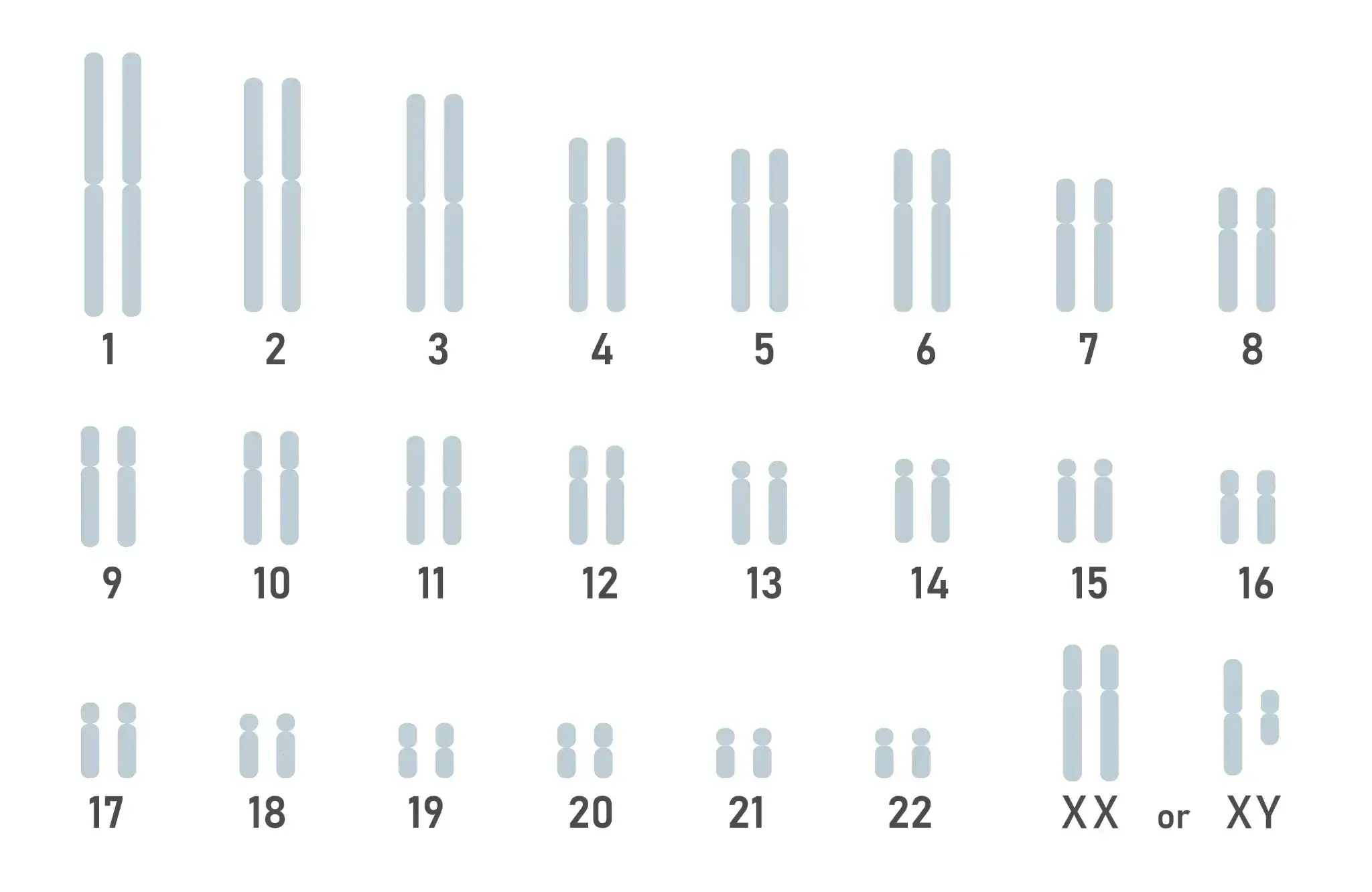
Schematic diagram of DNA map present in cells
- ■
- ■
- ■
- ■
- ■
- ■
- ■
- ■
- ■
Related genes
| Related genes | KLHL1 |
|---|
Frequently asked questions (FAQ)
Q1. What is upper respiratory tract disease?
Upper respiratory tract disease is a general term for respiratory diseases that affect the nasal cavity, pharynx (throat), larynx (vocal cords), and sinuses.This includes colds, influenza, allergic rhinitis, sinusitis, pharyngitis, and laryngitis, and causes symptoms such as runny nose, stuffy nose, sore throat, and cough.
Q2. What are the main causes of upper respiratory tract diseases?
The main cause isViral infection (rhinovirus, influenza virus, etc.)This accounts for approximately 70-80% of the total. Other causes include bacterial infections, allergic reactions, environmental irritants (air pollution and smoking), and structural problems in the upper respiratory tract (1).
Q3. What is the relationship between upper respiratory tract diseases and genes?
According to research by Saarentaus et al. at the University of Helsinki,DNA region rs9542155 is associated with risk of upper respiratory diseaseIt turned out to be. People with the T mutation genotype tend to be at increased risk (1).
Q4. How to prevent upper respiratory tract diseases?
Wash your hands and gargle thoroughly, get enough sleep, eat a well-balanced diet, and exercise moderately.It is important to maintain immunity. Use of a humidifier is recommended in dry environments. Avoiding smoking and second-hand smoke is also an effective preventive measure.
Q5. What is the difference between upper respiratory tract disease and lower respiratory tract disease?
upper respiratory tract diseaseAreas above the vocal cords such as the nasal cavity, pharynx, and larynxIt is a disease that affects Lower respiratory tract diseases affect areas below the vocal cords, such as the bronchi and lungs, and include bronchitis and pneumonia. Upper respiratory tract diseases tend to be relatively mild, but lower respiratory tract diseases tend to become more severe.
References
- Reference link 1: 2023 Jan., Elmo C Saarentaus, Nat Commun