
 Ability to metabolize unsaturated fatty acids

- The ability to metabolize unsaturated fatty acids is the ability to efficiently convert and utilize essential fatty acids such as omega-3 and omega-6 in the body.and is directly linked to maintaining cardiovascular health.
- C-type mutation in DNA region rs149615216A study at the University of Bristol found that people with
- Intake of blue fish, olive oil, and nutsOmega 6:Omega 3 ratio less than 4:1Improved metabolic efficiency can be expected by maintaining
Overview Metabolism of unsaturated fatty acids is a process that plays an important role in the human body. Unsaturated fatty acids are a type of fatty acids with double bonds, and are mainly found in vegetable oils and fish. These fatty acids are known for their positive effects on health, particularly contributing to cardiovascular health. There are different types of unsaturated fatty acids depending on the number and position of double bonds, and they are mainly classified into monounsaturated fatty acids and polyunsaturated fatty acids. Monounsaturated fatty acids include oleic acid, which is abundant in olive oil. Polyunsaturated fatty acids include omega-3 fatty acids (e.g., alpha-linolenic acid, DHA, EPA) and omega-6 fatty acids (e.g., linoleic acid, arachidonic acid). These fatty acids are essential fatty acids that cannot be synthesized by the human body and must be obtained from the diet. Metabolism of unsaturated fatty acids is involved in various functions in the body, such as energy supply, construction of cell membranes, and production of physiologically active substances. In order to maintain good health, it is important to consume the appropriate types and amounts of unsaturated fatty acids from your diet. Research by Richardson et al. at the University of Bristol revealed that the ability to metabolize unsaturated fatty acids is associated with a DNA region called rs149615216. There are three genotypes in this DNA region: CC, CG, and GG, and it was found that people with the T-type mutation tend to have a higher ability to metabolize unsaturated fatty acids.
What is the metabolic capacity of unsaturated fatty acids?
The ability to metabolize unsaturated fatty acids is the ability to convert and utilize unsaturated fatty acids ingested through meals into energy sources, cell membrane constituents, and physiologically active substances within the body.This metabolic efficiency varies depending on an individual's genotype and directly influences cardiovascular health and inflammatory responses.
What are unsaturated fatty acids?
Unsaturated fatty acids are fatty acids that have one or more double bonds in their molecular structure.It is. It is abundantly contained in vegetable oil and fish oil and remains in a liquid state at room temperature. It plays an important role in maintaining human health, especially in protecting the cardiovascular system.
Types and characteristics of unsaturated fatty acids
Unsaturated fatty acids are classified according to the number and position of double bonds.
- Monounsaturated fatty acids (MUFA):One double bond. A typical example is oleic acid (rich in olive oil)
- Polyunsaturated fatty acids (PUFA):Two or more double bonds. Contains essential fatty acids that cannot be synthesized by the body
Polyunsaturated fatty acids are further divided into omega-3 and omega-6 fatty acids.
- Omega-3 fatty acids:α-linolenic acid, DHA (docosahexaenoic acid), EPA (eicosapentaenoic acid)
- Omega-6 fatty acids:linoleic acid, arachidonic acid
Difference between monounsaturated fatty acids and polyunsaturated fatty acids
| Comparison items | Monounsaturated fatty acids (MUFA) | Polyunsaturated fatty acids (PUFA) |
|---|---|---|
| double bond | one | 2 or more |
| Typical example | Oleic acid (olive oil) | DHA, EPA, linoleic acid |
| Synthesis in the body | Possible | Not allowed (essential fatty acids) |
| main food sources | olive oil, avocado, nuts | Blue fish, perilla oil, soybean oil |
| Main health benefits | LDL cholesterol lowering | Anti-inflammatory, blood clot prevention, brain function maintenance |
Why unsaturated fatty acid metabolism is important
Metabolism of unsaturated fatty acids is an important function involved in three biological processes:
- Energy supply:Used as an energy source for cells through β-oxidation
- Construction of cell membrane:Maintains cell membrane fluidity and function as a phospholipid
- Production of physiologically active substances:Produces inflammatory modulators such as prostaglandins and leukotrienes
When metabolic capacity decreases, the risk of chronic inflammation, arteriosclerosis, and cognitive decline increases.
Dietary methods that increase the ability to metabolize unsaturated fatty acids
The following dietary strategies can help improve metabolic efficiency:
- Consume blue fish (mackerel, sardines, saury) at least twice a week to replenish DHA and EPA.
- Switch to olive oil for cooking oil to get more oleic acid
- Replenishes alpha-linolenic acid from walnuts, almonds, and chia seeds
- Omega 6: Omega 3 intake ratio below 4:1(Recommended by the Ministry of Health, Labor and Welfare)
Relationship between genes and ability to metabolize unsaturated fatty acids
Relationship between DNA region rs149615216 and metabolic ability
Research by Richardson et al. at the University of Bristol (1) revealed that the DNA region rs149615216 is associated with the ability to metabolize unsaturated fatty acids.
- There are three genotypes of rs149615216: CC, CT, and TT.
- Genotype with type C mutationPeople tend to have a higher ability to metabolize unsaturated fatty acids.
Genotype distribution in Japanese (rs149615216)
| Genotype | Percentage of Japanese people | percentage of the world |
|---|---|---|
| CC type | 99.9% | 98.5% |
| CT type | 0.1%以下 | 1.4% |
| TT type | 0.1%以下 | 0.1%以下 |
99.9% of Japanese people have type CC, which is higher than the world average (98.5%). The CC type has a C-type mutation, so it is a genotype with a high ability to metabolize unsaturated fatty acids.
Rationale for testing
Surface DNA region: ability to metabolize unsaturated fatty acids
The gene region that most strongly influences the ability to metabolize unsaturated fatty acids is rs149615216. The distribution of isomorphic genotypes in Japan is as follows.
- CC
99.9 % - CT
0.1%以下 - TT
0.1%以下
Another gene region involved in the ability to metabolize unsaturated fatty acids is rs99780. The distribution of isomorphic genotypes in Japan is as follows
- CC
44.6 % - CT
44.3 % - TT
11.0 %
Another gene region involved in the ability to metabolize unsaturated fatty acids is rs182549. The distribution of isomorphic genotypes in Japan is as follows
- CC
99.9 % - CT
0.1%以下 - TT
0.1%以下
Basis for inspection
Research by Richardson et al. at the University of Bristol revealed that the ability to metabolize unsaturated fatty acids is linked to genes. There are two types of mutations in the rs149615216 region, C and T, and people with type C mutations tend to have a higher ability to metabolize unsaturated fatty acids (1).
The DNA region investigated this time
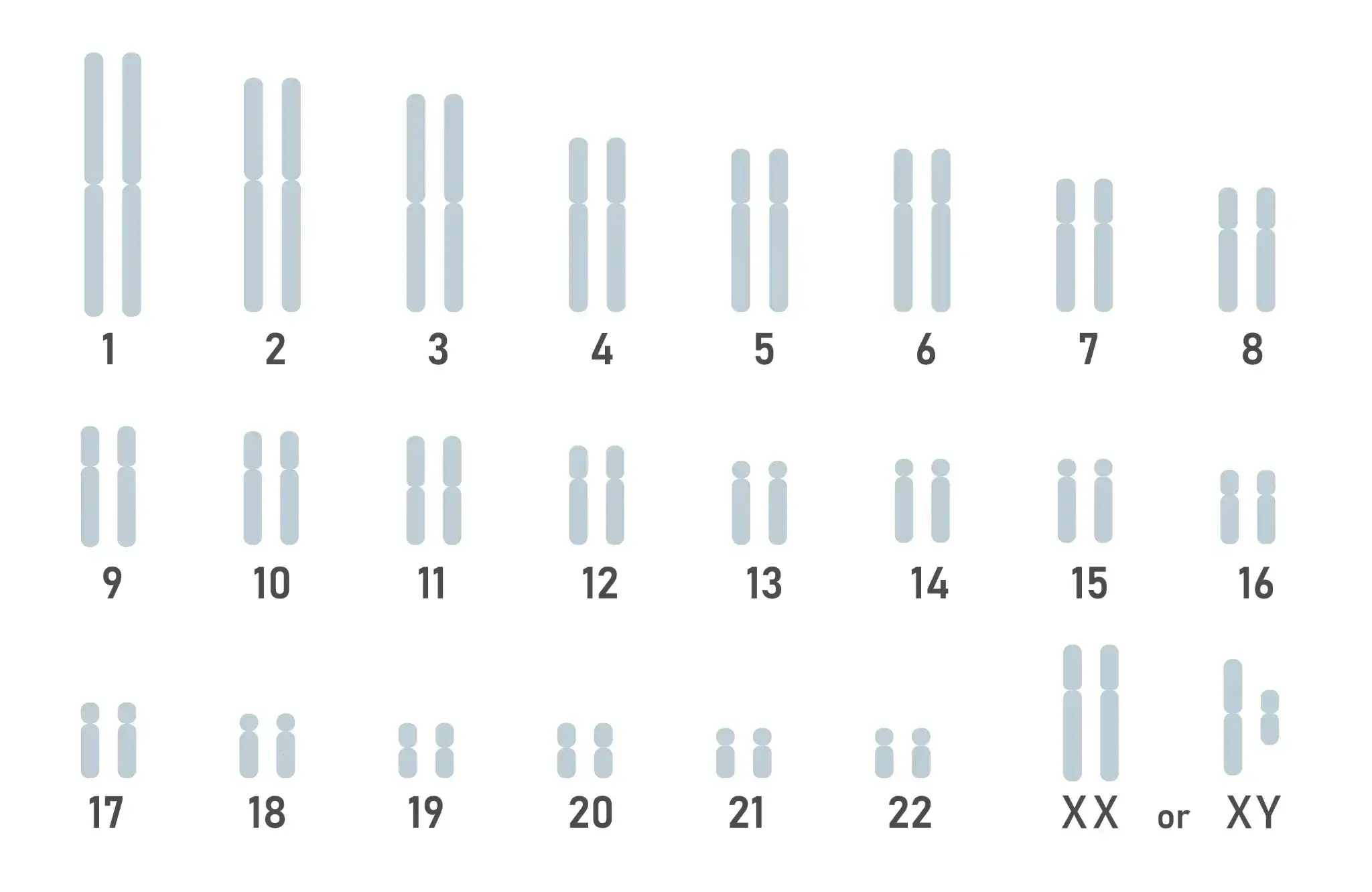
Schematic diagram of DNA map present in cells
- ■
- ■
- ■
- ■
- ■
- ■
- ■
- ■
- ■
Related genes
| Related genes | LIPG |
|---|---|
| Related genes | FADS2 |
| Related genes | MCM6 |
Frequently asked questions (FAQ)
Q1. What is the metabolic capacity of unsaturated fatty acids?
The ability to metabolize unsaturated fatty acids refers to the ability of the body to convert and utilize omega-3 fatty acids (α-linolenic acid, DHA, EPA) and omega-6 fatty acids (linoleic acid, arachidonic acid) ingested through meals into energy sources and physiologically active substances.The FADS2 and LIPG genes are involved in metabolic efficiency (1).
Q2. Do genes influence the ability to metabolize unsaturated fatty acids?
In a study by Richardson et al. from the University of Bristol,DNA region rs149615216 is associated with the ability to metabolize unsaturated fatty acidsIt turns out that it is. People with type C mutation tend to have higher metabolic capacity (1).
Q3. What is the difference between monounsaturated fatty acids and polyunsaturated fatty acids?
Monounsaturated fatty acids areone double bondA typical example is oleic acid (olive oil). Polyunsaturated fatty acids are2 or more double bondsYes, it is classified into omega-3 (DHA/EPA) and omega-6 (linoleic acid). Polyunsaturated fatty acids are essential fatty acids that cannot be synthesized by the body.
Q4. What is the dietary method to increase the ability to metabolize unsaturated fatty acids?
It is effective to intake DHA and EPA from blue fish (mackerel, sardines, and saury) and supplement oleic acid with olive oil and avocado.Keep the intake ratio of omega 6 and omega 3 below 4:1It is recommended that you keep it.