
 tuberculosis
- Tuberculosis is an infectious disease caused by Mycobacterium tuberculosisApproximately 18,000 new cases occur in Japan each year, making it one of the top 10 causes of death in the world.
- CC type of DNA region rs142513793People with this type tend to have a higher risk of developing the disease, and 99.98% of Japanese people fall into the CC type.
- Quitting smoking, proper nutritional management, and maintaining immunityIt is possible to reduce the risk of developing the disease regardless of genotype.
Overview Tuberculosis is an infection caused by a type of bacteria called Mycobacterium tuberculosis that can invade the lungs, kidneys, and intestines and cause inflammation. As it progresses, tuberculosis bacteria enters the bloodstream and spreads throughout the body, creating foci (milial tuberculosis), which is a scary disease that can even be life-threatening. Although it may seem like an old disease, tuberculosis is a familiar infectious disease that causes approximately 18,000 new cases of tuberculosis each year in Japan and is one of the top 10 causes of death worldwide. (Reference link 1) Also, not everyone who is infected with tuberculosis bacteria develops symptoms; it is said that 5 to 15% of infected people develop symptoms. Various studies have shown that both genetic and environmental factors influence the development of tuberculosis. In recent years, multiple genes have been discovered that are associated with the risk of developing tuberculosis, and this time we will discuss a particular region near the gene ZNF630. 2. Rationale A study conducted at the Institute of Molecular Medicine for Infectious Diseases at the University of Cape Town in South Africa revealed that people tend to be more susceptible to developing tuberculosis depending on the specific type of ZNF630 gene. That part is called the DNA region "rs142513793." (Reference link 2) The DNA region "rs142513793" has three genotypes: "CC", "CT", and "TT". It is known that people with the CC type genotype tend to have a higher risk of developing tuberculosis, and those with the CT type tend to have a slightly higher risk. Regarding Japanese genotypes, the CC type is the most common at 99.98%, the CT type at 0.01%, and the TT type at less than 0.01%. (Reference link 3) Although the majority of Japanese people have a genotype that makes them more likely to develop CC type tuberculosis, this does not necessarily mean that they will develop tuberculosis. For example, it has been reported that the risk of developing tuberculosis is approximately 3 times higher in diabetic patients and approximately 2.3 times higher in smokers, and malnutrition is considered to be an important risk factor for developing tuberculosis because it lowers the immune system against tuberculosis bacteria. (Reference links 4, 5, 6) In other words, quitting smoking, eating a diet low in carbohydrates, and supplementing with vitamins and trace essential minerals can be expected to prevent a decline in immunity, regardless of genotype. In this way, it is important to avoid lifestyle habits that increase the risk of developing the disease and to choose an environment that reduces the risk of developing the disease. Knowing the risk of developing Mycobacterium tuberculosis through genetic testing is expected to be useful in creating opportunities for lifestyle and environmental prevention and early countermeasures. 3. Mechanism of action The ZNF630 gene is located on the X chromosome among the 24 chromosomes common to humans, and contains genetic information for zinc finger proteins that bind to zinc ions. It is also expressed in various tissues such as the thyroid and ovaries, but it is known to be expressed in large numbers in immune cells such as macrophages and NK (natural killer) cells, a type of lymphocyte. (Reference links 7, 8) The mechanism by which ZNF630 is involved in the risk of developing Mycobacterium tuberculosis has not yet been elucidated. However, there are reports that ZNF630 is related to zinc and is expressed in large quantities in macrophages and NK cells, and that zinc deficiency reduces the immune function (effect of killing pathogens) of NK cells, so it can be speculated that rs142513793, which exists near ZNF630, is related to the onset of tuberculosis. (Reference link 9) As mentioned above, the DNA region "rs142513793" is one of the single nucleotide polymorphisms that is attracting attention because it is associated with the risk of developing tuberculosis.
What is tuberculosis?
Tuberculosis is an infectious disease caused by Mycobacterium tuberculosis, which primarily infects the lungs and affects the entire body, including the kidneys, intestines, and lymph nodes.Approximately 18,000 people are newly diagnosed in Japan each year, and it is one of the world's 10 leading causes of death according to the WHO.
Cause and infection mechanism of tuberculosis
Tuberculosis is transmitted through the air (droplet nuclear infection). Characteristics after infection are as follows.
- Infection rate:5-15% of infected people will develop symptoms during their lifetime
- Latent infection:A state in which the tuberculosis bacterium is suppressed by the immune system even if it is present in the body.
- Active tuberculosis:Mycobacterium tuberculosis multiplies and develops when the immune system is weakened.
The onset involves both genetic and environmental factors.
Main symptoms of tuberculosis
The symptoms areProgressing slowlyAs a result, some cases may be overlooked in the early stages.
- Cough and sputum that lasts for more than 2 weeks
- bloody sputum/hemoptysis
- Slight fever/night sweats
- Weight loss/loss of appetite
- General fatigue
Factors that increase the risk of developing tuberculosis
| risk factors | risk multiplier | mechanism |
|---|---|---|
| diabetes | Approximately 3 times | Decreased immune function due to hyperglycemia |
| smoking | Approximately 2.3 times | Decreased lung defense function |
| malnutrition | significantly increased | Decreased immune cell activity |
| HIV infection | Approximately 20-30 times | Decrease in CD4+ T cells |
Tuberculosis complications and progression risk
Without proper treatment, the following serious complications can occur:
- Miliary tuberculosis:A potentially fatal condition in which tuberculosis bacteria enters the bloodstream and spreads throughout the body.
- Tuberculous meningitis:Infection of the membranes that cover the brain, causing severe neurological symptoms
- Renal tuberculosis:Kidney dysfunction due to kidney infection
- Osteoarticular tuberculosis:Mycobacterium tuberculosis infection of the spine and joints
How to prevent tuberculosis
The following measures can reduce the risk of developing the disease.
- BCG vaccination(Regular vaccinations during infancy)
- Strictly no smoking
- Balanced diet (vitamin and trace mineral intake)
- Proper management of diabetes
- enough sleep and moderate exercise
The relationship between genes and tuberculosis
Relationship between DNA region rs142513793 and onset risk
Research by Chimusa and colleagues at the Institute of Molecular Medicine for Infectious Diseases at the University of Cape Town in South Africa revealed that the DNA region rs142513793 near the ZNF630 gene is associated with the risk of developing tuberculosis.
- There are three genotypes of rs142513793: CC, CT, and TT.
- CC type genotypePeople with TB tend to have a higher risk of developing tuberculosis.
- People with CT type tend to have a slightly higher
Genotype distribution in Japanese (rs142513793)
| Genotype | Percentage of Japanese people | percentage of the world |
|---|---|---|
| CC type | 99.98% | 99.2% |
| CT type | 0.01% | 0.7% |
| TT type | Less than 0.01% | 0.1%以下 |
Mechanism of action of ZNF630 gene
The ZNF630 gene is located on the X chromosome and carries genetic information for zinc finger proteins that bind zinc ions.
- Highly expressed in immune cells such as macrophages and NK (natural killer) cells
- Also expressed in various tissues such as thyroid and ovary
- It has been reported that zinc deficiency reduces the immune function (pathogen-killing effect) of NK cells.
Since ZNF630 is expressed in immune cells in association with zinc, a relationship between rs142513793 and the development of tuberculosis is suspected.
Basis for inspection
A study by Chimusa et al. at the University of Cape Town revealed that the risk of developing tuberculosis is linked to genes. There are two types of mutations in the rs142513793 region, C and T, and people with CC type tend to have a higher risk of tuberculosis.
Rationale for testing
Superficial DNA region: tuberculosis
The gene region that most strongly affects tuberculosis is rs142513793. The distribution of isomorphic genotypes in Japan is as follows.
- CC
99.9 % - CT
0.1%以下 - TT
0.1%以下
The DNA region investigated this time
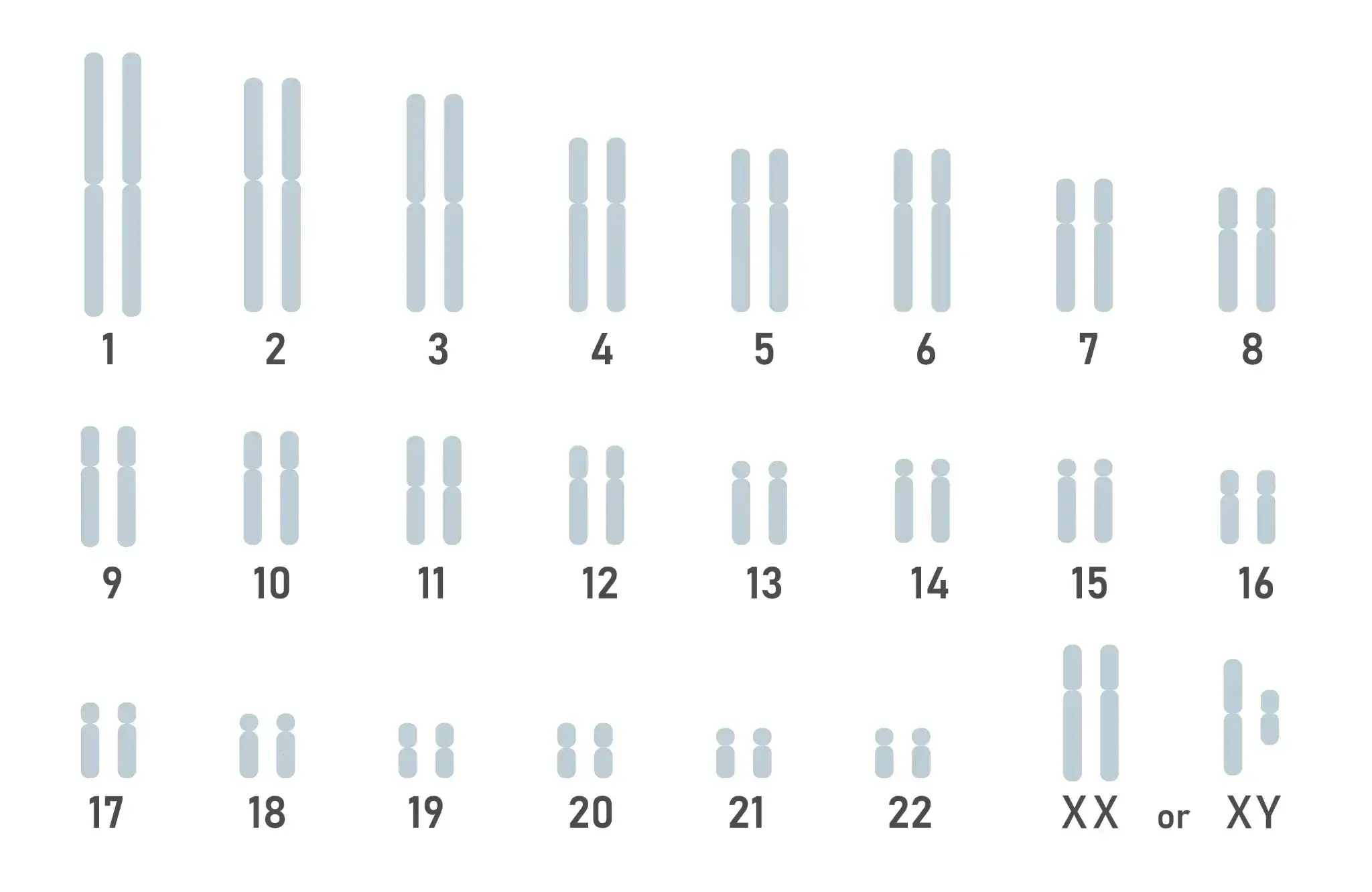
Schematic diagram of DNA map present in cells
- ■
- ■
- ■
- ■
- ■
- ■
- ■
- ■
- ■
Related genes
| Related genes | ZNF630 |
|---|
Frequently asked questions (FAQ)
Q1. What is tuberculosis?
Tuberculosis is an infectious disease caused by Mycobacterium tuberculosis.It mainly infects the lungs, but can also affect other parts of the body, including the kidneys, intestines, and lymph nodes. Approximately 18,000 people are newly diagnosed in Japan each year, and it is counted as one of the top 10 causes of death in the world.
Q2. Are genes involved in the development of tuberculosis?
The genotype of the DNA region rs142513793 is associated with the risk of developing tuberculosis.People with the CC genotype tend to have a higher risk of developing the disease.99.98% of Japanese people fall into this CC type. However, even if you have CC type, you will not necessarily develop the disease.
Q3. What is the main route of infection for tuberculosis?
Tuberculosis isAirborne infection (droplet nuclear infection)It is propagated by Tuberculosis is transmitted by inhaling tiny droplets released when a tuberculosis patient coughs or sneezes, but only about 5-15% of infected people actually develop symptoms.
Q4. Is there any way to prevent tuberculosis?
BCG vaccinationis an effective preventive measure. It is also important to maintain immunity by smoking cessation, eating a well-balanced diet, and getting enough sleep. Diabetic patients are approximately three times more likely to develop tuberculosis, so blood sugar control also contributes to prevention.
Q5. What is the relationship between tuberculosis and diabetes?
Diabetic patients are at risk of developing tuberculosisabout 3 times higherIt has been reported that. Hyperglycemia weakens the immune system, weakening the body's defenses against tuberculosis bacteria. Appropriate management of diabetes is also important for tuberculosis prevention.
References
- Reference link 1: Tuberculosis information Ministry of Health, Labor and Welfare Quarantine Station
- Reference link 2: 2013 Sep., Emile R. Chimusa, Human molecular genetics.
- Reference link 3: Information on DNA region “rs142513793”
- Reference link 4: Information on “Tuberculosis” Stop Tuberculosis Partnership Japan
- Reference link 5: Information on “Complication of Tuberculosis and Diabetes” Diabetes Network
- Reference link 6: 2019., Keitaro Omori, Journal of the Japanese Society of Internal Medicine.
- Reference link 7: Information on the gene “ZNF630” NIH
- Reference link 8: Information on gene "ZNF630" GeneCard
- Reference link 9: 2013., Keigo Nishida, Japanese Society of Hygiene.
- Reference link 10: 2014 Feb., Emile R Chimusa, Hum Mol Genet