
 Triosephosphate isomerase (TPI) deficiency

- TPI deficiency is a rare autosomal recessive metabolic disorder caused by dysfunction of the glycolytic enzyme TPI.The incidence is less than 1 in 1 million people.
- Type A mutation in DNA region rs2071058Research shows that people with the disease tend to be at higher risk of developing
- The main symptoms are hemolytic anemia, neurodegeneration, and cardiomyopathy.Symptomatic therapy is the mainstay of treatmentResearch into fundamental treatment is underway in
Overview TPI deficiency is an inherited metabolic disorder caused by a deficiency or malfunction of the enzyme triosephosphate isomerase (TPI). TPI is an enzyme that plays an important role in the process of sugar metabolism, and is particularly involved in glycolysis, a process that converts sugar into energy. When this enzyme functions properly, an intermediate called triose phosphate is converted into an energy source. TPI deficiency is inherited in an autosomal recessive manner and is caused by inheriting one abnormal gene from each parent. This disease is extremely rare and mainly affects motor and neurological functions. Symptoms include ataxia, muscle spasms, intellectual disability, hemolytic anemia, and cardiomyopathy. Diagnosis of this disease is made by measuring the activity of the TPI enzyme through blood and urine tests. Additionally, mutations in the TPI gene will be confirmed through genetic testing. Treatment is mainly symptomatic, with the aim of alleviating neurological symptoms and improving the patient's quality of life. Rehabilitation, physical therapy, occupational therapy, etc. are performed, but no fundamental treatment has been established at present. Research continues to slow the progression of the disease, and new treatments are expected to be developed. A study by Emilsson and colleagues from the Icelandic Heart Association revealed that the risk of developing triosephosphate isomerase (TPI) deficiency is associated with a DNA region called rs2071058. There are three genotypes in this DNA region: AA, AT, and TT, and it was found that people with the A genotype tend to have a higher risk of TPI deficiency.
What is TPI deficiency?
Triosephosphate isomerase (TPI) deficiency is an autosomal recessive metabolic disorder caused by deficiency or dysfunction of the glycolytic enzyme TPI.The incidence is estimated to be less than 1 in 1 million people, and it is classified as an extremely rare genetic disease.
Causes and mechanisms of TPI deficiency
TPI deficiency is caused by mutations in the TPI1 gene. TPI enzymes play the following roles in glycolysis:
- Basic functions:Converts dihydroxyacetone phosphate (DHAP) to glyceraldehyde 3-phosphate (G3P)
- Energy production:Catalyzes intermediate reactions in glycolysis that convert sugar (glucose) into ATP (energy)
When this enzyme is not functional, DHAP accumulates and causes cytotoxicity. The characteristics of the genetic pattern are as follows.
- Autosomal recessive inheritance:Developed by inheriting one mutant gene from each parent
- Carrier:If you have only one mutation, you are asymptomatic but are a carrier.
Main symptoms of TPI deficiency
The symptoms areAppears from infancyand affect multiple organs and systems.
- Hemolytic anemia:Red blood cells are destroyed prematurely, causing chronic anemia
- Neurodegeneration:Ataxia, muscle spasms, progressive motor dysfunction
- Intellectual disability:Cognitive developmental delay
- Cardiomyopathy:Decreased heart muscle function
- Susceptibility to infection:Recurrent infections due to decreased immune function
Comparison of TPI deficiency and other glycolytic enzyme disorders
| Comparison items | TPI deficiency | Pyruvate kinase deficiency |
|---|---|---|
| causative enzyme | Triose phosphate isomerase | pyruvate kinase |
| Frequency of onset | Less than 1 in 1 million | Most common glycolytic enzyme abnormality |
| Main symptoms | Hemolytic anemia + neurological disorder | Mainly hemolytic anemia |
| neurological symptoms | Yes (progressive) | None |
| prognosis | Severe disease (some deaths occurred in childhood) | Relatively good |
| genetic form | autosomal recessive | autosomal recessive |
Diagnostic method
It is diagnosed by the following tests.
- Blood test:Measurement of TPI enzyme activity (definitive diagnosis if less than 10% of normal value)
- Genetic testing:Mutation analysis of TPI1 gene
- Urine test:Checking DHAP accumulation
Treatment and prevention
Currently,No fundamental treatment has been established. Symptomatic treatments include:
- For hemolytic anemiablood transfusion therapy
- Rehabilitation/Physical therapy/occupational therapyMaintaining motor function by
- for preventing infectious diseasesimmune support
Research and development of new treatments such as gene therapy and enzyme replacement therapy is underway.
Relationship between genes and TPI deficiency
Relationship between DNA region rs2071058 and onset risk
A study by Emilsson et al. from the Icelandic Heart Association found that the DNA region rs2071058 is associated with the risk of developing TPI deficiency.
- There are three genotypes of rs2071058: AA, AT, and TT.
- Genotype with type A mutationpeople tend to be at higher risk of TPI deficiency
Genotype distribution in Japanese (rs2071058)
| Genotype | Percentage of Japanese people | percentage of the world |
|---|---|---|
| AA type | 31.1% | 39.1% |
| AT type | 49.3% | 46.8% |
| TT type | 19.5% | 14.0% |
Rationale for testing
External DNA region: Triose phosphate isomerase (TPI) deficiency
The gene region most strongly affected by triosephosphate isomerase (TPI) deficiency is rs2071058. The distribution of isomorphic genotypes in Japan is as follows.
- AA
31.1 % - AT
49.3 % - TT
19.5 %
Basis for inspection
A study by Emilsson and colleagues from the Icelandic Heart Association revealed that the risk of developing triosephosphate isomerase (TPI) deficiency is genetically linked. There is a region called rs2071058 in the human genome, and there are two types of mutations, A and T, in the gene in this region. It was found that people with type A mutations tend to have a higher risk of TPI deficiency.
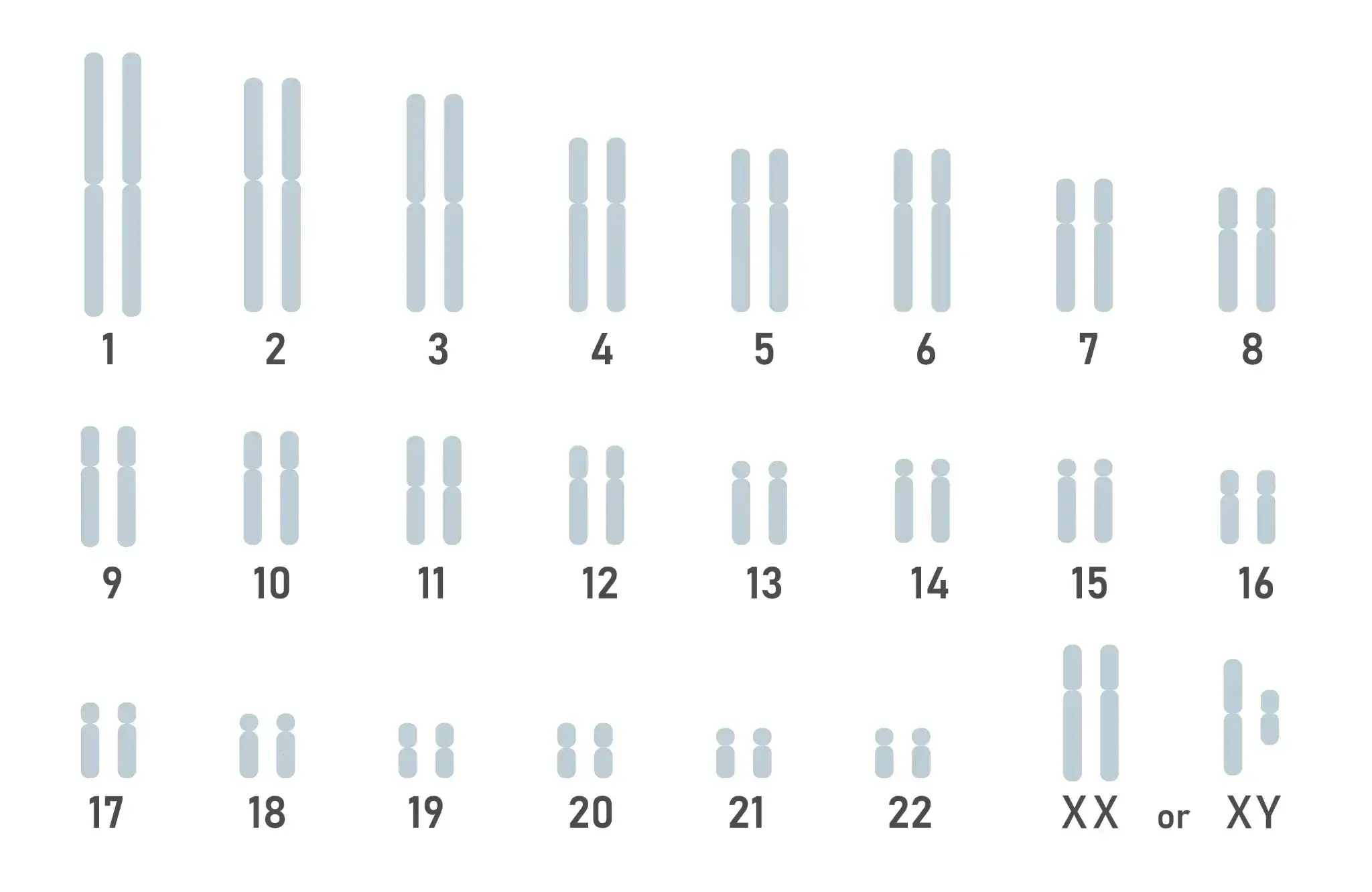
The DNA region investigated this time
Schematic diagram of DNA map present in cells
- ■
- ■
- ■
- ■
- ■
- ■
- ■
- ■
- ■
Related genes
| Related genes | CDCA3 |
|---|
Frequently asked questions (FAQ)
Q1. What is triosephosphate isomerase (TPI) deficiency?
TPI deficiency is an autosomal recessive metabolic disorder caused by dysfunction of the glycolytic enzyme TPI.It is a rare disease that affects less than 1 in 1 million people, and its main symptoms include hemolytic anemia, neurological disorders, and cardiomyopathy.
Q2. What is the cause of TPI deficiency?
The cause isMutations in the TPI1 geneIt is. The TPI enzyme produced by this gene catalyzes the reaction that converts DHAP to G3P in the glycolytic pathway. Because it is autosomal recessive, it is caused by inheriting one mutated gene from each parent.
Q3. What are the symptoms of TPI deficiency?
The main symptoms areHemolytic anemia, progressive neurodegeneration(ataxia/muscle spasm), intellectual disability, and cardiomyopathy. Symptoms appear from infancy, and in severe cases, death can occur by the age of 5 or 6.
Q4. Can genetic testing determine the risk of TPI deficiency?
By examining the genotype of DNA region rs2071058,Understand the risk trend of developing TPI deficiencyYou can. A study by Emilsson et al. found that people with the type A mutation tend to be at higher risk.
Q5. Is there any treatment for TPI deficiency?
Currently,No fundamental treatment has been established. Symptomatic treatment includes blood transfusion, rehabilitation, physical therapy, and occupational therapy to alleviate neurological symptoms. Research into gene therapy and enzyme replacement therapy is ongoing.
References
- Reference link 1: 2018 Aug., Valur Emilsson, Science