
 total cholesterol level
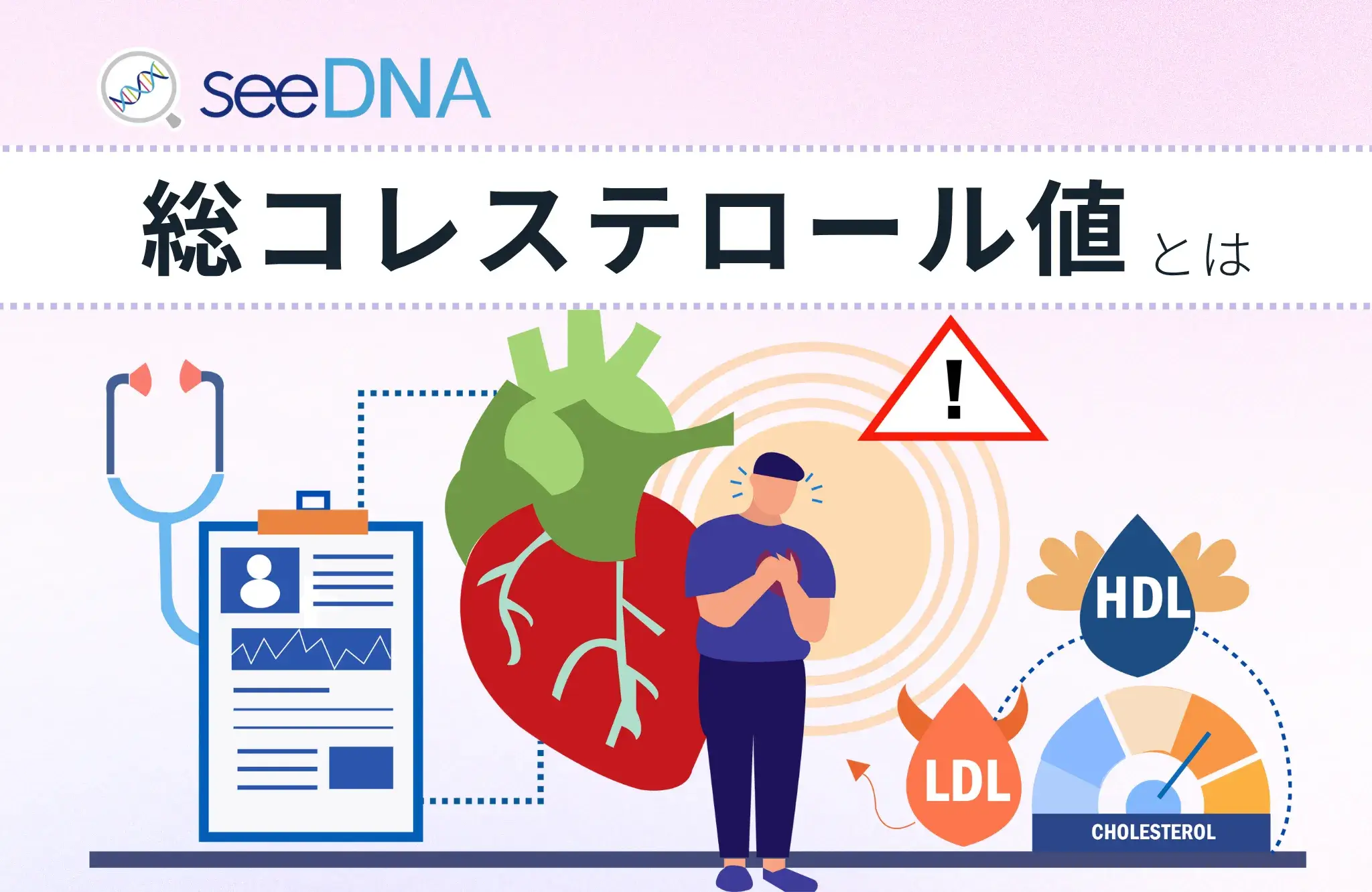
- Total cholesterol level is a blood lipid index evaluated by the sum of LDL, HDL, and triglycerides.The desired level is 220 mg/dL or less.
- Type C mutation in DNA region rs7570971Study finds that people with ADHD tend to have higher total cholesterol levels
- Meal improvement/aerobic exercise/weight managementIt is possible to optimize cholesterol levels and reduce the risk of cardiovascular disease.
Overview Cholesterol is a fat-like substance that plays an important role in our bodies and is necessary for the formation of cell membranes and the production of hormones and vitamin D. However, too much cholesterol can cause problems with your heart and brain health. Total cholesterol is primarily measured by the combination of "bad" LDL cholesterol, "good" HDL cholesterol, and levels of fats called triglycerides. Cholesterol levels are measured in units that indicate the amount of cholesterol in 1 deciliter of blood. Usually measured from fasting blood, the results are categorized as follows: desirable levels are below 220 mg/dL; moderately high levels are between 200 and 239 mg/dL; high levels are above 240 mg/dL. This classification is used as a key number to assess cardiovascular disease risk and guide treatment and lifestyle changes. A study by Teslovich et al. at the University of Michigan revealed that total cholesterol levels are associated with a DNA region called rs7570971. There are three genotypes in this DNA region: CC, CA, and AA, and it was found that people with genotype A tend to have higher total cholesterol levels.
What is total cholesterol level?
Total cholesterol value is an index that shows the total amount of LDL cholesterol, HDL cholesterol, and triglycerides contained in the blood.It is a fat-like substance that is necessary for the formation of cell membranes and the production of the hormone vitamin D, but in excess it increases the risk of cardiovascular disease.
Standard values and classification of total cholesterol level
It is usually measured using fasting blood and is classified according to the following criteria:
| classification | Numerical value (mg/dL) | Risk assessment |
|---|---|---|
| desirable | 220 mg/dL or less | low risk |
| somewhat expensive | 200〜239 mg/dL | Medium risk (need to be careful) |
| expensive | 240 mg/dL or more | High risk (treatment consideration) |
What happens if your cholesterol is high?
If the total cholesterol level is 240 mg/dL or higher, arteriosclerosis progresses and the risk of cardiovascular disease increases.
- Arteriosclerosis:LDL cholesterol accumulates on blood vessel walls, narrowing and hardening the blood vessels.
- Myocardial infarction:Myocardial necrosis due to coronary artery occlusion
- Stroke:Brain damage due to occlusion or rupture of cerebral blood vessels
- Peripheral artery disease:Pain and gait disturbance due to decreased blood flow in the limbs
Difference between LDL cholesterol and HDL cholesterol
| Comparison items | LDL cholesterol (bad) | HDL cholesterol (good) |
|---|---|---|
| role | Transports cholesterol from the liver to tissues | Recovery of cholesterol from tissues to liver |
| Effect on blood vessels | Accumulates in artery walls and promotes arteriosclerosis | removes cholesterol from artery walls |
| ideal value | Less than 140 mg/dL | 40 mg/dL or more |
| Risk at high prices | Increased risk of cardiovascular disease | Risk reduction (high value is desirable) |
How to improve total cholesterol levels
You can maintain your total cholesterol level within an appropriate range by making the following lifestyle changes.
- Meal management:Reduce saturated fatty acids and increase dietary fiber and unsaturated fatty acids (fish oil, olive oil)
- Aerobic exercise:Walking/jogging for at least 30 minutes a day at least 5 days a week
- Weight management:Maintain BMI below 25 and reduce visceral fat
- No smoking:Smoking lowers HDL cholesterol, so quitting smoking is essential.
- Drug therapy:If lifestyle changes are insufficient, treatment with statin drugs, etc.
Relationship between genes and total cholesterol levels
Relationship between DNA region rs7570971 and cholesterol levels
A study by Teslovich et al. (1) at the University of Michigan found that the DNA region rs7570971 was associated with total cholesterol levels.
- There are three genotypes of rs7570971: CC, CA, and AA.
- Genotype with type C mutationpeople tend to have higher total cholesterol levels
Genotype distribution in Japanese (rs7570971)
| Genotype | Percentage of Japanese people | percentage of the world |
|---|---|---|
| CC type | 0.1%以下 | 27.4% |
| CA type | 0.1%以下 | 49.8% |
| AA type | 99.9% | 22.6% |
AA type accounts for 99.9% of Japanese people, and CC and CA types are almost non-existent. On the other hand, the CA type is the most common type in the world at 49.8%, and the CC type is also present at 27.4%.
Rationale for testing
Surface DNA region: total cholesterol level
The gene region that most strongly influences total cholesterol levels is rs7570971. The distribution of isomorphic genotypes in Japan is as follows.
- CC
0.1%以下 - CA
0.1%以下 - AA
99.9 %
Another gene region involved in total cholesterol levels is rs1805081. The distribution of isomorphic genotypes in Japan is as follows
- TT
54.8 % - TC
38.4 % - CC
6.7 %
Another gene region involved in total cholesterol levels is rs151330264. The distribution of isomorphic genotypes in Japan is as follows
- AA
99.9 % - AT
0.1%以下 - TT
0.1%以下
Another gene region involved in total cholesterol levels is rs306890. The distribution of isomorphic genotypes in Japan is as follows
- TT
58.3 % - TC
36.0 % - CC
5.5 %
Another gene region involved in total cholesterol levels is rs964184. The distribution of isomorphic genotypes in Japan is as follows
- GG
10.3 % - GC
43.6 % - CC
45.9 %
Another gene region involved in total cholesterol levels is rs99780. The distribution of isomorphic genotypes in Japan is as follows
- CC
44.6 % - CT
44.3 % - TT
11.0 %
Basis for inspection
A study by Teslovich et al. at the University of Michigan revealed that total cholesterol levels are associated with genes. There is a region called rs7570971 in the human genome, and there are two types of mutations, C and A, in the gene in this region. It has been found that people with the type C mutation tend to have higher total cholesterol levels (1).
The DNA region investigated this time
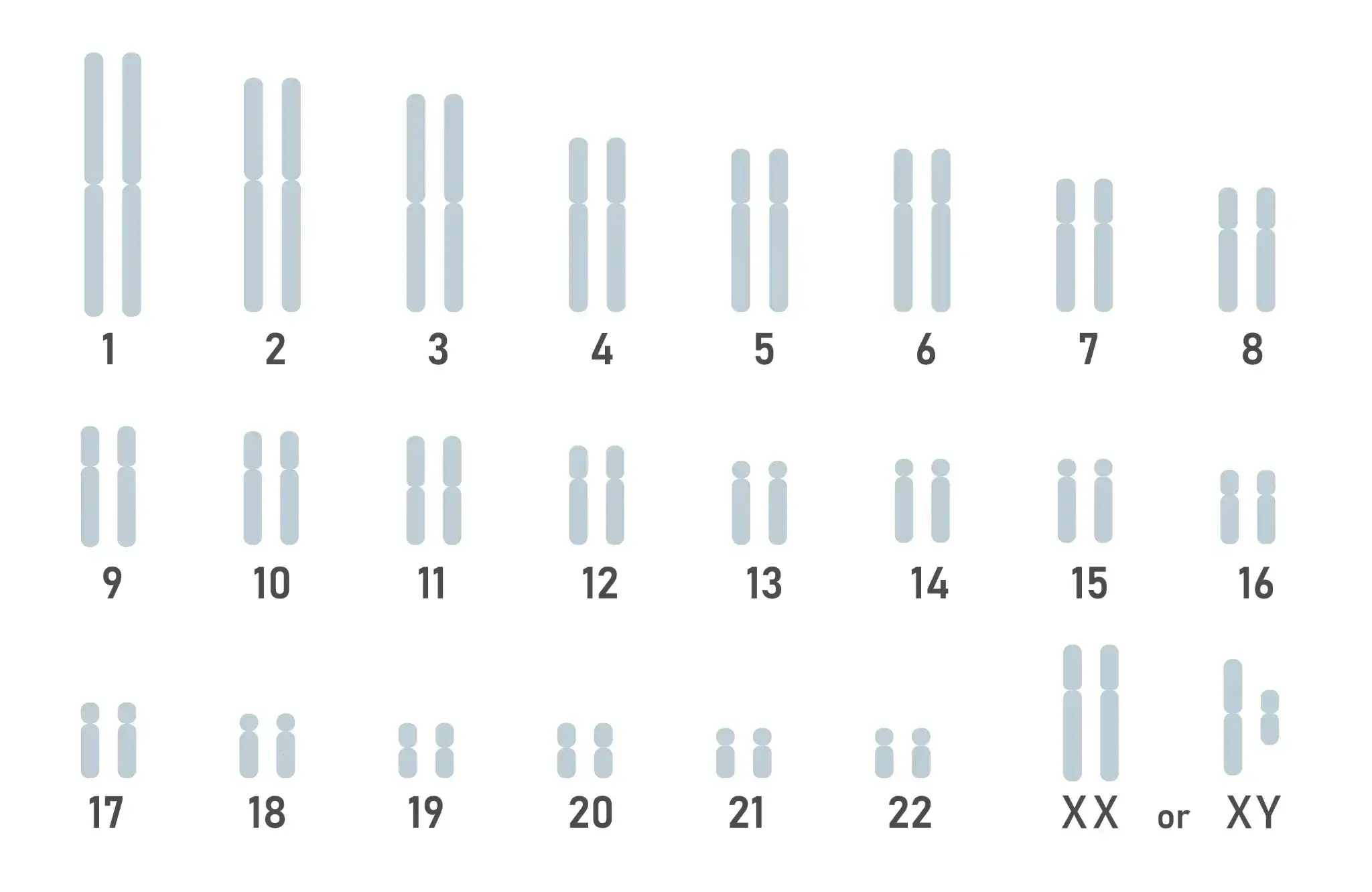
Schematic diagram of DNA map present in cells
- ■
- ■
- ■
- ■
- ■
- ■
- ■
- ■
- ■
Related genes
| Related genes | RAB3GAP1 |
|---|---|
| Related genes | NPC1 |
| Related genes | N4BP2L1 |
| Related genes | SPRY3 |
| Related genes | ZPR1 |
| Related genes | FADS2 |
Frequently asked questions (FAQ)
Q1. What is total cholesterol level?
Total cholesterol value is an index that shows the total amount of LDL cholesterol, HDL cholesterol, and triglycerides contained in the blood.A level below 220 mg/dL is considered desirable, and a level above 240 mg/dL is considered high.
Q2. What happens if the total cholesterol level is high?
If the total cholesterol level is 240 mg/dL or higher,Arteriosclerosis, myocardial infarction, strokeIncreased risk of cardiovascular diseases such as It is important to measure your health through regular health checkups and improve your lifestyle habits.
Q3. Are genes related to total cholesterol levels?
According to research by Teslovich et al. at the University of Michigan,DNA region rs7570971 is associated with cholesterol levelsIt turns out that it does. People with the type C mutation tend to have higher total cholesterol levels (1).
Q4. How to lower total cholesterol level?
At mealsReduce intake of saturated fatty acids and increase dietary fiber and unsaturated fatty acidsThis is effective. It is also recommended that you do at least 30 minutes of aerobic exercise a day, at least 5 days a week.
Q5. What is the difference between LDL cholesterol and HDL cholesterol?
LDL cholesterolis a “bad” substance that transports cholesterol to the artery walls and promotes arteriosclerosis.HDL cholesterolis a "good" substance that collects cholesterol from artery walls and returns it to the liver, and the balance between the two affects the risk of cardiovascular disease.
References
- Reference link 1: 2010 Aug., Tanya M Teslovich, Nature
- Reference link 2: 2011 Sep., Camilla Helene Sandholt, PLoS One
- Reference link 3: 2018 Nov., Derek Klarin, Nat Genet
- Reference link 4: 2018 Mar., Thomas J Hoffmann, Nat Genet
- Reference link 5: 2017 May., Cassandra N Spracklen, Hum Mol Genet
- Reference link 6: 2020 Dec., Jonas B Nielsen, Nat Commun