
 Thyrotoxic periodic paralysis

- Thyrotoxic periodic paralysis (TPP) is a complication of Graves' diseaseA disease that causes paralysis of the limbs due to excess thyroid hormone.
- Type A mutation in DNA region rs5912838Study finds that people with the disease tend to be at higher risk of developing Graves' disease and TPP
- appropriateThyroid hormone management, alcohol restriction, carbohydrate intake adjustmentIt is possible to reduce the risk of developing
Overview Graves' disease is a type of autoimmune thyroid disease in which antibodies are produced against areas that promote thyroid hormone production, resulting in excessive secretion of thyroid hormone. The main symptoms include palpitations, shaking of the hands, sweating, weight loss, muscle weakness, fatigue, and mental irritability.
What is thyrotoxic periodic paralysis (TPP)?
Thyrotoxic periodic paralysis (TPP) is a complication of Graves' disease (an autoimmune thyroid disease), and is a disease in which limbs become immobile due to poor control of thyroid hormones.Care must be taken because potassium levels that drop too low can cause fatal arrhythmias.
What is Graves' disease?
Graves' disease is a type of autoimmune thyroid diseaseThis is a disease in which antibodies are produced against areas that promote the production of thyroid hormones, resulting in excessive secretion of thyroid hormones.
- Main symptoms:Palpitations, trembling of hands, sweating, weight loss, muscle weakness, fatigue, mental irritability
- Occurrence frequency:0.2 to 3.2 people per 1,000 population
- Male to female ratio:1 to 3 to 5 (more common in women)
Causes and mechanisms of TPP
TPP is caused by a combination of the following two factors:
- Excessive secretion of thyroid hormone:Poor hormonal control due to Graves' disease
- Stress load:Caused by strenuous exercise, drinking alcohol, and consuming large amounts of carbohydrates
The movement of potassium within the cells causes hypokalemia, which causes paralysis of the limbs.
Difference between Graves' disease and TPP
| Comparison items | Graves' disease | TPP |
|---|---|---|
| disease type | autoimmune thyroid disease | Complications of Graves' disease |
| Main symptoms | Palpitations, weight loss, sweating | paralysis of the limbs |
| Cause of onset | Genetics + infection/stress | Exercise/drinking/excessive carbohydrate intake |
| Prevalence gender | common in women | common in men |
| risk factors | Family history/smoking | Graves' disease + excessive drinking |
The role of genetic factors
Graves' disease is thought to develop when a person with genetic factors is exposed to environmental factors such as viral or bacterial infection, or stress.
- If a mother has Graves' disease, her daughter has a normal chance of developing it.Approximately 6-10 times
- As a related geneITM2A geneNearby DNA regions influence risk of developing the disease
- Smokers are more likely to develop Graves' disease than non-smokers.Risk of exophthalmiaalso rose
How to prevent TPP
The following measures are important to reduce the risk of developing TPP.
- Graves' diseaseappropriate treatmentand thyroid hormone control
- excessive drinkingand avoid high intake of carbohydrates
- During periods when thyroid hormones are unstablestrenuous exerciserefrain from
- No smoking(Reducing the risk of developing Graves' disease)
Relationship between genes and thyrotoxic periodic paralysis
Relationship between DNA region rs5912838 and onset risk
A study by St. Vincent Hospital in South Korea and Shanghai Jiao Tong University School of Medicine in China found that the DNA region rs5912838 is associated with the risk of developing Graves' disease and TPP.
- rs5912838 hasAA・AC・CCThere are three genotypes of
- AA type with Risk Allele Aare more likely to develop Graves' disease and TPP
- AC typetend to be more likely to develop
Genotype distribution in Japanese (rs5912838)
| Genotype | Percentage of Japanese people | risk trends |
|---|---|---|
| AA type | 22.1% | high risk of developing |
| AC type | 49.8% | somewhat likely to develop |
| CC type | 28.1% | standard risk |
Mechanism of action of ITM2A gene
ITM2A geneis located on the X chromosome and is expressed not only in the thyroid and ovary, but also in immune cells such as monocytes and lymphocytes.
- People with type AA areUncontrollable ITM2A gene expression in monocytes, which can cause thyroid immune abnormalities after bacterial or viral infections.
- For the onset of TPPStress loads such as excessive carbohydrate intake and exerciseInvolves intracellular potassium movement by
Rationale for testing
Superficial DNA region: thyrotoxic periodic paralysis
The gene region that most strongly influences thyrotoxic periodic paralysis is rs5912838. The distribution of isomorphic genotypes in Japan is as follows.
- AA
26.3 % - AC
49.9 % - CC
23.7 %
Basis for inspection
Research by Cho, Won Kyoung and colleagues at St. Vincent Hospital in South Korea and Shuang-Xia Zhao and colleagues at Shanghai Jiao Tong University School of Medicine in China revealed that the DNA region rs5912838 is associated with the risk of developing Graves' disease and TPP. There are two types of mutations in the rs5912838 region, A and C, and people with type A mutations tend to have a higher risk of Graves' disease and TPP.
The DNA region investigated this time
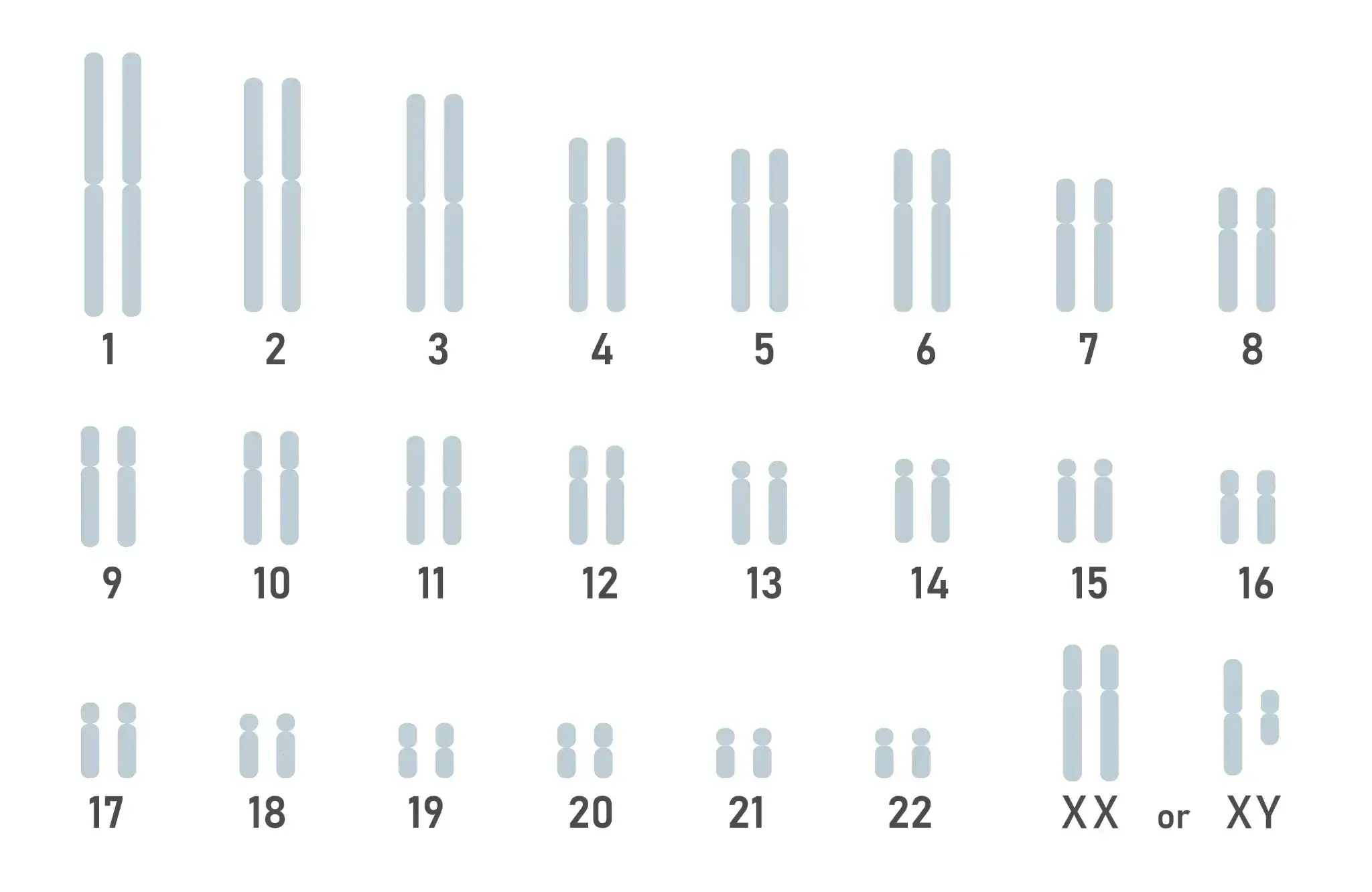
Schematic diagram of DNA map present in cells
- ■
- ■
- ■
- ■
- ■
- ■
- ■
- ■
- ■
Related genes
| Related genes | CTHRC1P1 |
|---|
Frequently asked questions (FAQ)
Q1. What is thyrotoxic periodic paralysis (TPP)?
TPP is one of the complications of Graves' disease (autoimmune thyroid disease)It develops when thyroid hormones are poorly controlled, resulting in strenuous exercise or binge eating. The limbs become immobile and low potassium levels can cause a potentially fatal arrhythmia.
Q2. What is the cause of TPP?
The main cause isExcessive secretion of thyroid hormone due to Graves' diseaseIt is. It develops in the presence of excess hormones, such as strenuous exercise, drinking alcohol, and consuming large amounts of carbohydrates. Carriers of type A mutation in the DNA region rs5912838 tend to be at higher risk.
Q3. What is the difference between Graves' disease and TPP?
Graves' disease isExcessive secretion of thyroid hormone due to autoimmunityIt is a disease that causes TPP is associated with Graves' disease.complicationsWhen stress is applied during hormone excess, paralysis of the limbs develops. Graves' disease is more common in women, whereas TPP is more common in men with Graves' disease.
Q4. Can the risk of TPP be determined through genetic testing?
By examining the genotype of the DNA region rs5912838,Understand the risk trends of Graves' disease and TPPYou can. People with type AA tend to have a higher risk of developing the disease, and approximately 22.1% of Japanese people have this genotype.
Q5. Is there any way to prevent TPP?
To prevent TPPAppropriate treatment of Graves' disease and control of thyroid hormonesis important. It is recommended that men with blood type AA or AC avoid excessive alcohol consumption, intake of large amounts of carbohydrates, and quit smoking.
References
- Reference link 1: Information on “thyroid” Kuma Hospital
- Reference link 2: 2020 Jul., Cho, Won Kyoung, Genes.
- Reference link 3: 2019 May., Shuang-Xia Zhao, JAMA Network Open.
- Reference link 4: Information on DNA region “rs5912838” NIH
- Reference link 5: 2020., Koichi Fujii, Kanto Journal of the Japanese Association of Emergency Physicians.
- Reference link 6: 2016 Nov., Xiao-Ping Ye, The Journal of Clinical Endocrinology & Metabolism.
- Reference link 7: 2013 Aug., Shuang-Xia Zhao, Hum Mol Genet
- Reference link 8: 2019 May., Shuang-Xia Zhao, JAMA Netw Open